
How to upgrade magnetostrictive sensors with smart features?
Magnetostrictive sensors have long been the workhorses of industrial linear position sensing, prized for their high accuracy and durability. However, in today's competitive landscape, basic functionality is no longer sufficient. The integration of smart features transforms these reliable devices into intelligent components of the Industrial Internet of Things (IIoT), unlocking unprecedented levels of data-driven efficiency and predictive capabilities. This guide outlines the practical steps to modernize your existing sensor infrastructure.
Understanding the Core Technology: Magnetostrictive Sensing
At its heart, a magnetostrictive sensor measures position by exploiting the magnetostrictive effect. A current pulse sent down a waveguide interacts with the magnetic field of a position magnet. This interaction generates a torsional strain wave that travels back to a pickup element. The time difference between the pulse initiation and the wave's return is precisely proportional to the magnet's position. This robust, non-contact principle provides the stable foundation upon which smart features can be built without compromising core measurement integrity.
Integrating Embedded Intelligence and Microprocessors
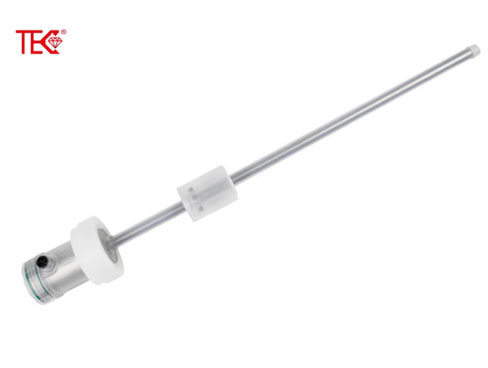
The first critical upgrade involves embedding a sophisticated microprocessor directly into the sensor's electronics. This transforms the sensor from a simple data transmitter into a smart device capable of onboard processing. This intelligence allows for functions like internal diagnostics, automatic calibration, and temperature compensation. The sensor can now monitor its own health, detect potential issues like signal degradation, and pre-process data to reduce the computational load on the central control system, leading to faster response times.
Adding Industrial Communication Protocols (IO-Link, Ethernet-APL)
Replacing traditional analog outputs (4-20mA, 0-10V) with digital industrial protocols is a game-changer. IO-Link, for instance, provides a point-to-point serial communication channel that allows for bidirectional data exchange. Through this digital pipe, you can not only receive the high-resolution position value but also send parameterization data to the sensor remotely. This enables effortless device replacement, remote configuration, and access to a wealth of additional process data beyond just the position measurement, all on a single standard cable.
Enabling Connectivity for IIoT and Cloud Platforms
To truly leverage smart data, the sensor must be able to communicate with higher-level systems. This involves integrating connectivity modules that support protocols like MQTT or OPC UA. These protocols act as a common language, allowing the sensor's data to be seamlessly ingested by IIoT platforms, SCADA systems, and cloud analytics engines. This connectivity is the bridge that turns raw sensor readings into actionable insights across the entire organization, facilitating condition monitoring and centralized asset management.
Implementing Predictive Maintenance Algorithms
With connectivity and processing power in place, you can implement predictive maintenance strategies. The smart sensor can continuously analyze its own data and the machine's operational patterns. By monitoring trends in parameters like vibration, cycle times, and temperature, advanced algorithms can detect anomalies that precede a failure. This shift from reactive repairs or fixed-interval maintenance to a predictive model dramatically reduces unplanned downtime, extends asset life, and optimizes maintenance schedules and costs.
Leveraging Data Analytics for Operational Efficiency
The ultimate value of upgraded sensors lies in data analytics. The continuous stream of high-fidelity position and diagnostic data provides a deep understanding of machine performance. Analytics software can identify inefficiencies, such as suboptimal cycle speeds or slight misalignments, that would otherwise go unnoticed. This data empowers engineers and managers to fine-tune processes for maximum throughput, improve product quality, and make informed decisions to boost overall equipment effectiveness (OEE).
Conclusion: A Strategic Investment for Modern Automation
Upgrading magnetostrictive sensors with smart features is not merely a technical update; it is a strategic investment in the future of your operations. By embedding intelligence, enabling digital communication, and connecting to IIoT ecosystems, you transform a basic measurement component into a proactive, data-generating asset. This evolution paves the way for smarter, more efficient, and more competitive manufacturing and industrial processes, fully embracing the promises of Industry 4.0.
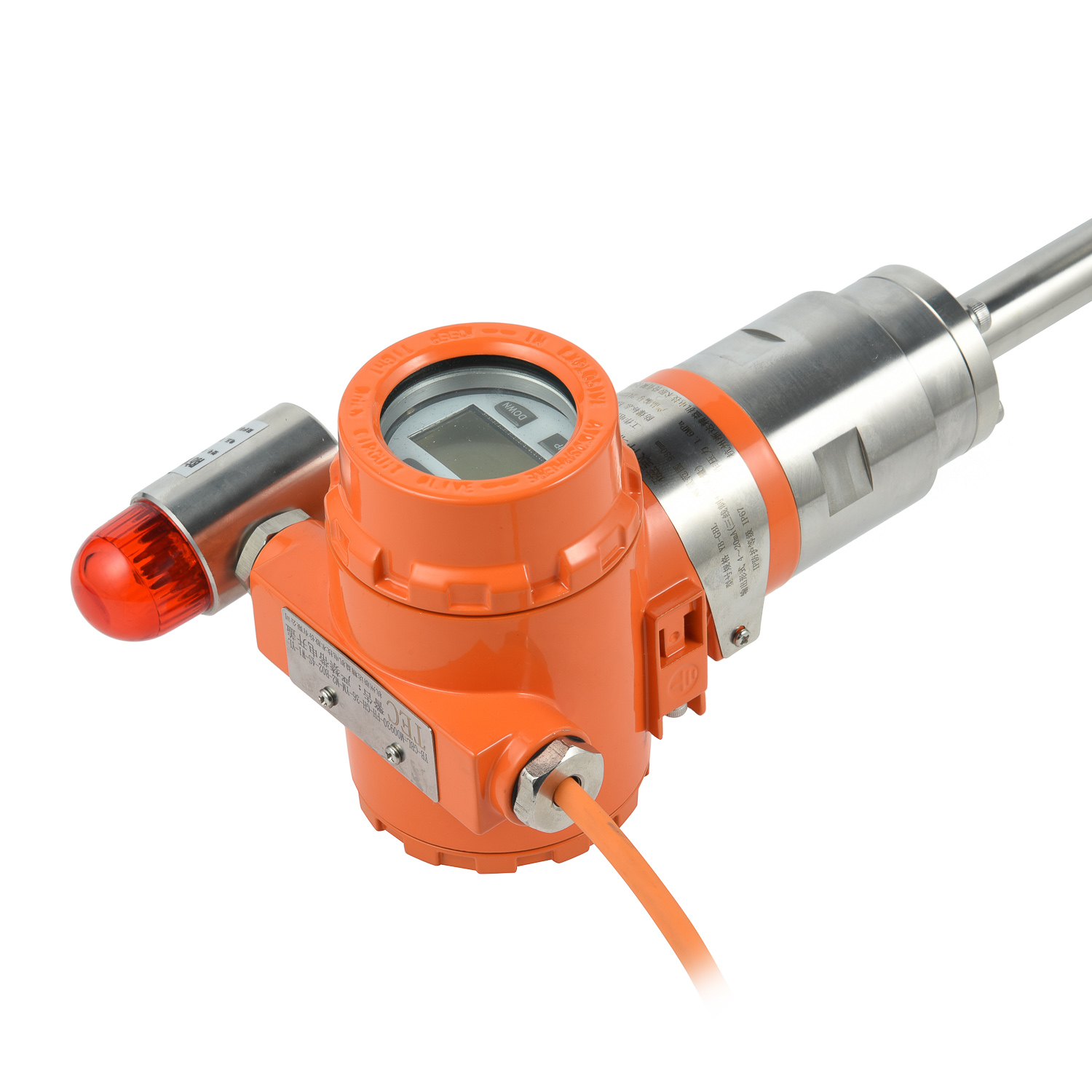 Intrinsically Safe Explosion-p
 Explosion-proof Magnetostricti
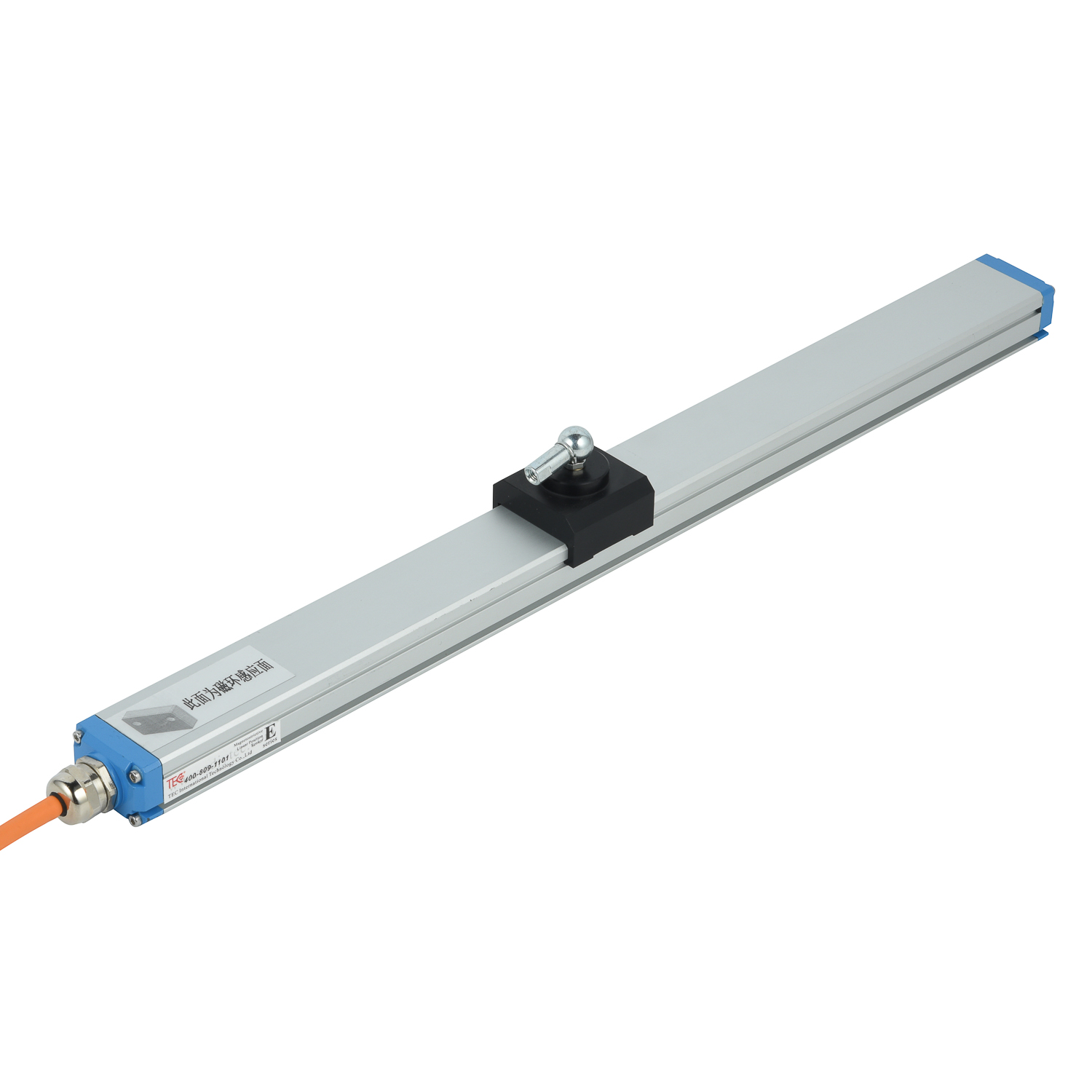 Magnetostrictive Displacement
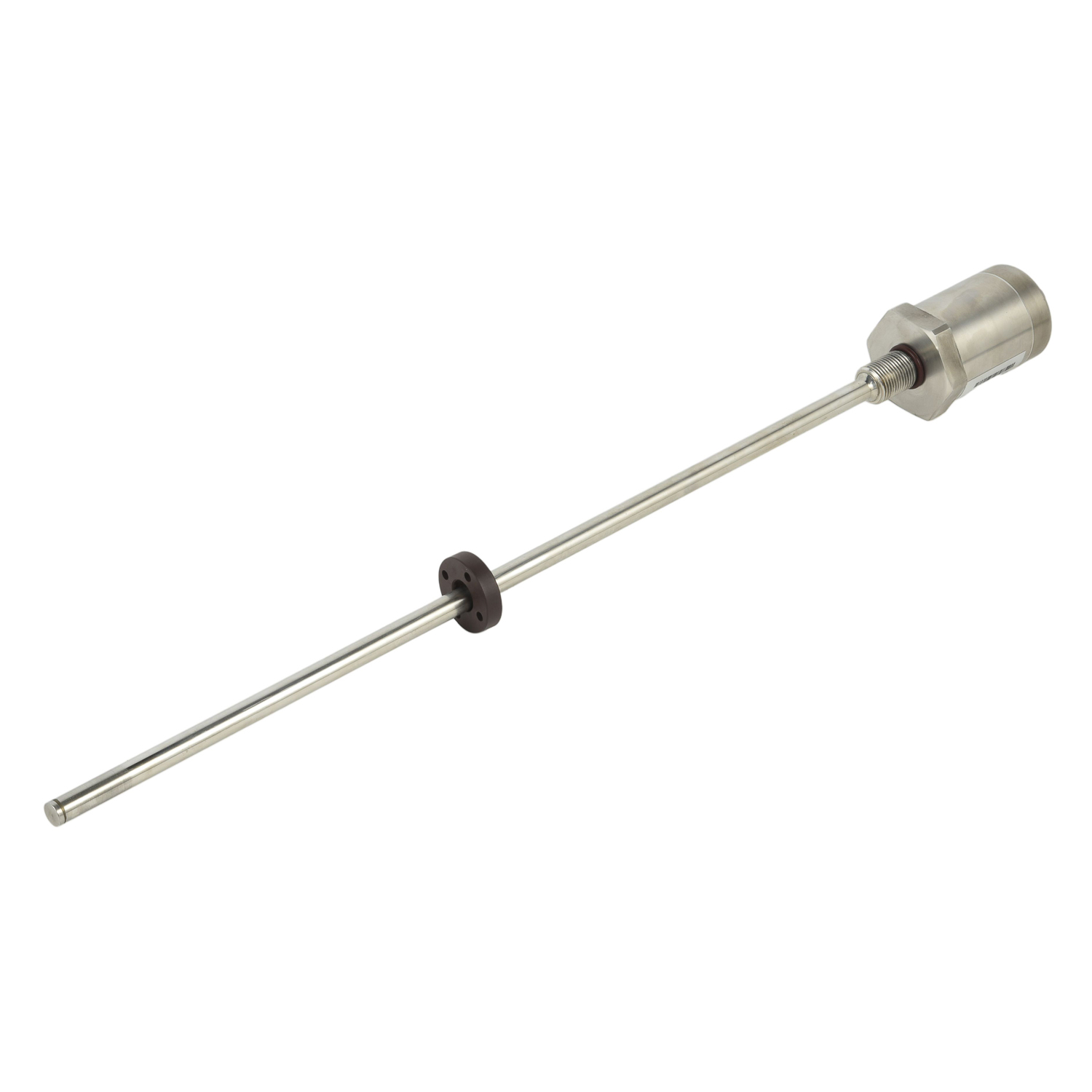 Mining High-temperature Electr