
How to design long-life magnetostrictive sensors?
Designing magnetostrictive sensors for extended operational life requires a comprehensive approach that addresses material science, mechanical engineering, and electronic robustness. These position and level measurement devices must withstand harsh industrial environments while maintaining precision over years of continuous operation. The fundamental challenge lies in balancing performance specifications with durability requirements, ensuring that neither aspect compromises the other. Successful long-life design begins with understanding the failure mechanisms that typically affect these sensors and proactively engineering solutions to mitigate them. This involves careful selection of materials, implementation of protective measures, and incorporation of self-diagnostic capabilities that can predict maintenance needs before catastrophic failure occurs.
Selecting Durable Materials for Critical Components
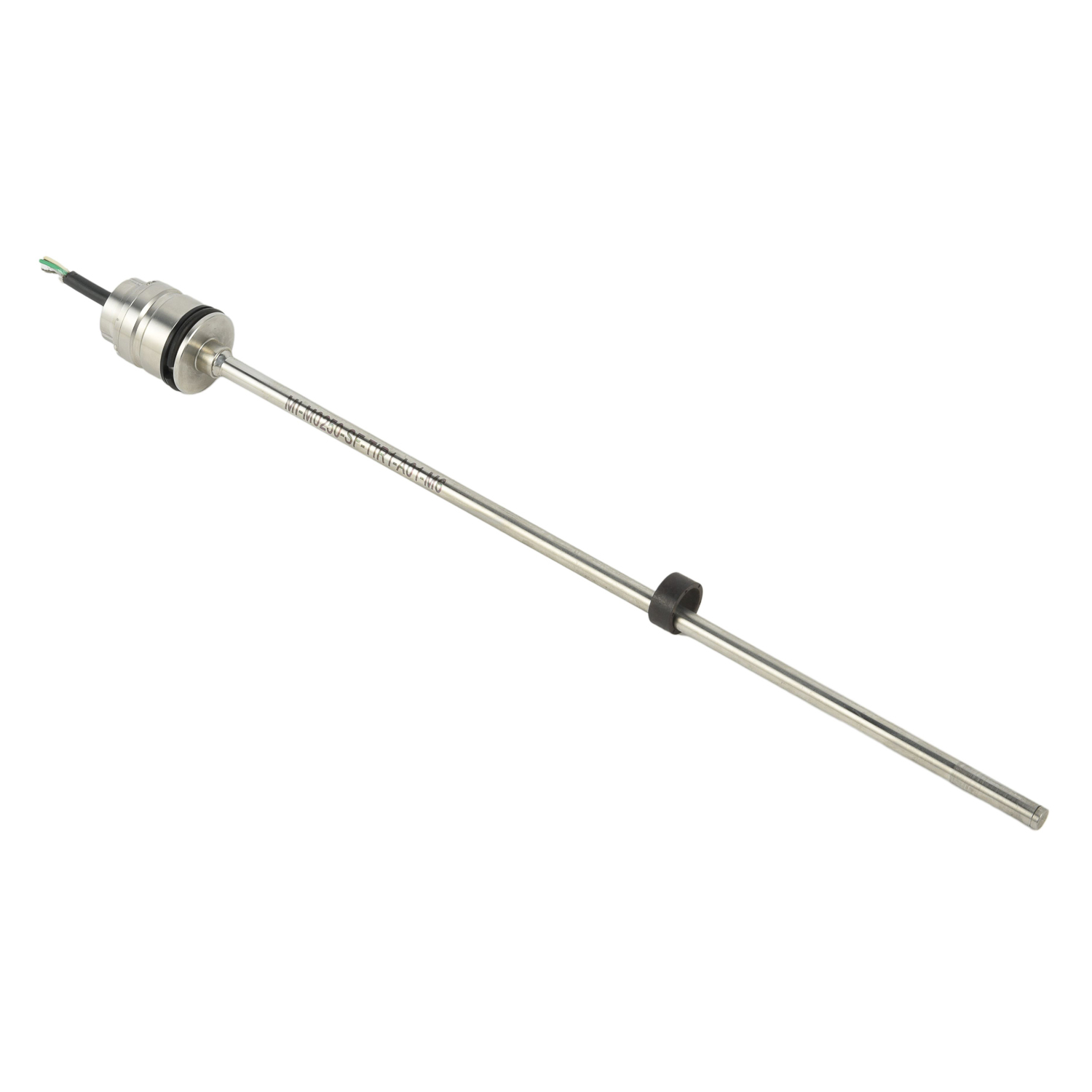
The foundation of any long-life magnetostrictive sensor begins with material selection for its core components. The waveguide, typically made from ferromagnetic alloys, must exhibit excellent magnetostrictive properties while resisting corrosion, fatigue, and temperature-induced degradation. Austenitic stainless steels like 304 or 316 offer good corrosion resistance for many applications, while specialized alloys may be necessary for highly corrosive or high-temperature environments. The protective tube enclosing the waveguide should provide mechanical strength without interfering with the magnetic fields; seamless stainless steel tubes with appropriate wall thickness represent the standard choice. For the position magnet that moves along the sensor, selecting neodymium iron boron or samarium cobalt magnets ensures strong magnetic fields that resist demagnetization over time. Each material must be evaluated not just for initial performance but for how its properties change after years of thermal cycling, vibration exposure, and potential chemical contact.
Implementing Robust Mechanical Construction Techniques
The mechanical design of a magnetostrictive sensor directly influences its ability to withstand physical stresses throughout its operational life. The interface between the waveguide and the sensor housing requires special attention to prevent stress concentrations that could lead to fatigue failure. Proper strain relief at cable entry points prevents wire breakage from constant flexing or vibration. For float-level applications, the guide tube must maintain straightness within tight tolerances while resisting buckling from external pressures. Welded joints should utilize full-penetration welds with minimal heat-affected zones to maintain material integrity. O-ring seals and gaskets must be selected based on compatibility with process media and temperature ranges, with redundant sealing systems employed for critical applications. The overall construction should minimize dead zones where moisture or contaminants could accumulate, incorporating drainage features where appropriate. Vibration analysis during the design phase helps identify potential resonance points that could lead to premature failure.
Optimizing Electronic Components for Long-Term Reliability
The electronic module represents another critical area for longevity-focused design. Modern magnetostrictive sensors incorporate sophisticated circuitry for generating interrogation pulses, detecting torsional waves, and processing position signals. Utilizing industrial-grade components with extended temperature ratings provides a buffer against thermal stress, which is a primary cause of electronic failure. Conformal coating applied to printed circuit boards protects against humidity, condensation, and chemical vapors that can cause corrosion or short circuits. Power management circuits should include protection against voltage spikes, reverse polarity, and electrical noise common in industrial environments. Signal processing algorithms can be designed to compensate for gradual degradation in signal strength, extending usable life even as components age. Implementing watchdog timers and built-in self-test routines allows the sensor to monitor its own health and provide early warning of potential failures.
Incorporating Advanced Protective Measures
Beyond basic robust construction, advanced protective measures significantly extend sensor lifespan in challenging applications. For sensors exposed to corrosive media, additional barriers such as PTFE liners or ceramic coatings protect vulnerable components. In high-vibration environments, mechanical dampers or isolation mounts can absorb destructive energy before it reaches sensitive internal components. EMI/RFI shielding becomes crucial in electrically noisy environments to prevent signal corruption. For outdoor or washdown applications, IP67 or IP69K ratings ensure protection against water ingress. Some designs incorporate sacrificial anodes for cathodic protection in highly corrosive environments. Redundant sensing elements can provide fail-safe operation, while modular designs allow replacement of individual components rather than the entire sensor when wear does occur.
Ensuring Proper Installation and Maintenance Practices
Even the most durable magnetostrictive sensor will underperform if installed or maintained incorrectly. Design considerations should facilitate proper installation, with clear marking of insertion depths, torque specifications for mounting hardware, and unambiguous electrical connections. Providing mounting fixtures that prevent improper installation reduces field failures. For maintenance, designs should allow for calibration verification without complete disassembly, and incorporate test points for troubleshooting. Documentation should emphasize critical installation details such as proper grounding, avoidance of stress points in conduit connections, and recommended inspection intervals. Designing with serviceability in mind means providing access to replaceable components like O-rings or connectors without specialized tools, encouraging proper maintenance rather than premature replacement.
Validating Design Through Accelerated Life Testing
Proving long-life capability requires rigorous testing beyond standard qualification procedures. Accelerated life testing subjects sensors to extreme conditions that simulate years of operation in a compressed timeframe. Thermal cycling between temperature extremes reveals weaknesses in material compatibility and joint integrity. Vibration testing identifies resonant frequencies and mechanical fatigue points. HALT (Highly Accelerated Life Testing) and HASS (Highly Accelerated Stress Screening) methodologies help identify design margins and manufacturing defects respectively. Corrosion testing, including salt spray exposure for marine applications or chemical resistance testing for specific process media, validates material selections. These testing protocols not only verify the design but often reveal improvement opportunities that further enhance longevity. The data collected enables statistical prediction of mean time between failures, providing users with quantifiable expectations for sensor lifespan.
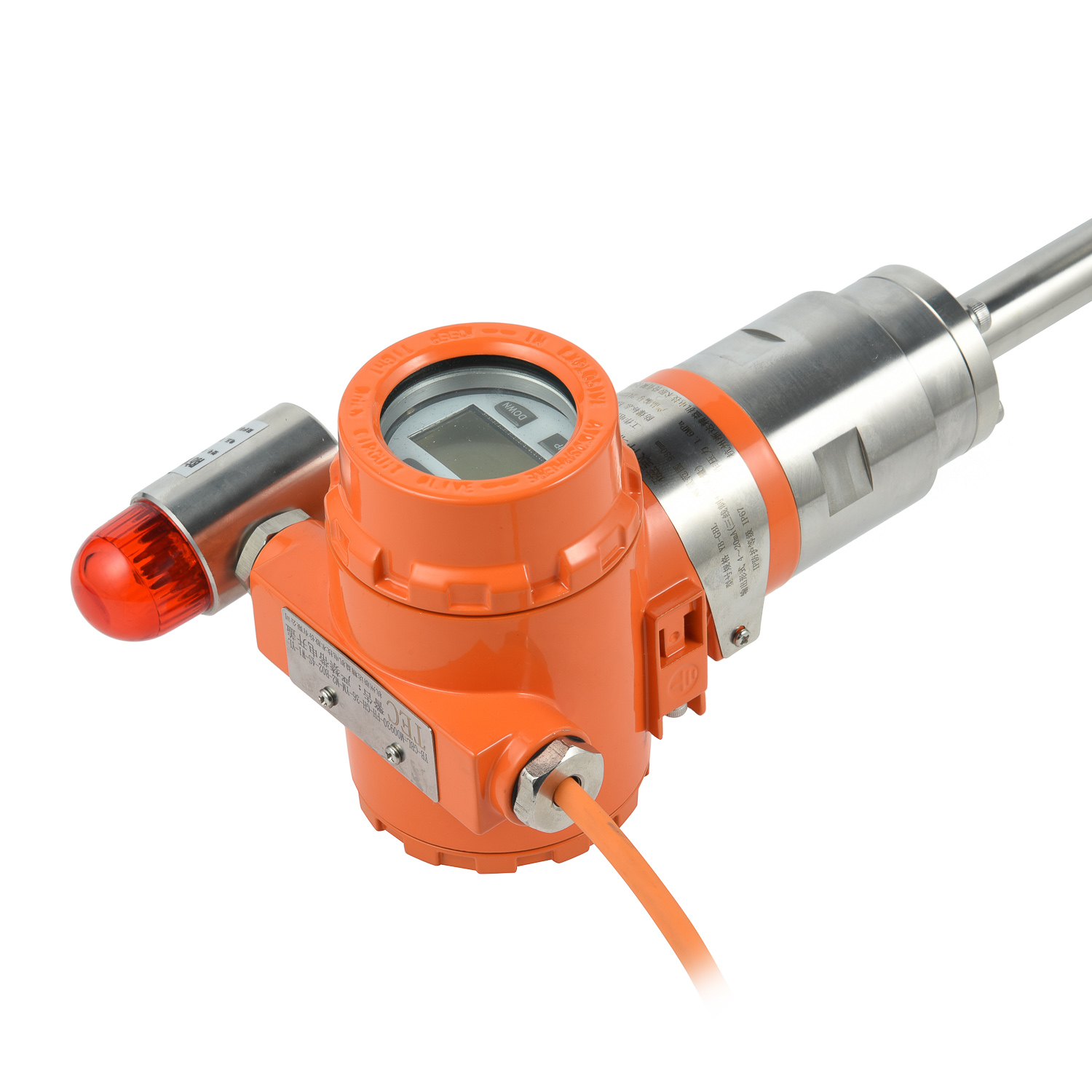 Intrinsically Safe Explosion-p
 Explosion-proof Magnetostricti
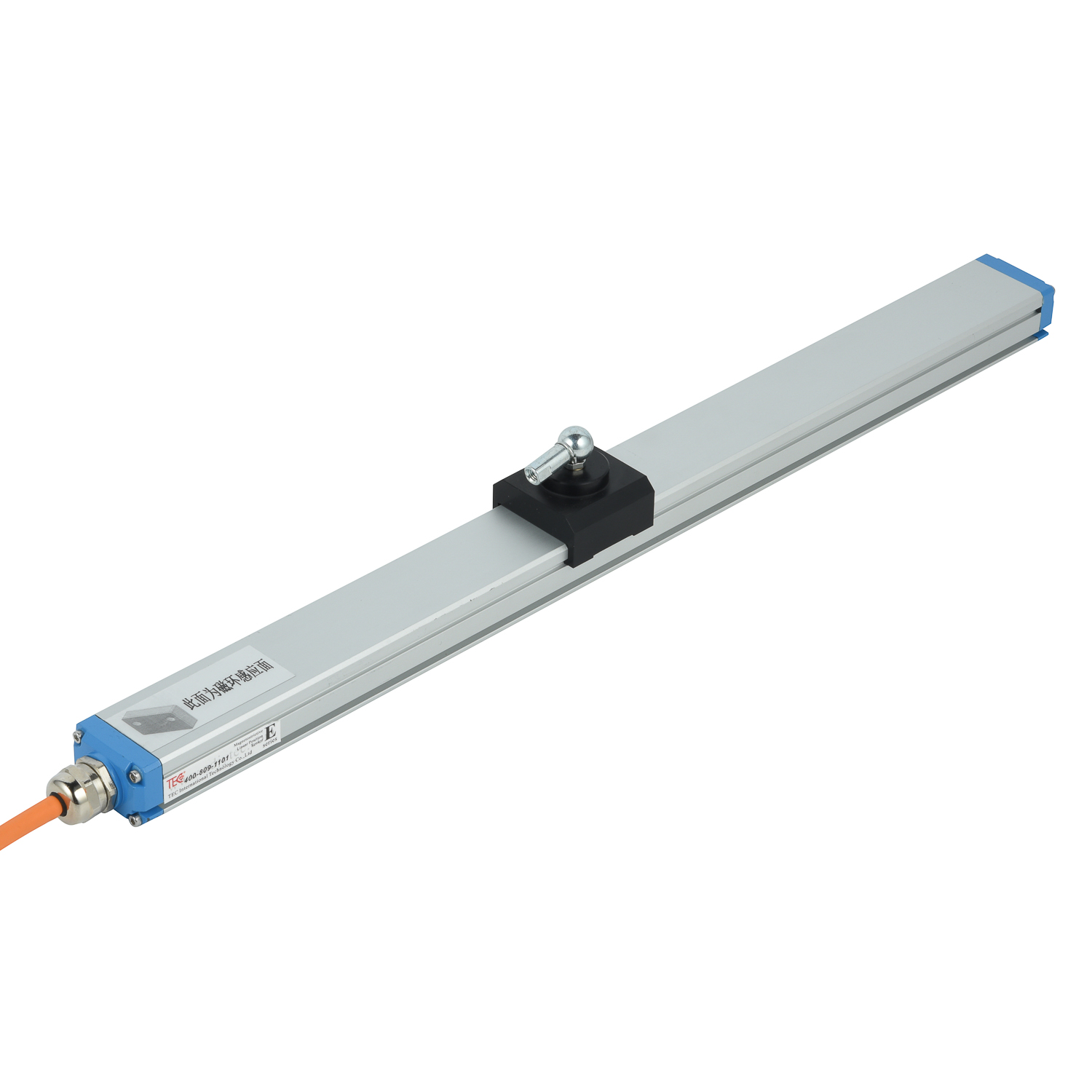 Magnetostrictive Displacement
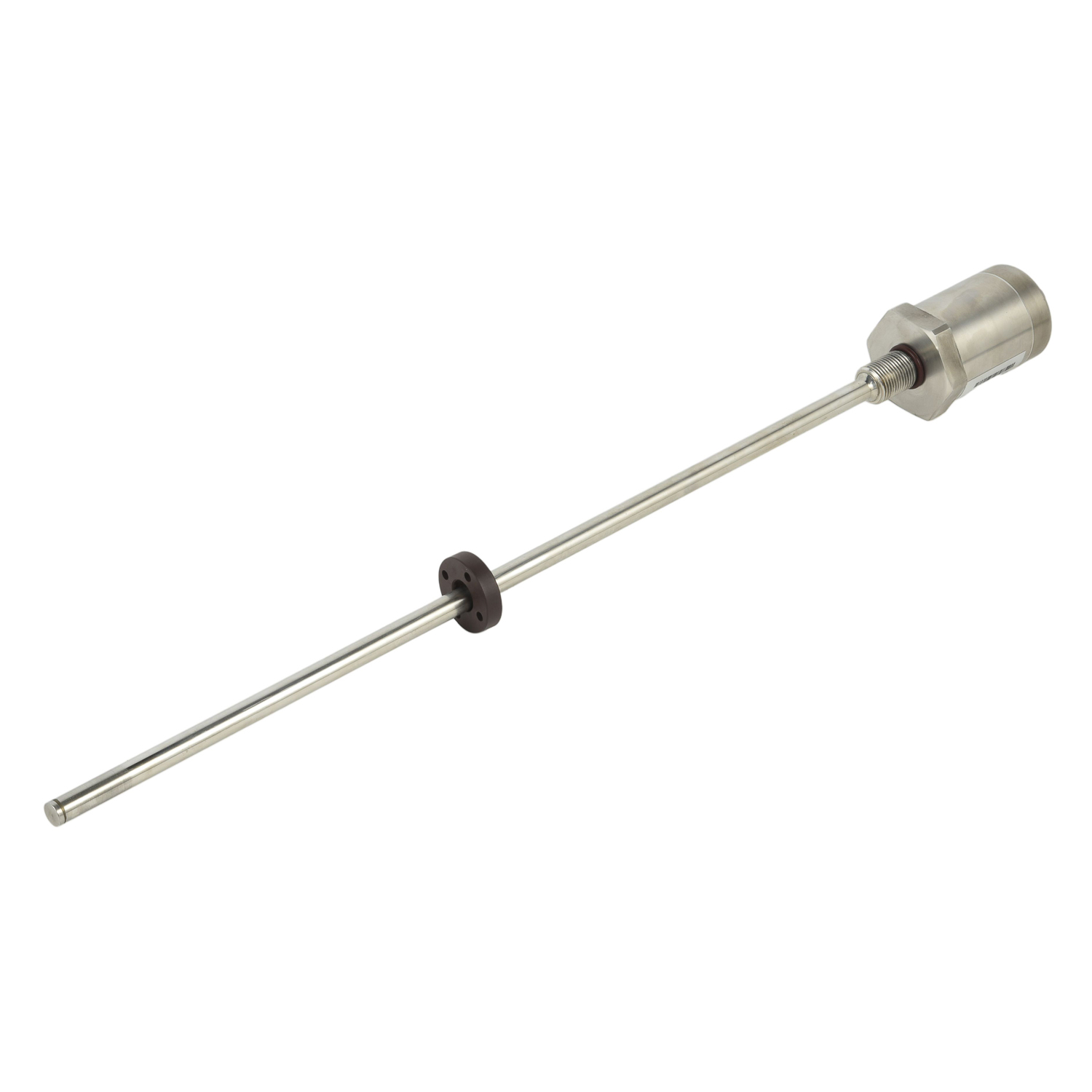 Mining High-temperature Electr