
What anti-interference techniques apply to magnetostrictive sensors?
In the demanding world of industrial automation and precision measurement, magnetostrictive sensors are revered for their high accuracy and reliability in position and level sensing. However, their performance can be severely compromised by electromagnetic interference (EMI), electrical noise, and other environmental factors. Implementing robust anti-interference techniques is not just an option but a necessity to ensure the integrity of the measured data and the smooth operation of the entire system. This article delves into the key strategies employed to shield these sophisticated sensors from disruptive influences.
Understanding the Sources of Interference
The first step in combating interference is to identify its origins. For magnetostrictive sensors, the primary culprits are often electromagnetic interference from nearby motors, variable frequency drives (VFDs), power lines, and welding equipment. This EMI can induce unwanted voltages in the sensor's sensitive electronics and the magnetostrictive waveguide itself. Additionally, ground loops, caused by differences in electrical potential between the sensor and the control system, can introduce significant noise into the signal path. Recognizing these sources allows engineers to select the most appropriate mitigation techniques.
Effective Shielding and Grounding Strategies
Proper shielding is a cornerstone of electromagnetic compatibility. Magnetostrictive sensors are typically housed within a metallic enclosure that acts as a Faraday cage, deflecting external electromagnetic fields. For this to be effective, the shield must be properly grounded at a single point to prevent ground loops. The cable connecting the sensor to the controller is also critical; using a high-quality, double-shielded cable is essential. The inner shield should be grounded at the sensor end, while the outer shield is grounded at the controller end, effectively draining noise away from the sensitive signal conductors.
Advanced Signal Filtering and Conditioning
Even with excellent shielding, some noise may reach the sensor's electronics. This is where signal filtering comes into play. Both hardware and software filters are used to isolate the true measurement signal from the noise. Hardware filters, such as low-pass filters integrated into the sensor's circuitry, attenuate high-frequency noise components. On the software side, sophisticated digital signal processing (DSP) algorithms can be implemented. These algorithms can average multiple readings or use adaptive filtering techniques to distinguish the actual magnetostrictive pulse from random noise, significantly enhancing the signal-to-noise ratio.
Optimized Hardware and Circuit Design
Anti-interference capabilities begin at the component level. Leading manufacturers design the sensor's internal printed circuit board (PCB) with careful attention to layout. This includes separating analog and digital ground planes, keeping signal traces short and away from noise sources, and using components with high common-mode rejection ratios (CMRR) in the differential amplifiers that process the returning pulse. These design practices minimize the sensor's susceptibility to noise from the outset, creating a inherently robust foundation.
Implementing Smart Sensor Diagnostics and Calibration
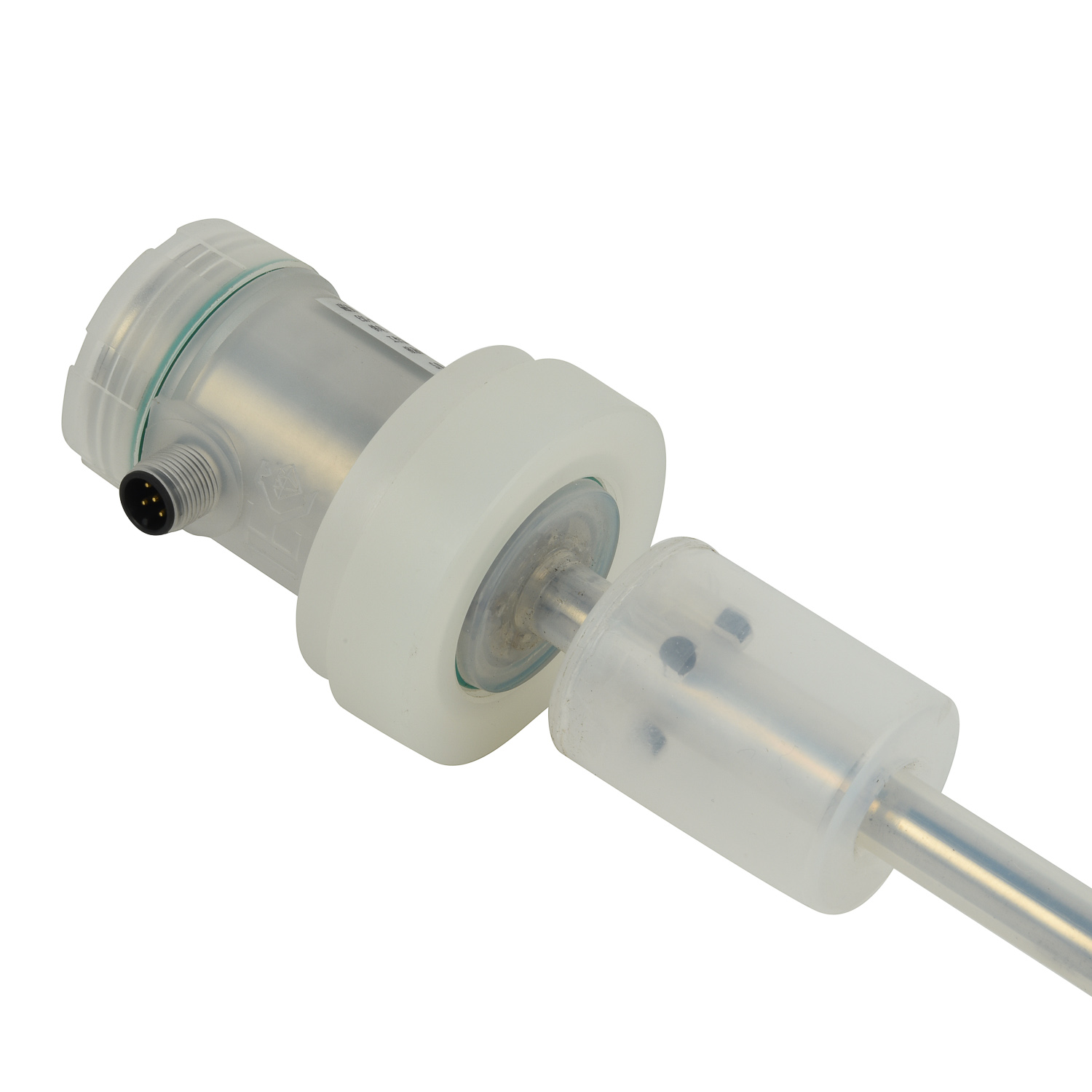
Modern magnetostrictive sensors often include built-in diagnostic features that help identify interference issues. They can monitor signal strength and quality, alerting users to potential problems before they lead to measurement errors. Furthermore, regular calibration against a known reference is a vital practice. It ensures that the sensor's output remains accurate over time, compensating for any minor drift that environmental factors might cause. This proactive approach to maintenance is a key part of a comprehensive anti-interference strategy.
In conclusion, safeguarding magnetostrictive sensors from interference is a multi-faceted endeavor. It requires a combination of mechanical shielding, proper grounding, advanced electronic filtering, intelligent circuit design, and proactive diagnostics. By systematically applying these anti-interference techniques, engineers can unlock the full potential of magnetostrictive technology, achieving the exceptional levels of accuracy and long-term reliability required in today's most challenging applications.
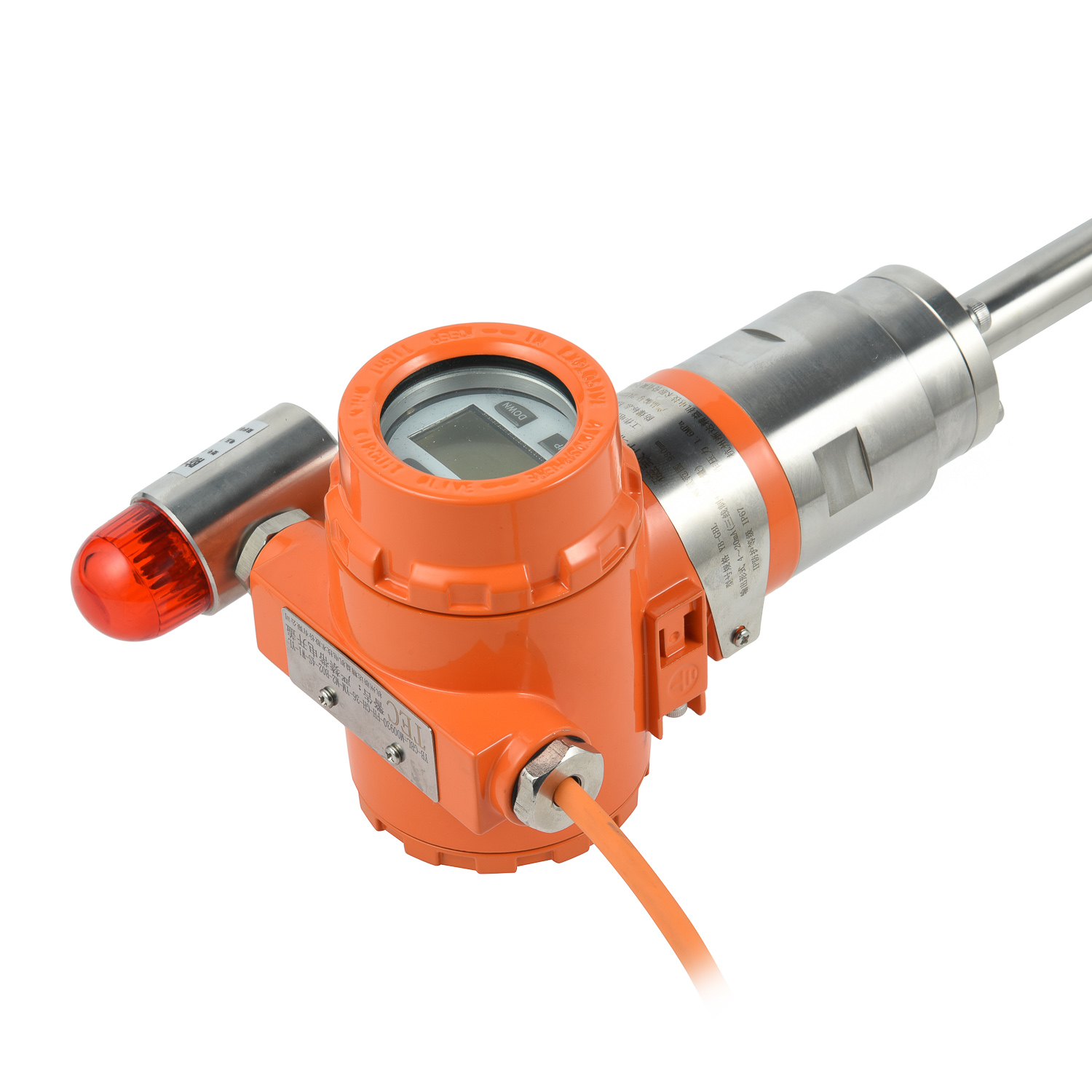 Intrinsically Safe Explosion-p
 Explosion-proof Magnetostricti
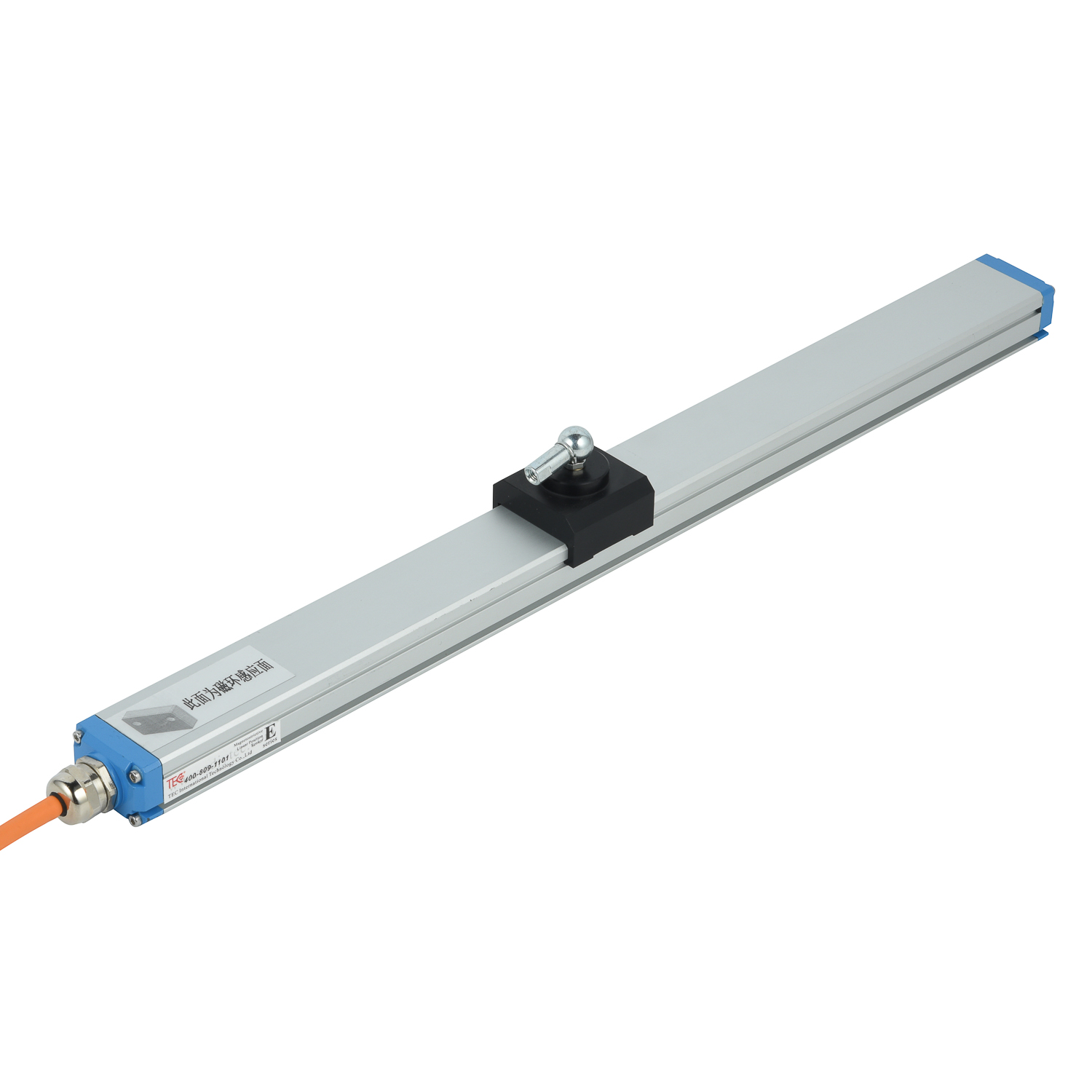 Magnetostrictive Displacement
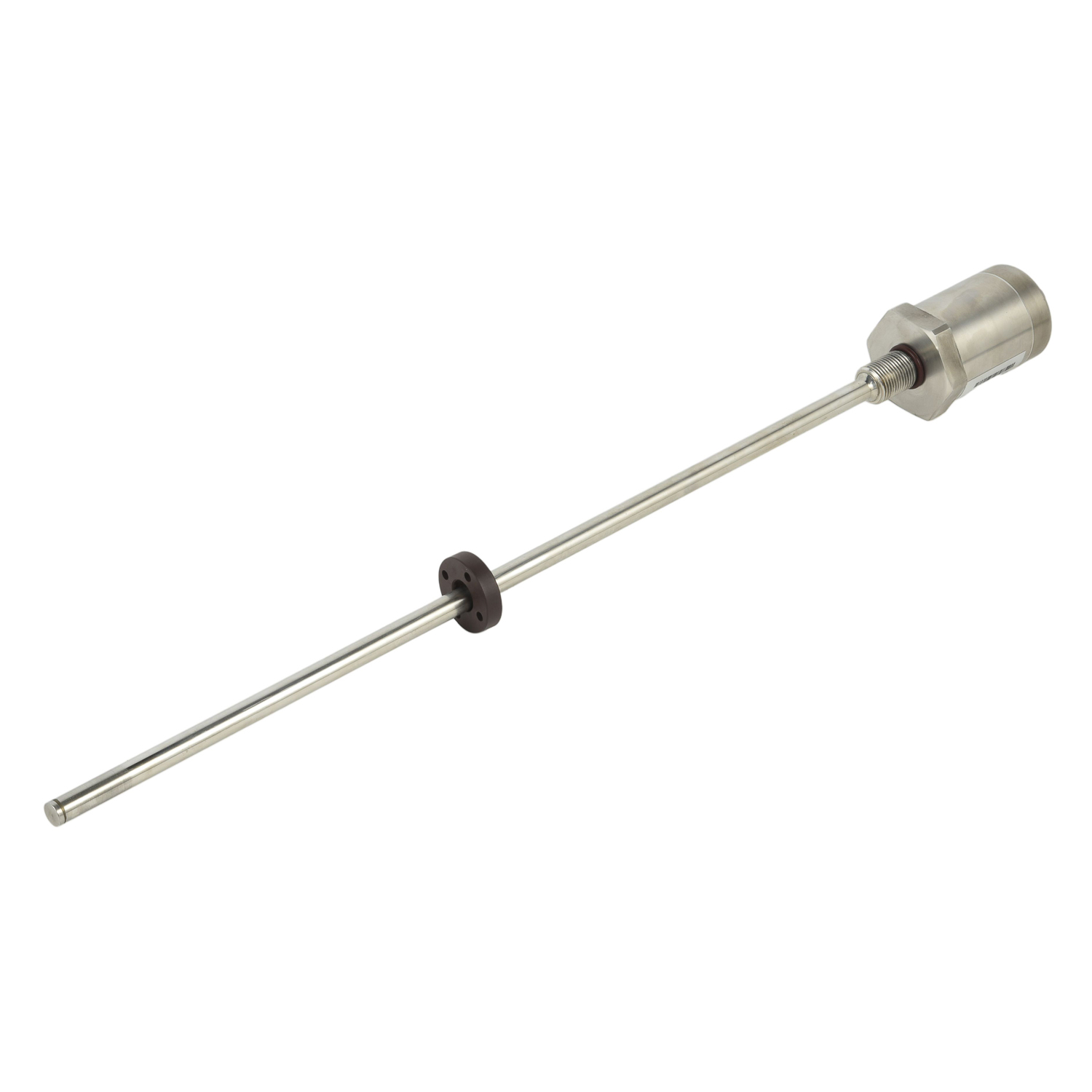 Mining High-temperature Electr