
Reaction Kettle High-pressure Turbine Flowmeter Selection
Selecting a high-pressure turbine flowmeter for a reaction kettle requires matching meter performance to process conditions and safety requirements. First, confirm the working pressure and temperature ratings exceed the kettle's maximum operating and design limits, including pressure surges. Verify the wetted materials are compatible with the reaction medium, solvents, catalysts, and cleaning agents; stainless steel, Hastelloy, or lined internals may be needed. Define the normal, minimum, and maximum flow rates and choose a meter size that keeps velocity within the turbine's linear range. Adequate turndown and low pressure drop are critical for accurate dosing and recirculation. Consider viscosity, density, and entrained solids or gas, because they affect K-factor stability and bearing life. For high-pressure service, select robust bearings, a reinforced housing, and suitable sealing. Specify accuracy, repeatability, output signals, local display, and explosion protection for hazardous areas. Installation matters: maintain straight pipe runs, avoid cavitation, and ensure the meter is accessible for calibration and maintenance. Finally, request factory calibration, material certificates, pressure test reports, and a maintenance plan. A properly selected turbine flowmeter improves reaction kettle control, batch consistency, and operational safety. Work with the supplier to review process data, piping layout, and control requirements before finalizing the model.

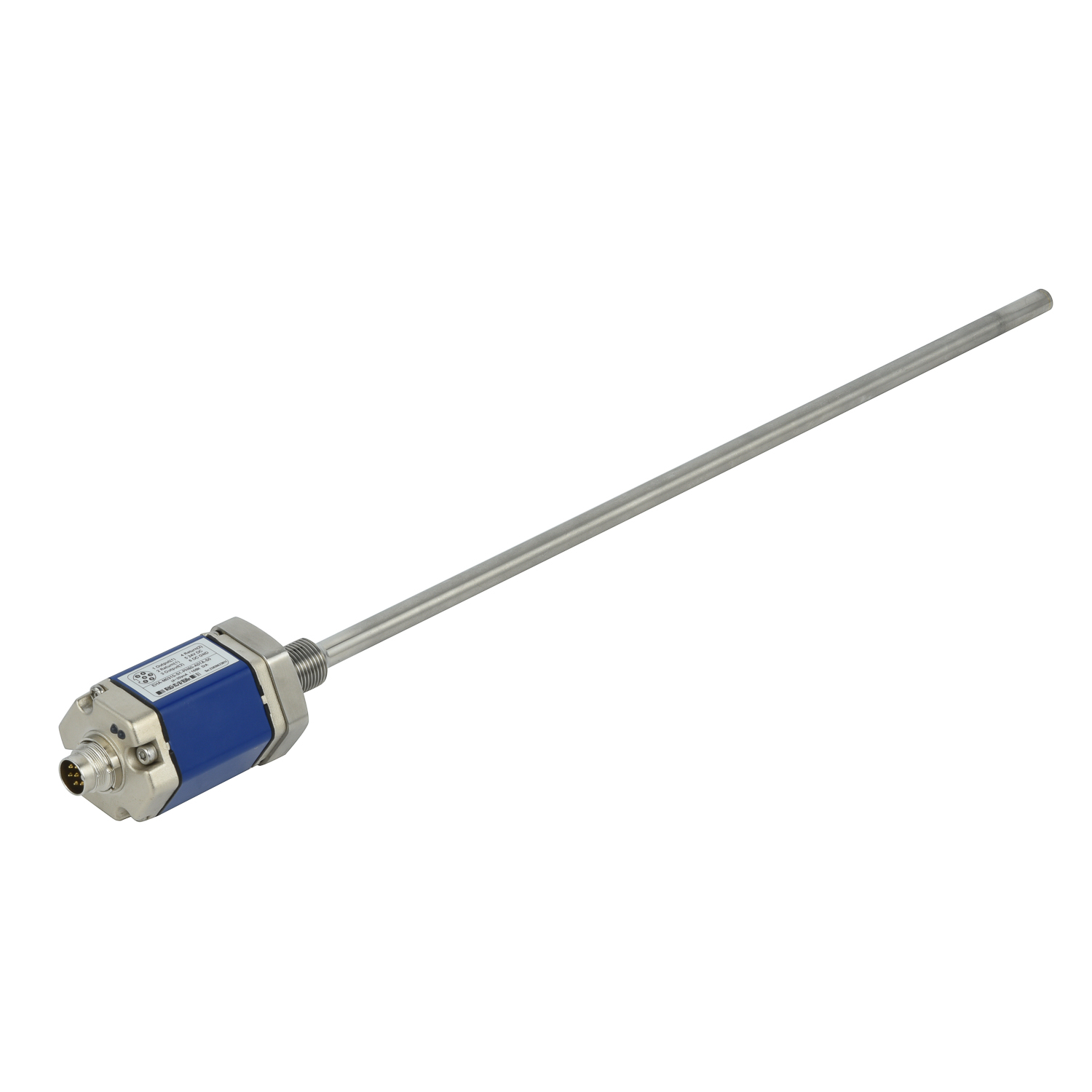 Sewage Treatment Waterproof Pr
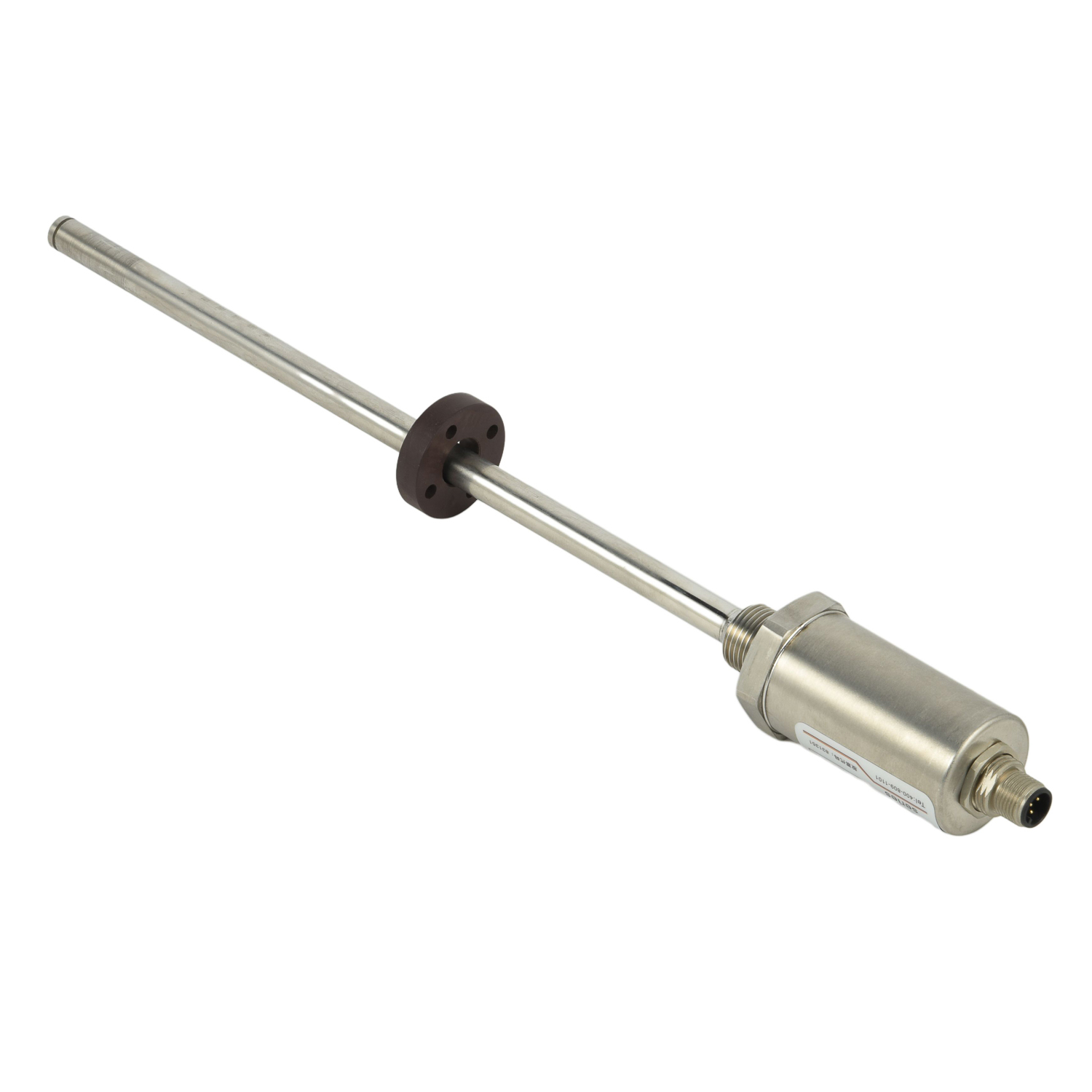 Chemical Industry High-pressur
 Mining High-temperature Pressu
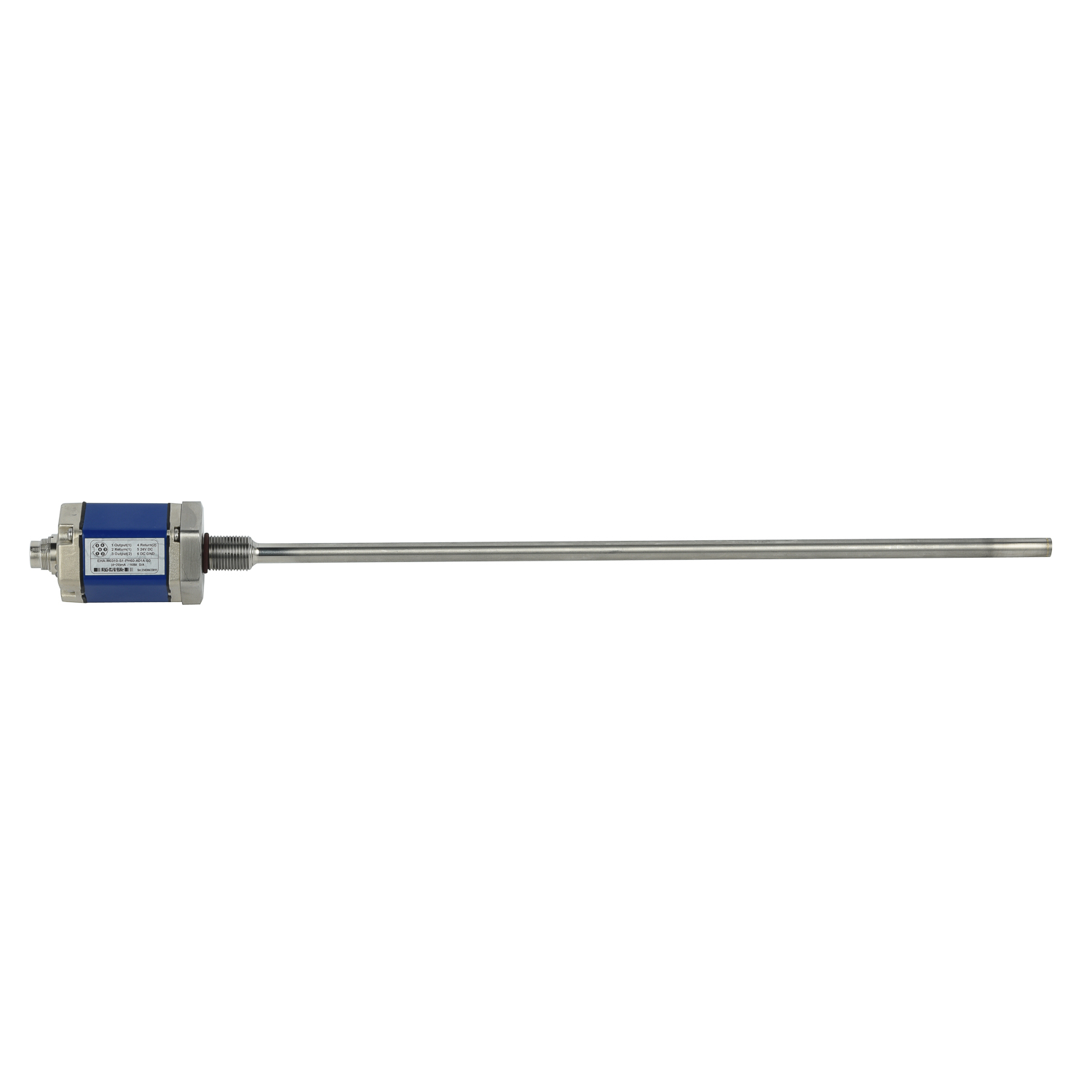 Metallurgy Explosion-proof Pre