
Injection Molding Die Casting Material Tank Turbine Flowmeter Field Application
In injection molding and die casting, stable material supply and temperature control depend on accurate fluid flow data. A turbine flowmeter is often installed in the material tank circuit to monitor hydraulic oil, cooling water, or release-agent lines. As fluid passes through the rotor, the turbine generates pulses proportional to flow rate. The controller converts these pulses into real-time flow values, helping operators detect blocked filters, pump wear, air pockets, and leakage before defects appear. In the field, the meter should be mounted in a straight pipe section with sufficient upstream and downstream clearance, and its rotor must remain clean. The preferred orientation keeps the pipe full and avoids trapped air. Filtration and regular calibration are essential because metal dust, scale, and viscous residue can reduce accuracy. A simple flow switch or alarm can be linked to the machine PLC for automatic shutdown when flow drops below the set point. Field data should also be logged for trend analysis and predictive maintenance. During injection molding, consistent coolant flow protects mold temperature and shortens cycle variation. In die casting, flow monitoring supports die cooling control and reduces thermal cracking. The turbine flowmeter offers a compact, cost-effective solution for material tank monitoring, but it suits clean, low-viscosity fluids better than dirty or pulsating streams. With correct installation and maintenance, it improves process repeatability, energy efficiency, and equipment reliability in demanding foundry and molding environments.
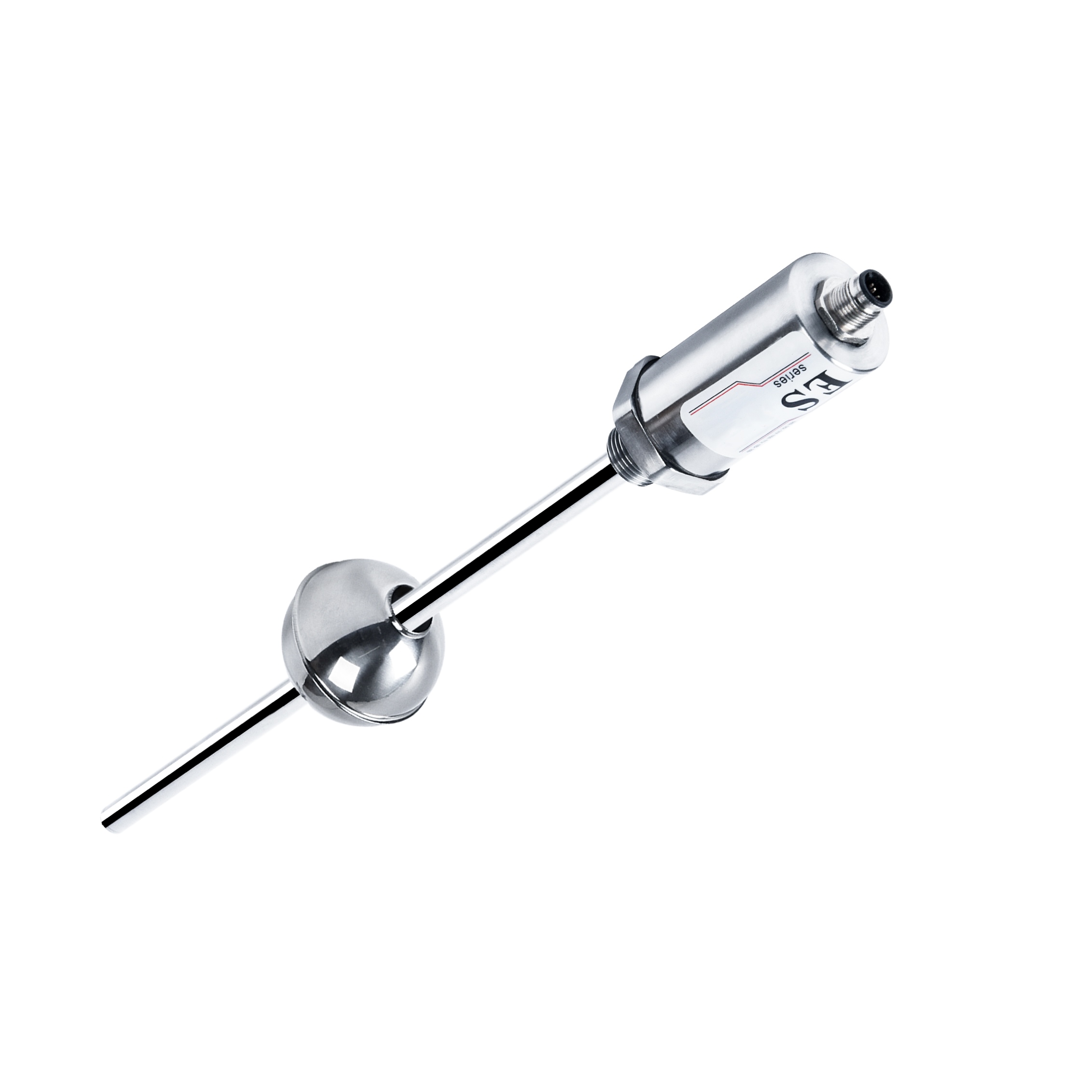
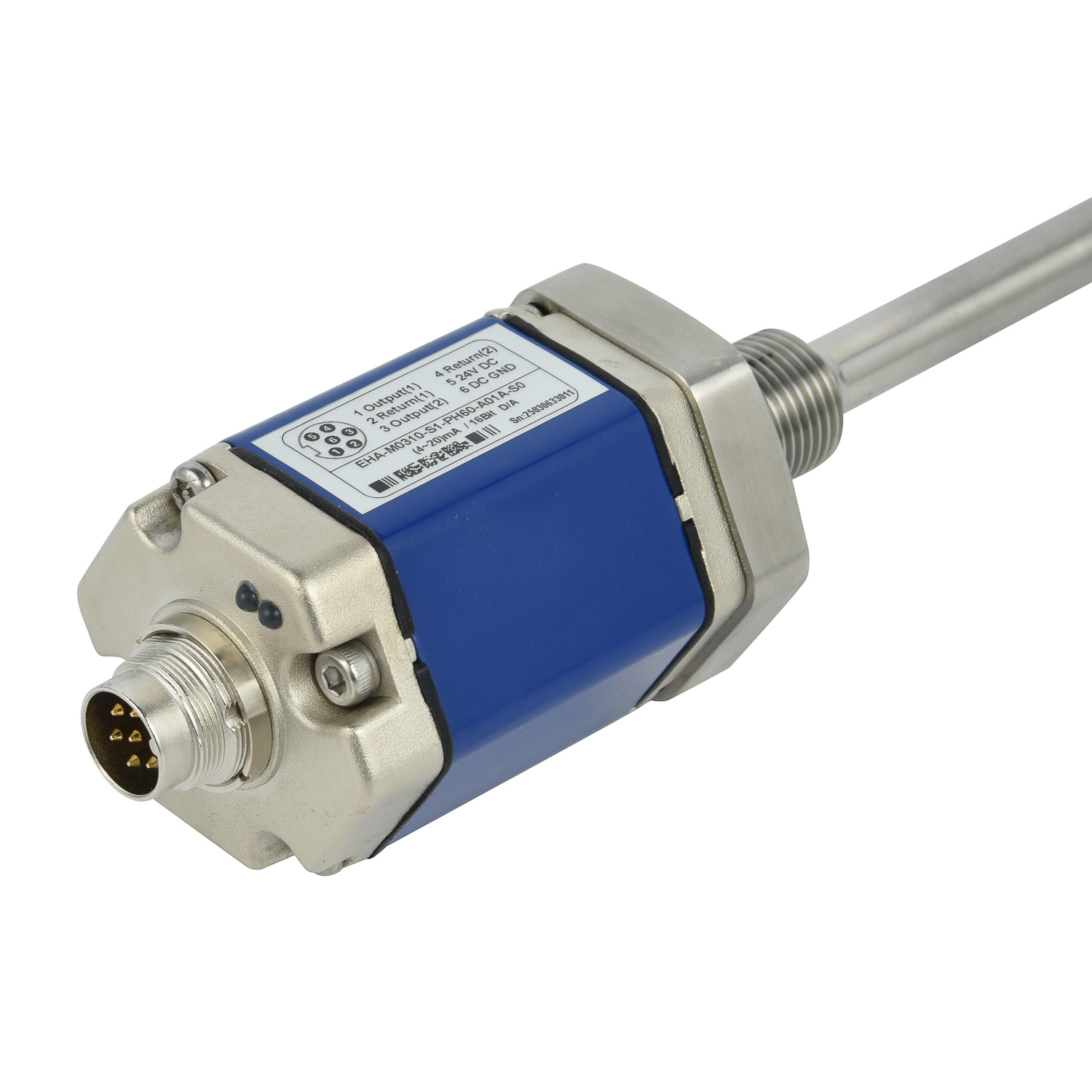 Sewage Treatment Waterproof Tu
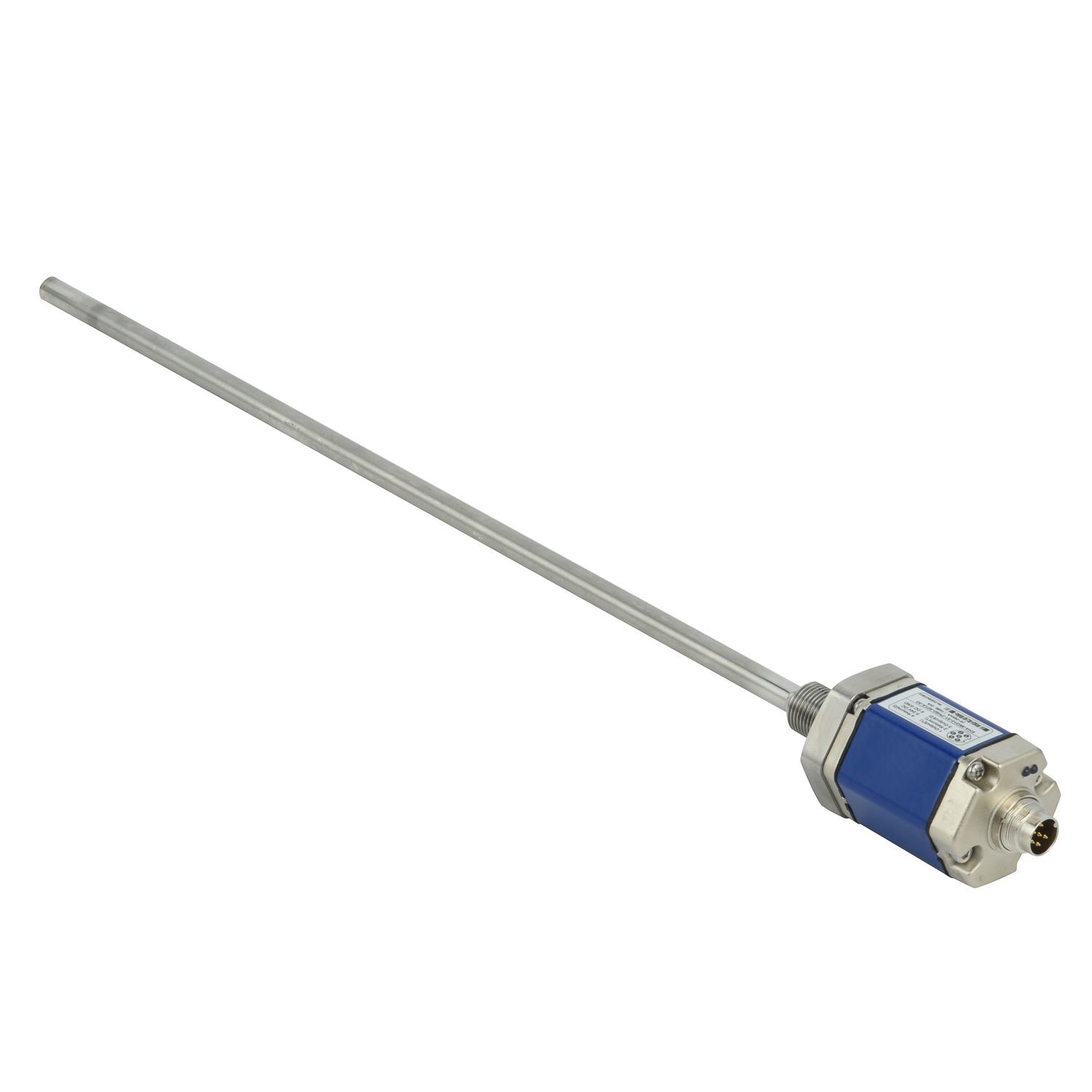 Chemical Industry High-pressur
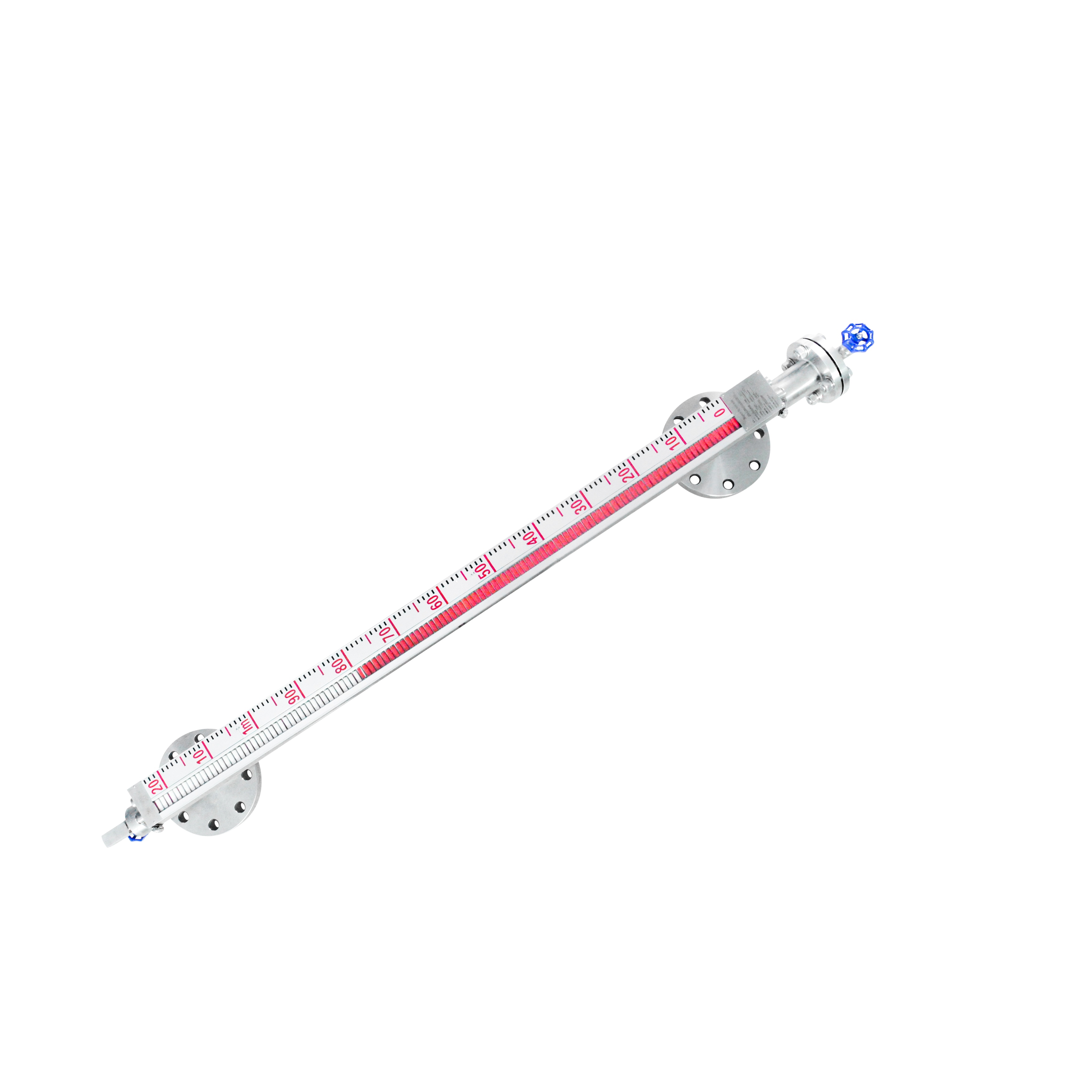 Mining High-temperature Turbin
 Metallurgy Explosion-proof Tur