
Sewage Treatment Waterproof Turbine Flowmeter Technical Parameters
In sewage treatment plants, stable flow measurement supports dosing, aeration, sludge transfer, and final discharge monitoring. A waterproof turbine flowmeter is built for wet, corrosive, and vibration-prone conditions, so it must be selected by clear technical parameters. Common line sizes range from DN15 to DN300, with flow range matched to pipe diameter and normal velocity. Accuracy is typically +/-0.5% for clean liquids and +/-1.0% for sewage with moderate suspended solids; repeatability is about +/-0.1%. Pressure ratings usually cover PN10 to PN40, or 1.0 to 4.0 MPa. The protection grade should be IP68 for submerged, washdown, or high-humidity areas. Wetted parts are often 304 or 316L stainless steel, with optional PTFE or ceramic bearings for corrosion and wear resistance. Medium temperature is commonly -20 degC to 120 degC, and ambient temperature is -20 degC to 60 degC. Output options include 4-20 mA, pulse, RS485/Modbus, and HART. Power supply is 24 VDC or 220 VAC. The local display can show instantaneous and cumulative flow. Installation needs straight pipe sections, generally 10D upstream and 5D downstream, and the pipe must remain full. For sewage service, anti-clogging rotor design, regular cleaning, and periodic calibration are important. Optional battery-powered and explosion-proof versions are available for remote or hazardous zones. Flange standards can be DIN, ANSI, or JIS, and cable length should suit the installation. These parameters help engineers choose a durable waterproof turbine flowmeter for process control and environmental compliance.
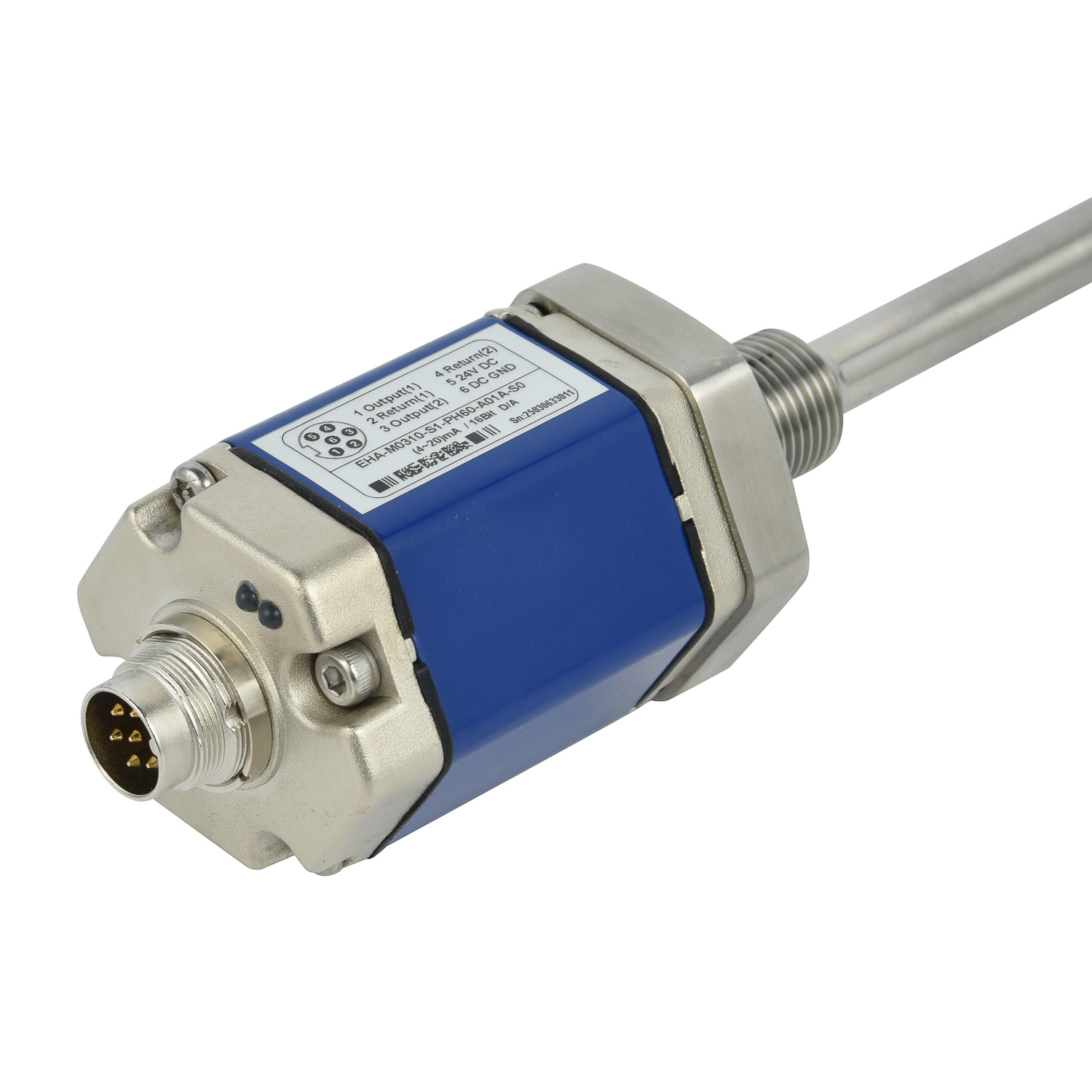 Sewage Treatment Waterproof Tu
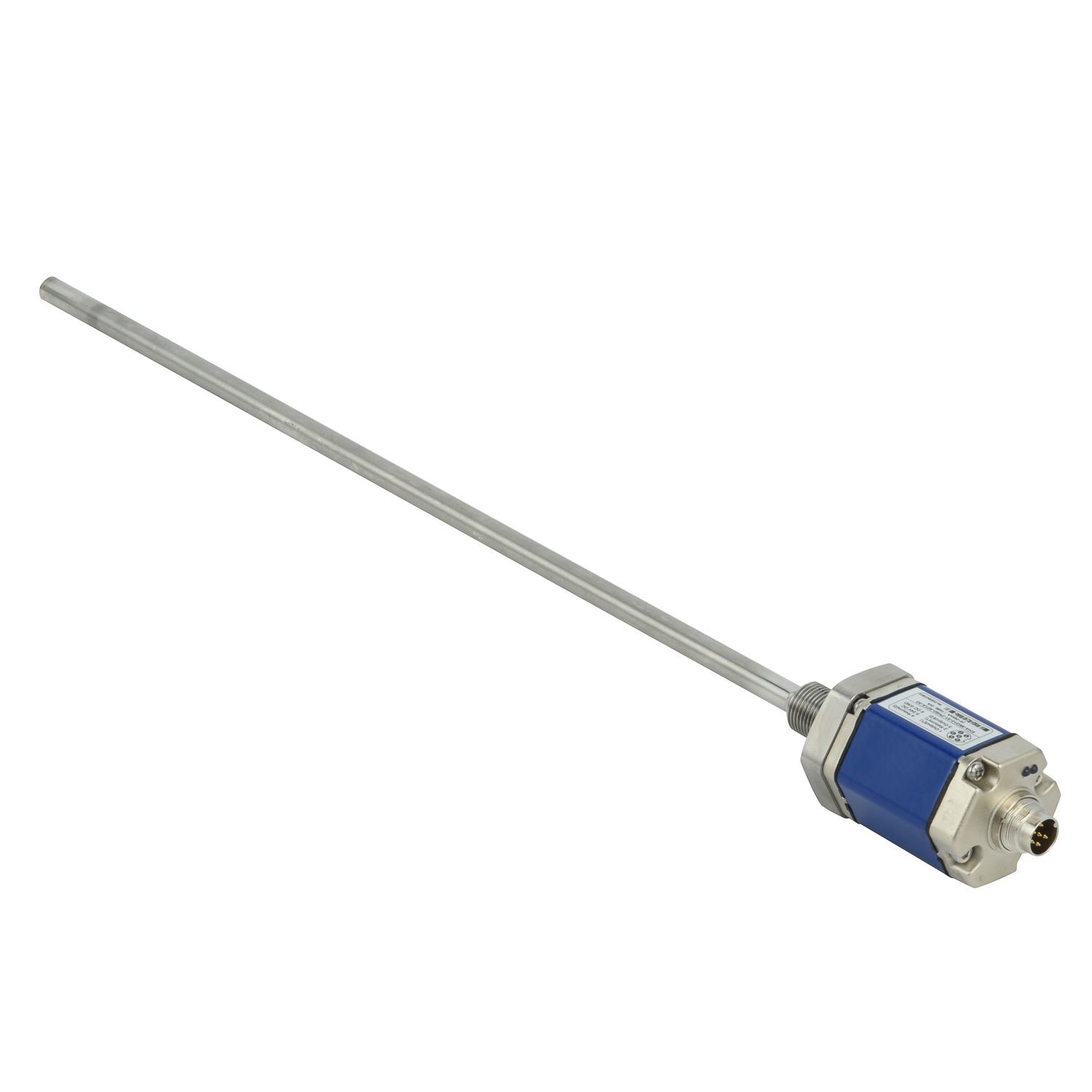 Chemical Industry High-pressur
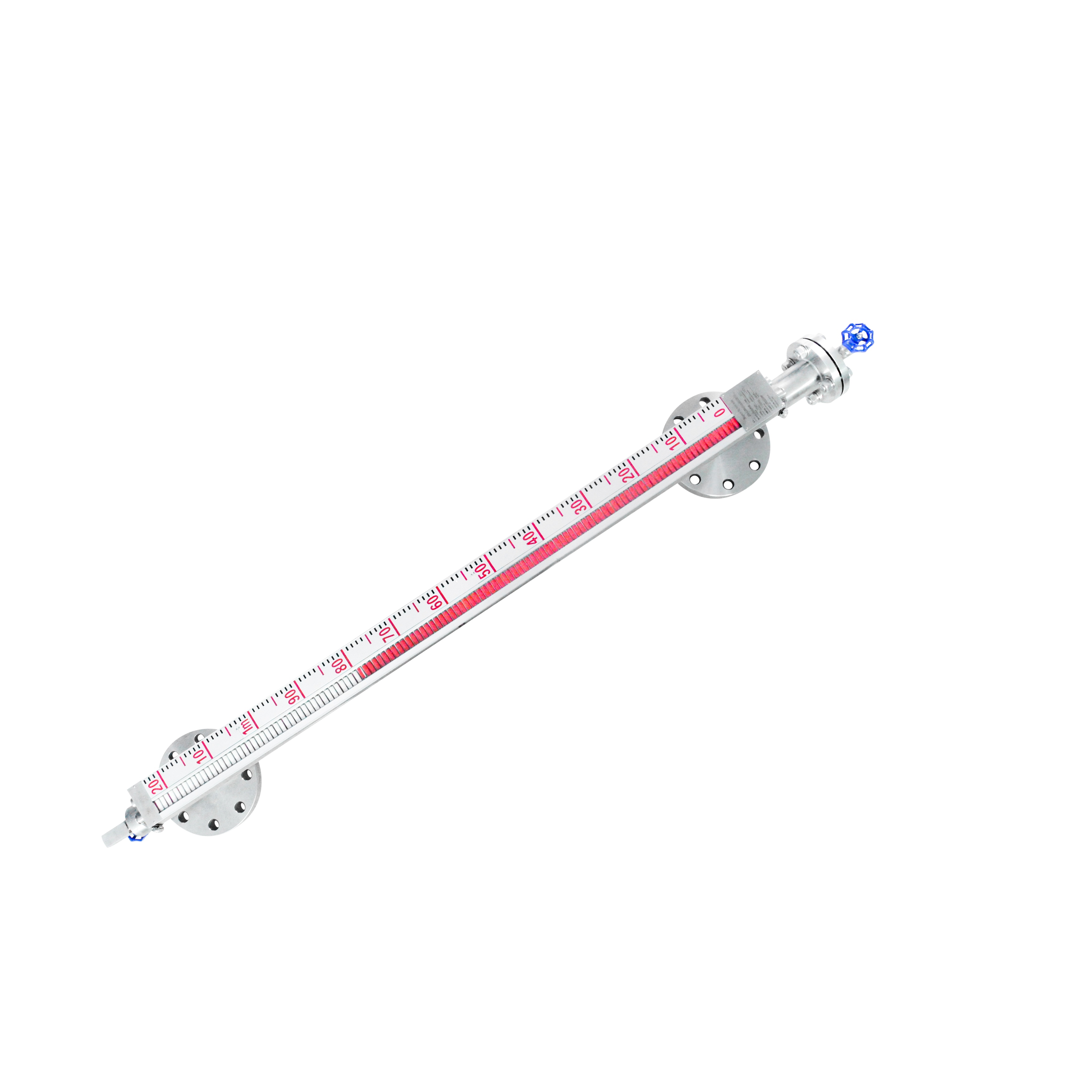 Mining High-temperature Turbin
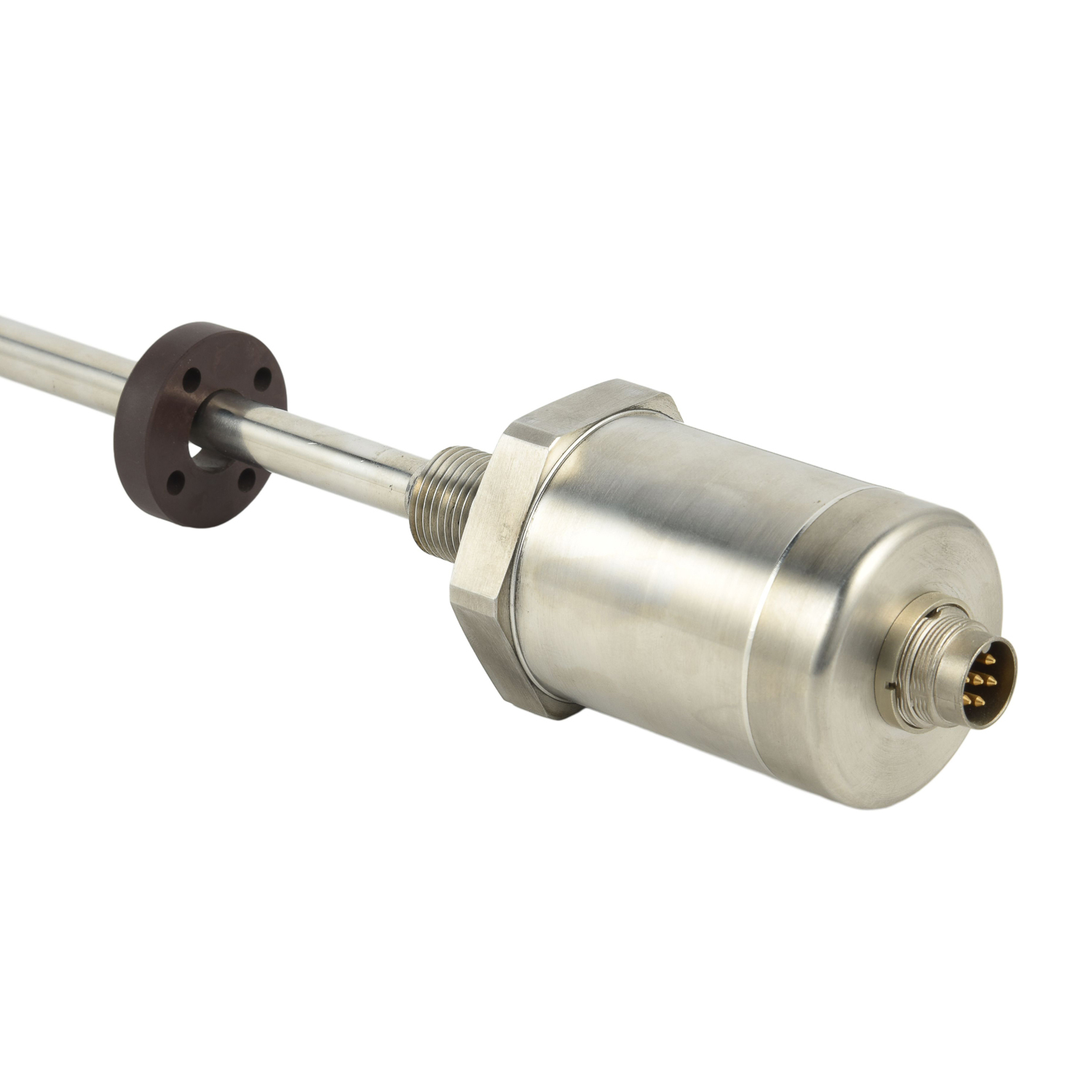 Metallurgy Explosion-proof Tur