
Power Plant Corrosion-resistant Radar Sensor Price
Power plant corrosion-resistant radar sensors are specialized instruments used for reliable level, position, and distance measurement in harsh environments. Their price varies widely because buyers are not only paying for radar technology; they are also investing in materials, sealing, certification, and long-term reliability. A basic corrosion-resistant radar sensor may cost several hundred dollars, while advanced models designed for high temperature, high pressure, dust, steam, or explosive atmospheres can reach several thousand dollars per unit.
Several factors shape the final price. The operating frequency and measurement range affect antenna design and signal processing. Wetted parts made from PTFE, PVDF, stainless steel, or specialized alloys increase cost but extend service life. IP68 or explosion-proof enclosures, HART or Modbus outputs, and power plant-specific certifications also add value. Brand, calibration, lead time, warranty, and after-sales support can influence quotations as much as hardware specifications.
For power plants, the lowest purchase price is not always the best choice. Corrosion-related failures can cause downtime, maintenance labor, and safety risks. Buyers should compare total cost of ownership, including installation, calibration, spare parts, and expected service life. Request detailed datasheets, material certificates, and application references before ordering. A well-matched corrosion-resistant radar sensor protects performance and budget over the full operating cycle.
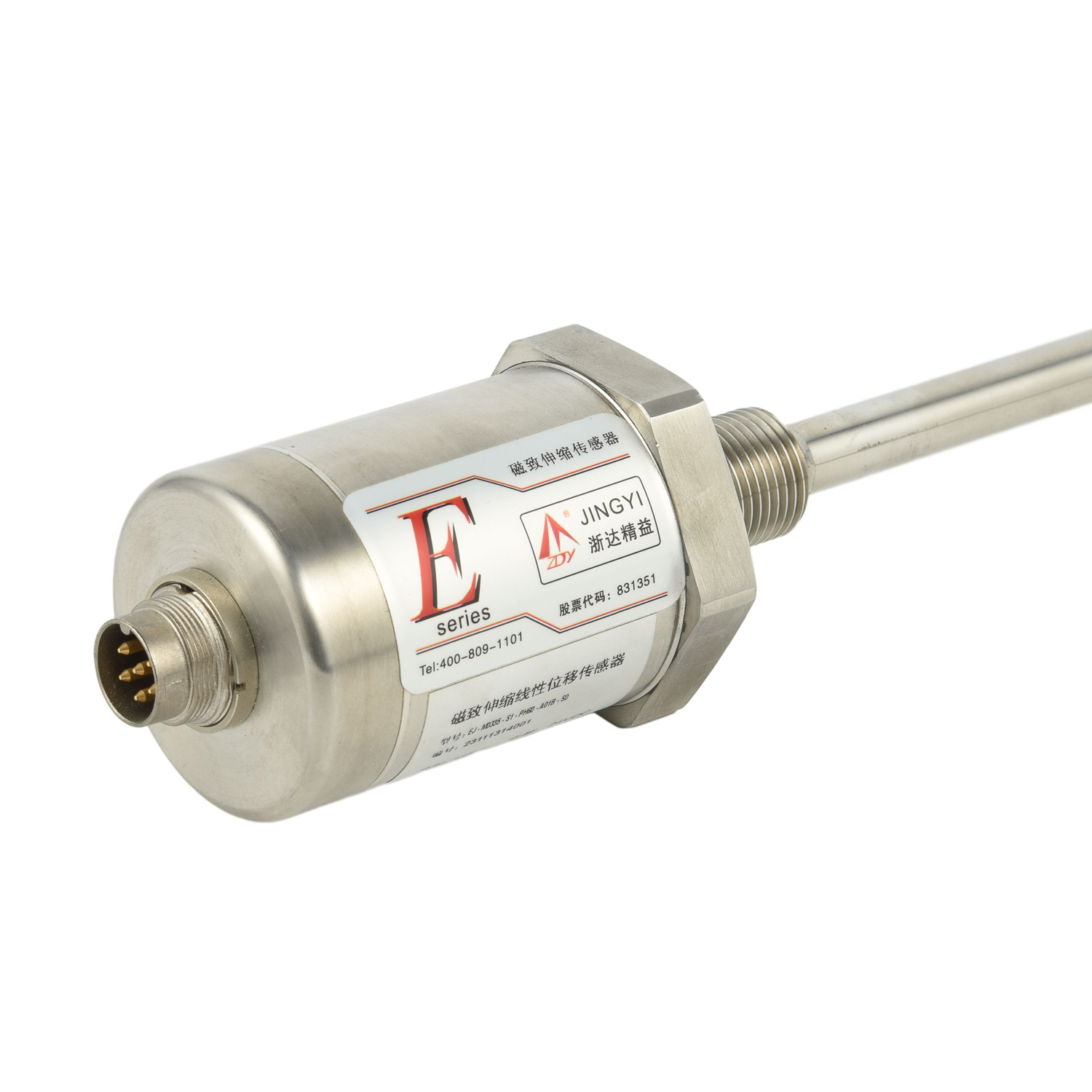
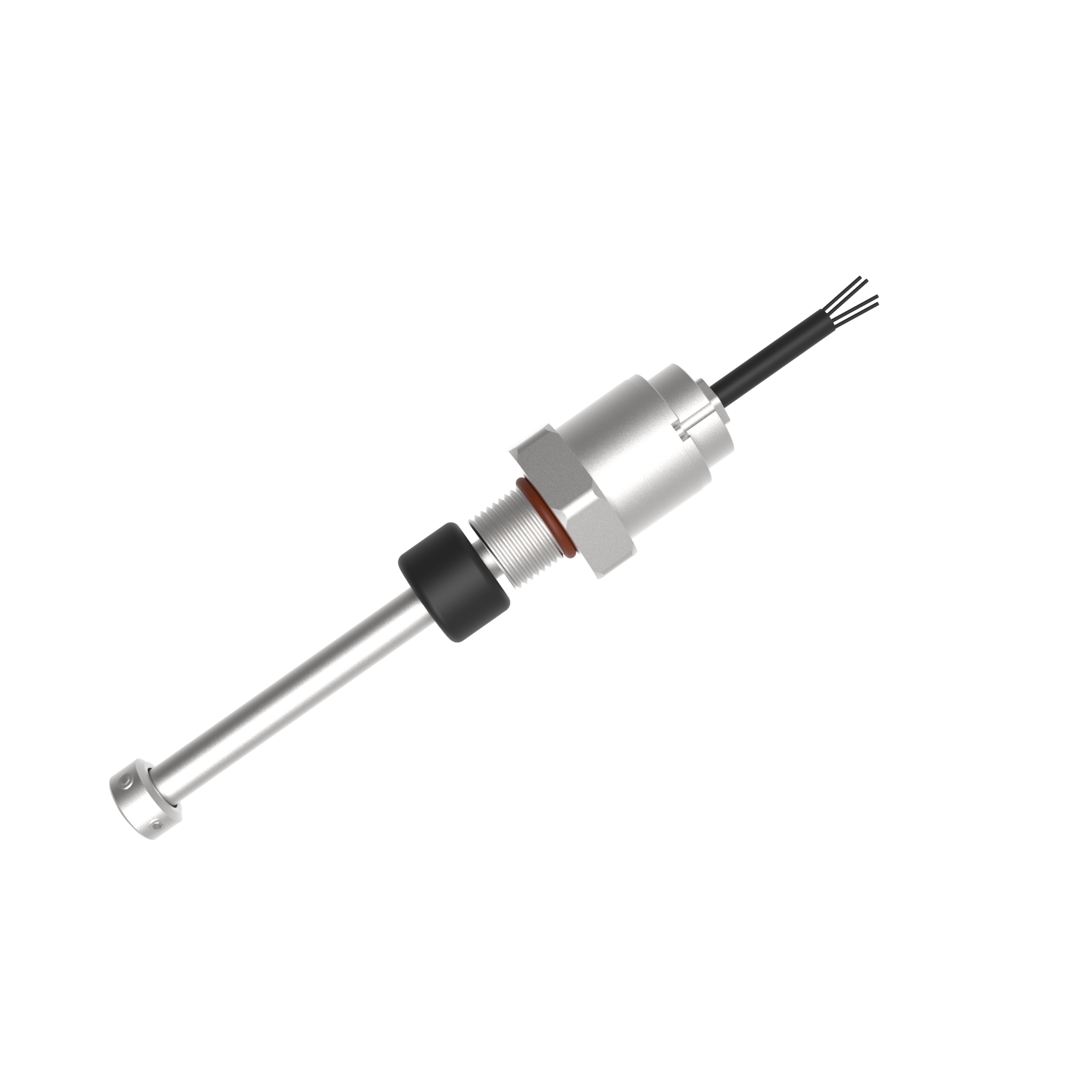 Mixing Station Material Tank E
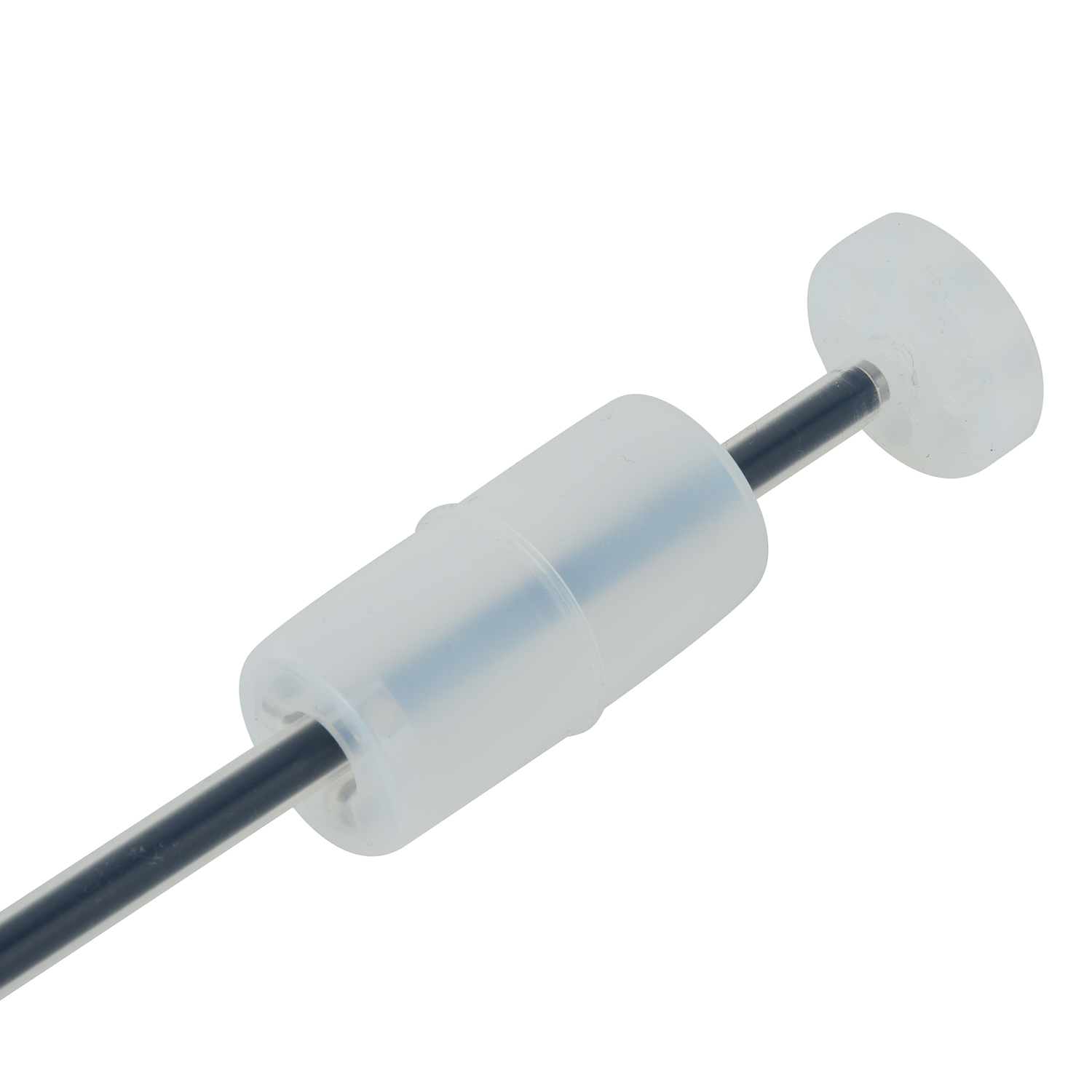 Grain and Oil Storage Tank Rod
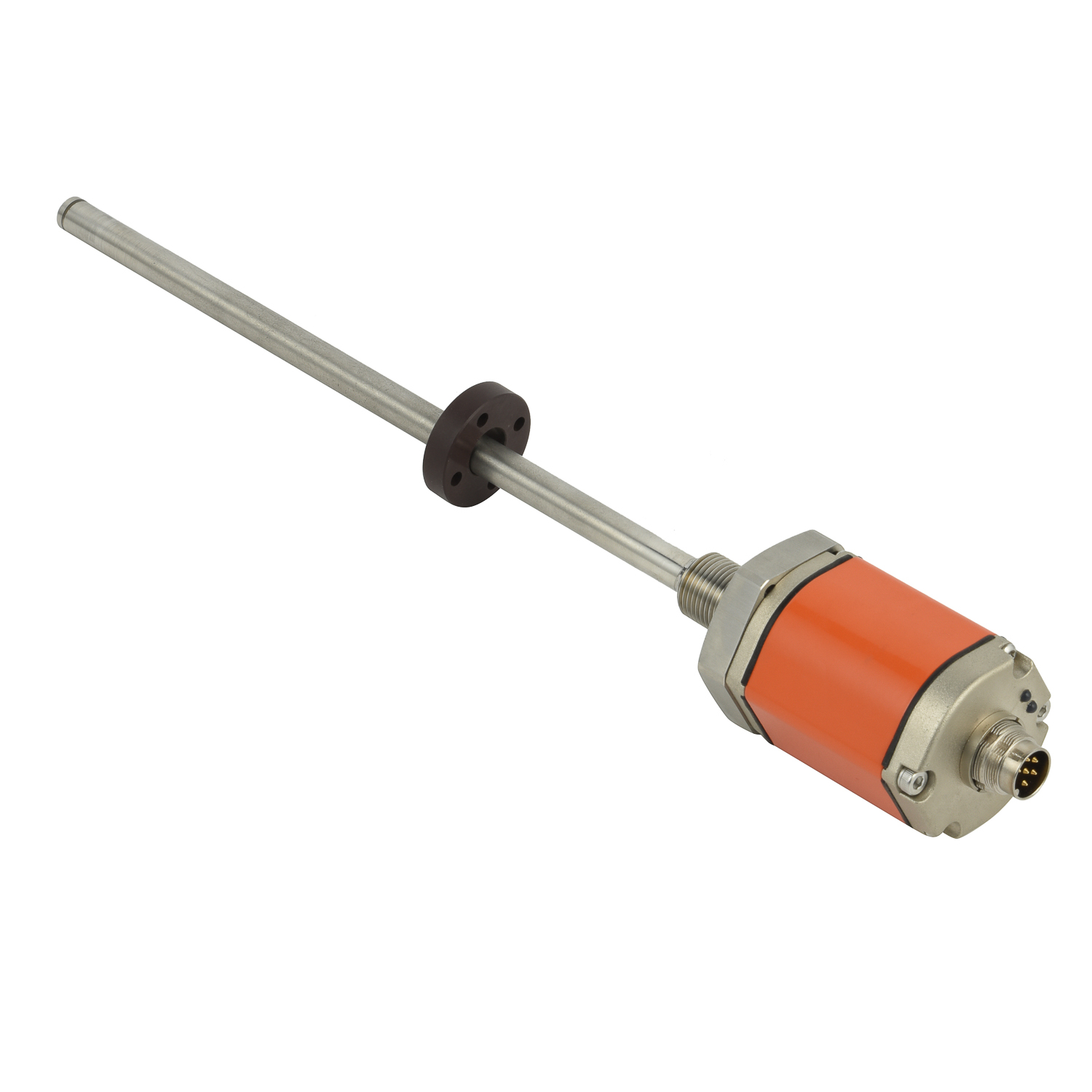 Power Plant Storage Tank Flang
 Port Hoist Intrinsically Safe