
Hoist Intrinsically Safe Explosion-proof Radar Sensor Working Principle
Hoist intrinsically safe explosion-proof radar sensors use low-power FMCW radar to measure distance and detect obstacles in hazardous lifting environments. A microwave module transmits a continuous frequency-modulated signal. When the signal meets the hoist load, ropes, walls, or personnel, part of it reflects back. The receiver mixes the echo with the transmitted signal to produce an intermediate-frequency beat signal. The beat frequency is proportional to target distance, while frequency shift reveals relative speed and direction. The intrinsic safety design limits voltage, current, capacitance, and energy so that sparks or hot surfaces cannot ignite explosive gases or dust. An explosion-proof housing provides a second barrier, sealing electronics against water, dust, and impact. Certified barriers and isolated power supplies keep all circuits within safe energy levels. The sensor uses low-power microwave components and intelligent filtering to maintain accurate readings despite vibration, metal reflections, and electromagnetic noise. The radar processor applies threshold detection and tracking algorithms to distinguish true targets from background clutter, ensuring stable output during hoist acceleration and braking. In hoist systems, the sensor continuously scans the lifting path and sends distance data to the controller. The controller calculates safe zones, warns operators, slows the hoist, or stops movement before a collision. Because radar penetrates fog, dust, and darkness, it supports reliable anti-collision and positioning in cranes, mine hoists, and industrial lifting equipment.
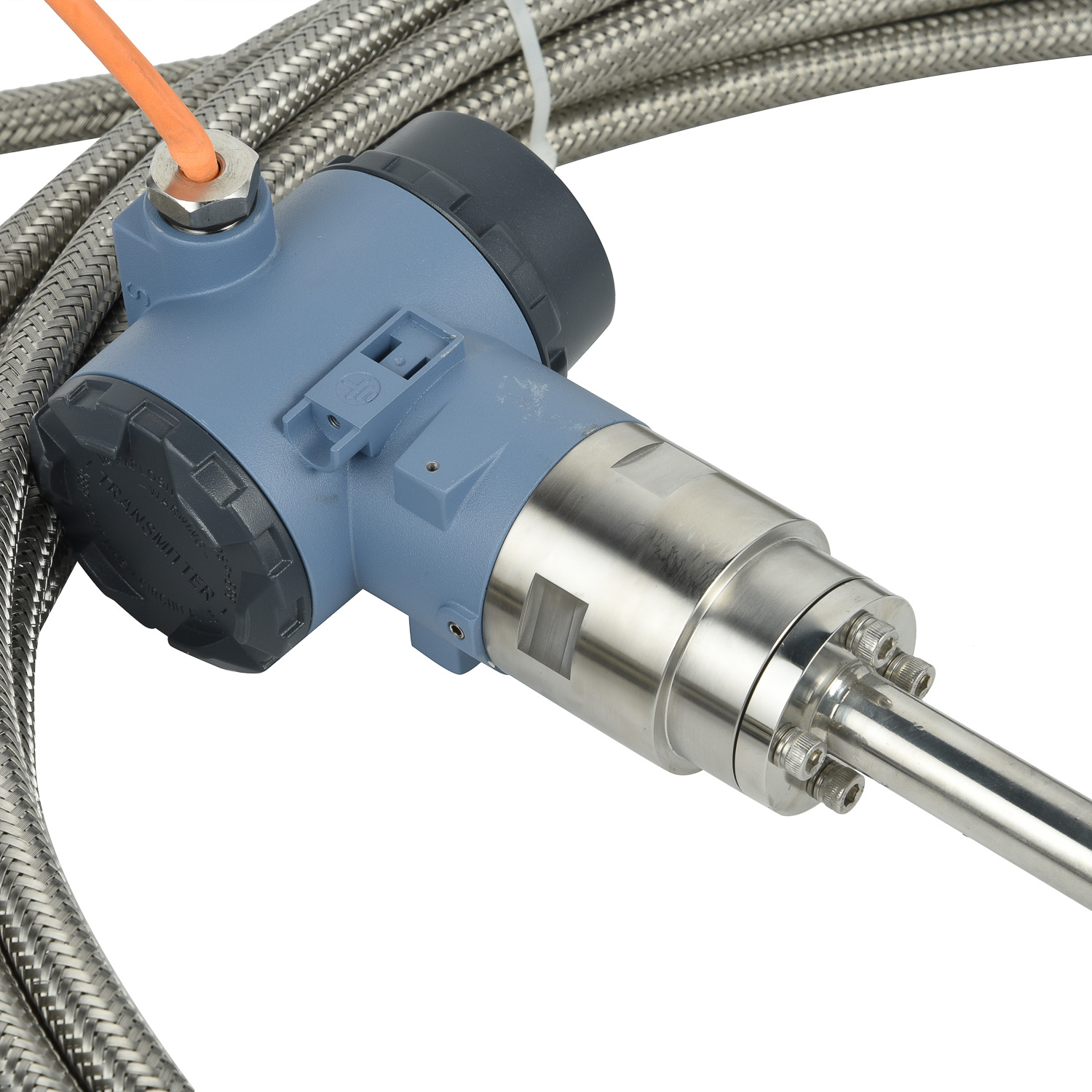
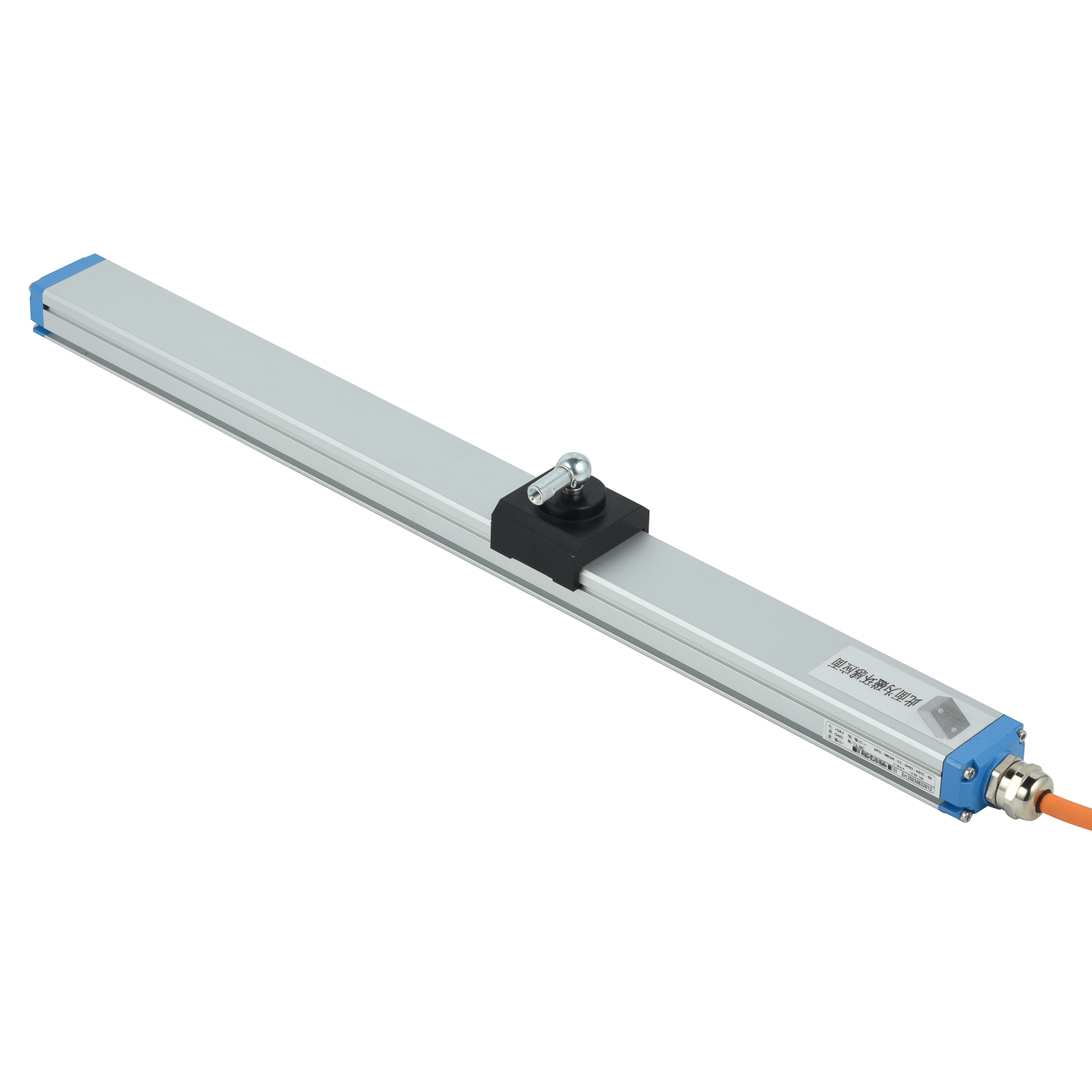 Chemical Storage Tank Explosio
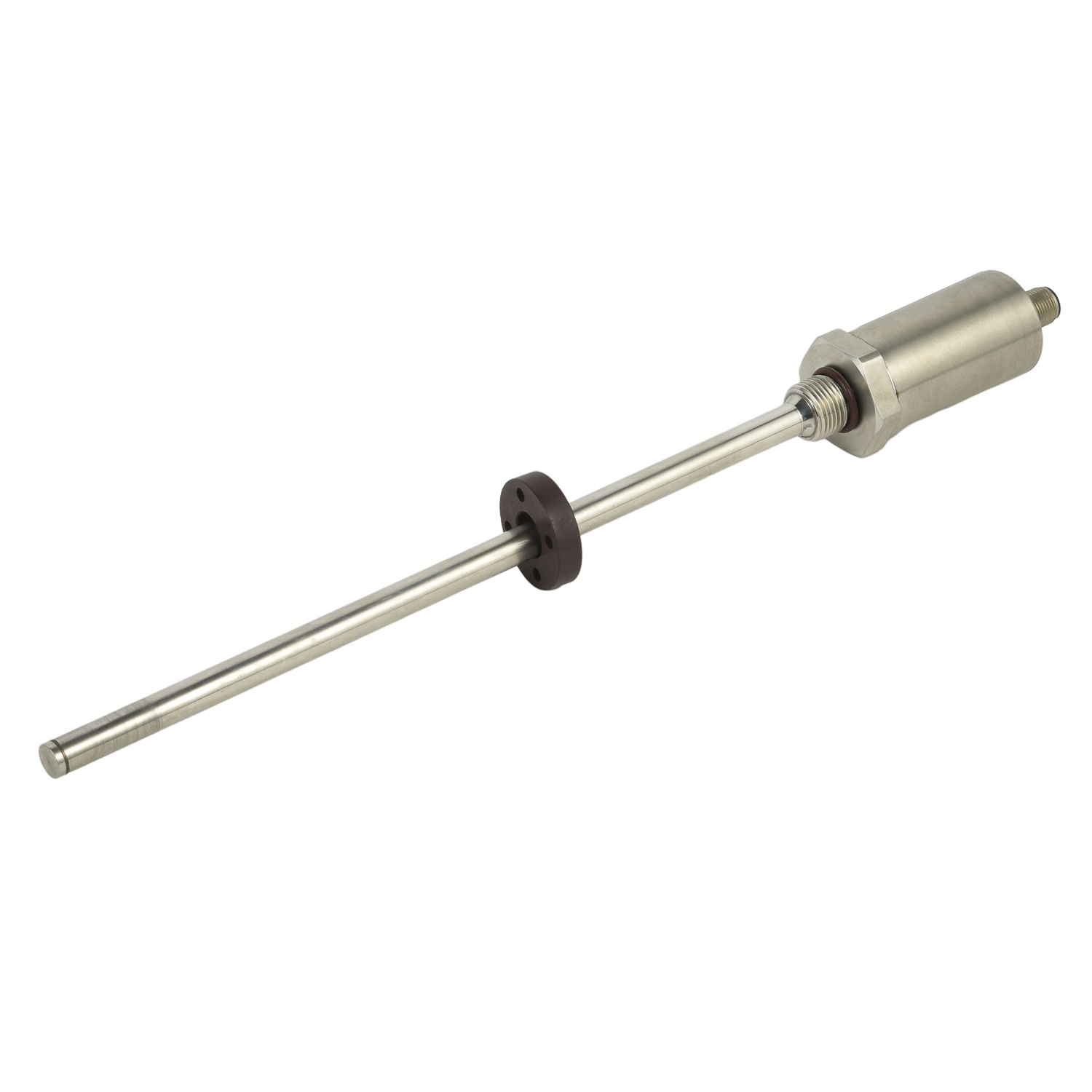 Shield Tunneling Storage Tank
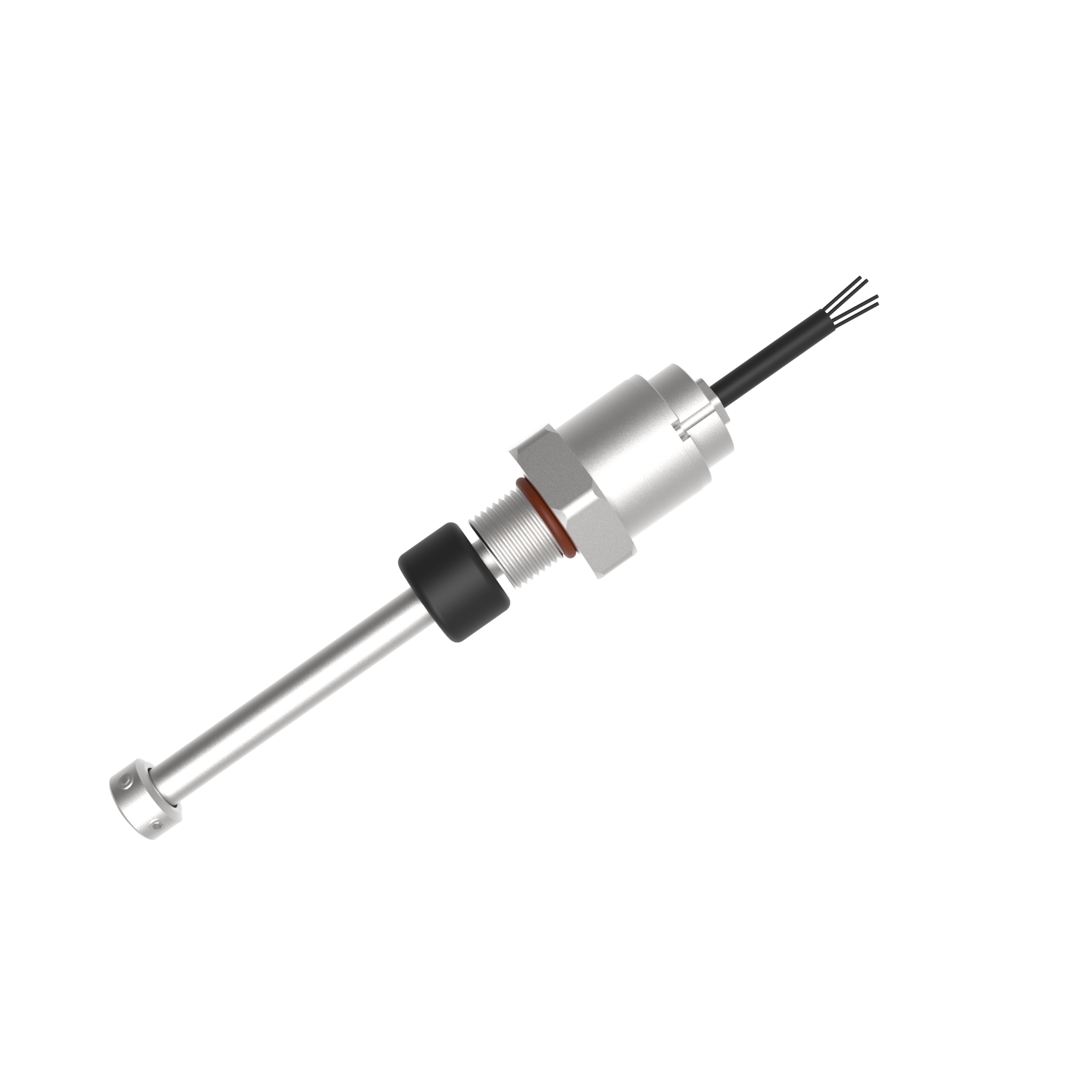 Mixing Station Material Tank E
 Grain and Oil Storage Tank Rod