
Reaction Kettle High-pressure Radar Sensor Selection
Selecting a high-pressure radar sensor for a reaction kettle requires matching the instrument to process conditions and vessel geometry. First, confirm the maximum working pressure and temperature, including cleaning, sterilization, and upset conditions, because seals, antenna materials, and electronics must handle peaks, not only normal operation. Check the reaction mixture's dielectric constant and tendency to foam; low-dielectric or foaming media may require guided-wave radar, a larger antenna, or a stilling well. Evaluate chemical compatibility between wetted parts and solvents, acids, bases, or slurries, and choose PTFE, PFA, or corrosion-resistant alloy wetted materials as needed. Nozzle location should avoid agitator blades, inlet streams, and vapor pockets. Use the narrowest practical beam angle for tall kettles, and keep antenna clear of the fill stream. A bypass chamber can improve signal stability under turbulence, condensation, or heavy vapor. For high-pressure reactors, select a sealed antenna and certified flange that meets vessel design codes. Check that the flange rating and process connection match the reactor's pressure class. Verify accuracy, measuring range, beam angle, output signals, and hazardous-area approvals. Finally, plan maintenance access, self-diagnostics, and factory calibration. Document calibration and material certificates. A well-selected radar sensor improves level reliability, reduces downtime, and supports safer high-pressure reaction control.
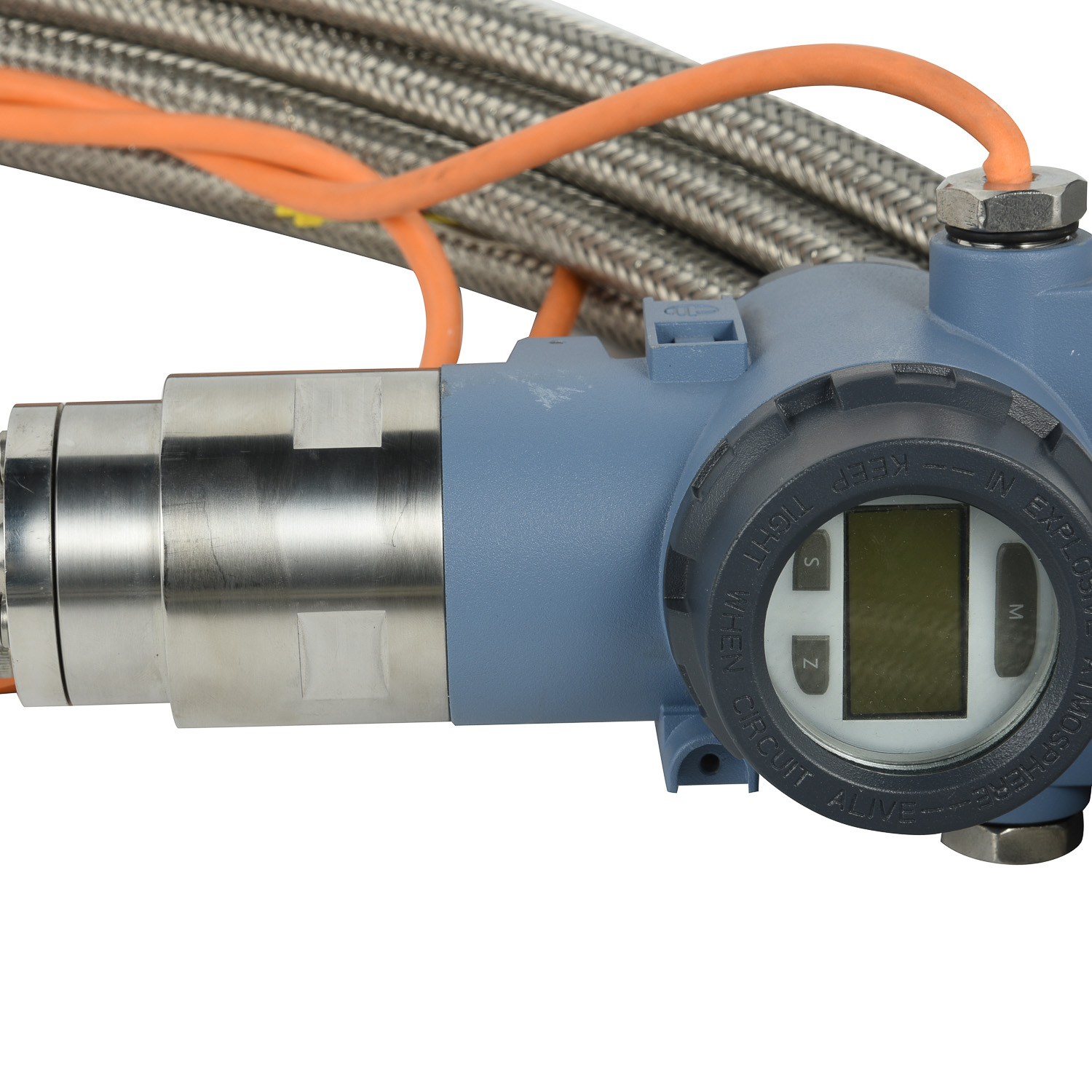
 Chemical Storage Tank Explosio
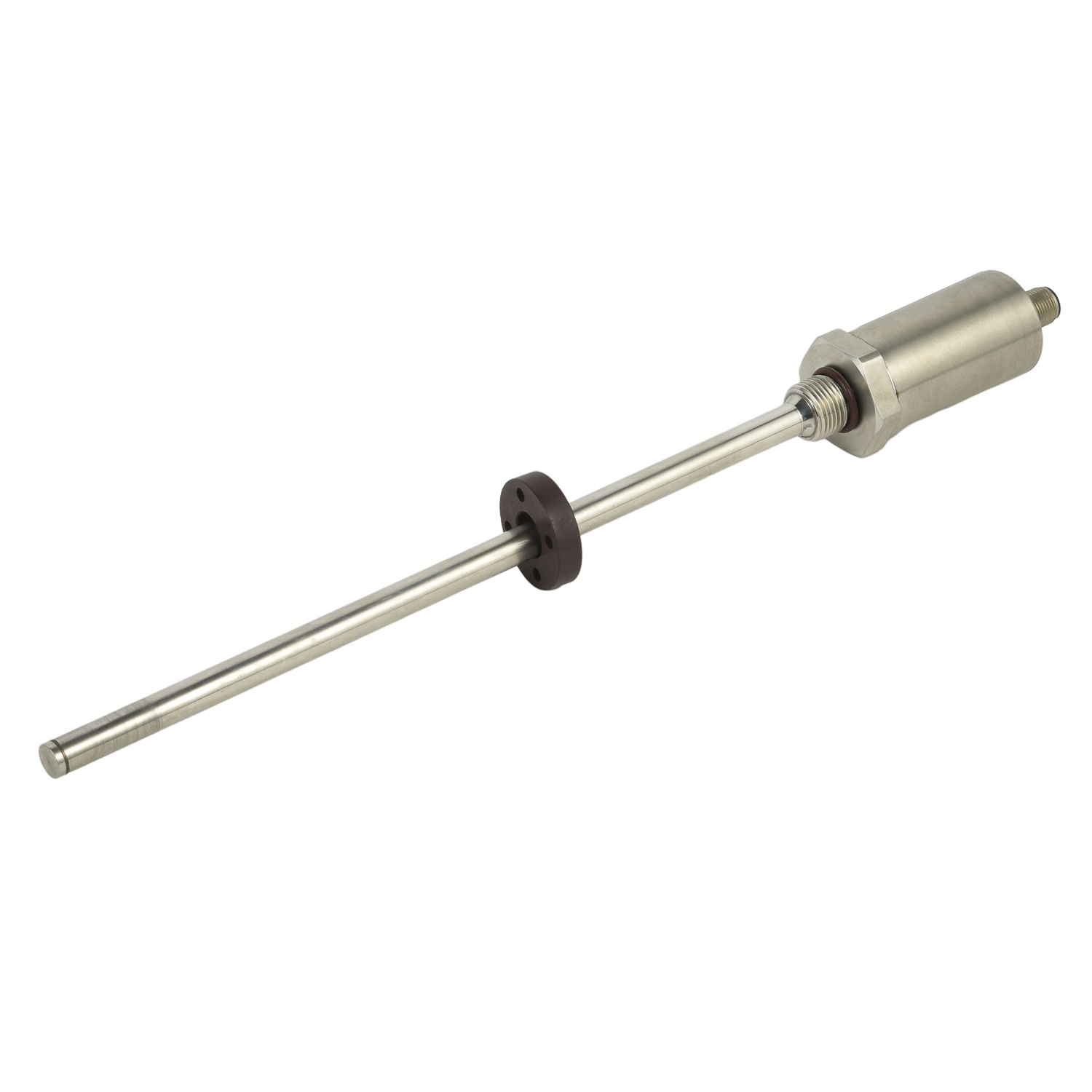 Shield Tunneling Storage Tank
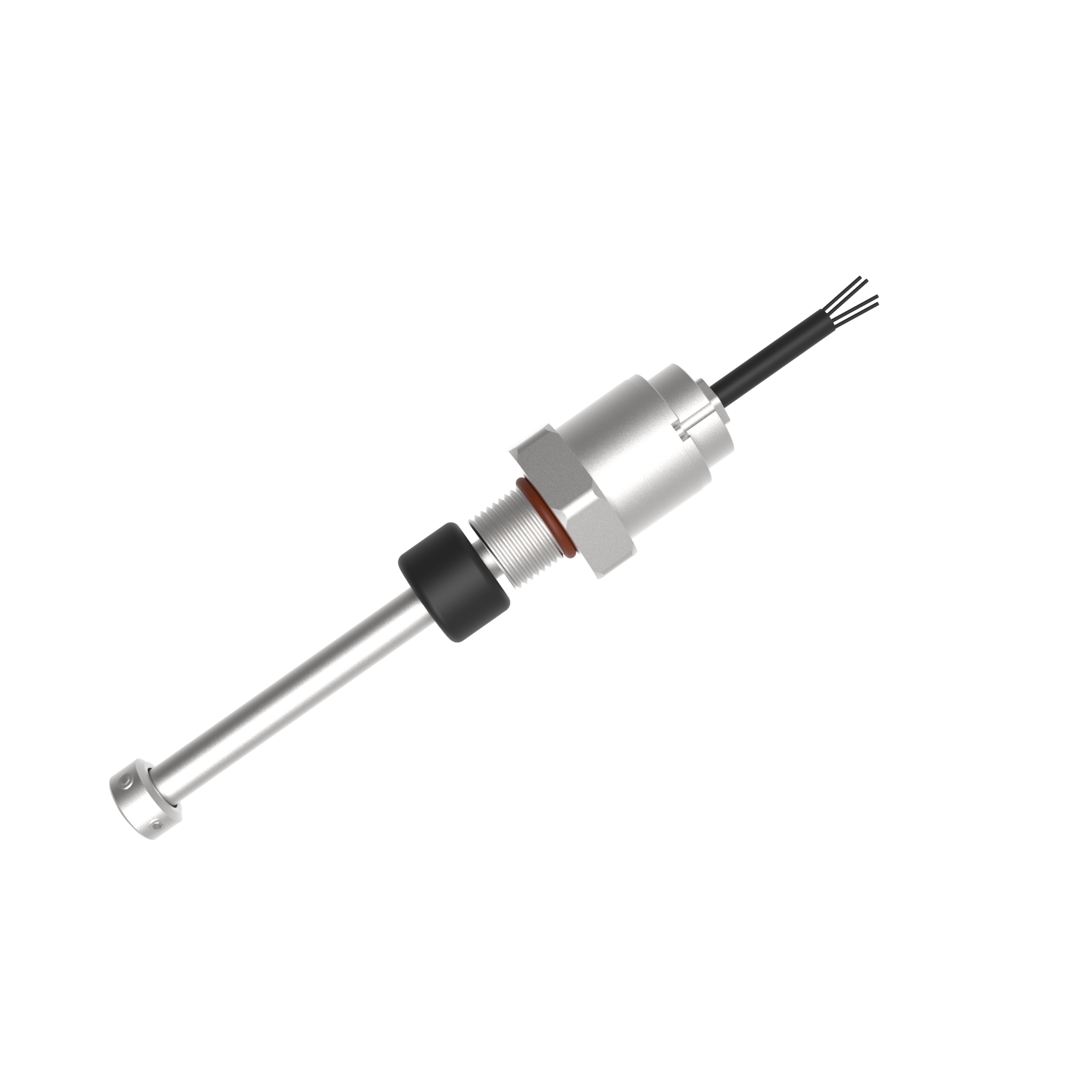 Mixing Station Material Tank E
 Grain and Oil Storage Tank Rod