
Mining High-temperature Radar Sensor Selection
Selecting a high-temperature radar sensor for mining operations requires more than comparing measurement ranges. The sensor must survive heat, dust, vibration, moisture, and electromagnetic interference while delivering reliable level or position data. First, confirm the maximum ambient and process temperatures. Choose a sensor with a safe margin above normal operating conditions, and verify whether passive cooling, air purging, or a protective housing is needed. Second, review the radar frequency and beam angle. A narrow beam can reduce false echoes in deep silos or crusher chambers, while a wider beam may suit short-range stockpile measurement. Third, check enclosure ratings and materials. IP66 or higher protection, corrosion-resistant housings, and sealed connectors are essential in wet, dusty mines. Fourth, evaluate signal processing for dust and steam. Advanced filtering and false-echo suppression improve stability when conditions change. Fifth, confirm power supply, communication protocols, and integration with PLC or SCADA systems. Sixth, verify certifications for explosive atmospheres or high-risk zones if required. Finally, plan installation, cleaning, and calibration access. A well-selected sensor reduces downtime, improves safety, and supports continuous production in demanding mining environments. Document calibration intervals, spare parts availability, and remote diagnostics to minimize maintenance time and prevent unplanned stoppages. Clear training also extends service life.
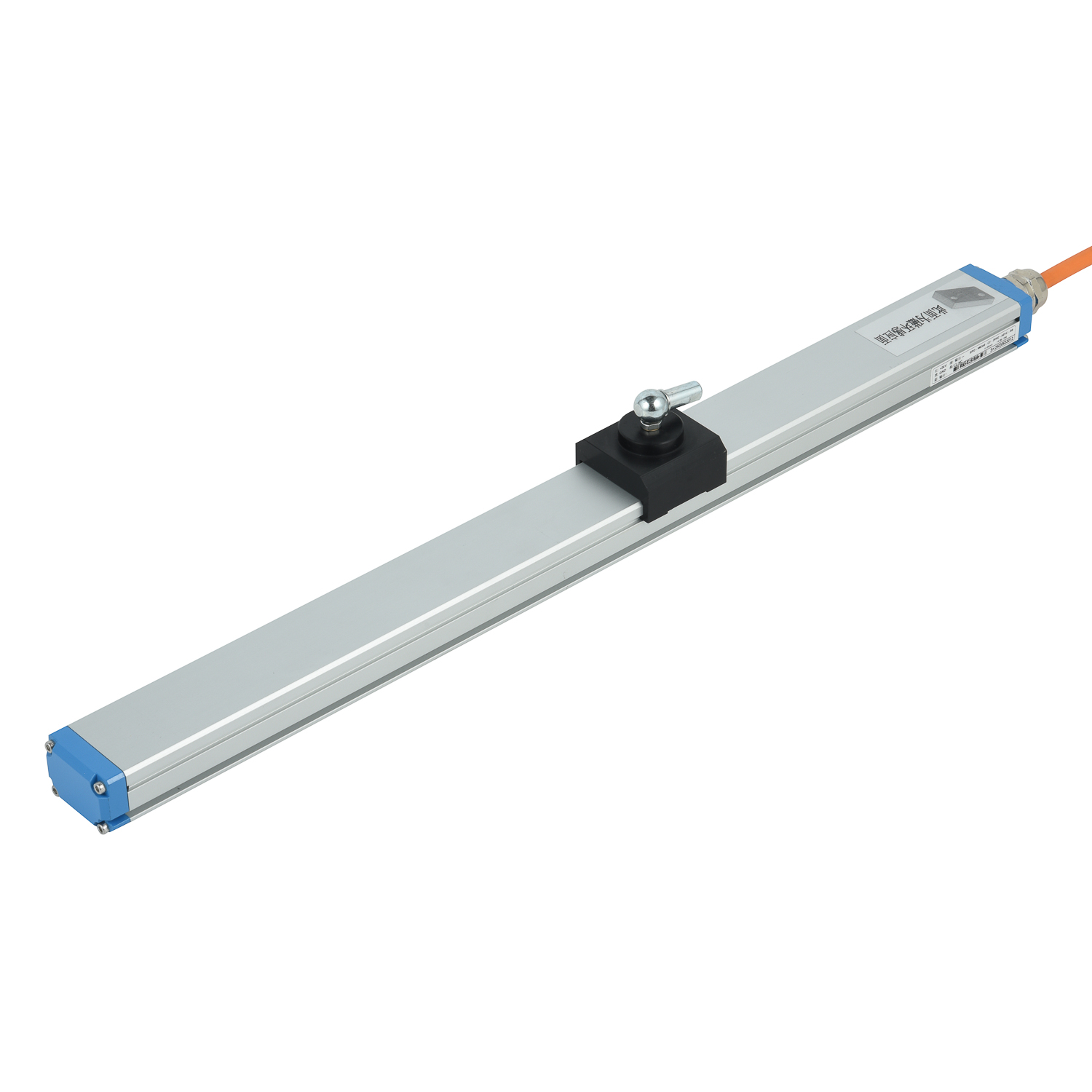
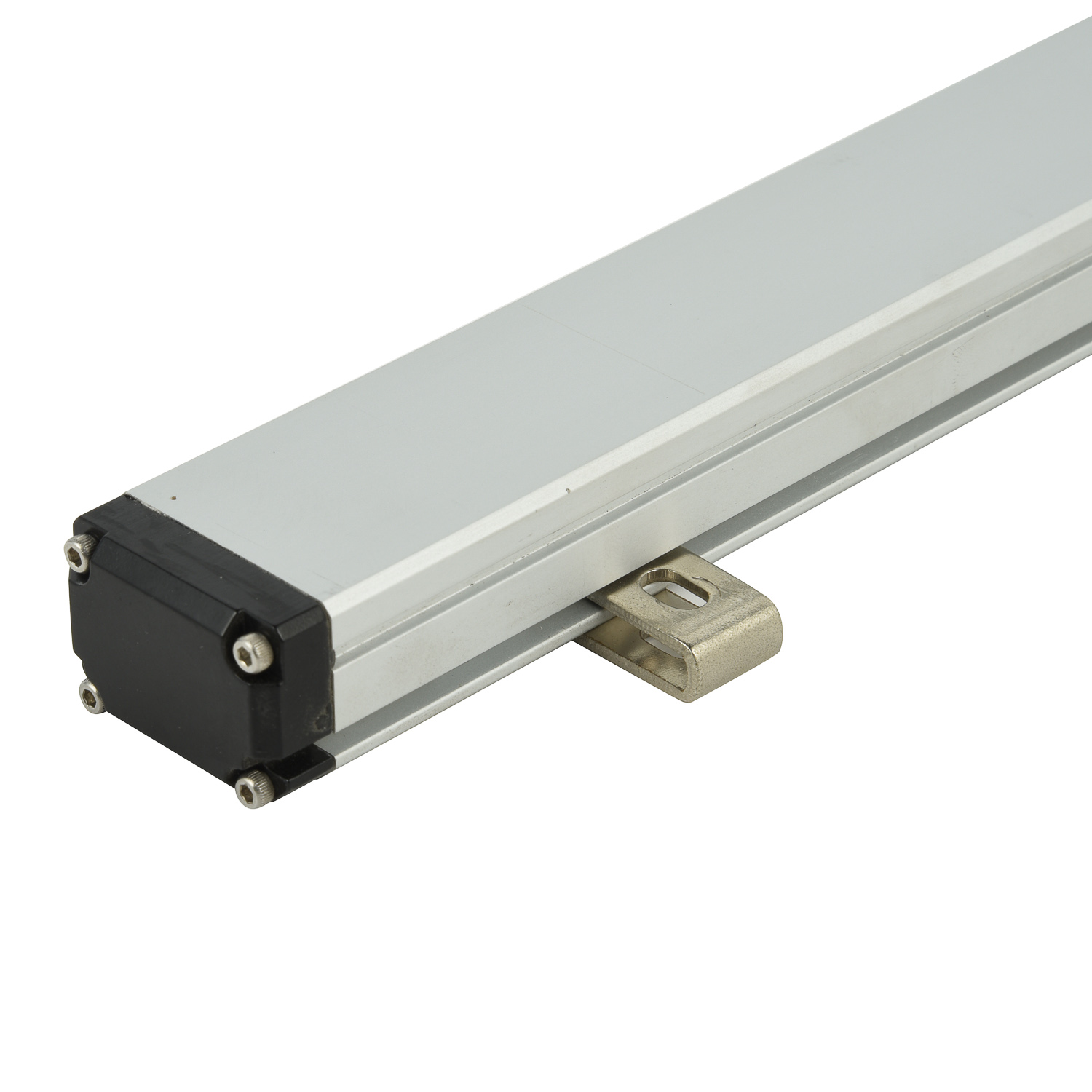 Mixing Station Flange-mounted
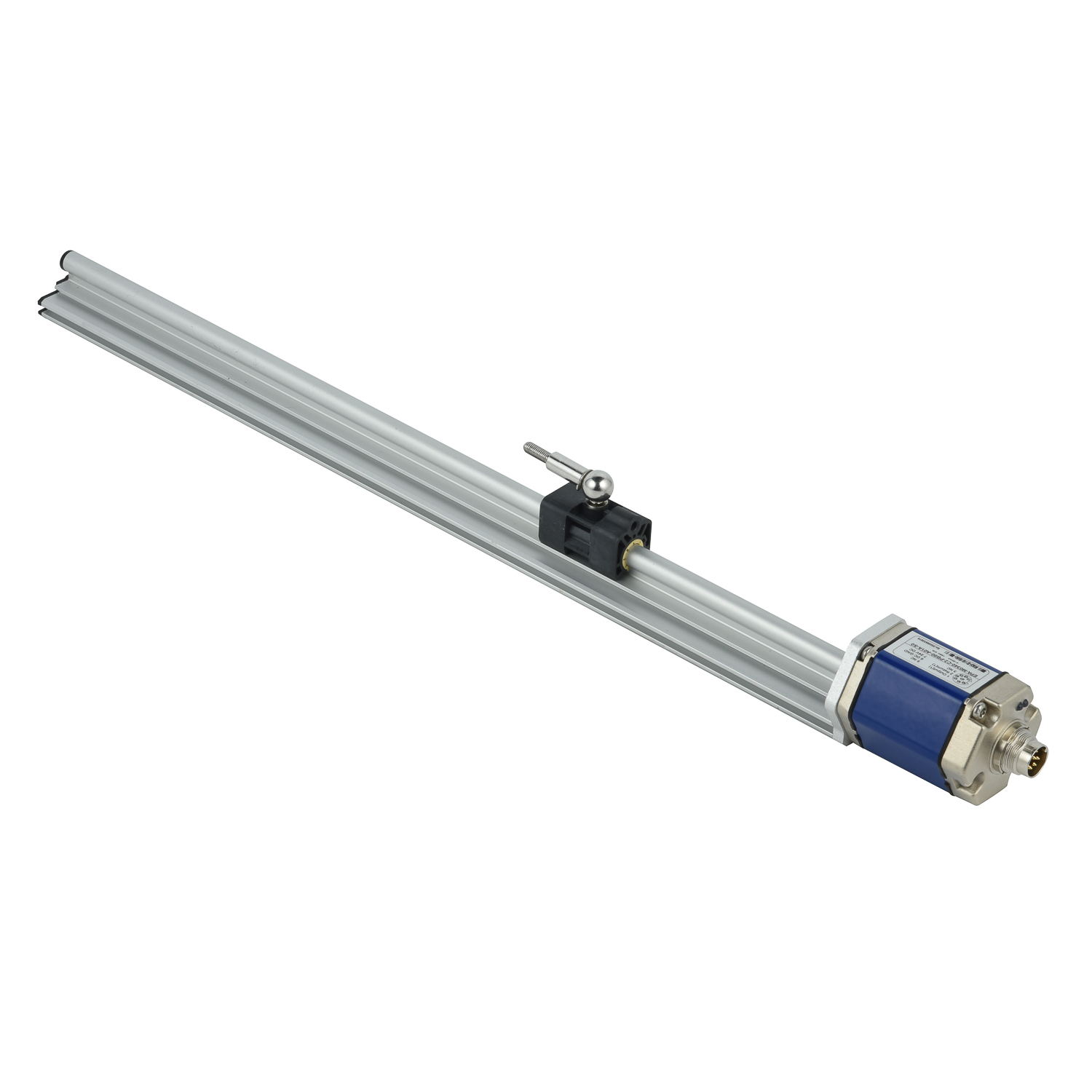 Grain and Oil Storage Tank Rad
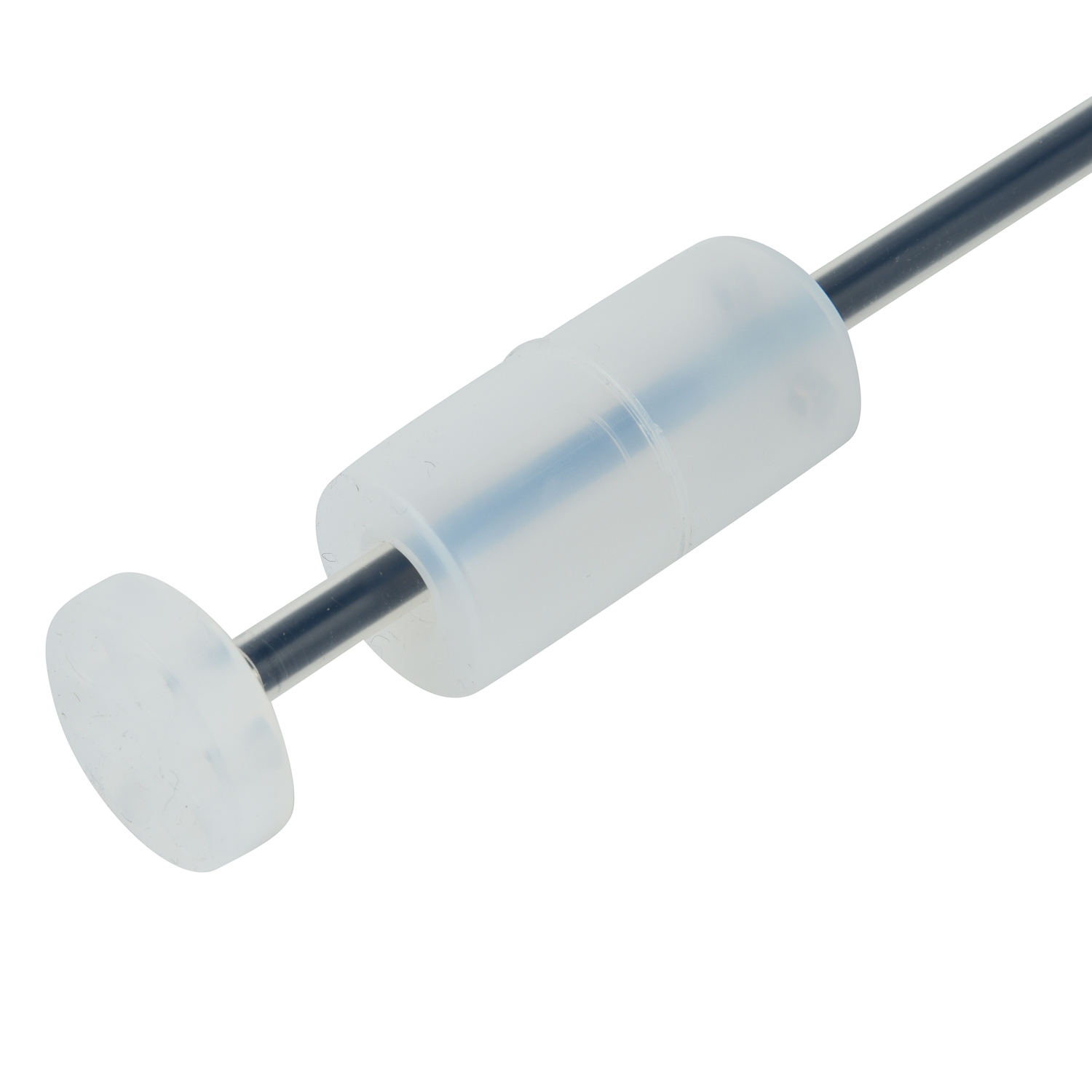 Power Plant Non-contact Radar
 Port Intrinsically Safe Explos