
Mining Silo Intrinsically Safe Explosion-proof Radar Sensor Selection
Selecting an intrinsically safe explosion-proof radar sensor for a mining silo starts with the hazardous area classification. Coal, metal ore, and mineral dusts can form explosive atmospheres, so the sensor must carry valid intrinsic safety or explosion-proof certification for the target zone, gas group, and dust group. Check that the certificate matches the actual installation, including barrier or isolator requirements and permitted cable parameters. Verify ambient temperature, IP rating, and cable length; coal mines may need methane and dust certification.
Next, match radar performance to silo conditions. Low-frequency radar handles dust, moisture, and uneven surfaces better, while high-frequency units offer a narrow beam for tall, narrow silos. Confirm measuring range, beam angle, and blind zone against silo diameter, filling angle, and maximum level. A narrow beam reduces false echoes from walls, ladders, and build-up. For sticky materials, use a flush antenna or purge air; for turbulent filling, apply echo mapping.
For mining operations, choose rugged housing, high IP rating, wide temperature tolerance, and anti-condensation design. Prefer sensors with self-diagnostics, easy parameter setup, and stable 4-20 mA, HART, or RS485 output for PLC integration. Mount away from inlet streams and direct impact, use a protective horn or aiming flange, and verify grounding and intrinsically safe wiring. Finally, review vendor support, spare parts, and calibration tools to ensure long-term reliability.
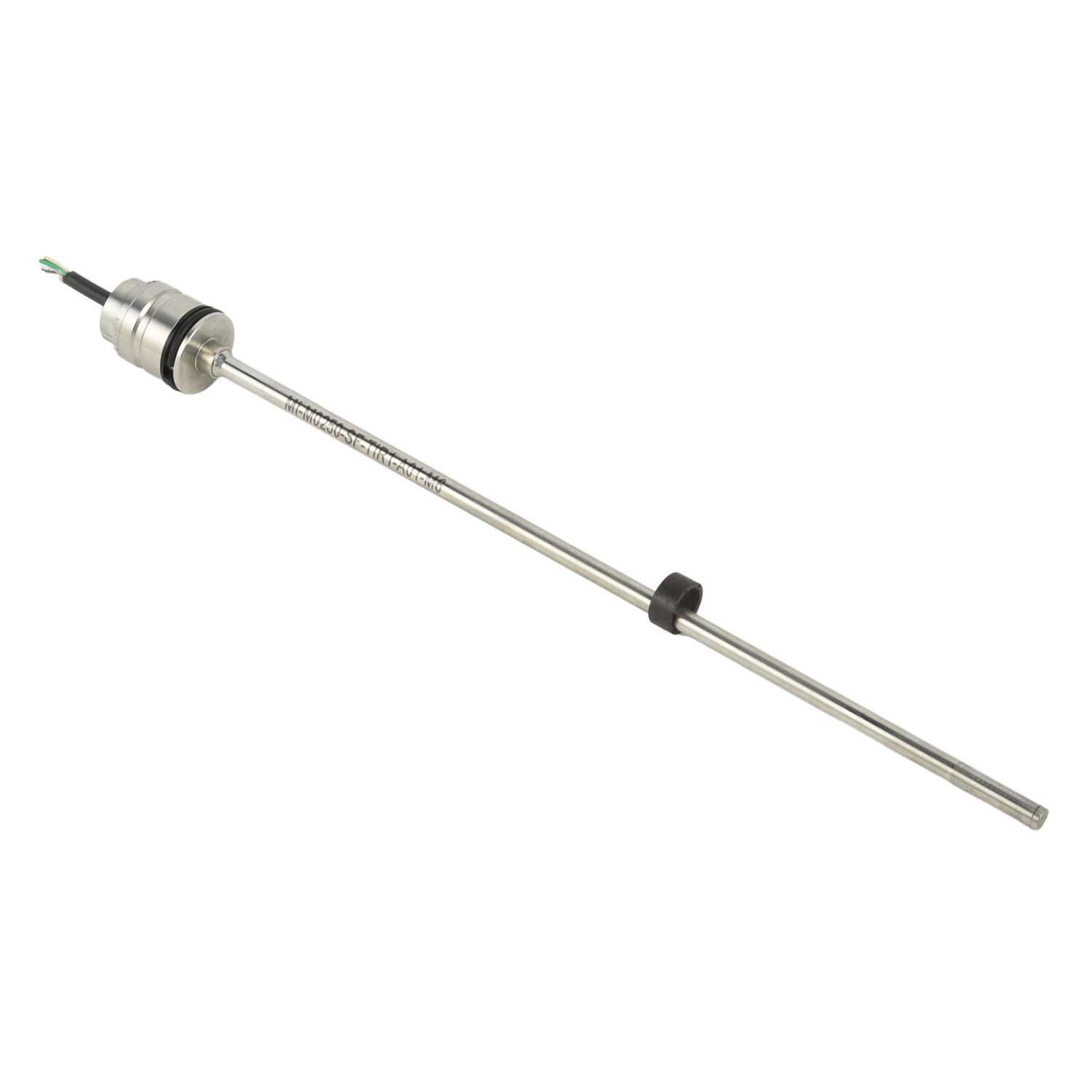
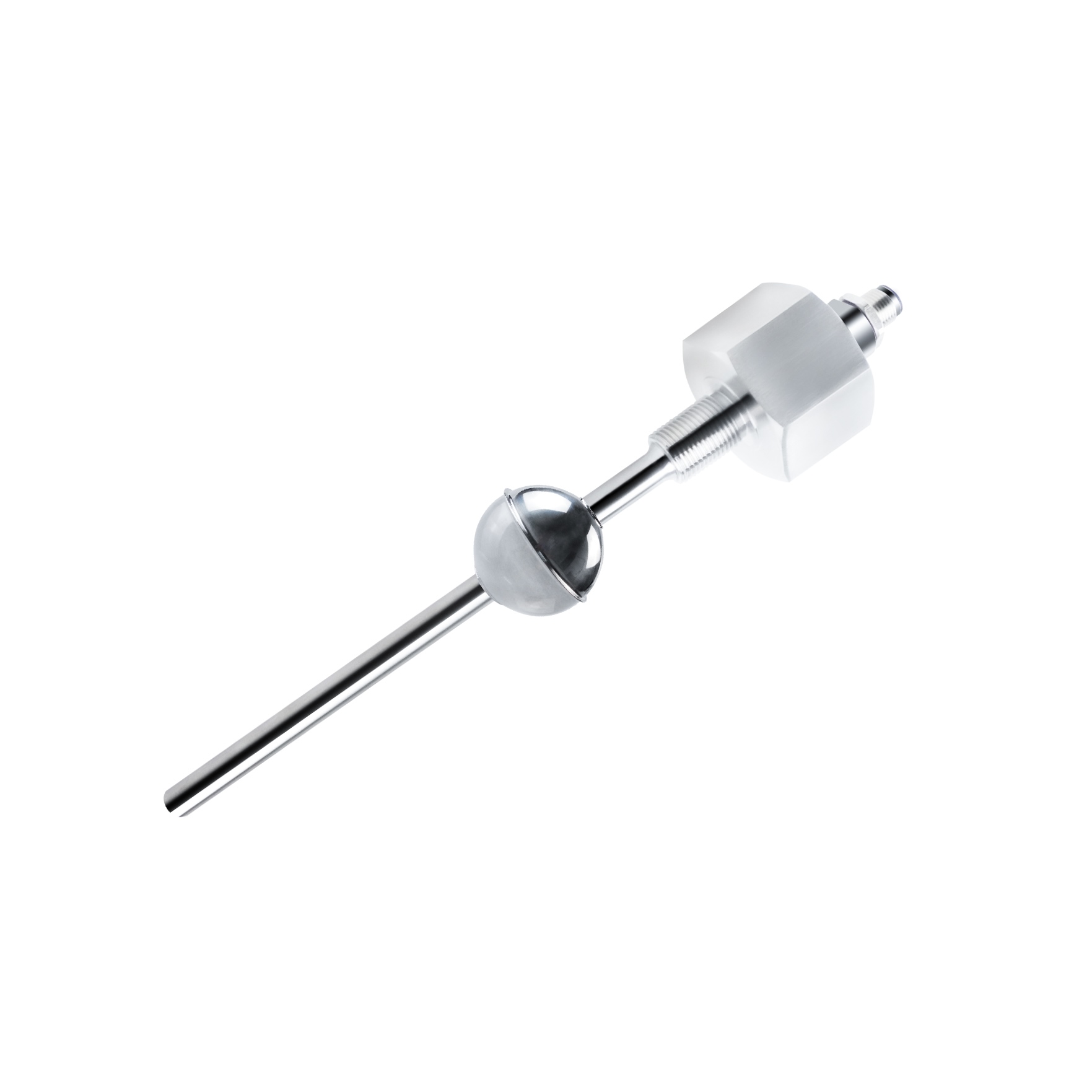 Material Tank Explosion-proof
 Shield Tunneling Radar Sensor
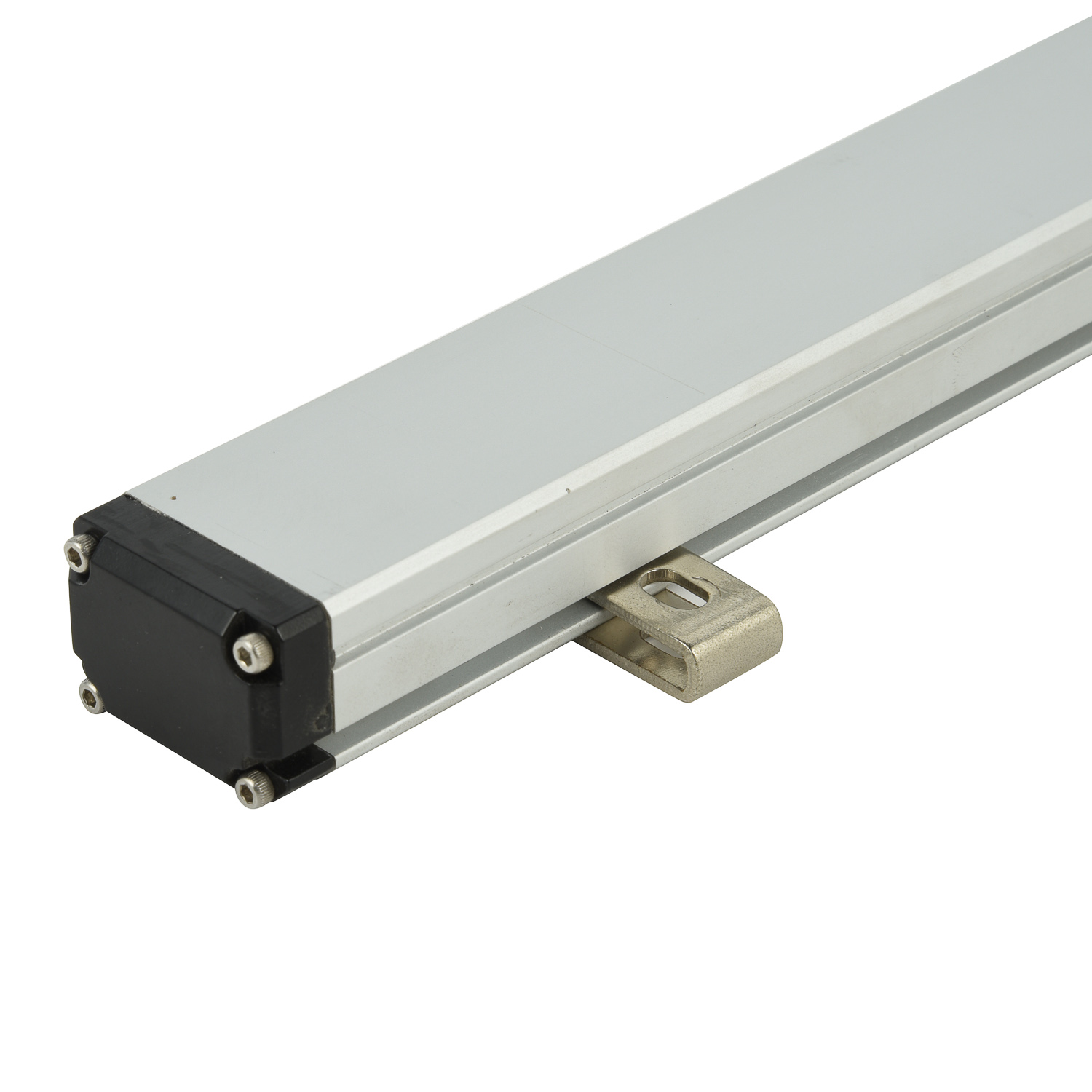 Mixing Station Flange-mounted
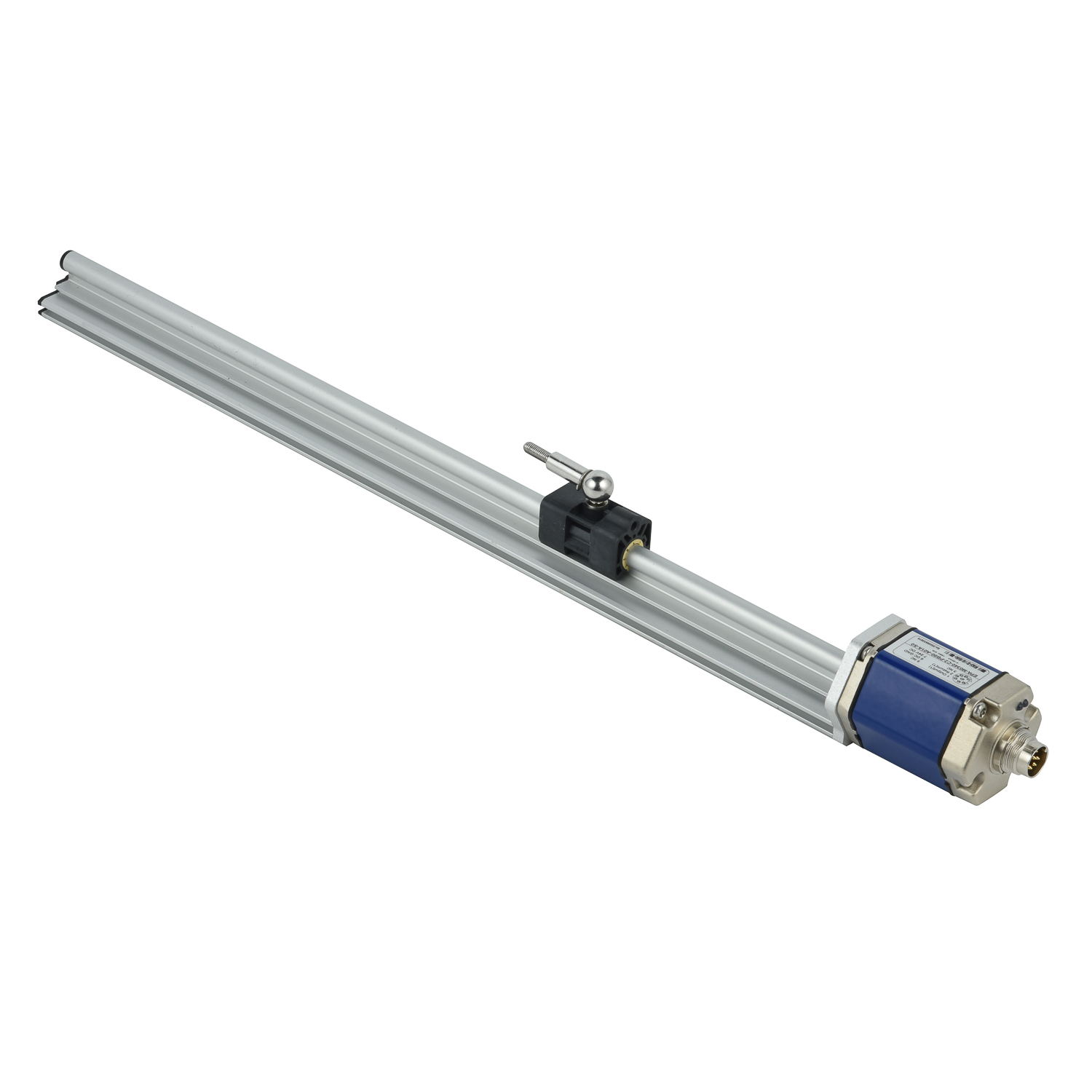 Grain and Oil Storage Tank Rad