
Port Hoist Intrinsically Safe Explosion-proof Radar Sensor Installation Method
Installing an intrinsically safe explosion-proof radar sensor on a port hoist requires a certified method that controls ignition risk and maintains reliable measurement. First, confirm the hazardous area classification and select a sensor with Ex ia/ib certification, a suitable temperature class, and an approved barrier or isolator. Isolate the hoist, follow lockout/tagout, and inspect the mounting point. Fit the sensor on a rigid, vibration-damped bracket that keeps the radar beam clear of ropes, spreaders, and structural shadows. Maintain the manufacturer’s safe distance and tighten fasteners to torque. Route shielded twisted-pair cable through approved Ex cable glands, keep it separated from power cables, and connect the shield and bonding conductor at the designated point only. Verify barrier ratings, loop resistance, supply voltage, and grounding before power-up. Use certified barriers, record loop calculations, and never modify the enclosure. Configure range, gain, and output to match the hoist position or anti-collision function, then test the signal through the full travel. Confirm the reading against a reference target and document zero and span settings. During commissioning, check for alarms, stable readings, and corrosion protection. Record the installation, calibration, and inspection results, and include periodic checks of cable glands, brackets, and IS circuits in the maintenance plan. This method supports safe, accurate radar sensing in port hoist applications.
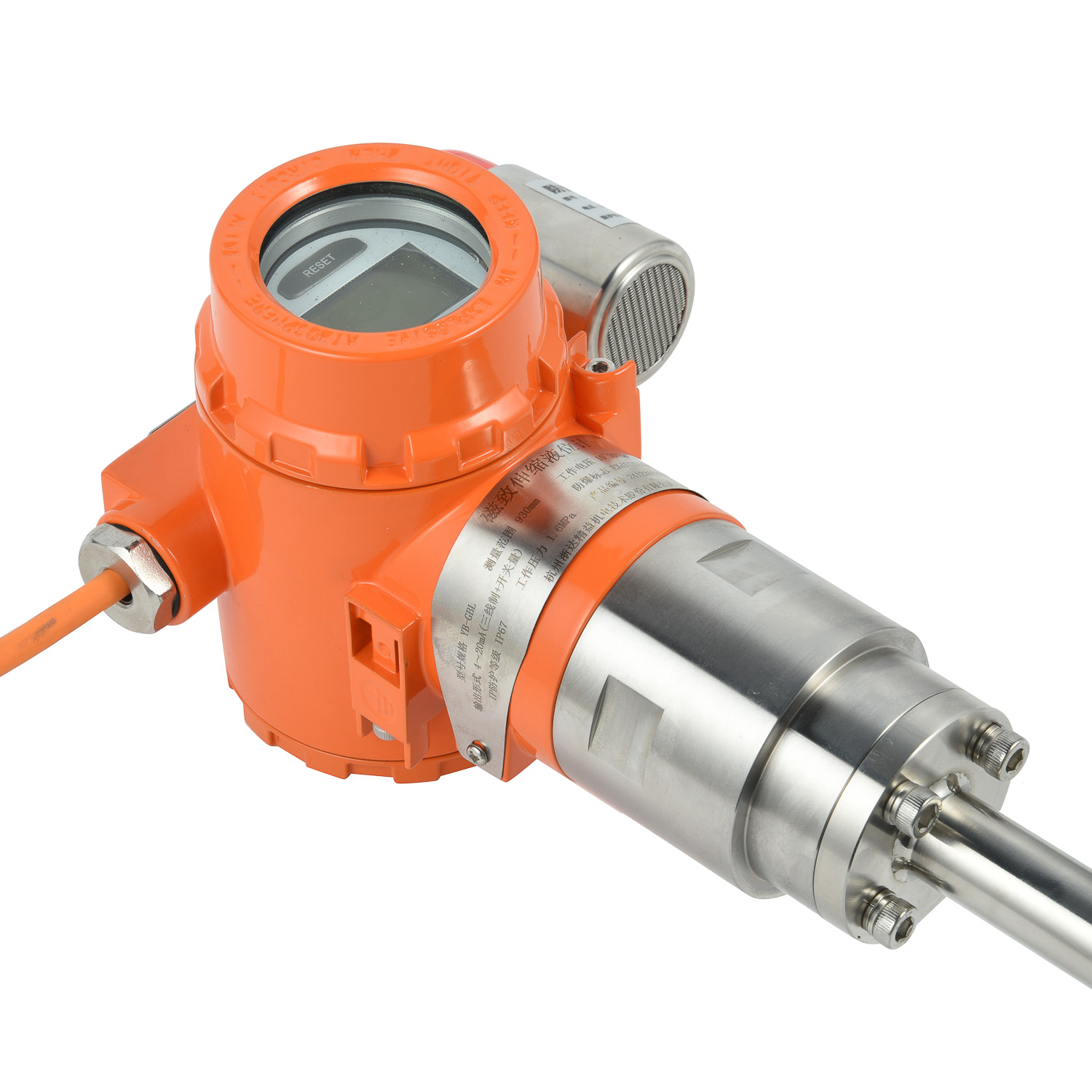
 Chemical Storage Tank Explosio
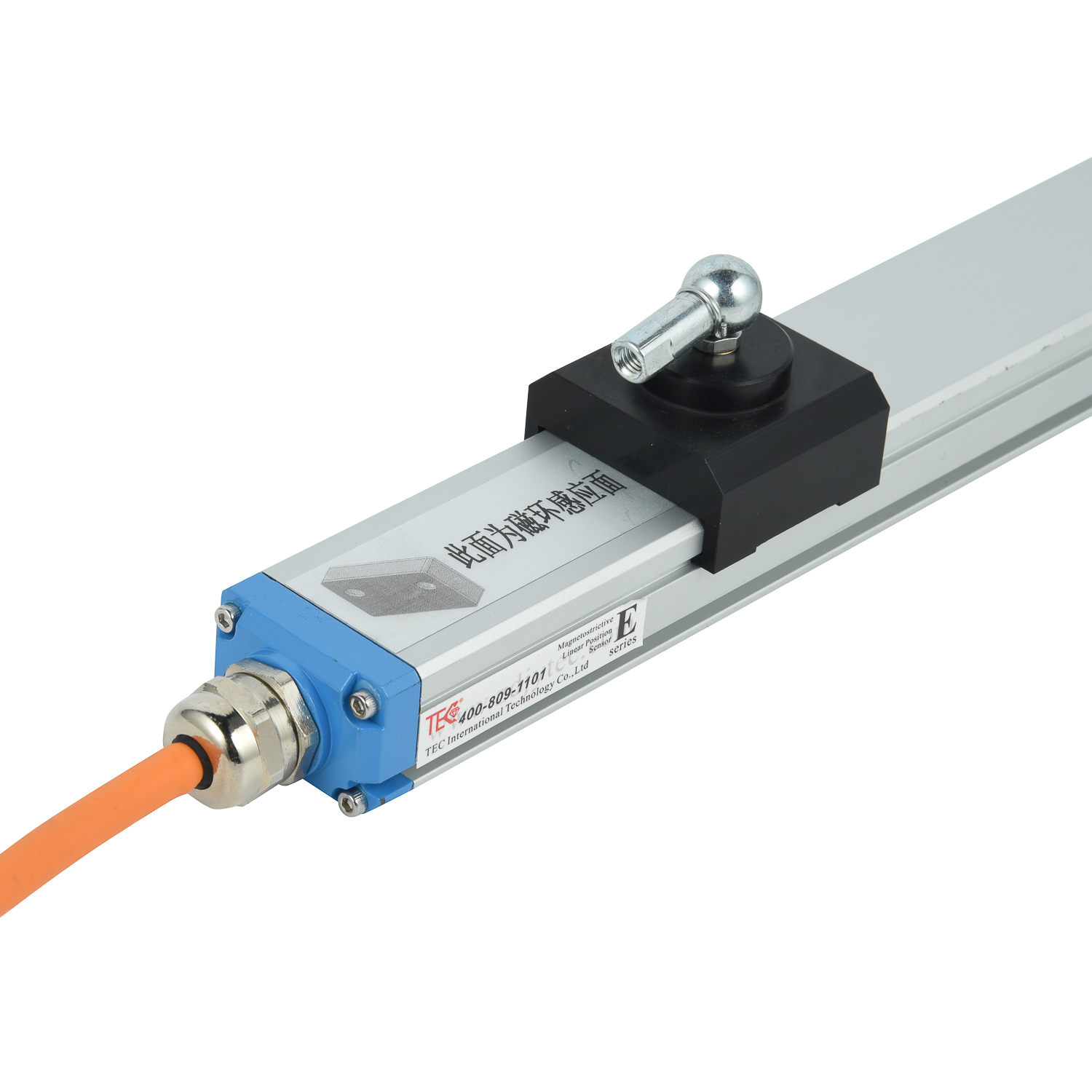 Shield Tunneling Storage Tank
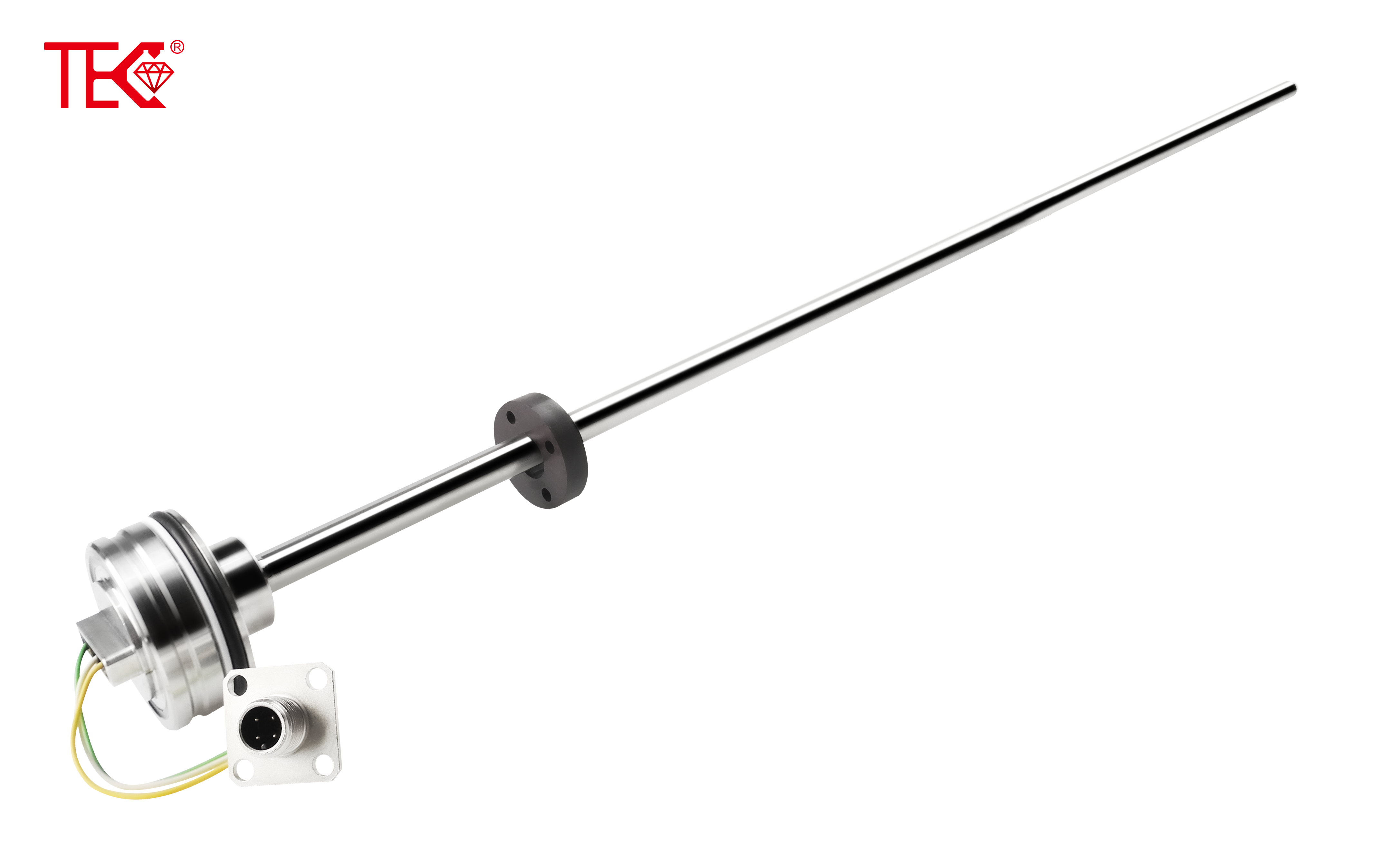 Mixing Station Material Tank R
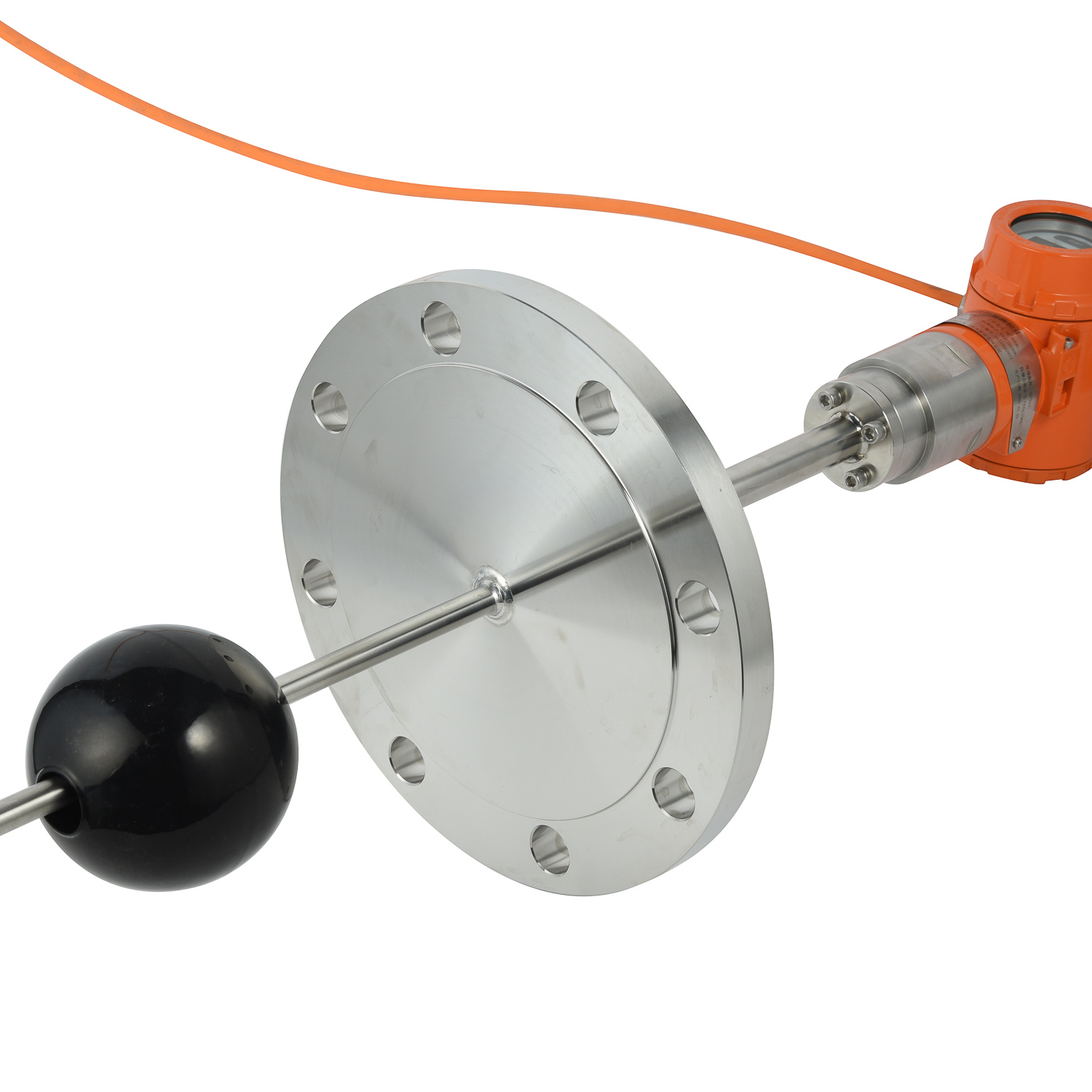 Grain and Oil Storage Tank Fla