Chemical Overhead Crane High-pressure Crane and Trolley Positioning Selection
Selecting a chemical overhead crane requires more than matching lifting capacity. In chemical plants, corrosion, explosive atmospheres, continuous duty, and tight handling tolerances shape every decision. For high-pressure crane applications, confirm rated load, lift height, duty class, voltage, control method, and safety margin. Specify explosion-proof motors, controls, and enclosures according to the site classification. Use corrosion-resistant coatings, sealed components, and accessible maintenance points to reduce downtime and inspection risk. Trolley positioning selection should match required accuracy, cycle time, and load stability. VFD control, encoders, laser positioning, and anti-sway logic improve repeatability and reduce operator fatigue. In harsh areas, choose robust sensors, redundant limits, and easy calibration. Evaluate structural clearance, rail condition, wheel alignment, and load swing before finalizing the layout. Consider spare parts, service support, operator training, and lifecycle cost, not only purchase price. A clear selection matrix for chemical overhead crane, high-pressure crane, and trolley positioning helps buyers balance safety, precision, productivity, and maintenance. During commissioning, verify braking, limit switches, emergency stops, positioning repeatability, and overload protection. Document settings and schedule preventive inspections to keep performance stable. With the right specification, the crane system can deliver safe, precise, and reliable material handling in demanding chemical environments.
 Injection Molding Die Casting
 Construction Machinery Bridge
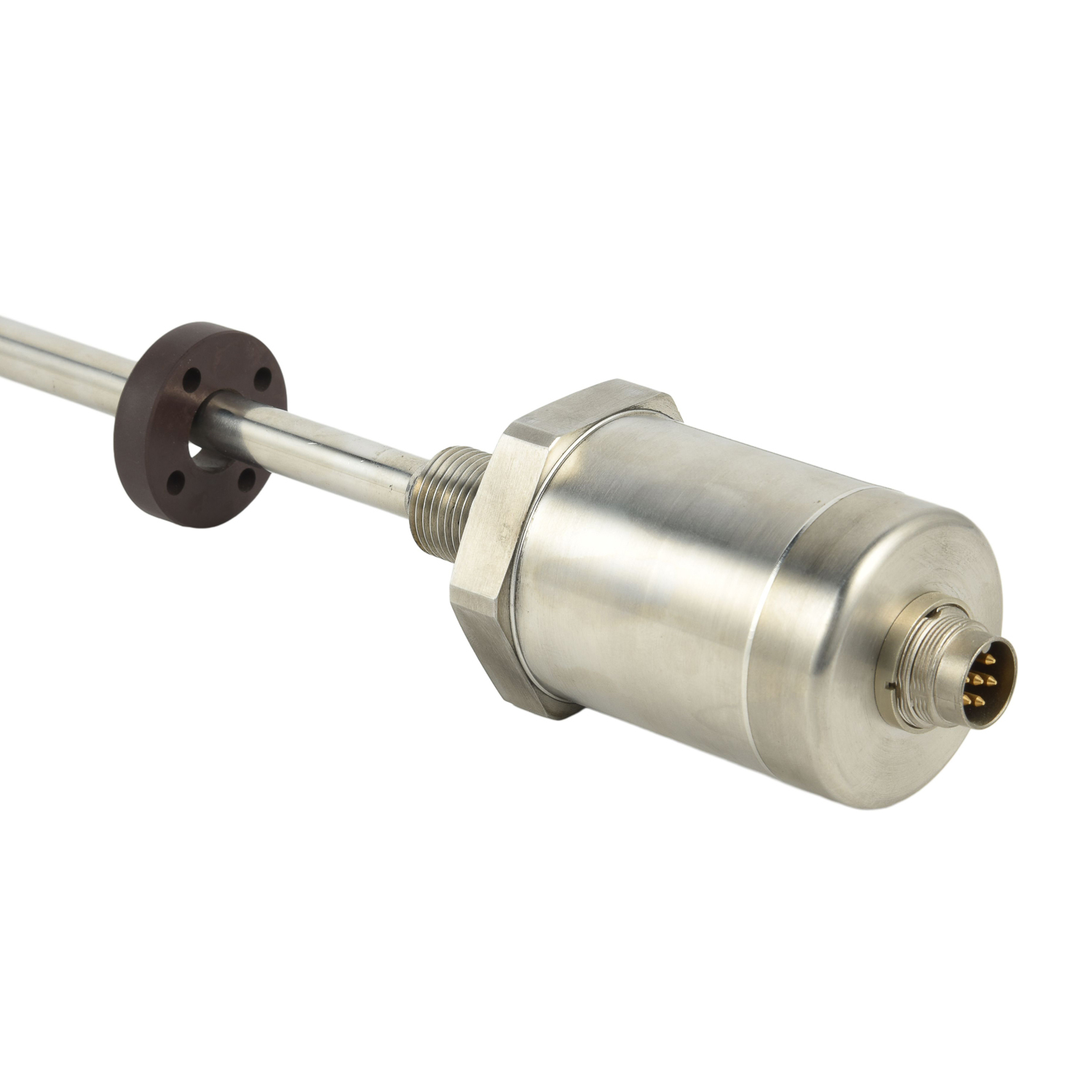 Power Plant Crane Explosion-pr
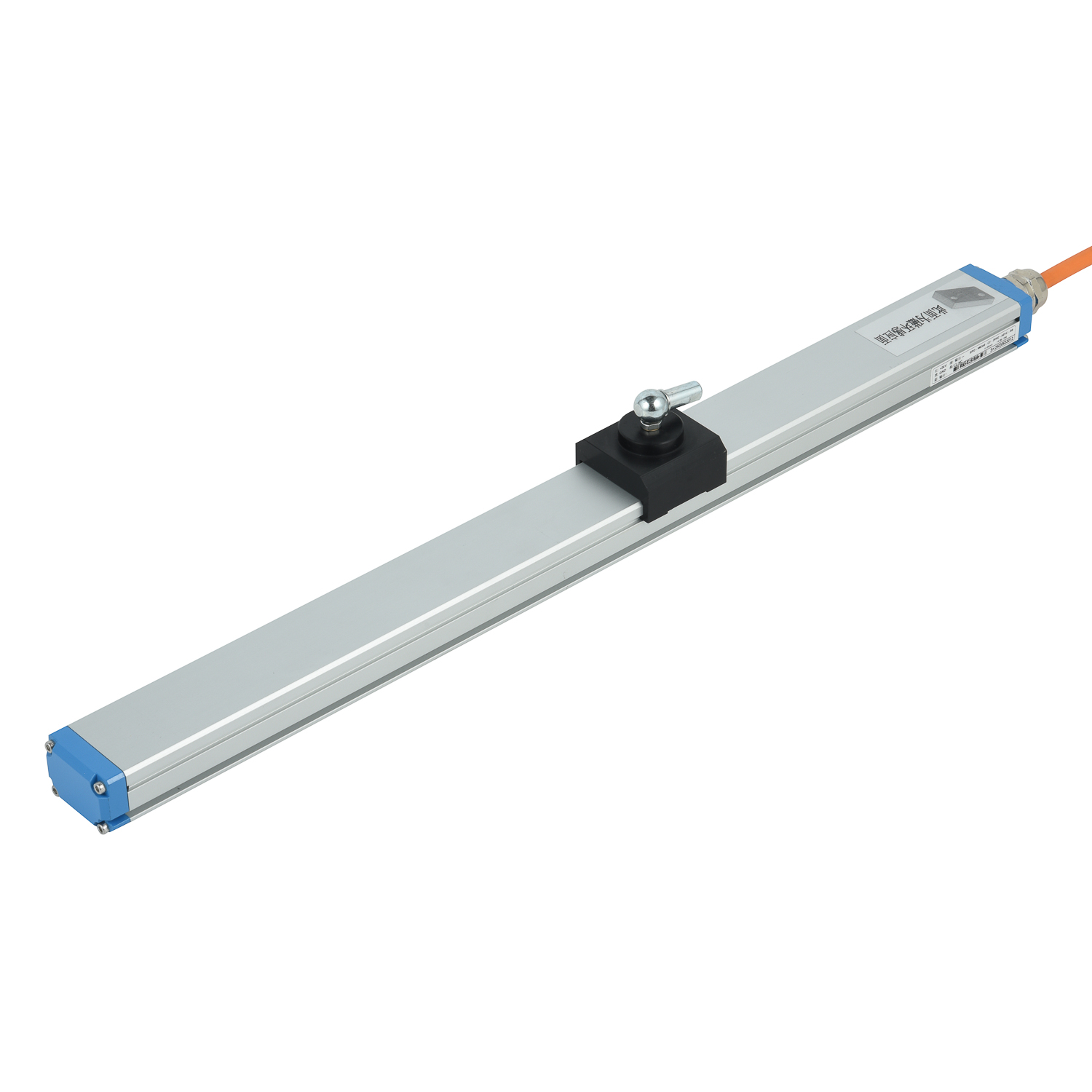 Port Overhead Crane Intrinsica