
Metallurgy High-pressure Long-distance Positioning System Selection
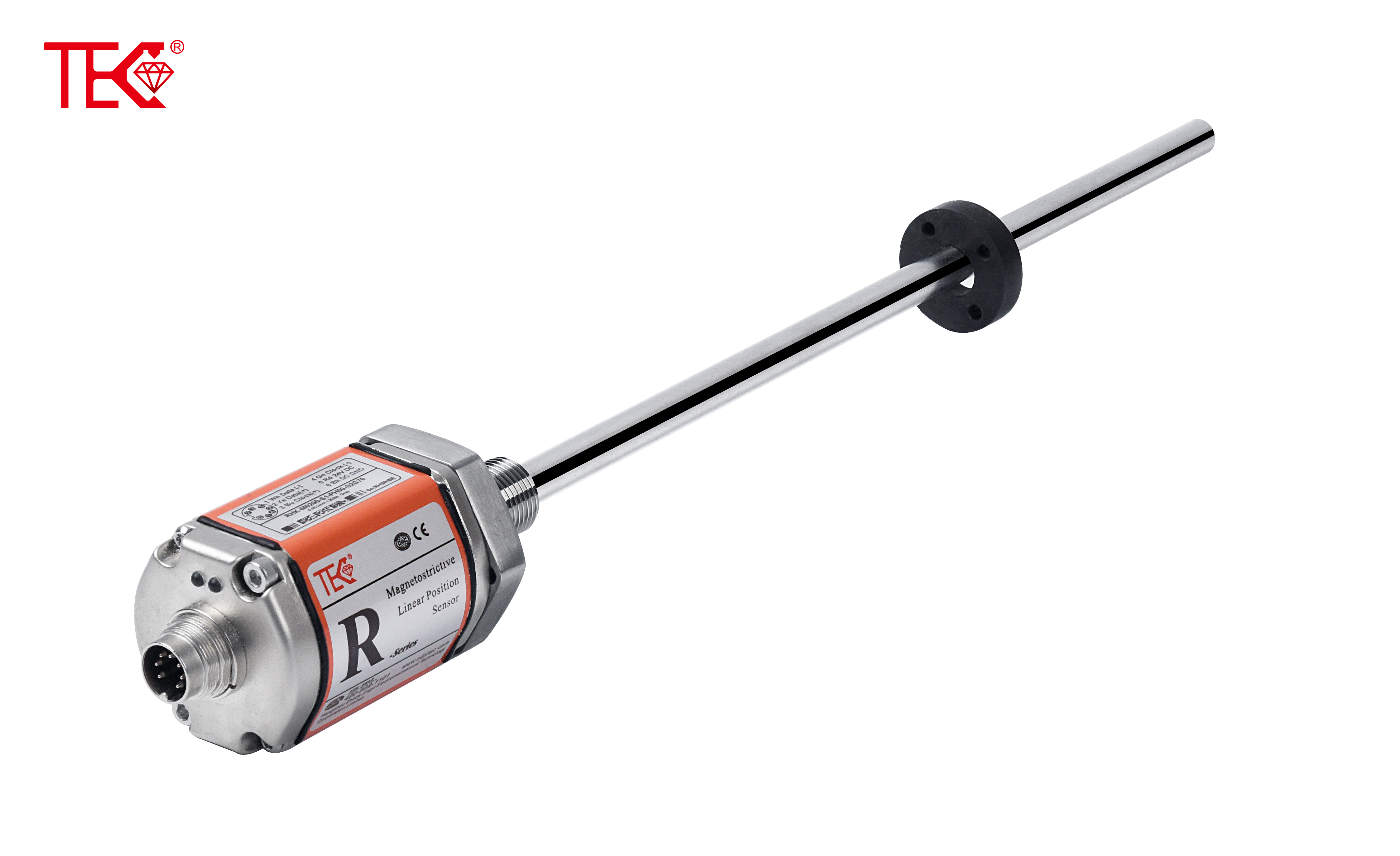
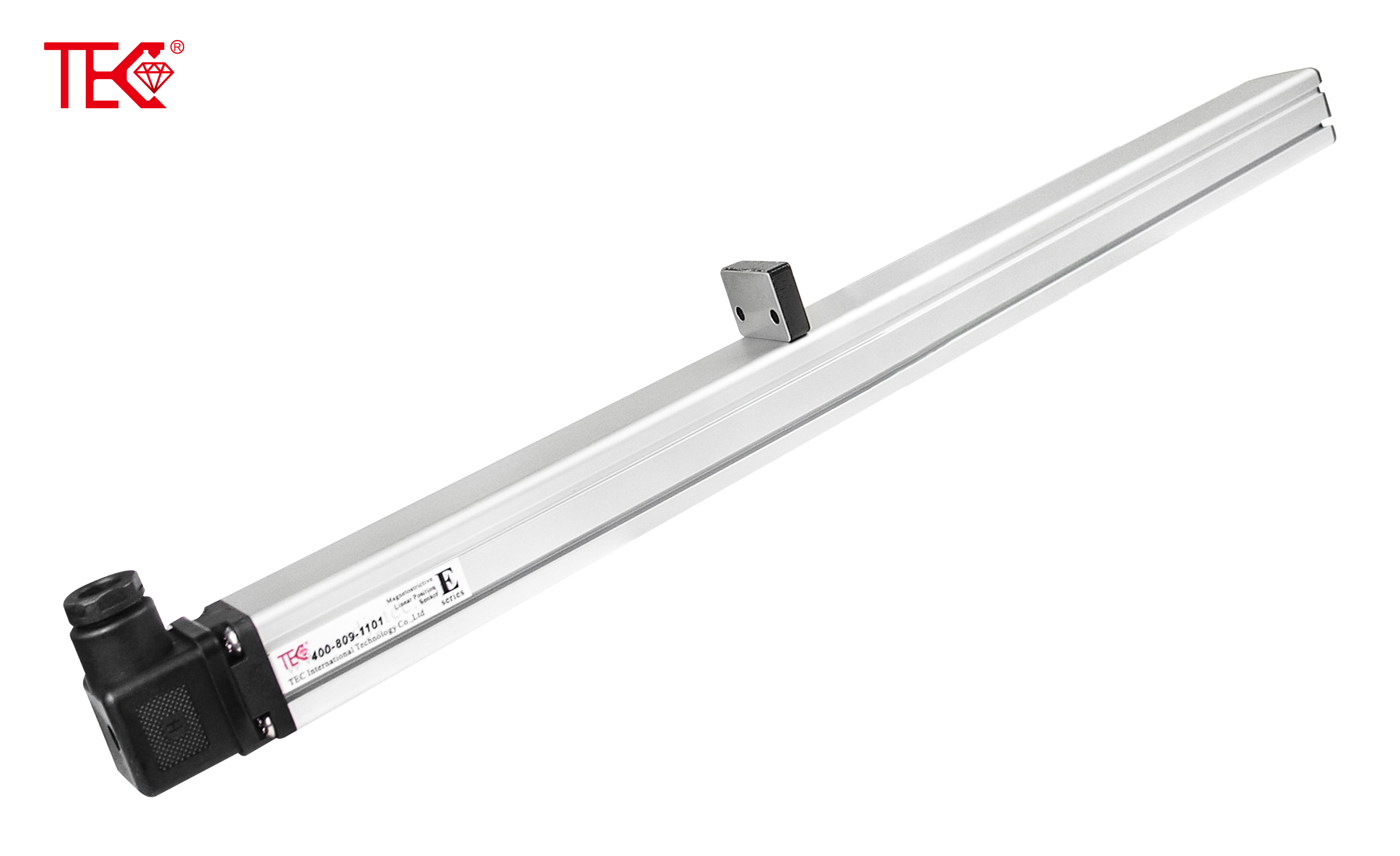
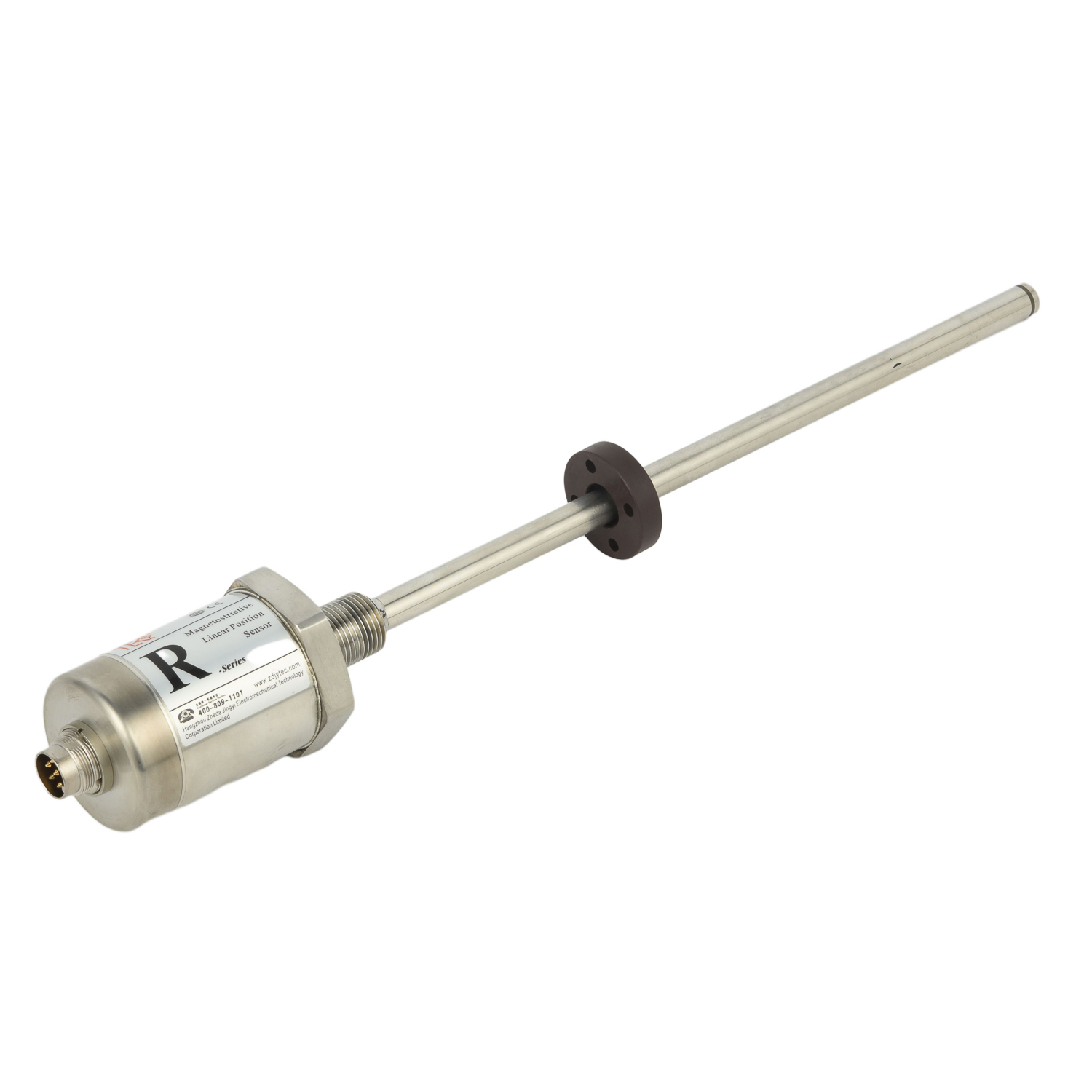
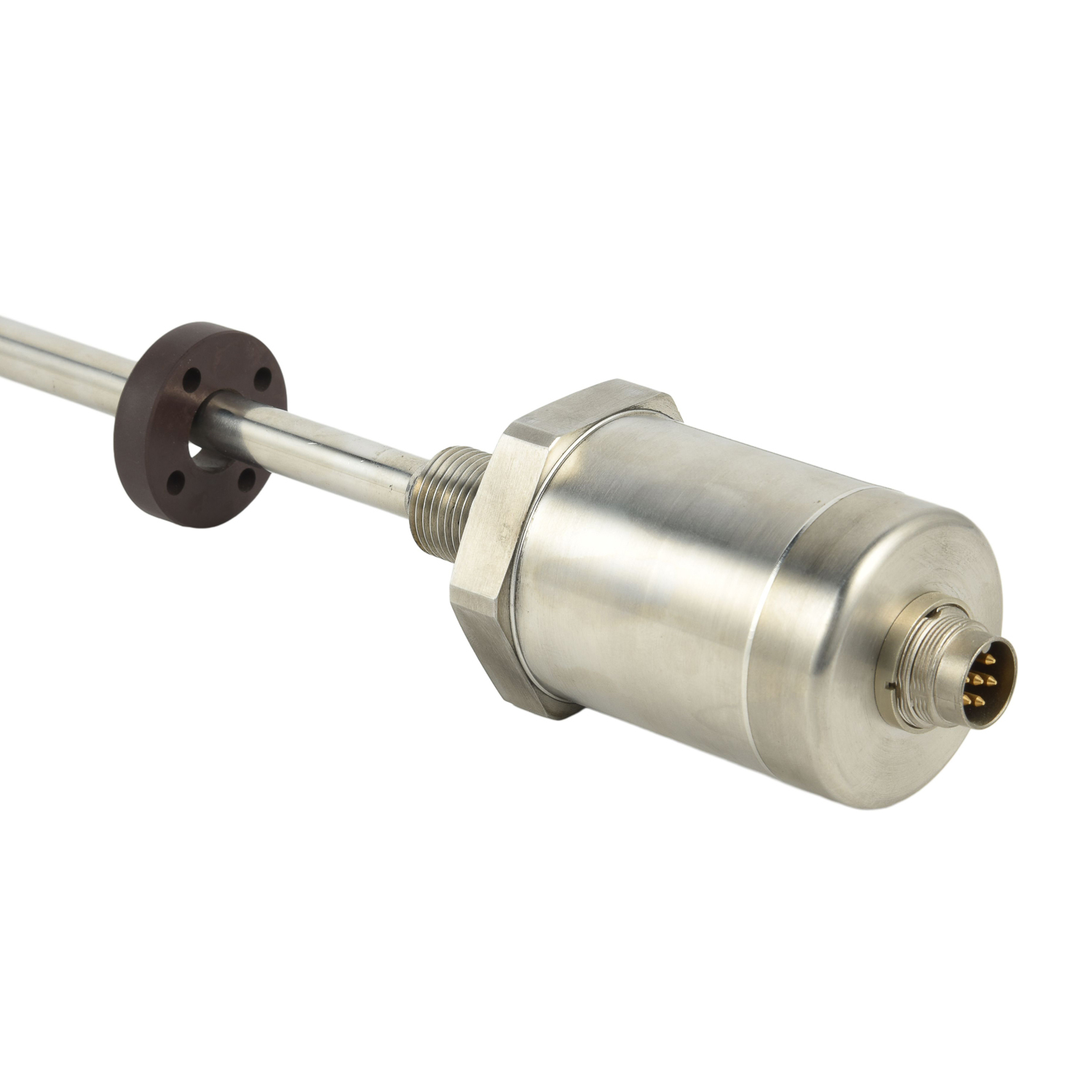
Selecting a high-pressure, long-distance positioning system for metallurgy requires a disciplined balance of accuracy, durability, and maintainability. The plant environment combines heat, dust, vibration, steam, and strong electromagnetic interference, so standard sensors often fail. First define the real positioning need: measurement range, update rate, repeatability, and allowable error at target. For long-distance applications, prefer robust technologies such as laser tracking, radar, or encoded cable systems with proven high-pressure protection. Confirm IP rating, pressure tolerance, temperature range, shock resistance, and cable/connector quality. Evaluate signal stability over the full route, including bends, obstacles, and reflective surfaces. Choose a system with redundant communication, industrial protocols, and simple calibration. Maintenance access matters: modular components, remote diagnostics, and spare-part availability reduce downtime. Integrate safety interlocks and fail-safe behavior. Finally, compare lifecycle cost, not only purchase price. A suitable system should deliver repeatable positioning, resist harsh conditions, and support predictive maintenance in continuous metallurgical operations. Where steam, scale, or dust obscure line of sight, combine primary and secondary measurement methods and test performance during commissioning. Document acceptance tests, calibration intervals, alarm thresholds, and response times so operators verify reliability before production.
 Shield Tunneling High-temperat
 Injection Molding Die Casting
 Construction Machinery Bridge
 Power Plant Crane Explosion-pr