
Silo Corrosion-resistant Long-distance Positioning System Fault
Silo corrosion-resistant long-distance positioning systems support material-level measurement and remote equipment monitoring in harsh storage environments. A fault may appear as drifting coordinates, intermittent communication, false limit alarms, or complete signal loss. Because silos contain dust, moisture, vibration, and corrosive residues, diagnosis must separate environmental damage from electronic or mechanical failure.
First, inspect seals, connectors, cable glands, and shielding. Moisture ingress or loose terminals can cause unstable readings and communication timeouts. Verify supply voltage, grounding, and signal quality with a multimeter or network analyzer. Second, check positioning references. Dust on reflectors, misaligned laser or radar targets, and mechanical slippage create position errors. Clean surfaces and recalibrate reference points.
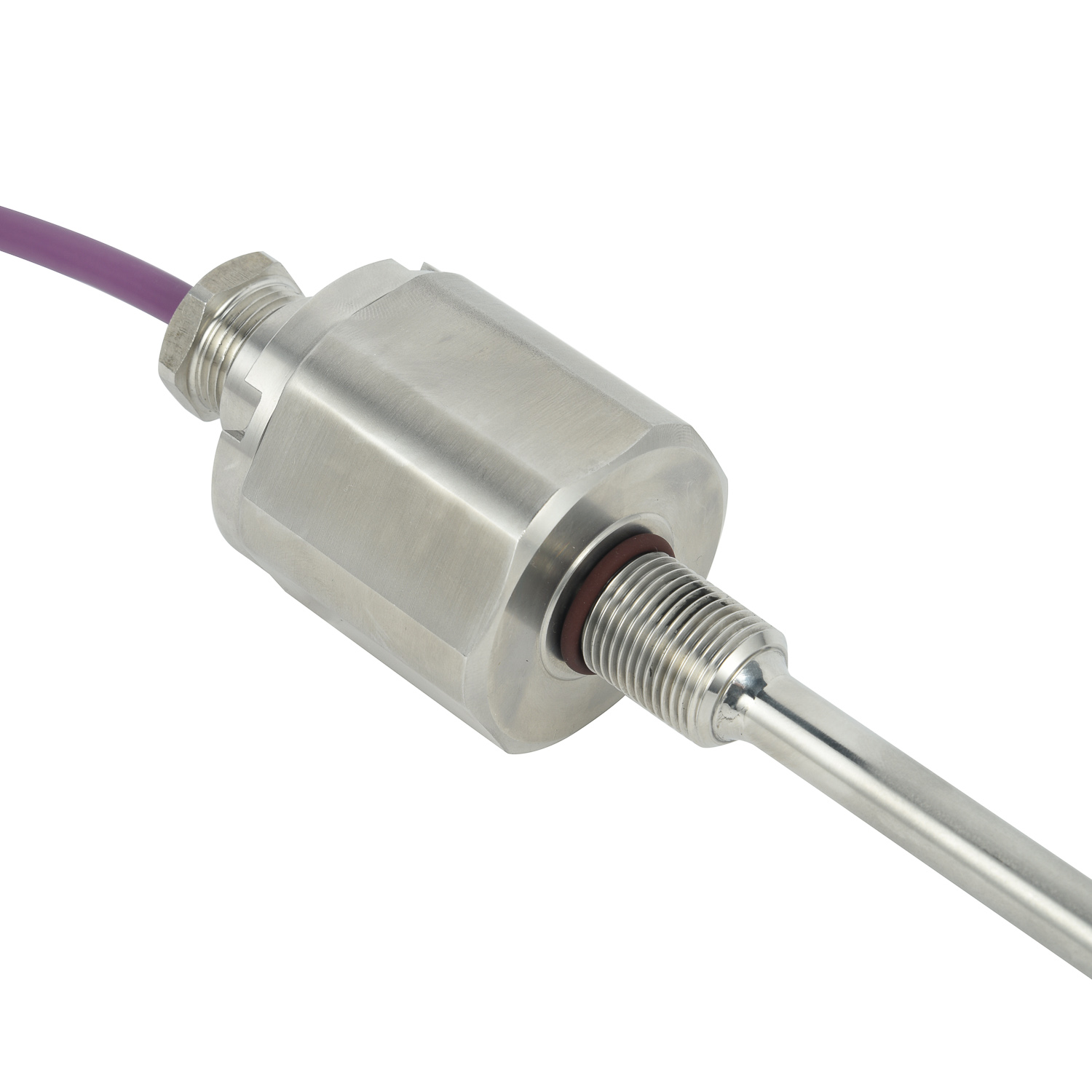
Third, review power and communication modules. Corrosion-induced resistance changes may trigger overcurrent alarms. Replace corroded terminals and apply dielectric protection. For maintenance, schedule seal inspections, use corrosion-rated fasteners, separate power and signal cables, and log drift trends. If alarms persist, isolate sections and compare live values with manual measurements. Prompt correction improves silo safety, reduces downtime, and extends equipment service life. Record environmental conditions and inspection dates so recurring corrosion patterns can be identified before they cause new positioning faults.
 Shield Tunneling High-temperat
 Injection Molding Die Casting
 Construction Machinery Bridge
 Power Plant Crane Explosion-pr