
Mixing Station Silo Corrosion-resistant Long-distance Positioning System Selection
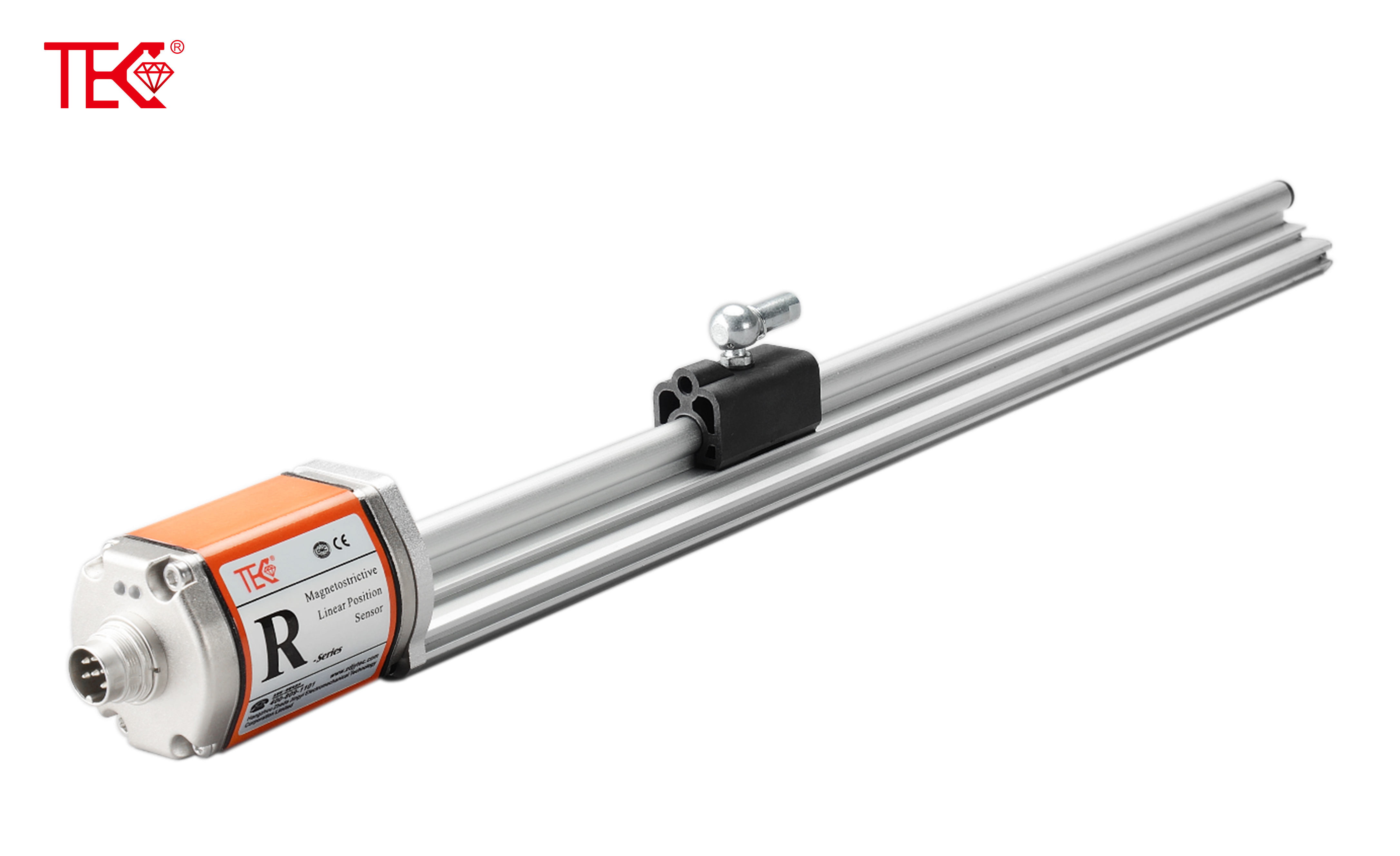
Selecting a long-distance positioning system for corrosion-resistant silos at a mixing station requires a balanced review of environment, range, accuracy, and lifecycle cost. First, define the operating conditions. Dust, moisture, chemical splash, and temperature swings can degrade ordinary sensors, so prioritise IP65 or higher housings, 316L stainless steel or PVDF components, and sealed cable glands. For long distances, choose a technology that maintains stable signals across the yard: UWB for high accuracy, LoRa or NB-IoT for wide-area telemetry, or laser/radar for fixed-point level and vehicle positioning where line of sight is available. Confirm the required positioning accuracy, update rate, and maximum range, then match them to site geometry and silo layout. Network coverage and interference matter; conduct an RF survey and plan gateways, antennas, and power backup. The system should support open protocols such as Modbus, MQTT, or OPC UA for easy integration with the mixing control platform. Corrosion resistance is not only about the sensor head; check brackets, fasteners, enclosures, and connectors. Prefer modular designs with replaceable probes and remote diagnostics to reduce maintenance in dirty areas. Ask suppliers for salt-spray, chemical resistance, and ingress-protection reports. Finally, evaluate installation cost, calibration effort, spare-part availability, and vendor support. A well-selected system will deliver reliable long-distance positioning, lower downtime, and longer service life in corrosive mixing-station silo environments.
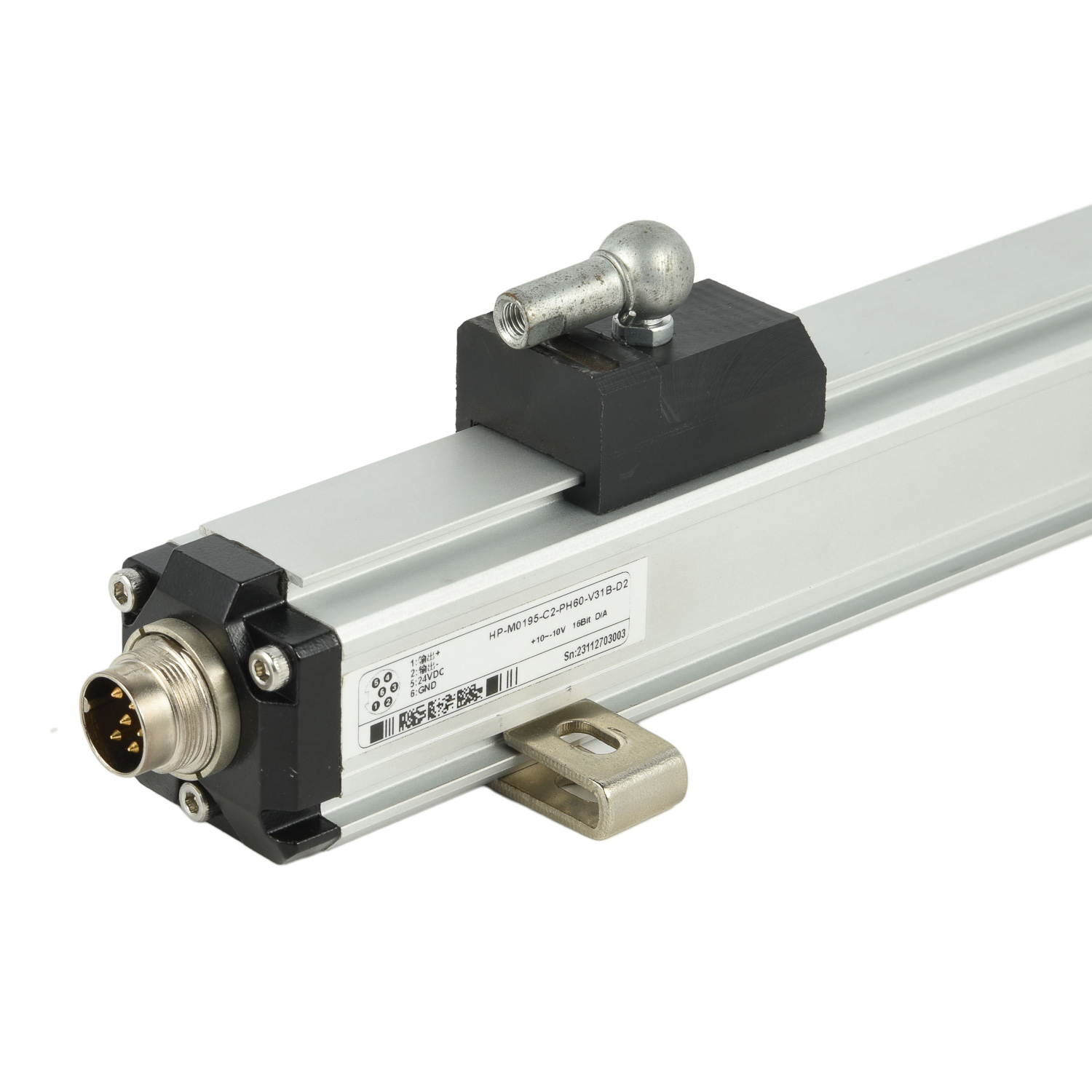
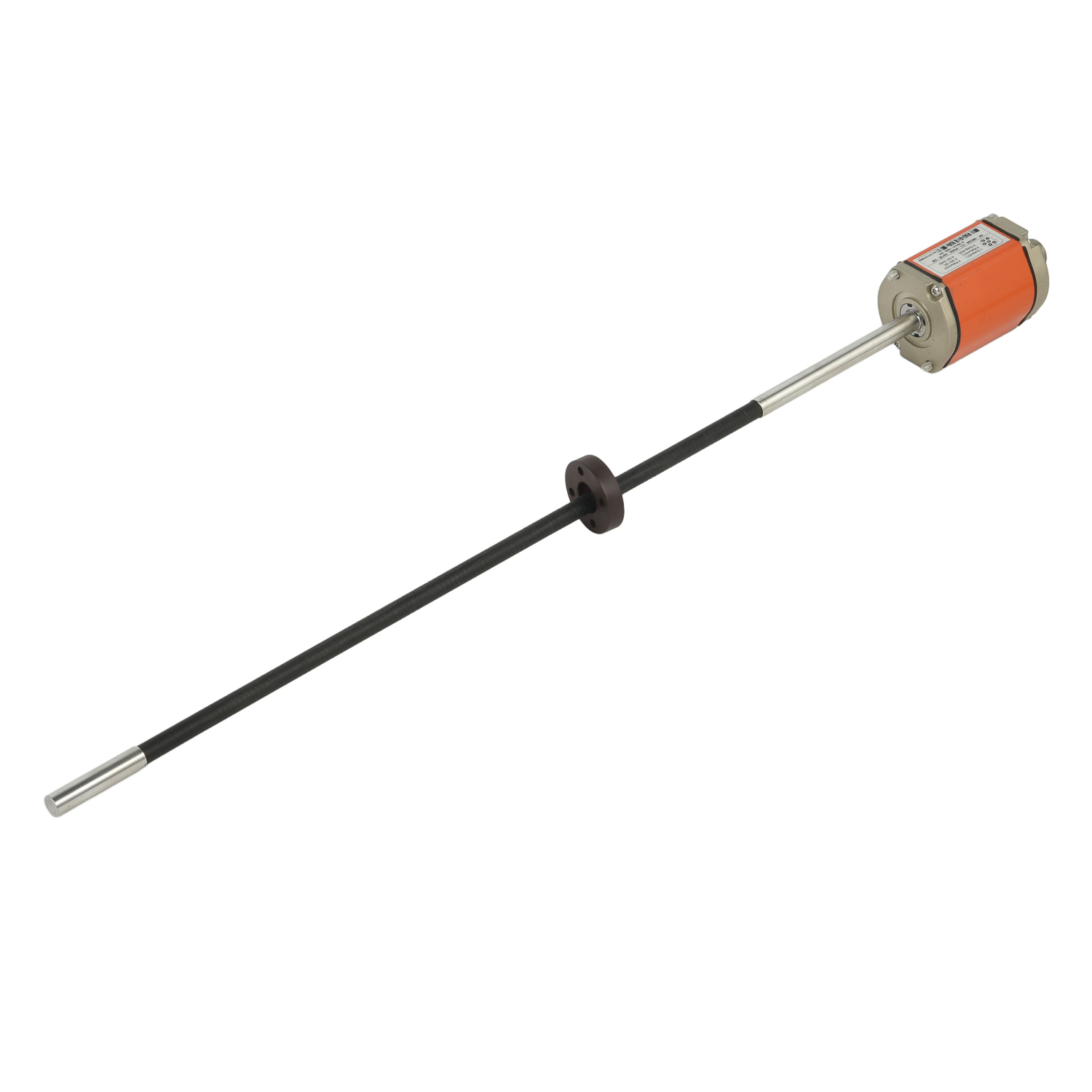 Mining Bucket Wheel Stacker-re
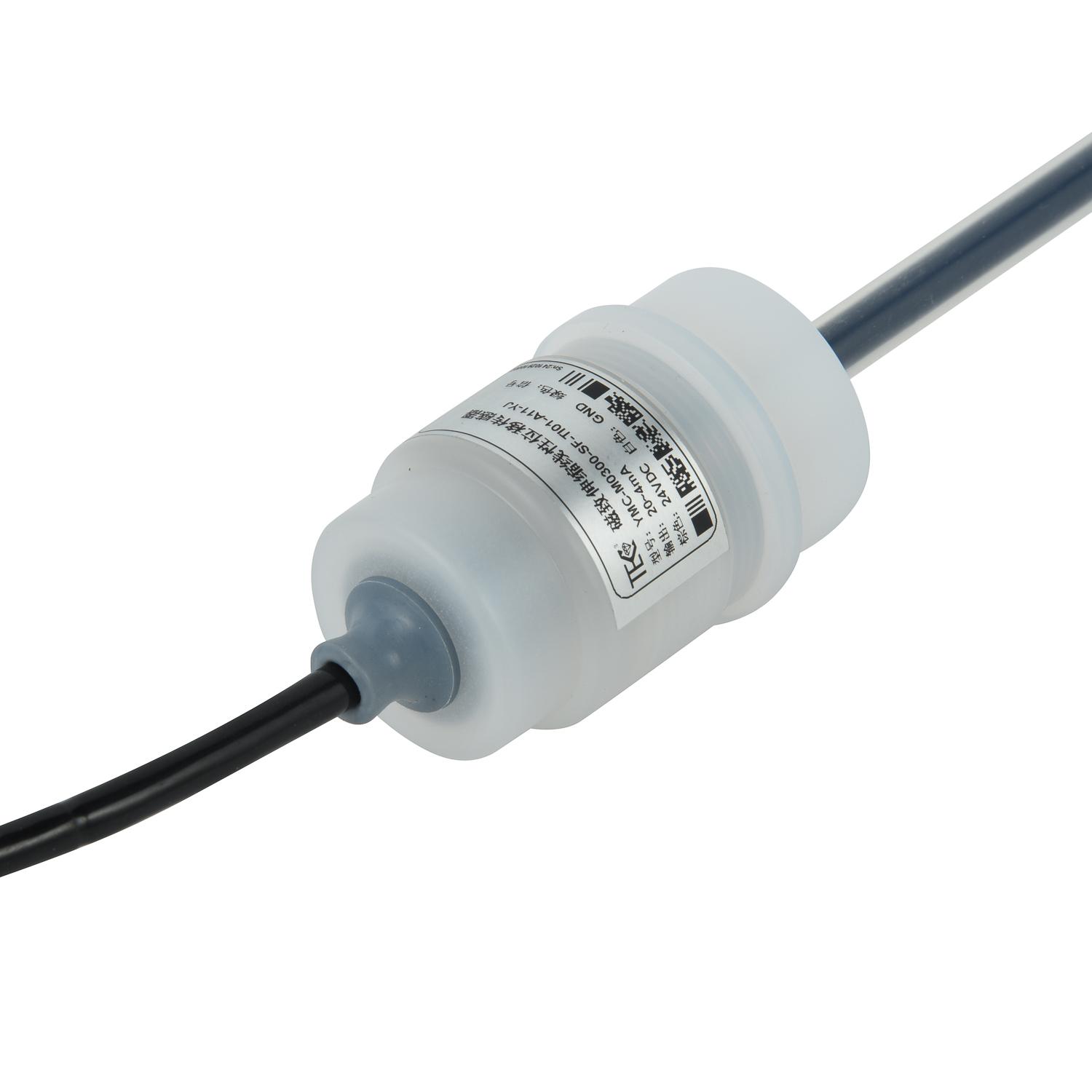 Metallurgy Overhead Crane Cran
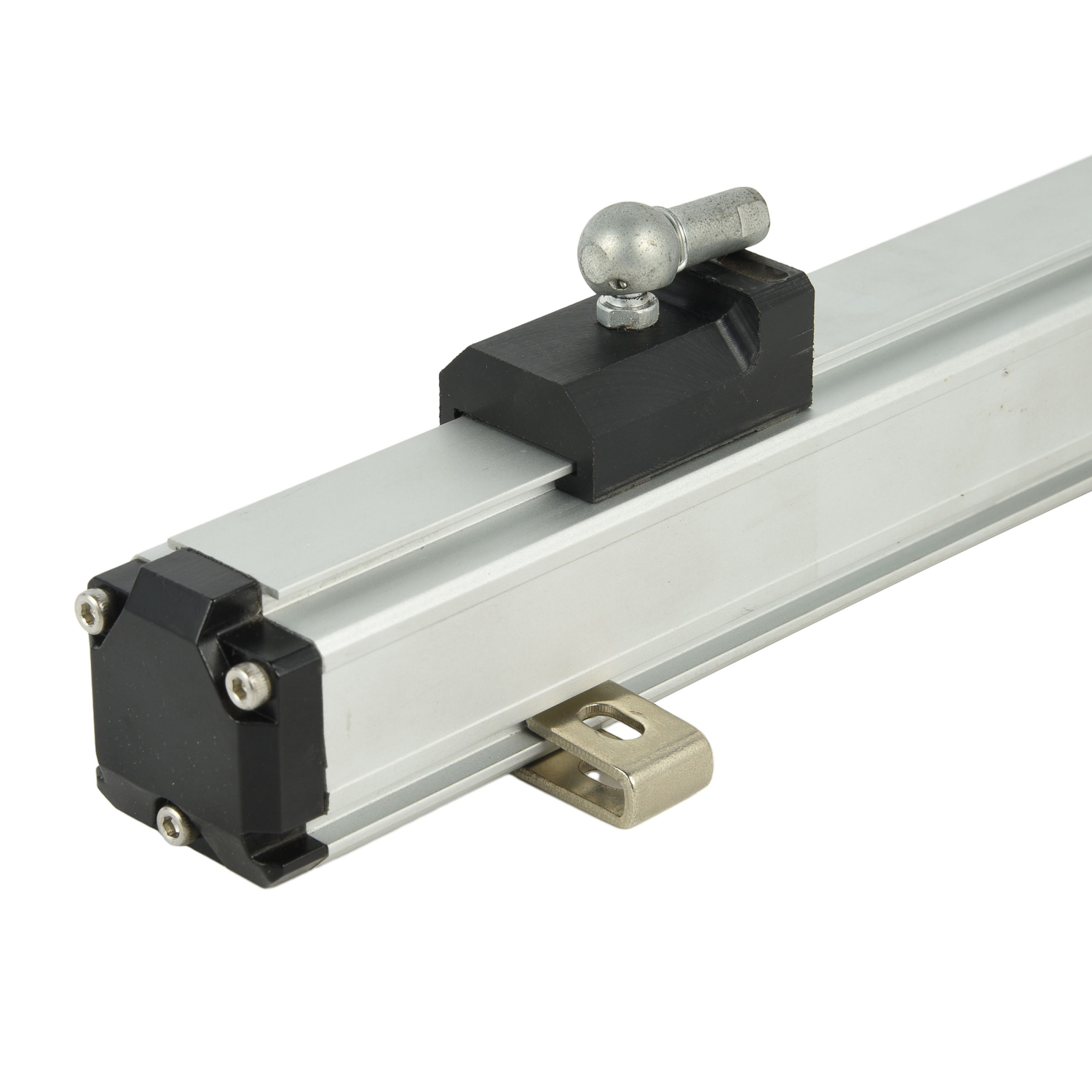 Grain and Oil Storage Tank Hig
 Mixing Station Silo Explosion-