
Power Plant Non-contact LVDT Displacement Sensor Import Substitute
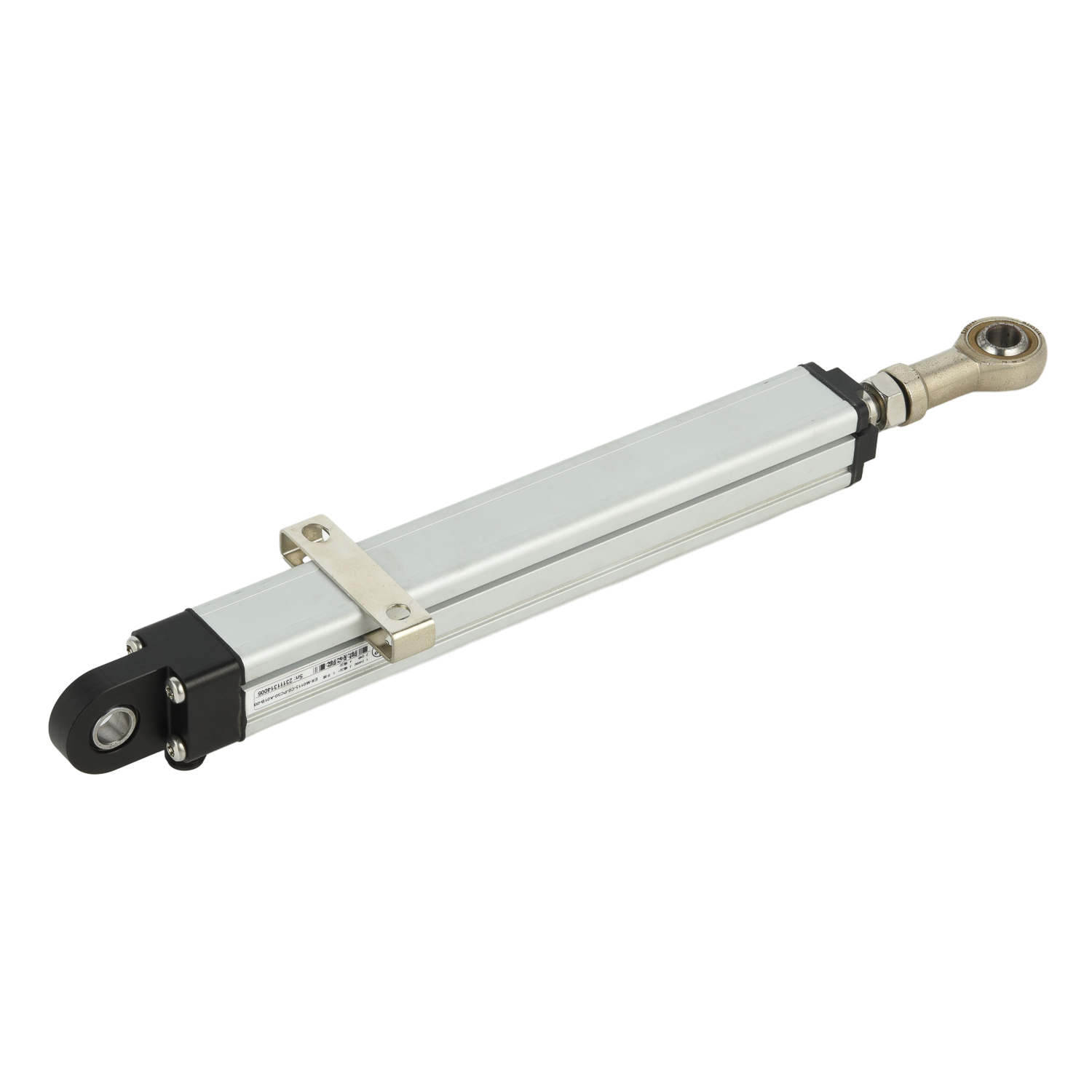
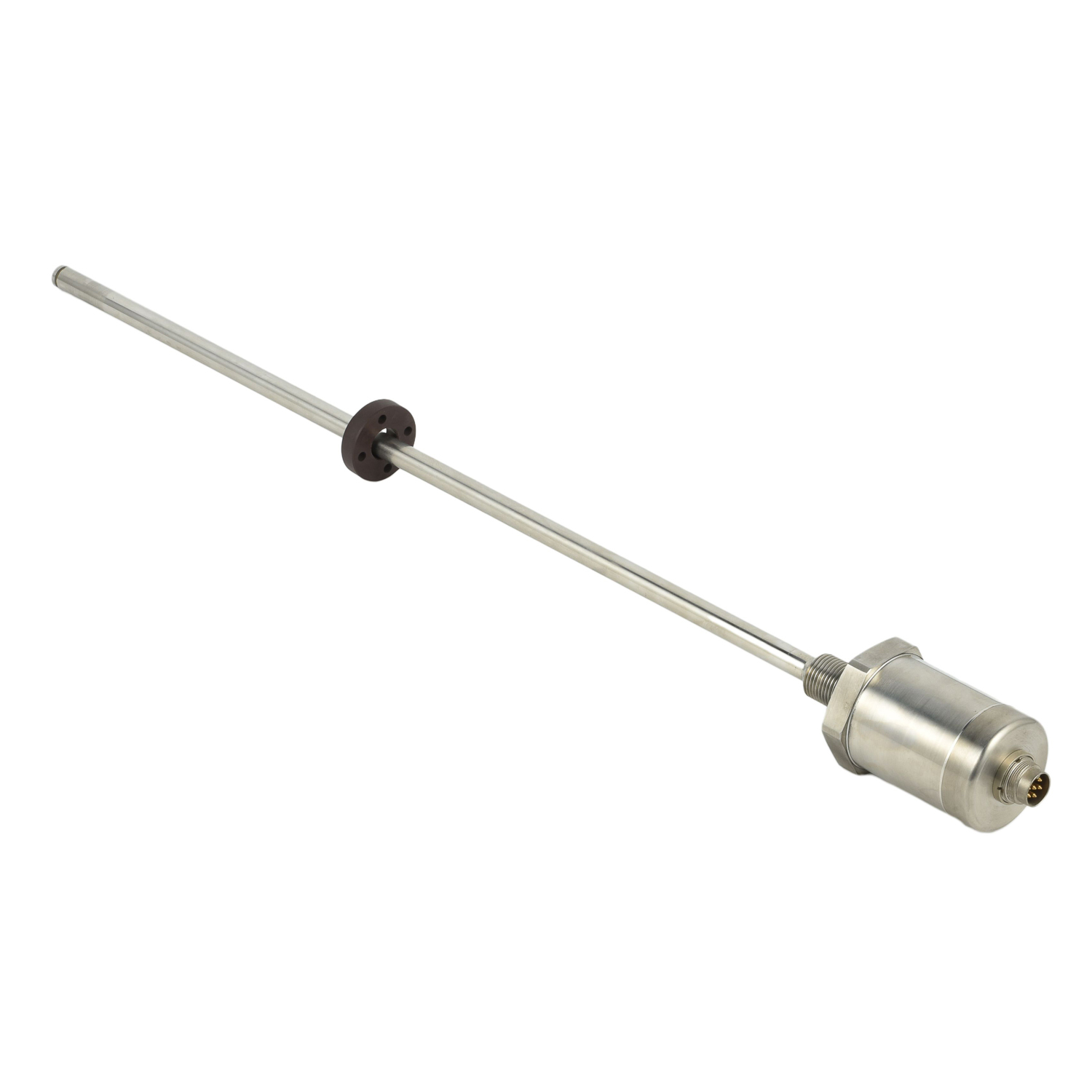
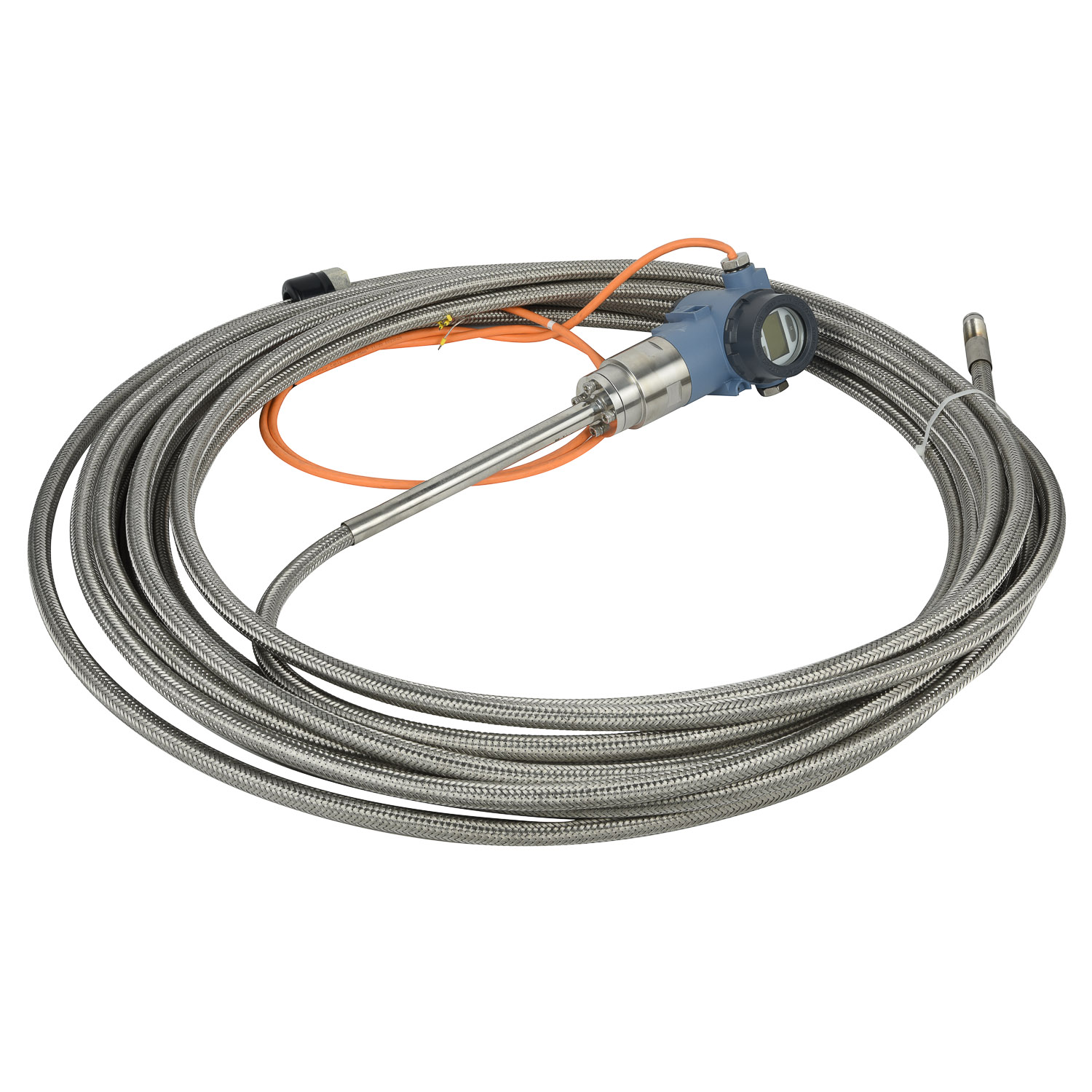
Power plant operators need dependable import substitutes for non-contact LVDT displacement sensors used in steam valves, feedwater control, turbine positioning, and boiler monitoring. A qualified domestic replacement should match the original sensor's form, fit, and function while delivering stable linearity, repeatability, low hysteresis, and long-term drift control. Because these sensors operate near high temperatures, vibration, moisture, and electromagnetic interference, robust sealing, screened cables, and proven EMC design are essential. Non-contact measurement reduces linkage wear and avoids mechanical load errors, making it well suited to high-cycle valve position feedback and safety-related monitoring. Import substitution should also cover excitation voltage, output signal, stroke range, mounting thread, connector type, and calibration data, so engineers can replace imported units without cabinet redesign or control-loop retuning. Local production can shorten lead times, lower spare-parts costs, simplify traceability, and provide faster engineering support during outages. Before plant-wide adoption, utilities should review test reports for thermal cycling, vibration, insulation resistance, EMC immunity, and material quality. A pilot installation on a critical valve or turbine loop can confirm signal stability, response speed, and maintainability under real operating conditions. They should also be supported by calibration certificates, batch traceability, and documented change control. For nuclear and thermal plants, qualification files should align with site safety and procurement standards, while spare sensors and repair kits remain available locally. With disciplined qualification, non-contact LVDT import substitutes can improve power plant supply security, reduce downtime risk, and support predictive maintenance and digital monitoring.
 Hydraulic Cylinder Built-in LV
 Mixing Station Explosion-proof
 Injection Molding Die Casting
Power Plant Non-contact LVDT D