
Port Intrinsically Safe Explosion-proof LVDT Displacement Sensor Installation Method
Correct installation is essential for reliable performance of a Port intrinsically safe explosion-proof LVDT displacement sensor. Before work begins, confirm the hazardous area classification and ensure the sensor, barrier or isolator, cable glands, and accessories carry valid certification. Isolate power and follow site permit procedures. Inspect the sensor and verify the measuring range and stroke.
Choose a rigid mounting point free from excessive vibration, heat, and corrosive media. Use the specified bracket and fasteners, and keep the sensor body coaxial with the moving core. Misalignment increases friction and error. Set the core at the electrical zero or required null position within the working stroke, then tighten locking devices without twisting the rod. Allow small axial clearance to prevent bottoming.
Route the shielded cable through approved glands. Keep signal cables away from power lines. Connect wires according to the barrier or isolator diagram, and tighten terminals securely. Bond the housing and cable shield at the designated point only. Do not open the enclosure in a live hazardous atmosphere.
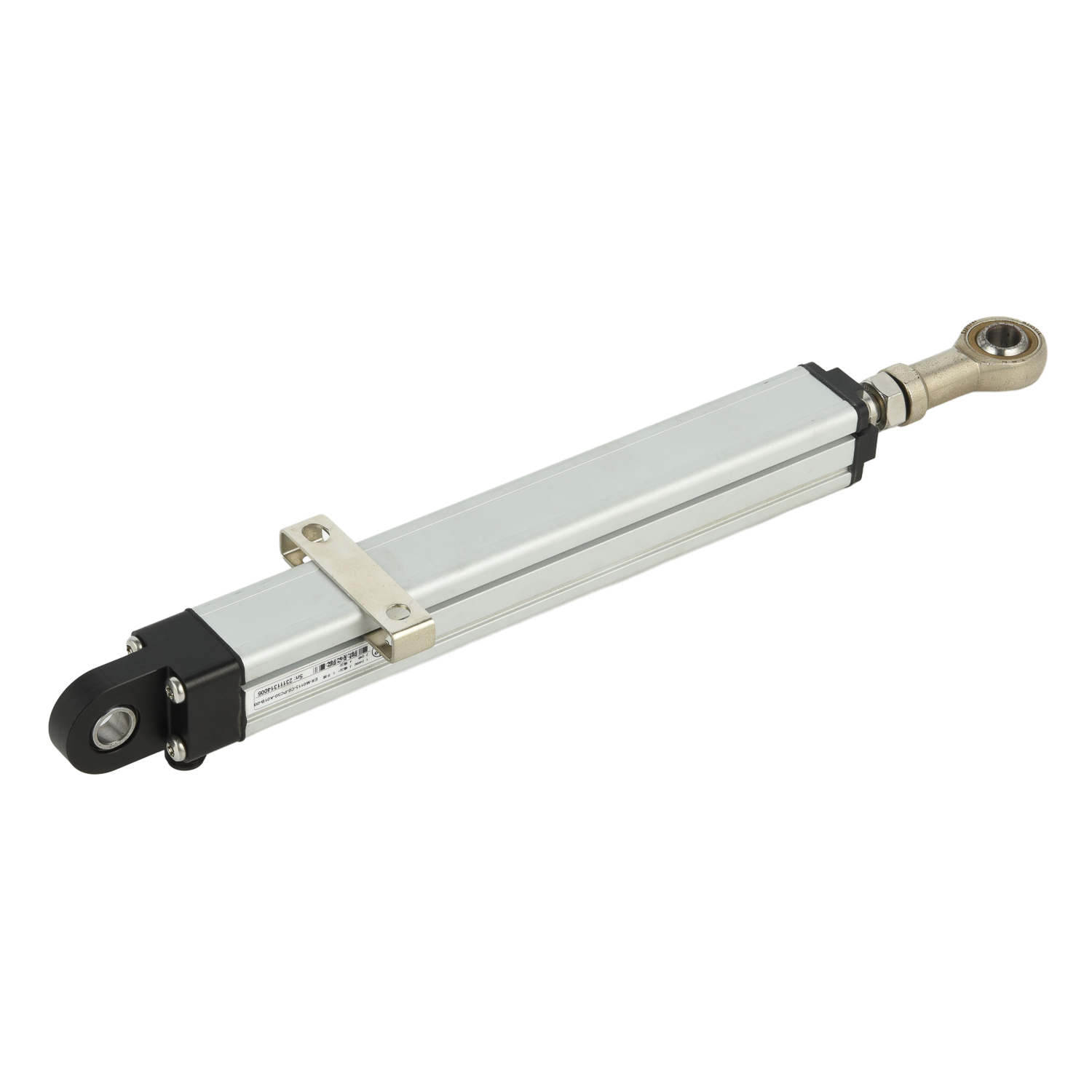
After installation, check travel, polarity, and output stability. Perform zero and span adjustment with certified equipment. Record final settings and seal unused entries. During maintenance, isolate circuits, inspect seals and cables, and replace damaged parts with certified parts. This method ensures safe, accurate, and long-term displacement measurement in hazardous-area applications.
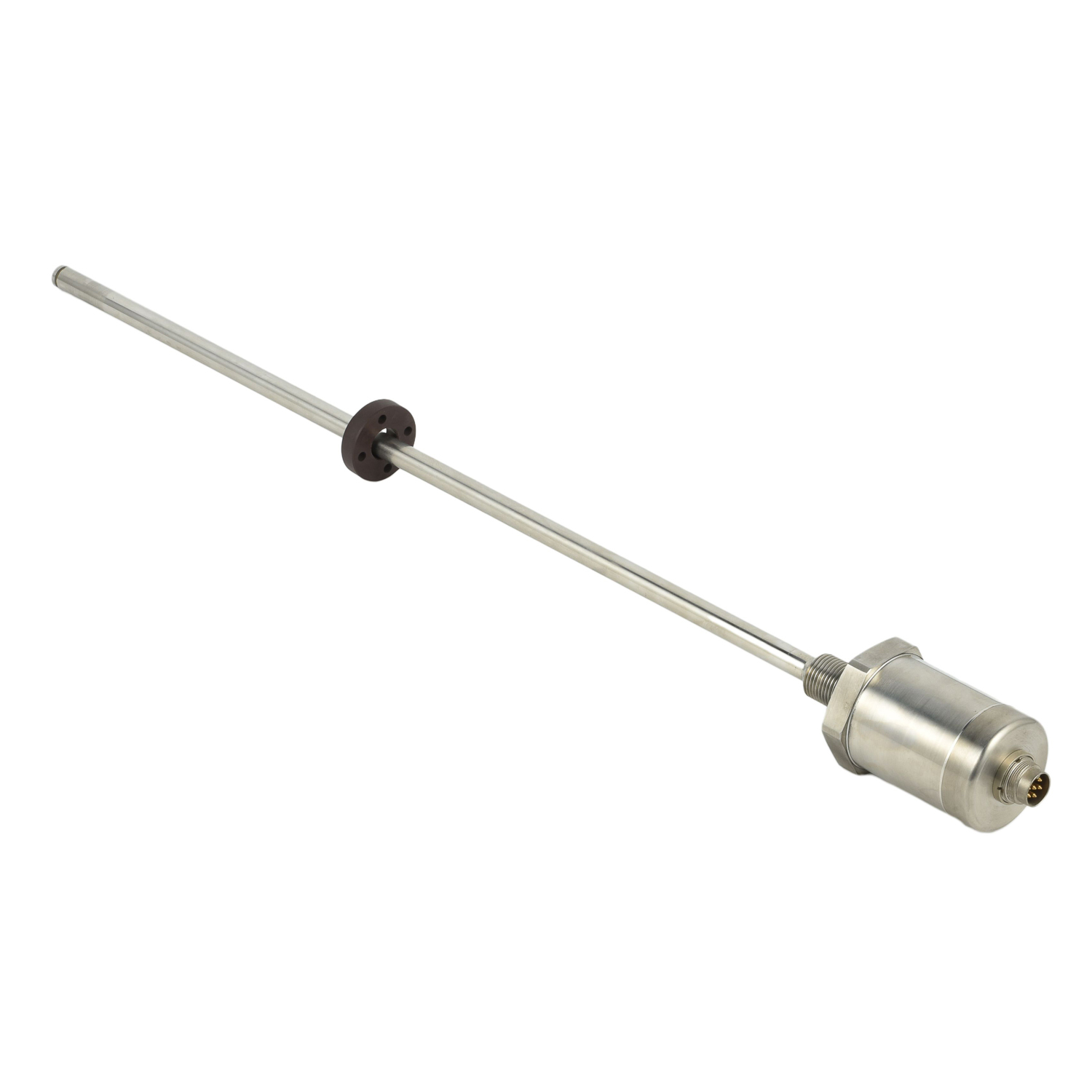 Hydraulic Cylinder Built-in LV
 Mixing Station Explosion-proof
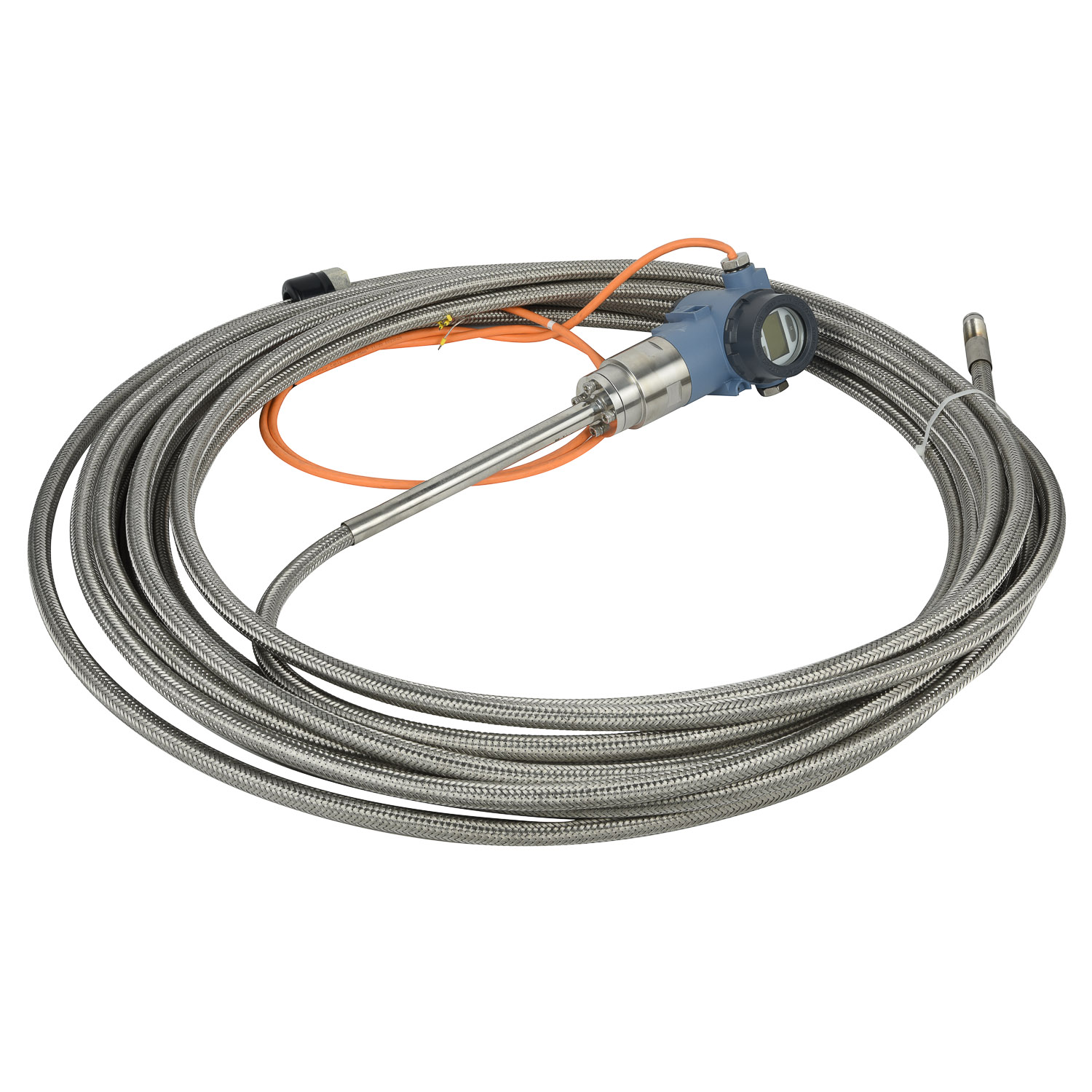 Injection Molding Die Casting
Power Plant Non-contact LVDT D