
Chemical Industry High-pressure LVDT Displacement Sensor Price
Chemical industry buyers often ask what a high-pressure LVDT displacement sensor costs. There is no single price, because each unit must match pressure rating, process media, stroke length, accuracy, output signal, and certification. A standard high-pressure LVDT displacement sensor may cost several hundred dollars, while a custom chemical-industry model with 316L stainless steel housing, pressure-resistant sealing, ATEX or IECEx certification, and high-resolution output can reach several thousand dollars.
Pressure rating is a major cost driver. Sensors designed for high-pressure reactors, pipelines, and valves need robust pressure barriers, thick-wall housings, and leak-tested seals. Materials also matter. Stainless steel, Hastelloy, and specialized coatings increase cost but improve corrosion resistance in aggressive chemicals.
Performance requirements affect price. Higher linearity, repeatability, temperature stability, and long stroke lengths require tighter manufacturing and calibration. Output options such as 4-20 mA, 0-10 V, RS485, or HART add electronics and testing. Hazardous-area certifications, IP67/IP68 protection, and extended temperature ranges also raise the total price. Order volume, cable length, connector type, and after-sales service also influence the final price.
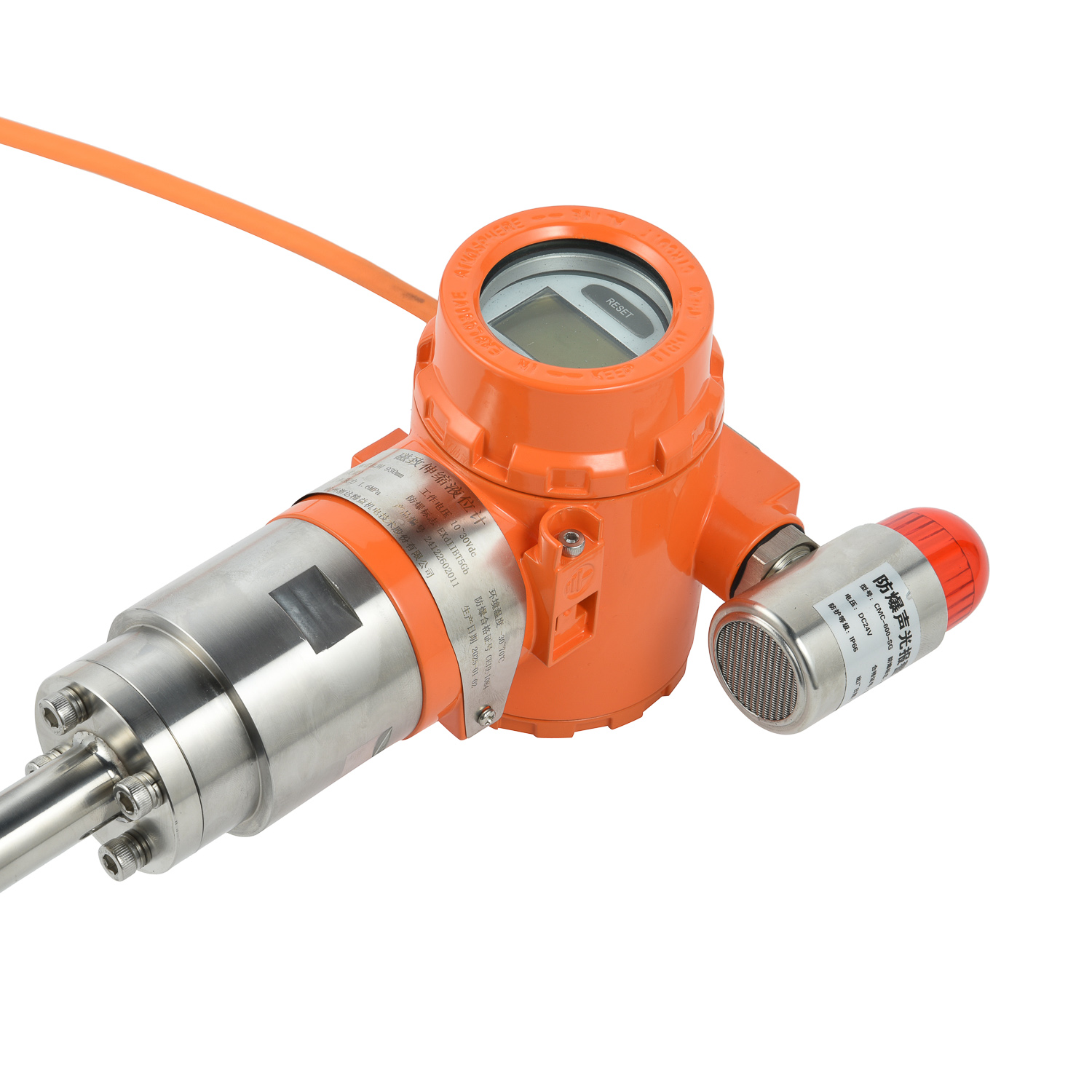
When comparing quotes, evaluate total value rather than the lowest price. Check calibration reports, pressure test data, lead time, warranty, and supplier support. A reliable high-pressure LVDT displacement sensor reduces downtime and safety risk in chemical plants. Request a detailed quotation with specifications, certification, and delivery terms to get an accurate price.
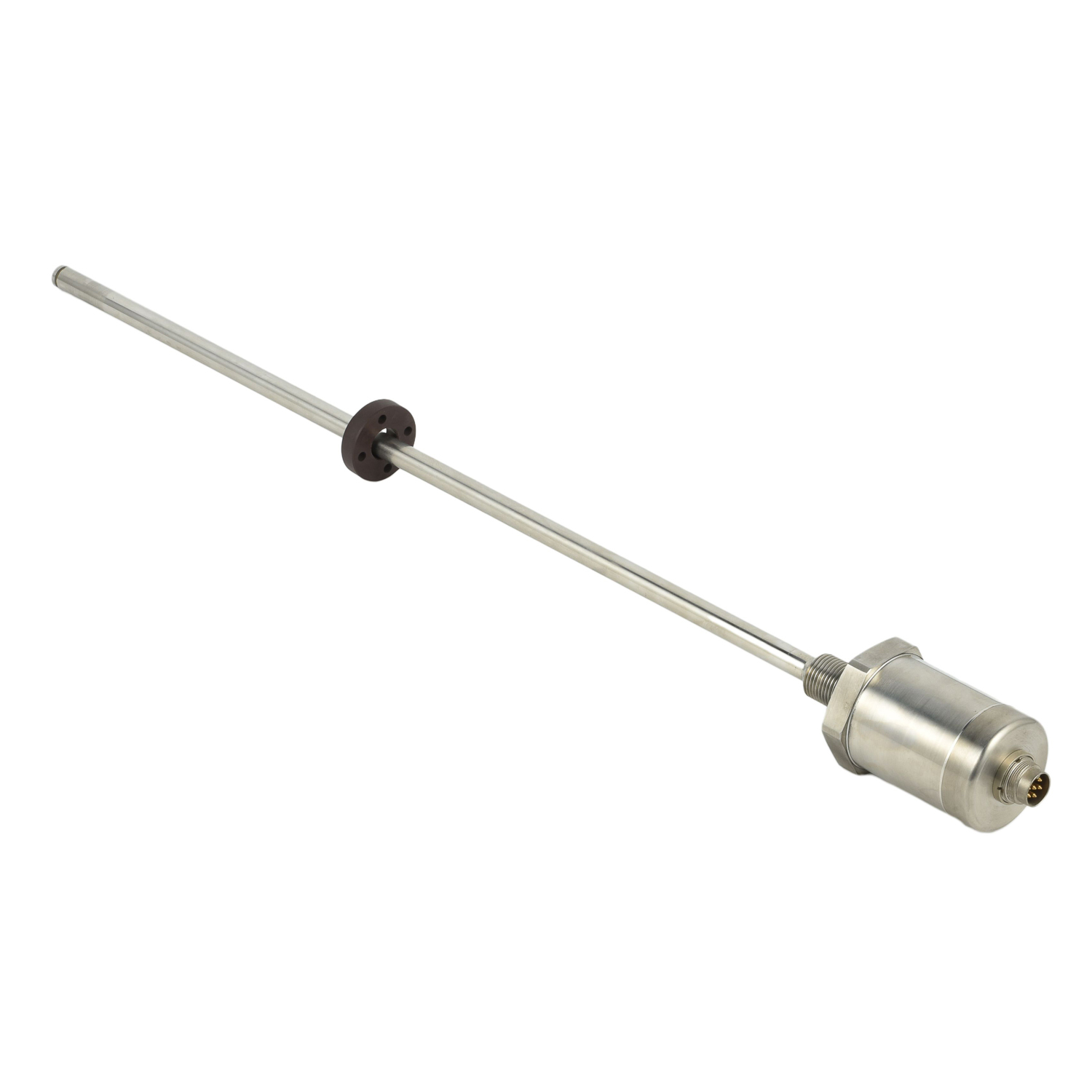 Hydraulic Cylinder Built-in LV
 Mixing Station Explosion-proof
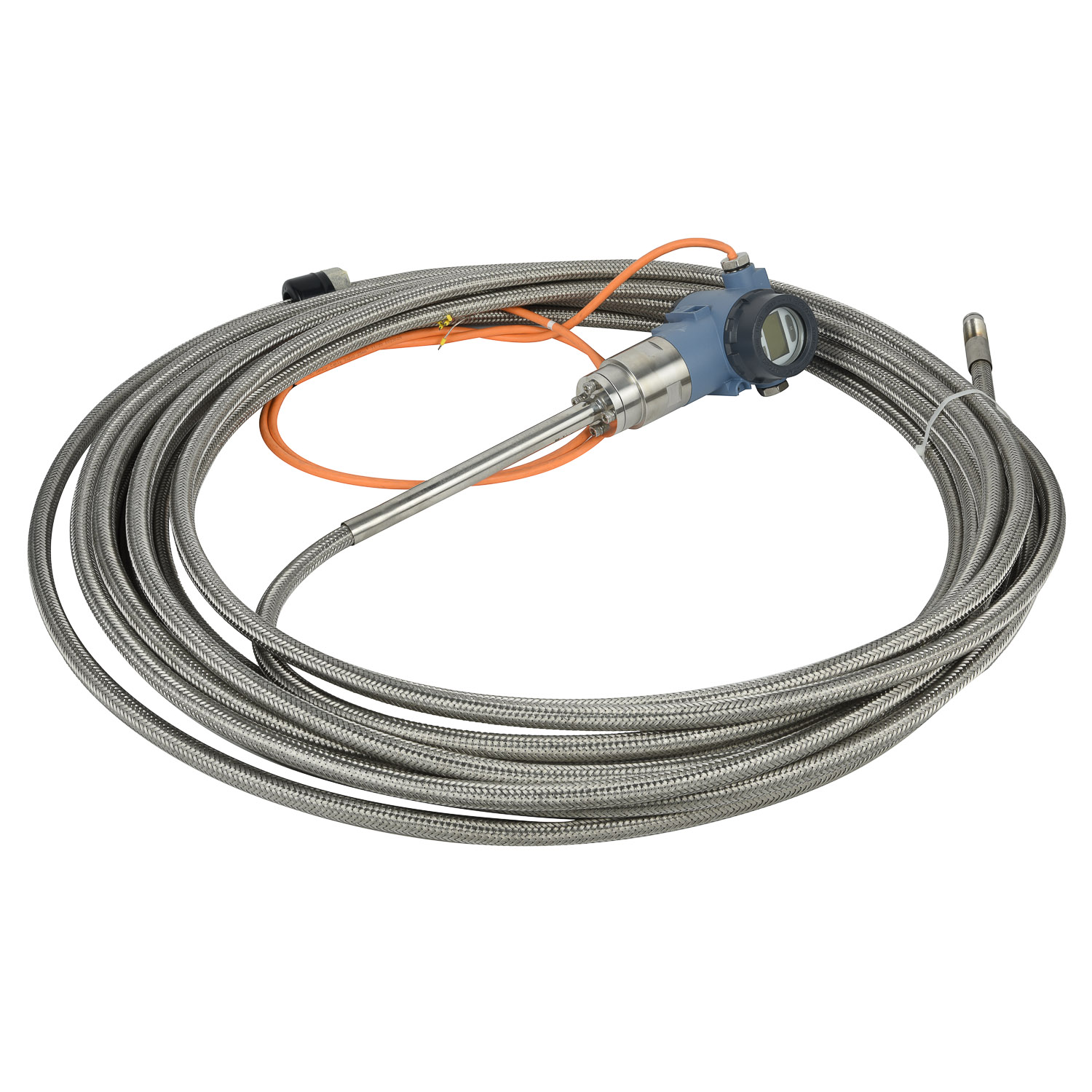 Injection Molding Die Casting
 Power Plant Non-contact LVDT D