
Mining High-temperature LVDT Displacement Sensor Selection
Selecting a high-temperature LVDT displacement sensor for mining requires more than matching stroke length. Mining equipment faces heat, dust, vibration, impact, and washdown, so the sensor must be built for harsh environments. First, confirm the working temperature range and choose a high-temperature LVDT rated above the expected peak, including radiant heat from engines, brakes, or hydraulic systems. Second, verify mechanical protection: stainless-steel housing, sealed connectors, IP67 or higher ingress protection, and resistance to shock and vibration. Third, match the measuring stroke and linearity to the application. A slightly longer stroke can prevent mechanical over-travel, while suitable linearity ensures reliable position feedback for conveyors, crushers, valves, and hydraulic cylinders. Fourth, review output and integration: 4-20 mA, 0-10 V, or digital options should suit the control system, cable routing, and electromagnetic noise. Fifth, consider mounting and service access. Robust clamps, protected cables, and easy calibration reduce downtime. For high-temperature mining duties, request test data, thermal compensation details, and long-term stability. Check the sensor's pressure rating, corrosion resistance, and cable jacket material if it will be exposed to oil, slurry, or cleaning chemicals. Review supplier support, calibration certificates, and lead time before installation. A well-selected LVDT improves safety, reduces maintenance, and delivers stable displacement measurement in demanding mining operations.
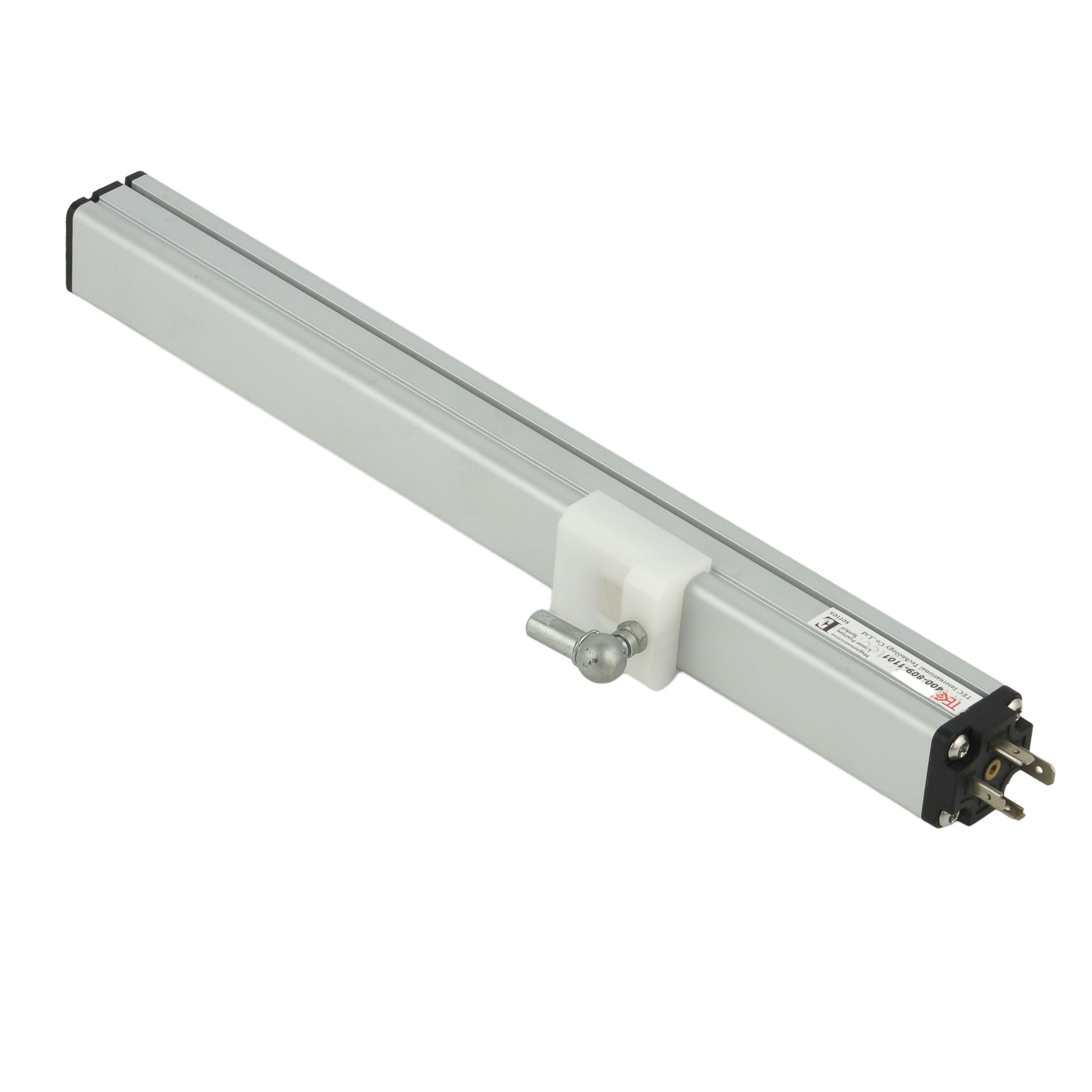
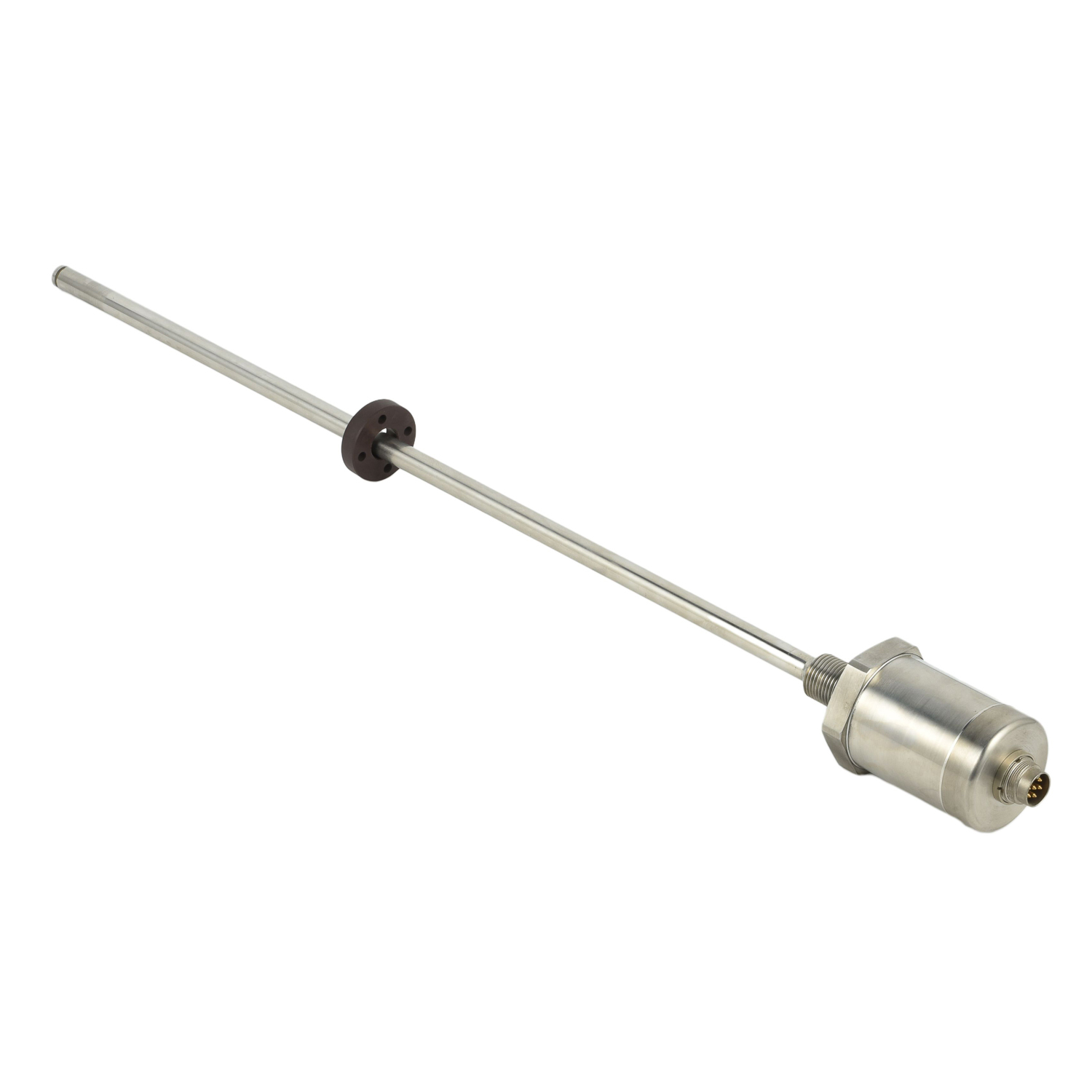 Hydraulic Cylinder Built-in LV
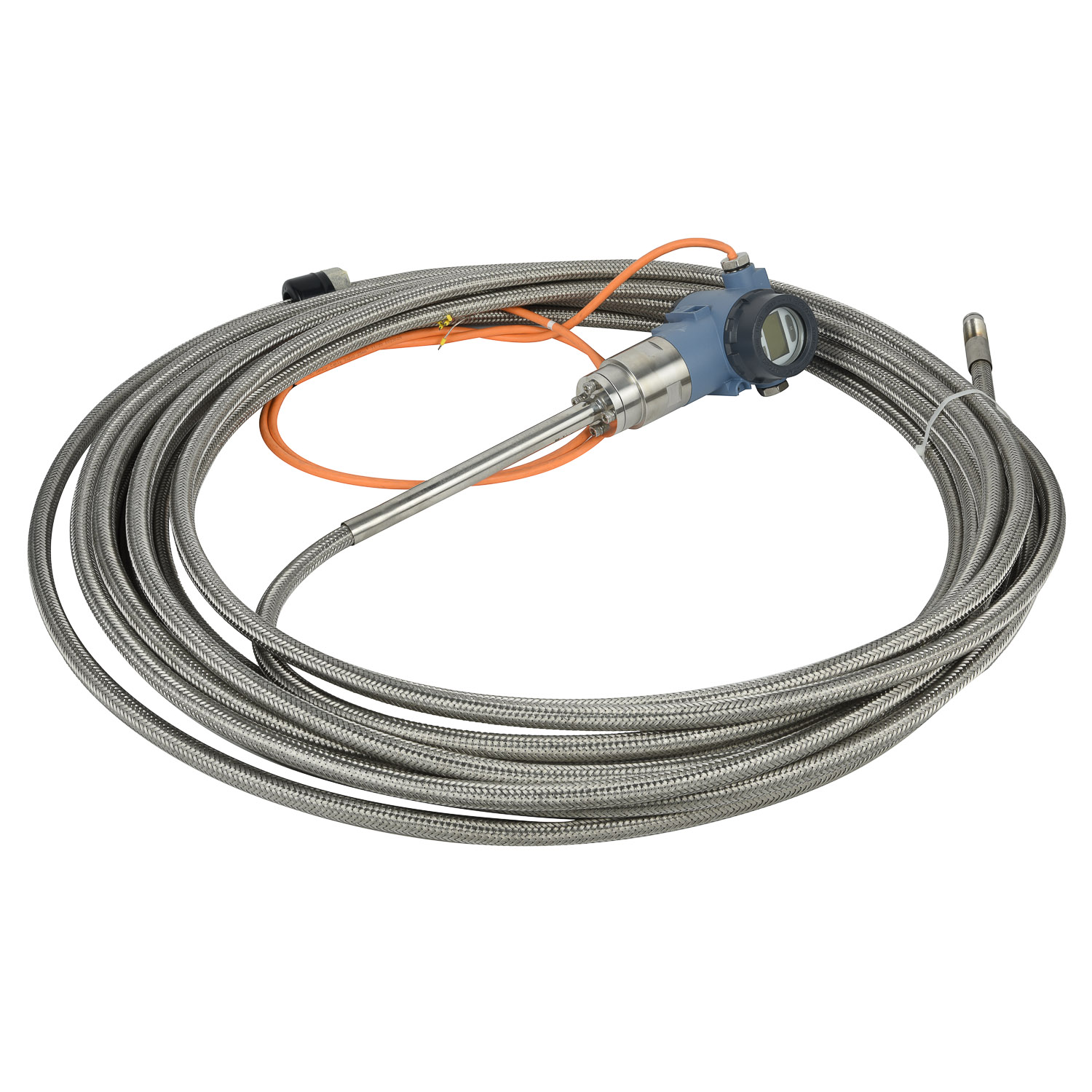
 Mixing Station Explosion-proof
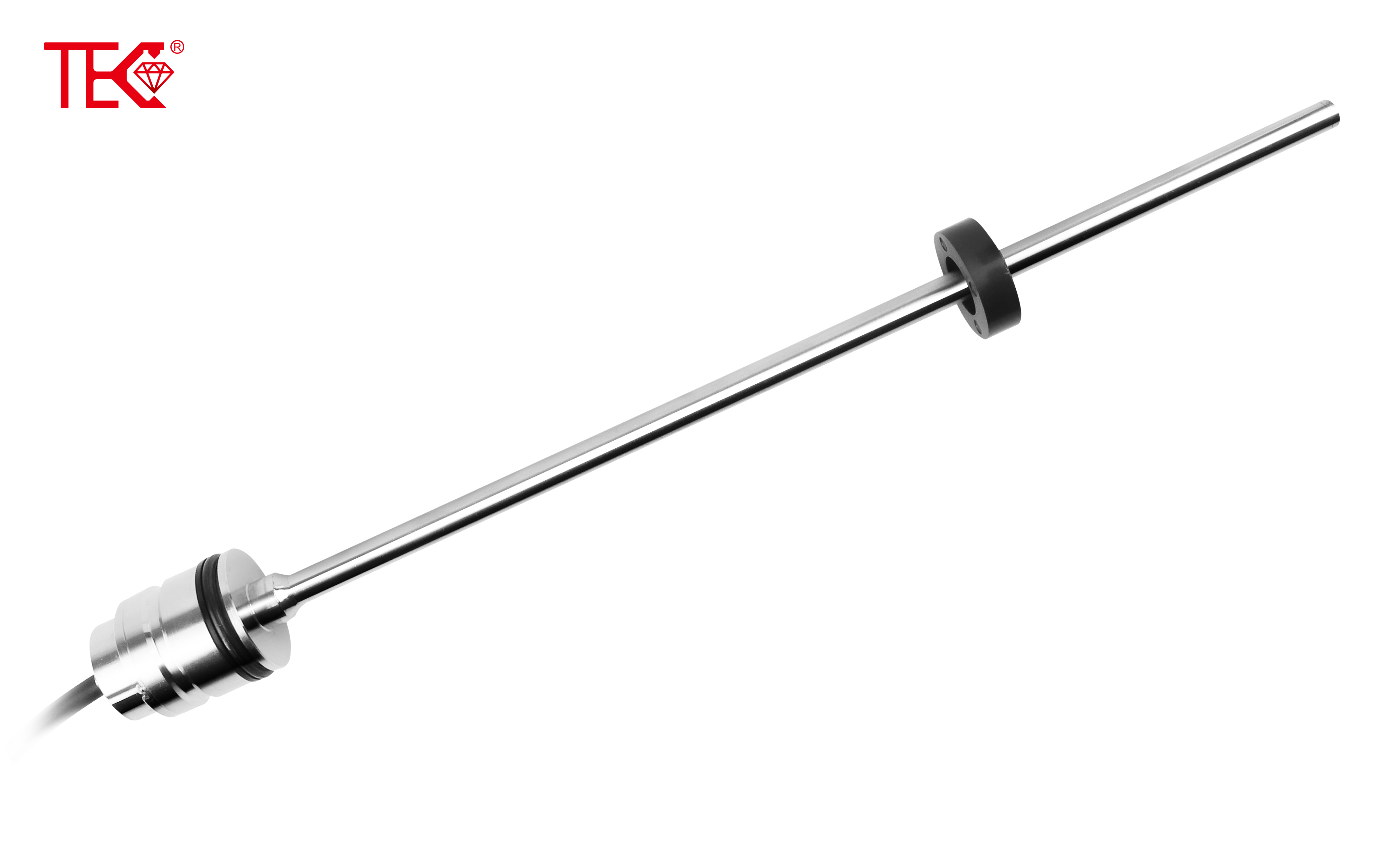
 Injection Molding Die Casting
 Power Plant Non-contact LVDT D