
Sewage Treatment Material Tank Waterproof LVDT Displacement Sensor Installation Method
Installing a waterproof LVDT displacement sensor in a sewage treatment material tank requires careful planning to ensure accurate measurement, long service life, and safe operation. First, isolate and drain the mounting area, then confirm the sensor rating meets IP68 and chemical resistance requirements. Check tank material compatibility and avoid welding near the installed sensor. Choose a rigid stainless-steel bracket and mount it on a stable tank wall or support frame, away from turbulence, sludge accumulation, and moving equipment. Keep the LVDT core and coil aligned concentrically within the specified stroke. Use non-corrosive fasteners and apply thread sealant to prevent leakage. Route the cable through a waterproof gland with a drip loop, and seal all entries with approved epoxy or cable compound. Connect shielding and grounding according to the controller manual to reduce electrical noise. After installation, verify mechanical freedom, set the zero and span, and calibrate against a known reference. Test the output through the full measuring range and check for signal drift. Record baseline readings after 24 hours. Finally, document the installation and schedule periodic inspections for seal integrity, cable damage, and bracket corrosion. Proper installation ensures stable displacement data for material level and tank deformation monitoring in harsh sewage environments.
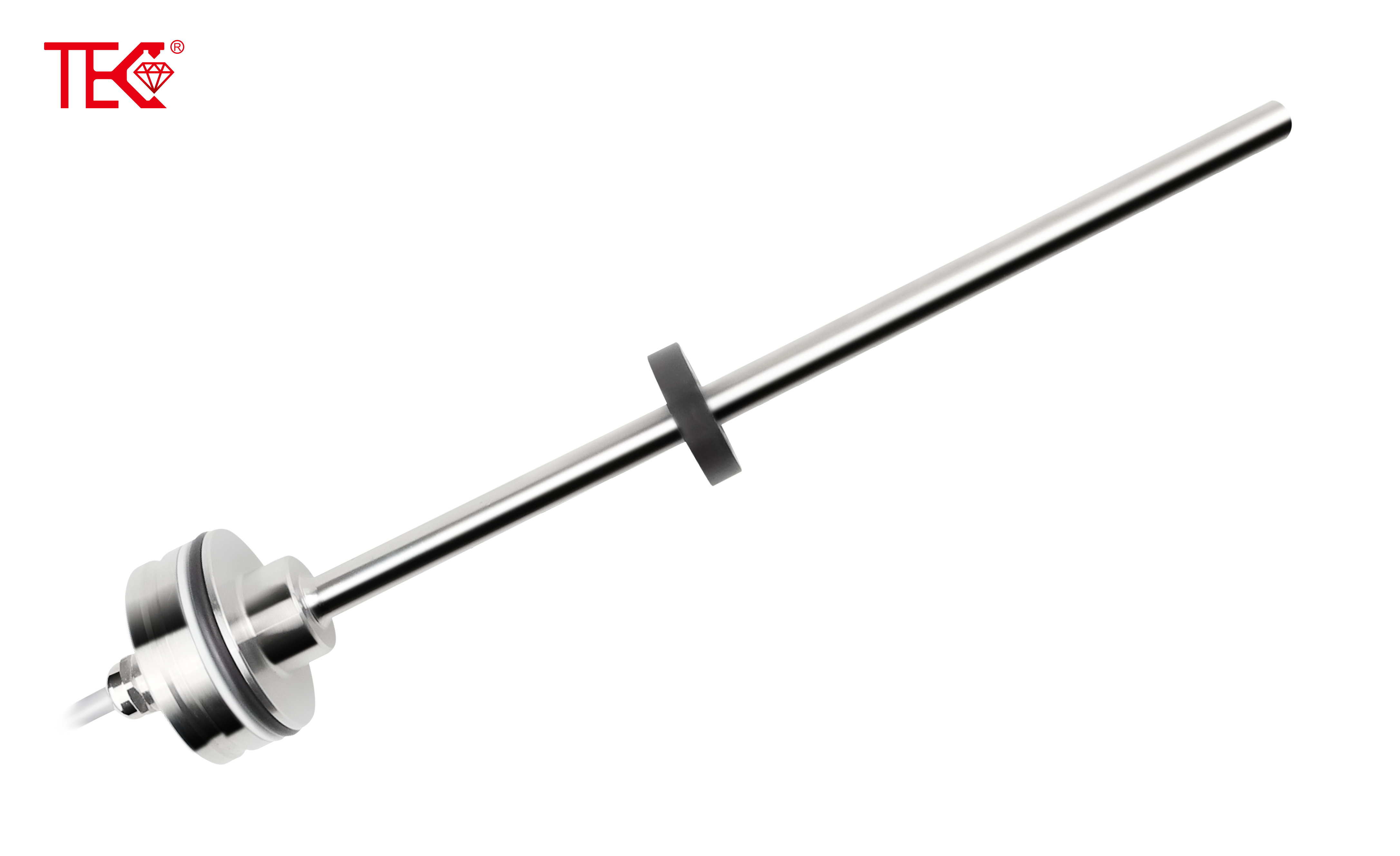 Sewage Treatment Material Tank
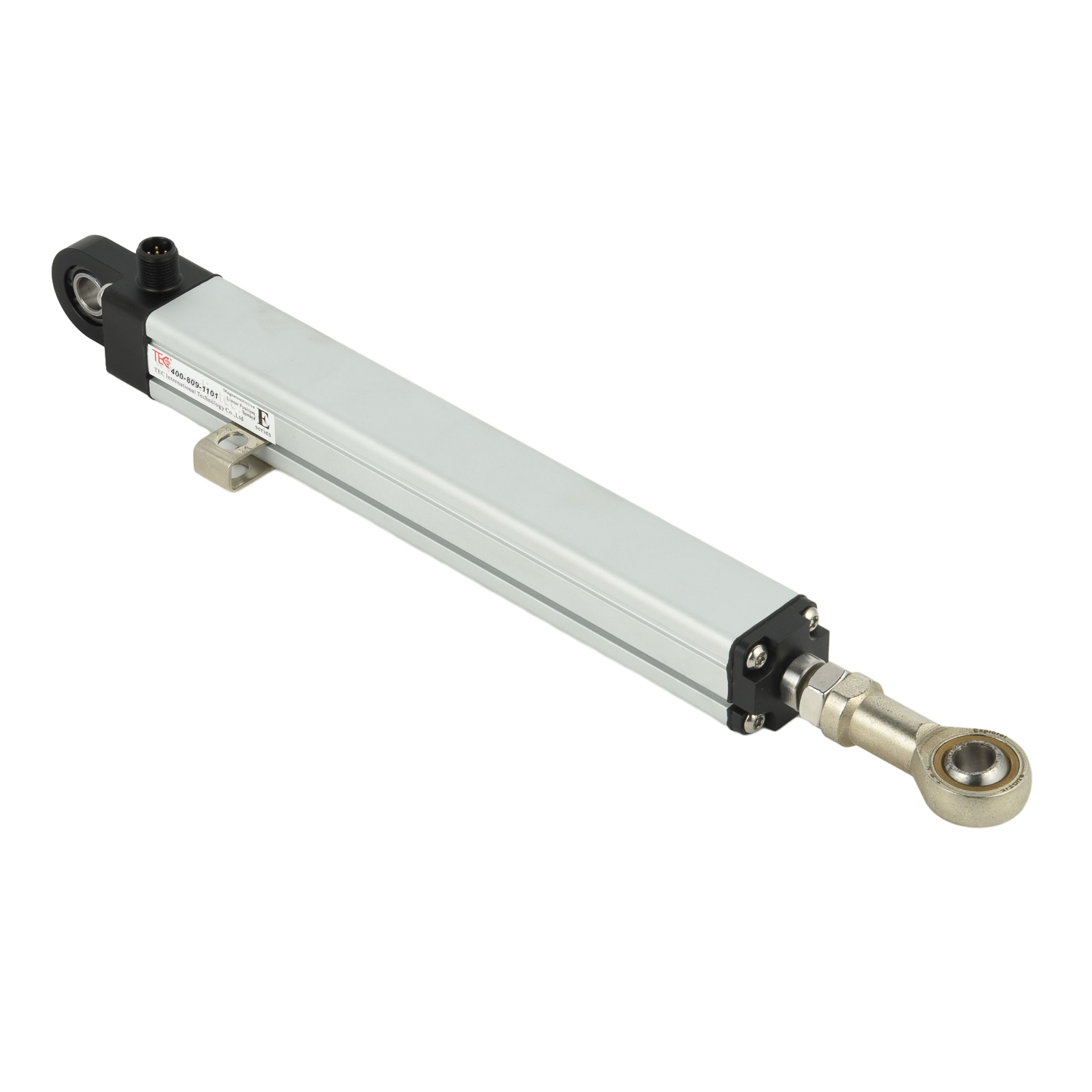 Chemical Reaction Kettle High-
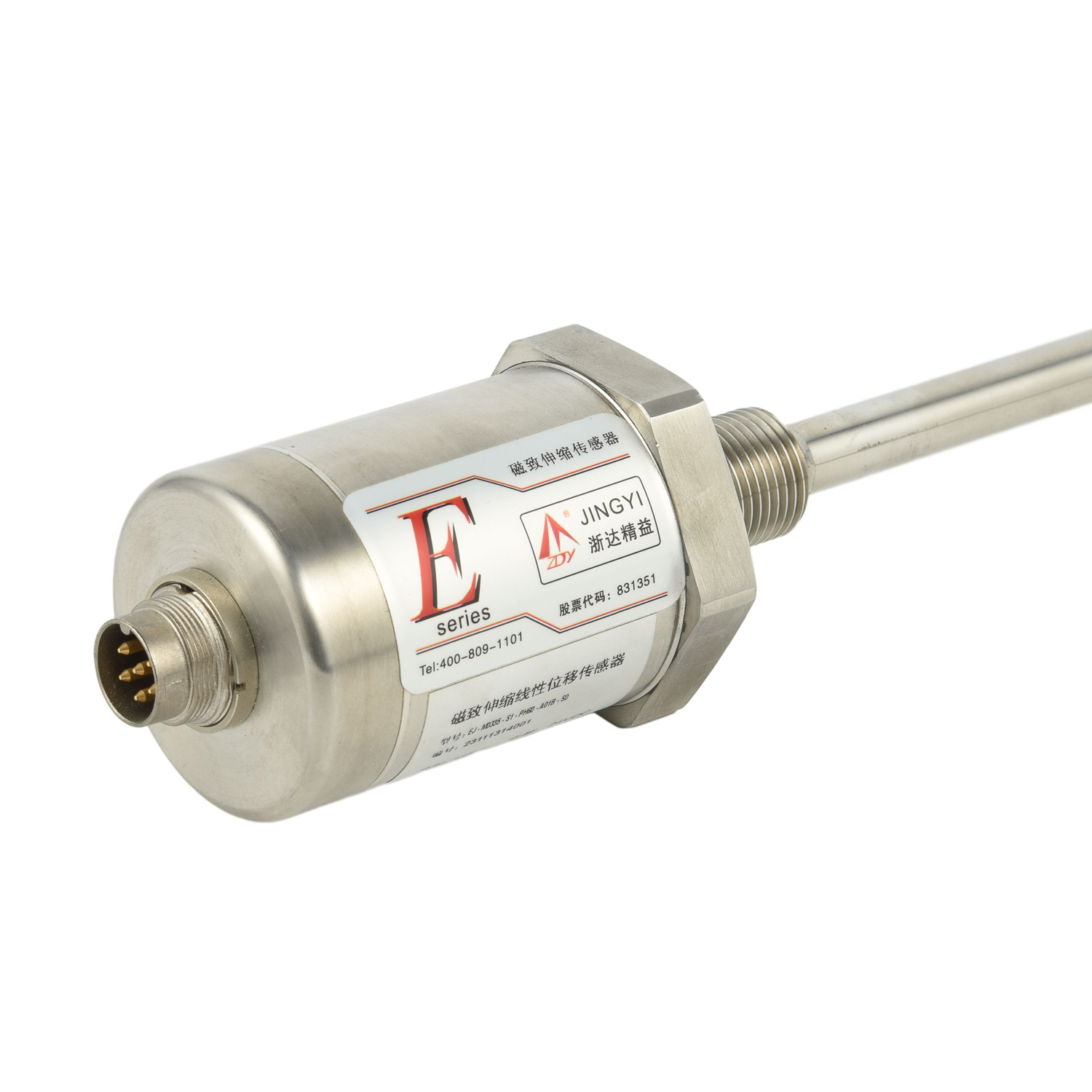 Cement Bucket Wheel Stacker-re
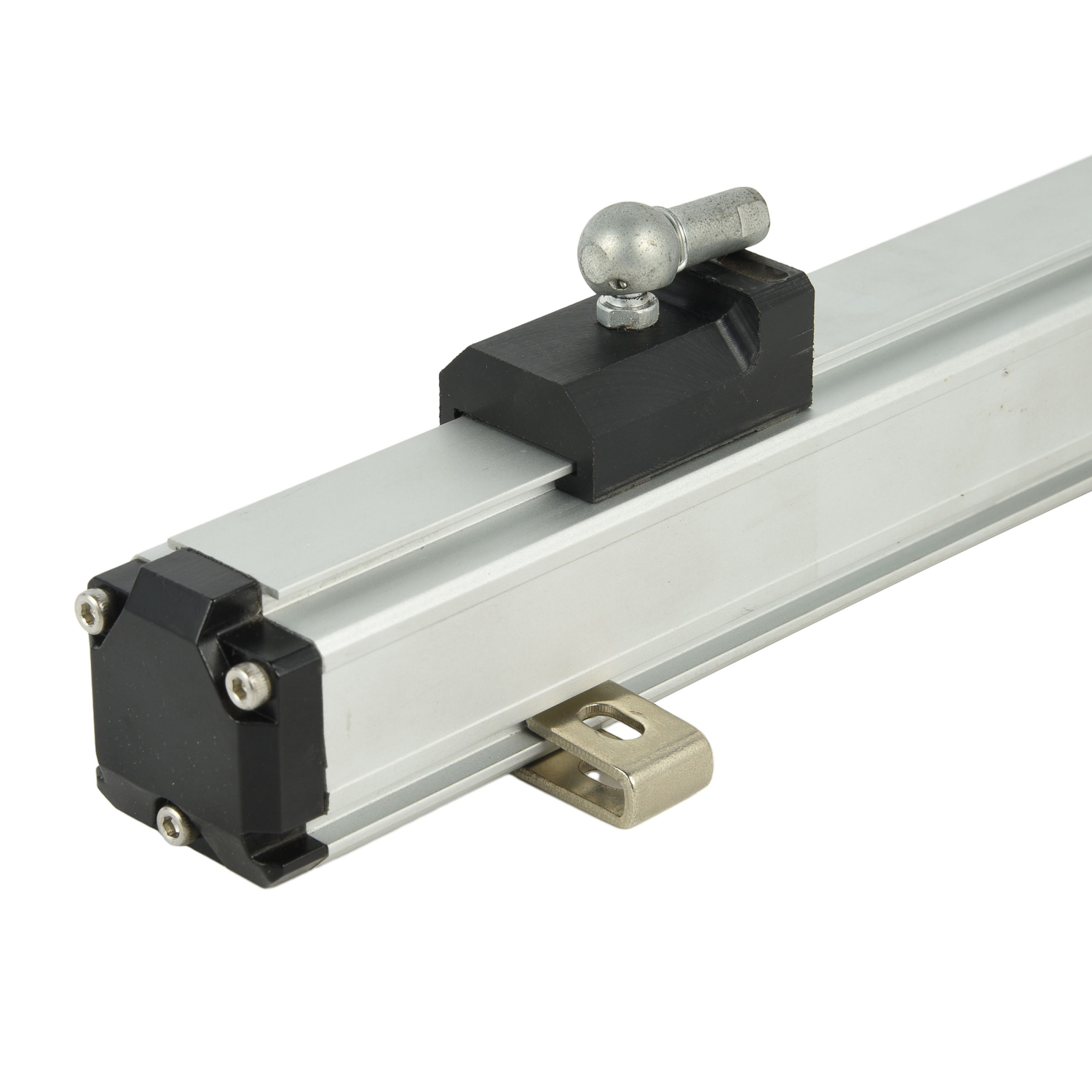 Mining Overhead Crane LVDT Dis