
Shield Tunneling Rod-type LVDT Displacement Sensor Fault
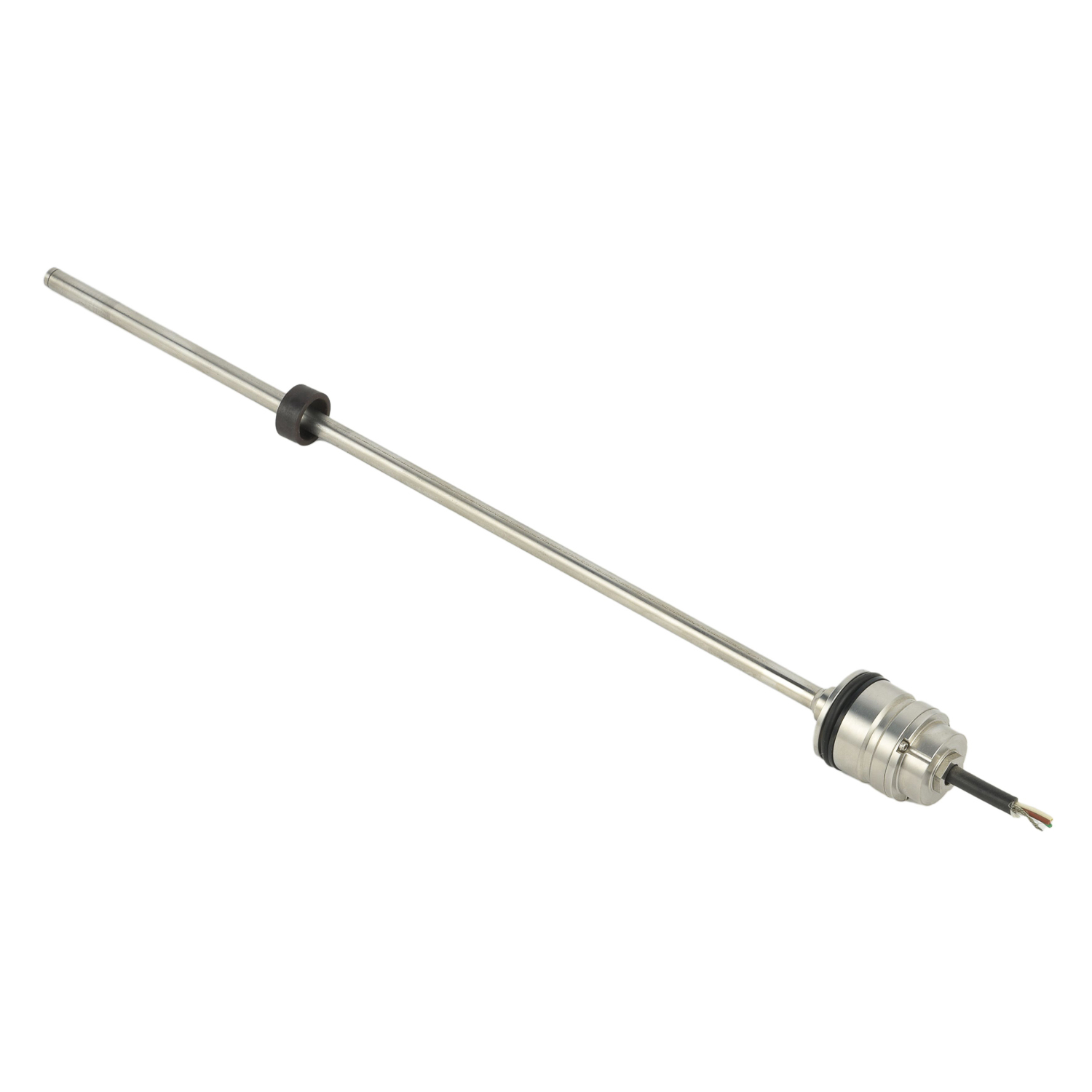
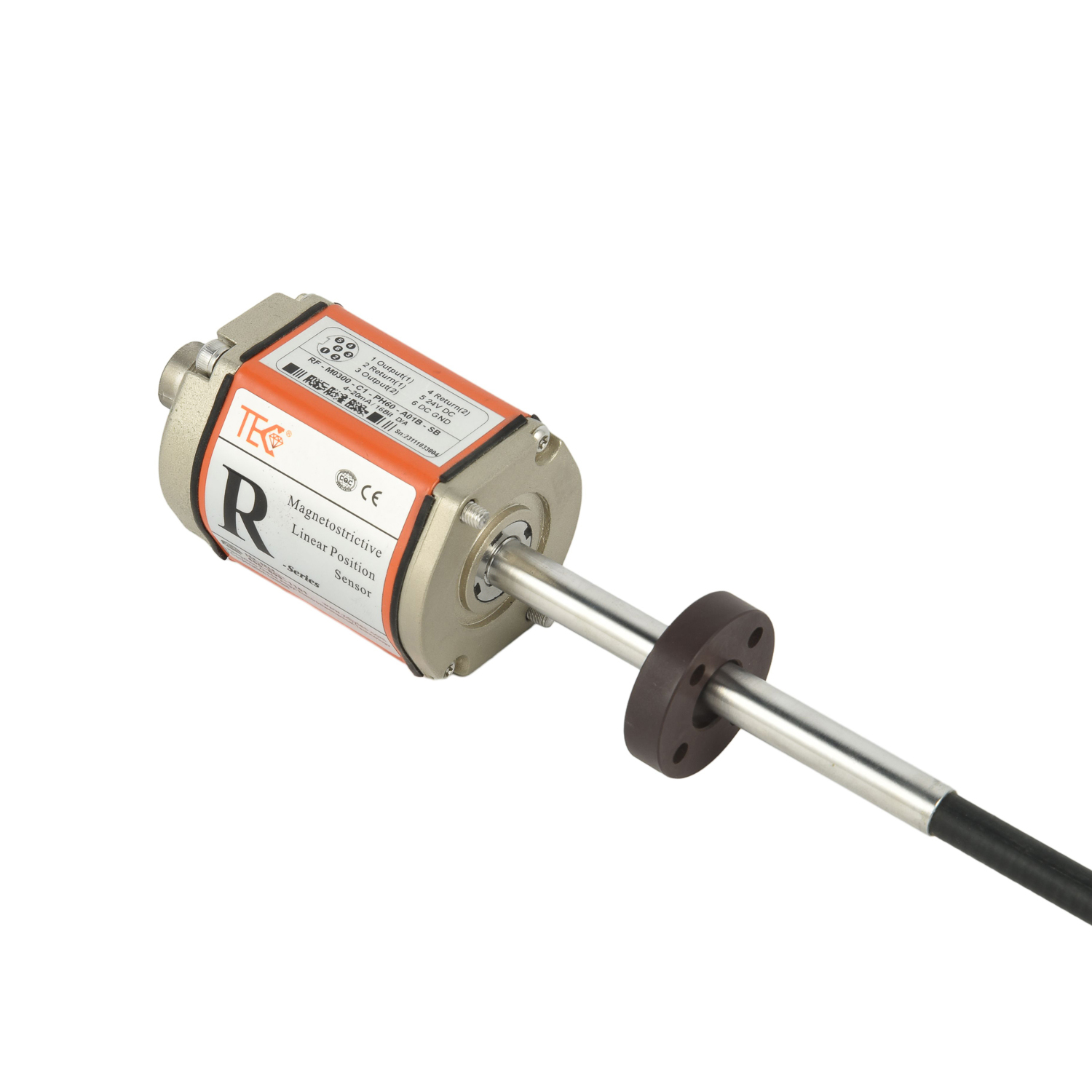
Shield tunneling relies on precise displacement feedback to control cutterhead position, shield attitude, and segment alignment. A rod-type LVDT displacement sensor is often used in harsh tunnel environments because it offers high resolution and robust mechanical linkage. However, faults can reduce data quality.
Common symptoms include unstable zero drift, reduced linearity, no signal output, and mechanical sticking. In shield tunneling, these faults may appear as sudden deviation alarms, inconsistent stroke feedback, or poor closed-loop control. Root causes include ingress of water, slurry, and fine dust; cable damage; connector corrosion; core wear; loose mounting; electromagnetic interference; and temperature effects.
Diagnosis should start with visual inspection and wiring checks. Verify supply voltage, insulation resistance, and signal output through calibrated meter or data logger. Compare the rod-type LVDT with a reference sensor, inspect rod for bending or contamination, and test full-stroke movement for smooth response. Record drift under stable conditions to separate sensor failure from hydraulic issues.
Corrective actions include cleaning or replacing seals, repairing connectors, securing mounts, shielding cables, and recalibrating sensor. If the coil, rod, or electronics are damaged, replacement is safer than field repair. For reliable shield tunneling, maintain a spare LVDT and schedule regular inspection, especially after water inflow or high-vibration operation.
 Mixing Station Silo Explosion-
Shield Tunneling Rod-type LVDT
 Injection Molding Die Casting
 Construction Machinery Built-i