
Injection Molding Die Casting Injection Molding Machine Flange-mounted LVDT Displacement Sensor Field Application
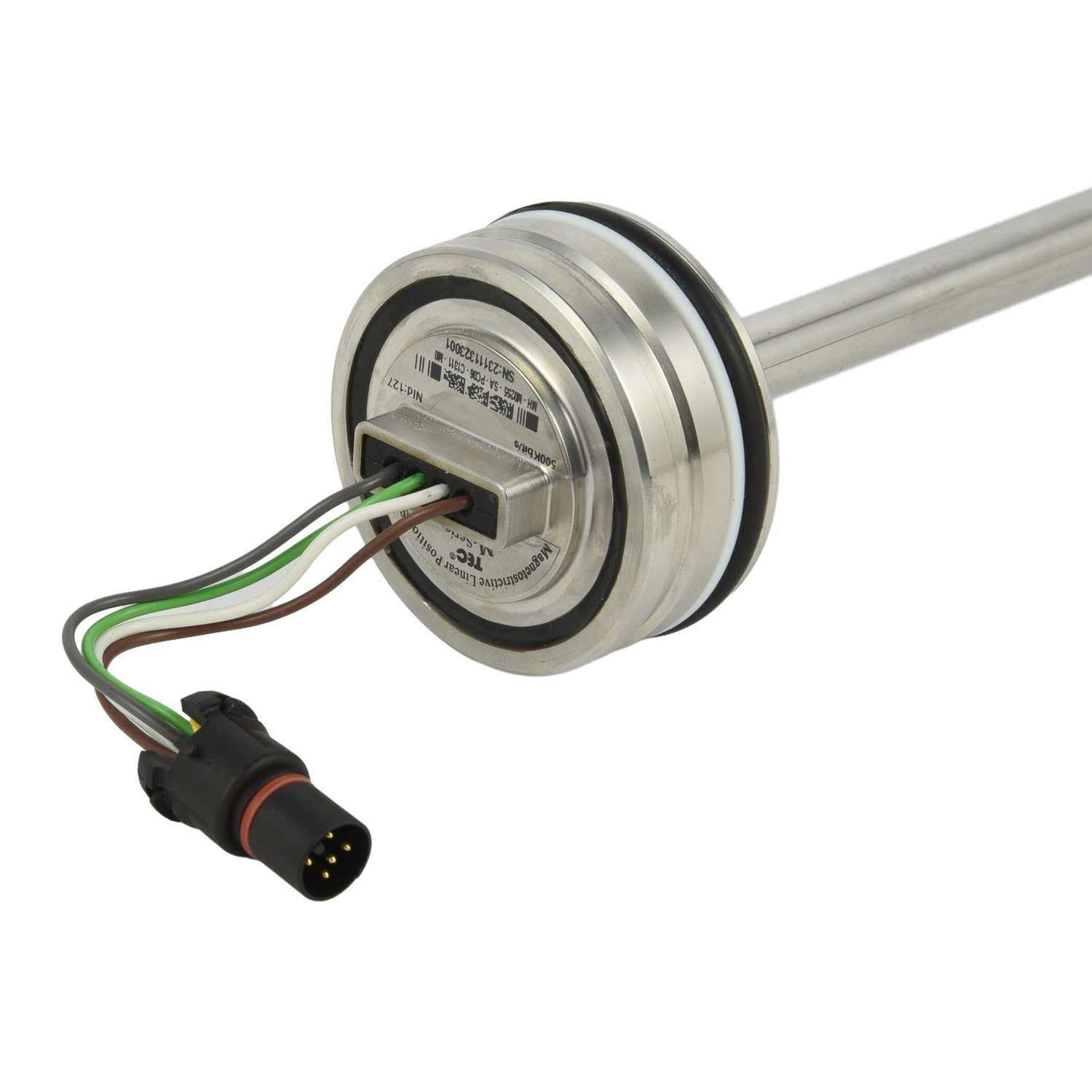
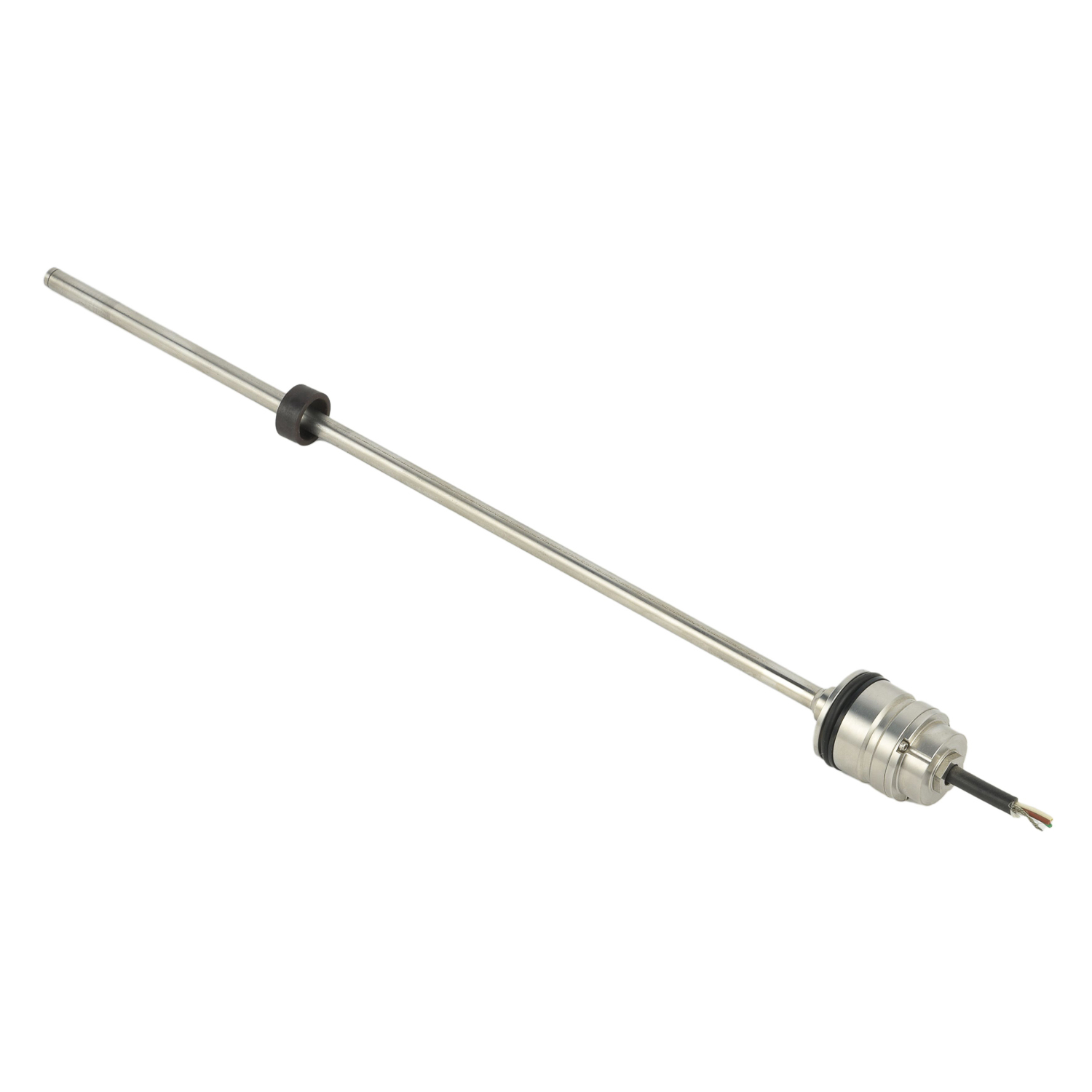
In injection molding and die casting, reliable position feedback is essential for repeatable clamping, injection, ejection, and mold protection. A flange-mounted LVDT displacement sensor is often installed on the moving platen, ejector plate, or injection carriage to measure linear movement in real time. Its flange mounting provides rigid alignment and easy retrofit in compact machine spaces, while the LVDT principle delivers high resolution, excellent repeatability, and long service life without contact wear. In injection molding machines, the sensor supports mold-closing stroke control, tie-bar or platen position monitoring, and ejector stroke verification. In die casting machines, it helps monitor shot position and mold adjustment under vibration, dust, and temperature variation. Rugged housings, sealed cables, and shielded signal output improve resistance to EMI and hydraulic oil. Because the sensor body is fixed by a flange, it can be mounted close to the measured axis, reducing leverage errors and improving signal stability. When integrated with the controller, the sensor enables closed-loop control, faster setup, reduced scrap, and predictive maintenance. Proper installation requires stable flange fixation, coaxial alignment with the moving axis, and cable protection from moving parts. Regular zero-point checks and connector inspection ensure accurate long-term performance. This field application shows that flange-mounted LVDT displacement sensors are practical, cost-effective feedback components for modern injection molding and die casting equipment.
 Shield Tunneling Rod-type LVDT
Injection Molding Die Casting
 Construction Machinery Built-i
 Power Plant Crane Non-contact