
Port Overhead Crane Intrinsically Safe Explosion-proof LVDT Displacement Sensor Installation Method
Installing an intrinsically safe explosion-proof LVDT displacement sensor on a port overhead crane requires careful planning, mounting, and controlled wiring. First, isolate the crane, follow lockout/tagout, and verify hazardous area classification. Select a sensor rated for the zone, gas group, and temperature class, and confirm the associated barrier or isolator matches the LVDT's entity parameters. Mount the sensor on a rigid, vibration-resistant bracket close to the measured motion. Keep the LVDT core and coil aligned through full crane travel. Use stainless steel fasteners and lock washers, and allow small mechanical clearance to prevent binding. Protect the sensor from impact, dust, spray, and water with a suitable IP-rated enclosure and sun/rain shield. Route intrinsically safe circuits in dedicated metal conduit or armored cable, separated from power cables. Use shielded twisted-pair cable, connect the shield at the barrier side only, and terminate cores per drawing. Do not mix IS and non-IS wiring in one enclosure. Bond the barrier, sensor housing, and crane structure to the plant grounding system. After installation, check insulation, continuity, and polarity. Calibrate zero and span at specified travel points, then verify signal stability during slow movement. Record barrier parameters, cable length, and calibration results. During commissioning, inspect glands, seals, and labels, and confirm maintenance procedures preserve explosion-proof and intrinsically safe integrity.
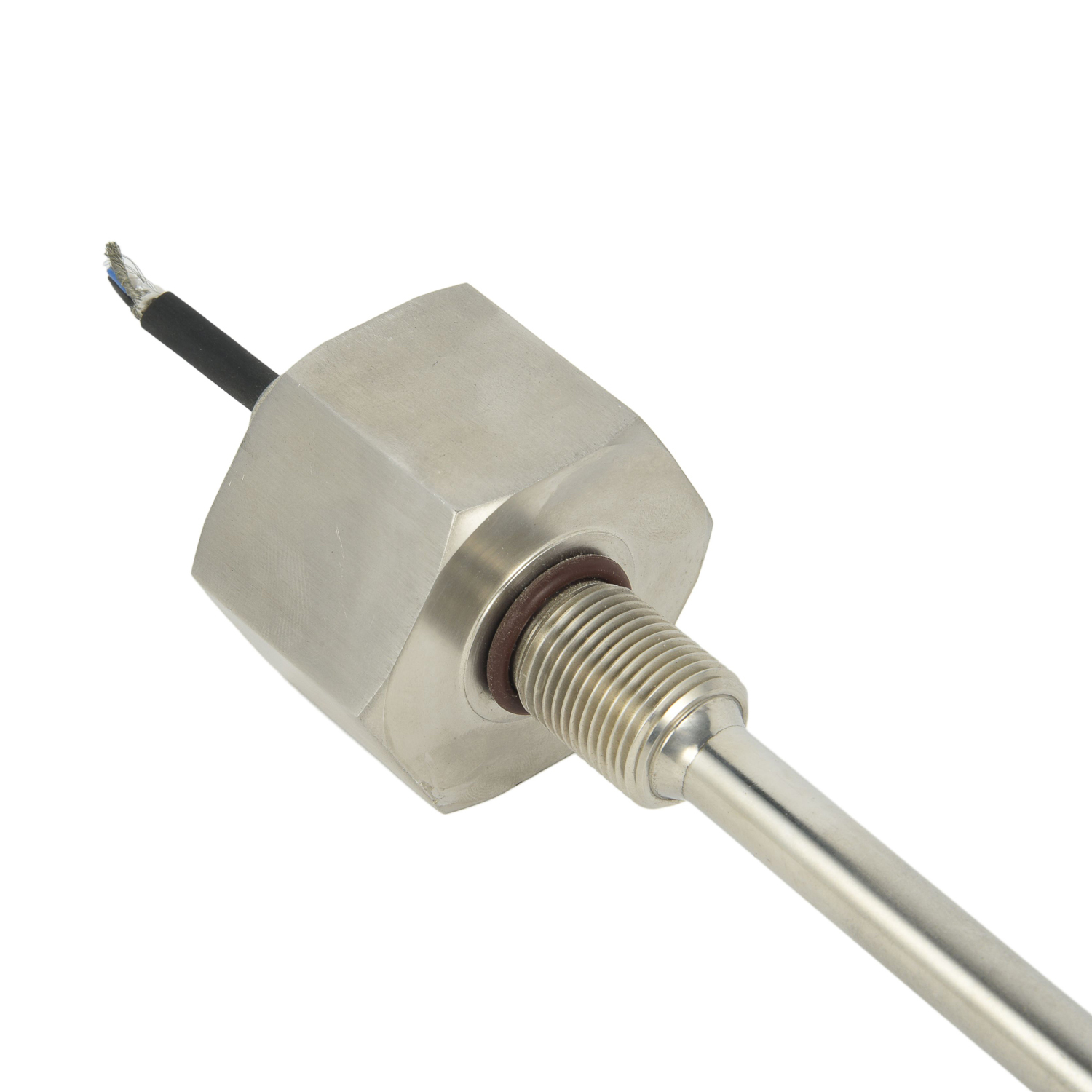
 Power Plant Crane Non-contact
Port Overhead Crane Intrinsica
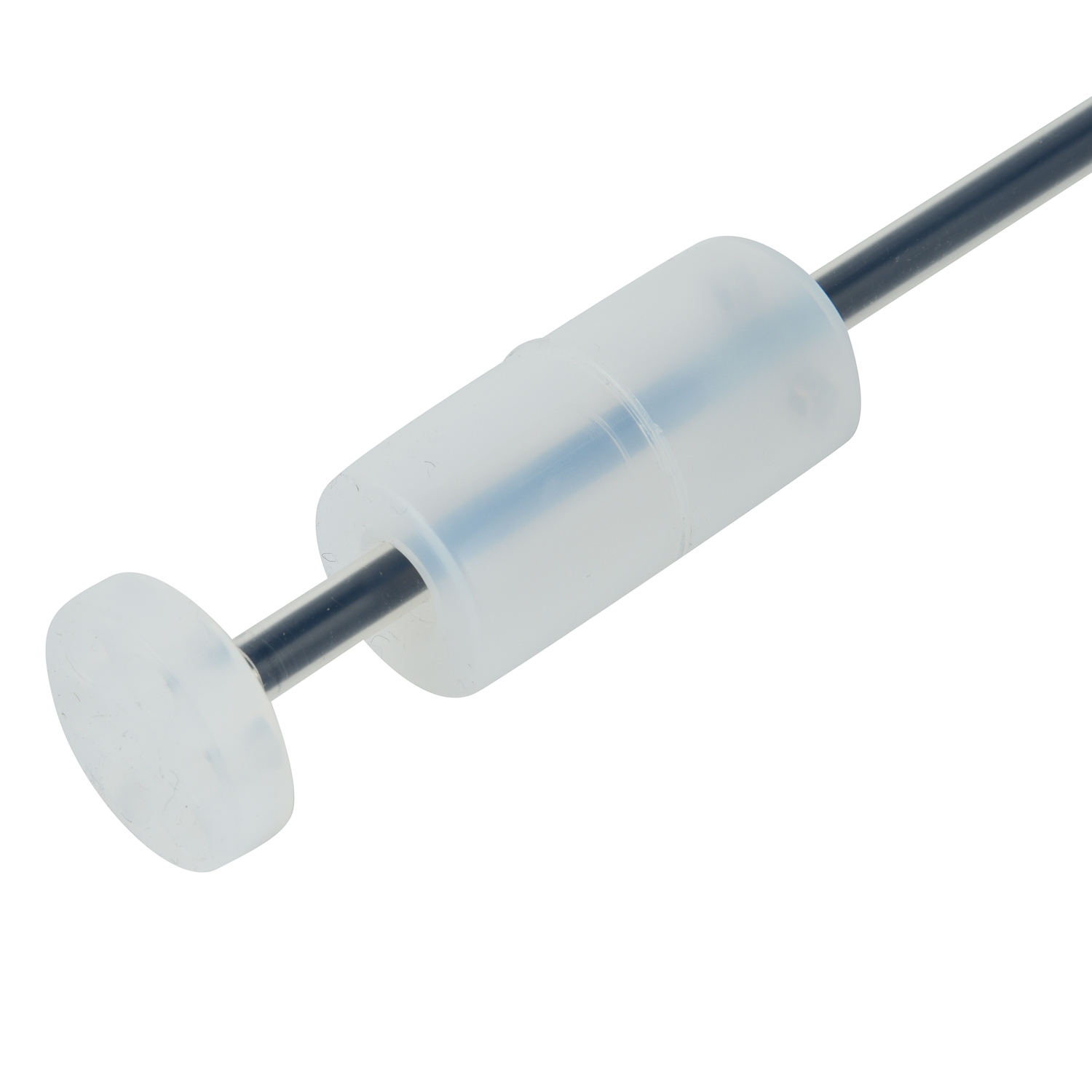 Water Conservancy Hoist Corros
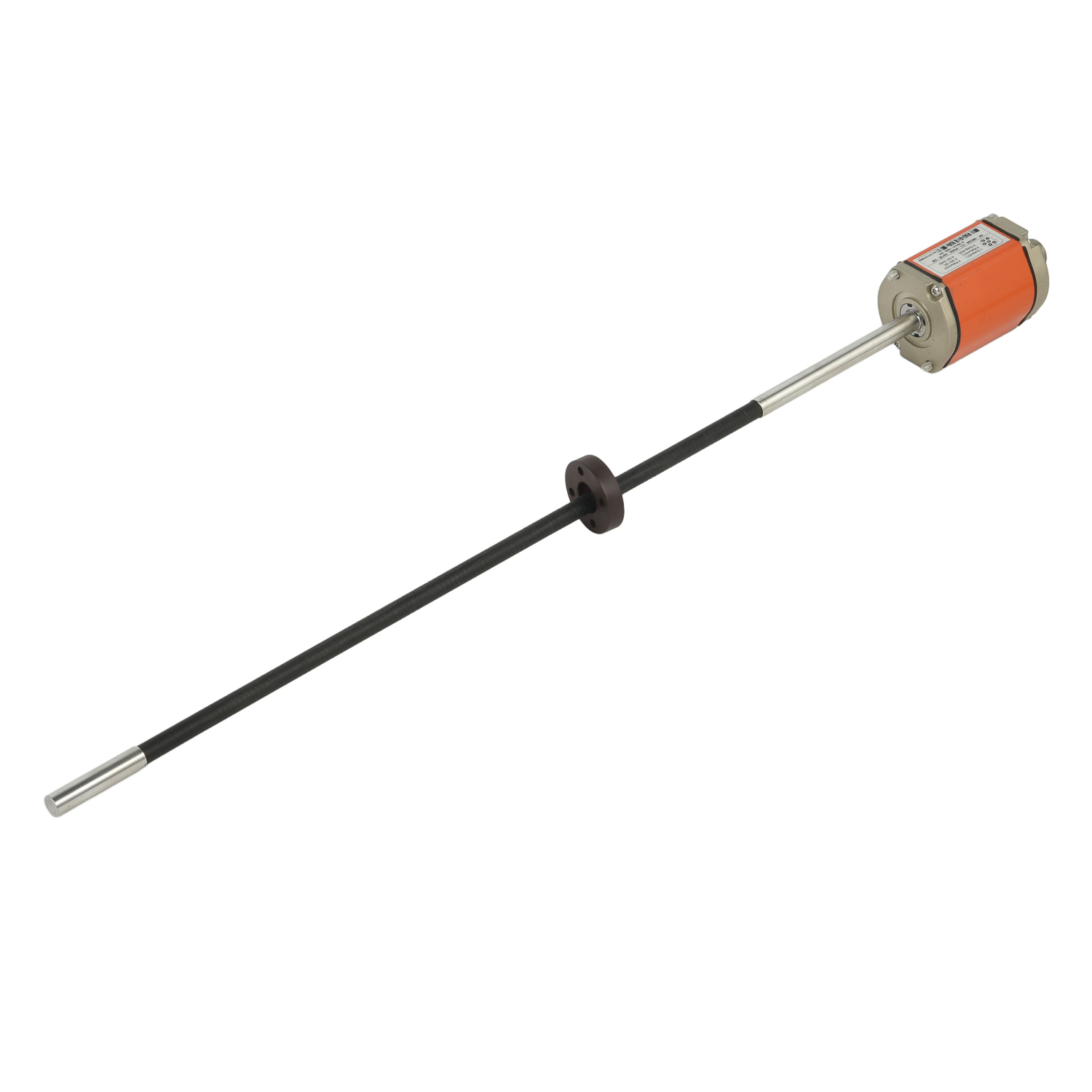 Sewage Treatment Gate Waterpro