
Water Conservancy Corrosion-resistant Linear Displacement Sensor Working Principle
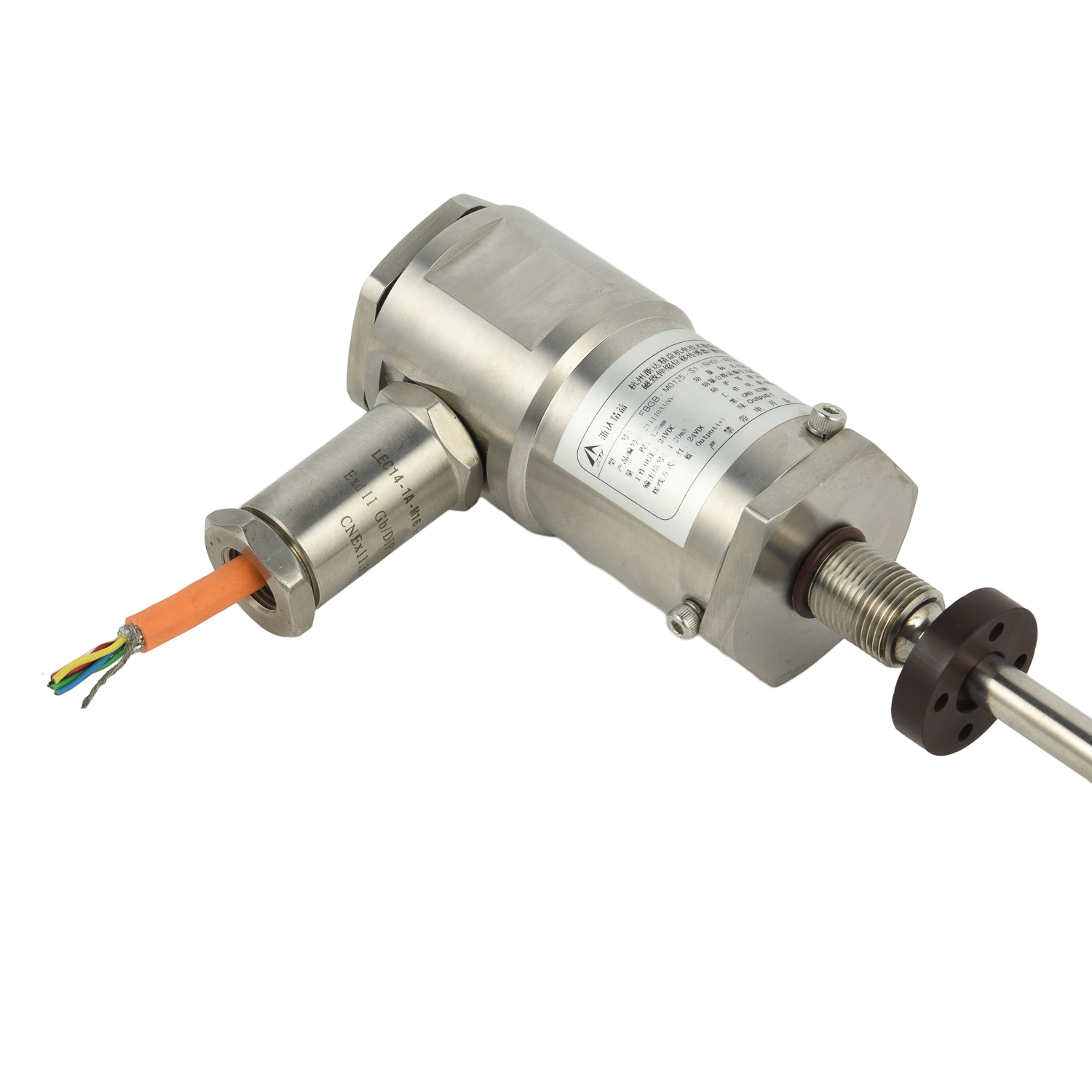
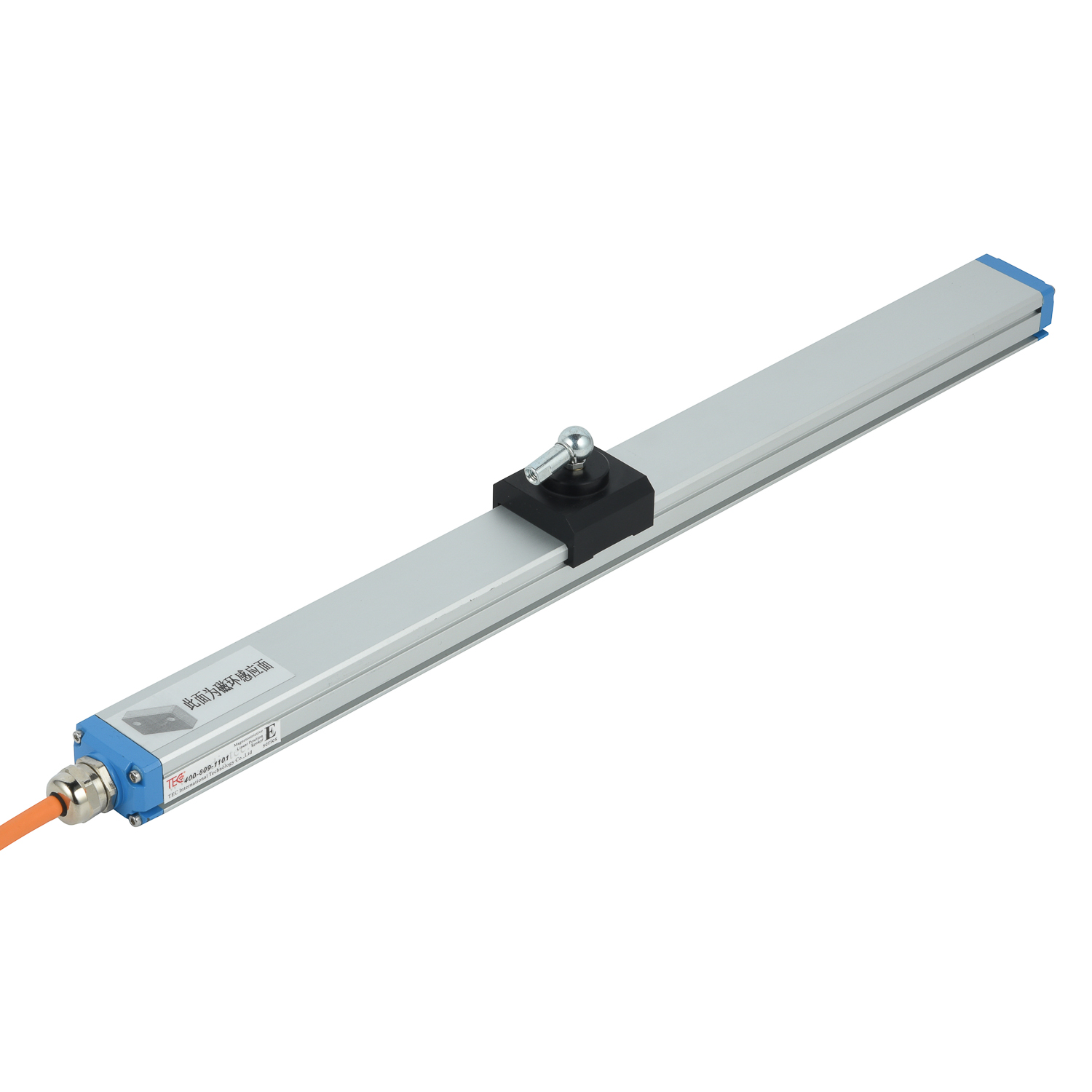
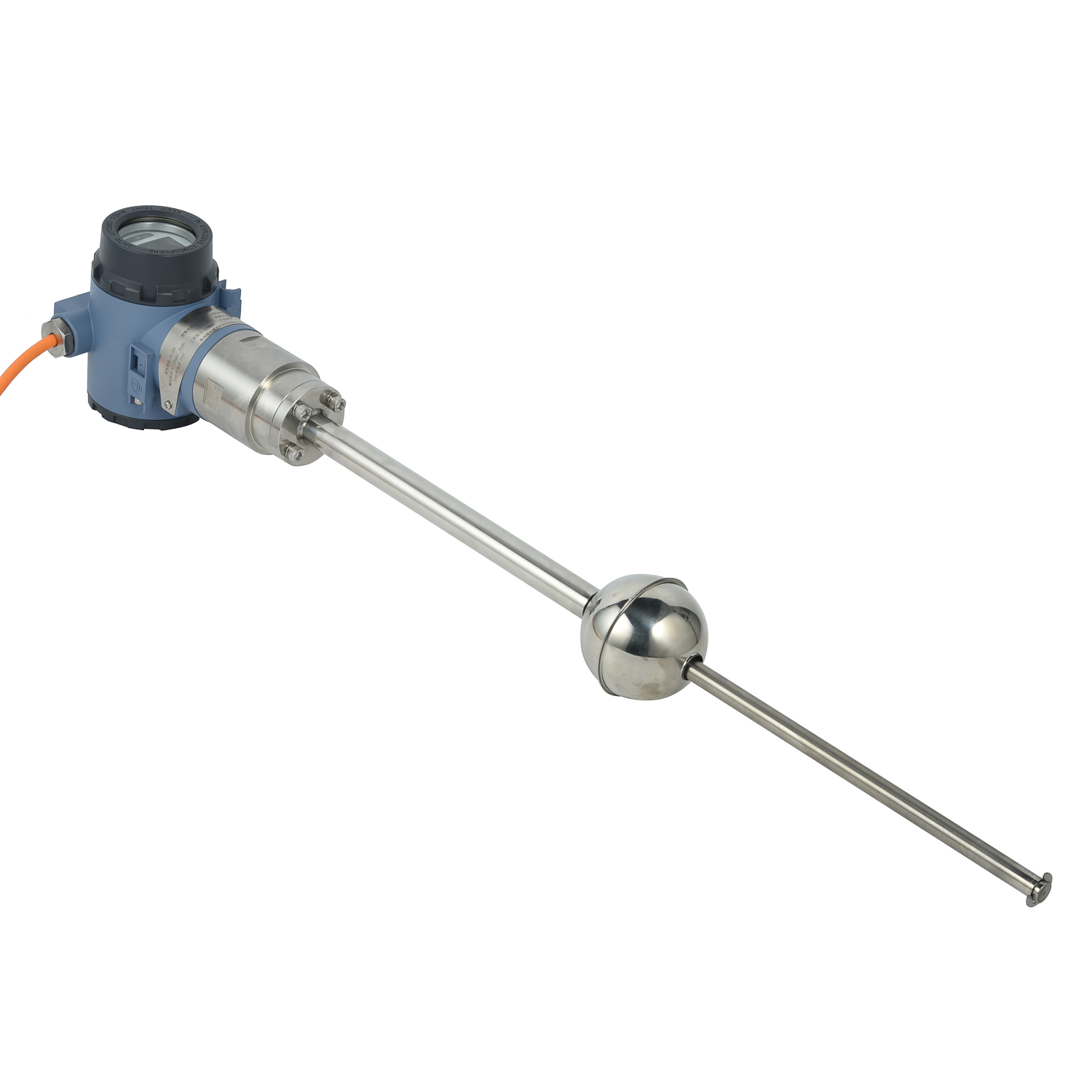
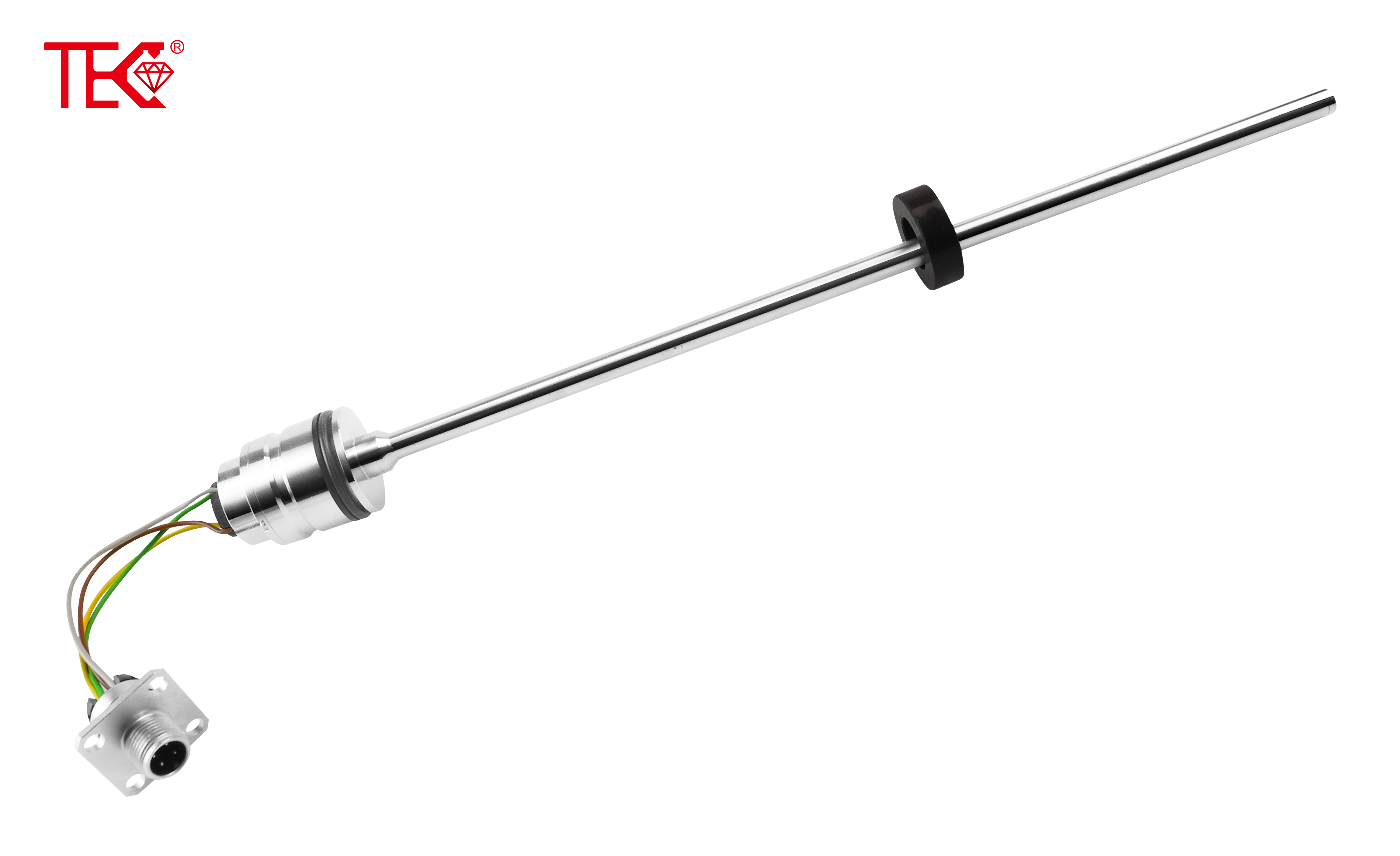
Water conservancy facilities require reliable position feedback under humidity, splashing, sediment, and temporary immersion. A corrosion-resistant linear displacement sensor converts the linear movement of gates, penstocks, valves, or dams into a stable electrical signal. Most modern models use a non-contact magnetostrictive or LVDT principle to avoid wiper wear. In a magnetostrictive sensor, a current pulse travels along a waveguide and creates an axial magnetic field. A permanent position magnet attached to the moving part interacts with this field and generates a torsional strain wave. The wave returns at a fixed speed, and the time difference between transmit and echo is proportional to displacement. An LVDT design uses a movable iron core and primary/secondary coils; core movement changes differential induced voltage, which is demodulated into distance. The electronics then filter, linearize, and convert the signal into 4-20 mA, 0-10 V, or RS485 output for PLC/SCADA systems. For water conservancy, the housing is sealed to IP68 and made from 316L stainless steel, PVDF, or PTFE-coated parts. Welded flanges, cable glands, and pressure-balanced connectors resist corrosion and leakage. Temperature compensation and surge protection ensure accuracy in outdoor dams and pump stations. Regular calibration keeps long-term stability. Its compact probe fits gate frames and penstock brackets, while shielded cables reduce electromagnetic interference in pump stations. Routine zero and span checks support safe reservoir operation.
 Bridge Crane Corrosion-resista
 Crane Waterproof Linear Displa
 Overhead Crane High-pressure L
 Stacker-reclaimer High-tempera