
Mixing Station Silo Explosion-proof Linear Displacement Sensor Selection
Selecting an explosion-proof linear displacement sensor for a mixing station silo requires careful attention to safety, process conditions, and long-term reliability. The silo often contains combustible dust, volatile vapors, and severe vibration, so the sensor must carry valid explosion-proof certification for the actual hazardous zone. Confirm whether Ex d, Ex ia, or another protection method suits the installation, and ensure the certified temperature class and IP rating match the site.
Measurement range and mounting are next. Choose a stroke length that covers the full silo gate, valve, or discharge position with a safe margin. The sensor should fit the available space and resist mechanical shock, dust accumulation, and cleaning routines. Stainless-steel housings, robust cables, and IP67 or higher protection are preferred.
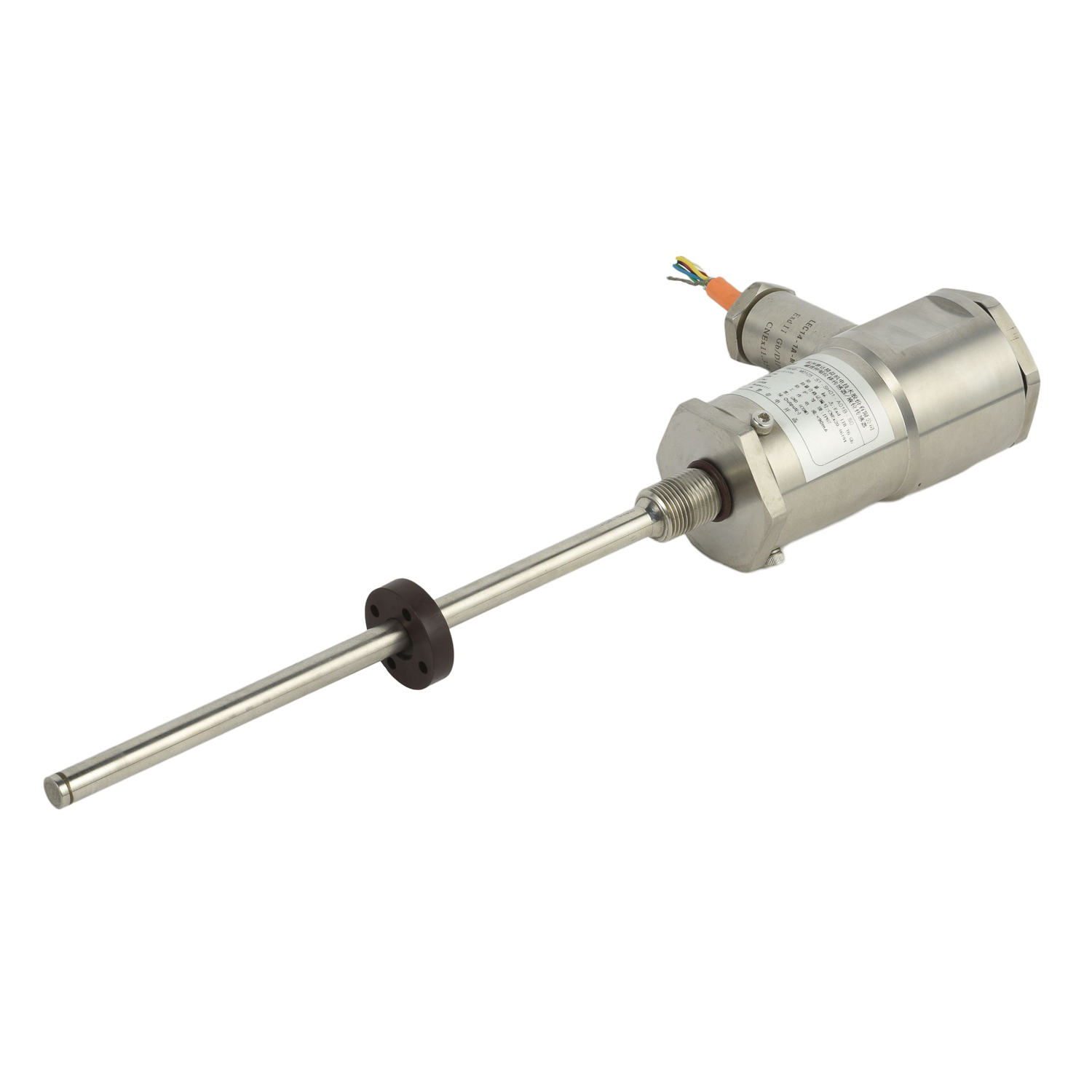
For signal integration, 4–20 mA, RS485, or analog voltage outputs should match the control system. When using intrinsic safety, select suitable barriers or isolators and verify loop power. Linearity, repeatability, and resolution must meet the mixing station’s control accuracy. Temperature drift and vibration resistance also affect stable feedback in outdoor or high-load silo environments.
Installation should avoid direct impact, excessive cable tension, and areas where material build-up may block movement. Ground the sensor properly and route cables away from power lines. Finally, choose a supplier that provides certification documents, calibration data, and after-sales support. A correctly selected explosion-proof linear displacement sensor improves silo safety, reduces downtime, and ensures accurate position feedback in mixing operations.
 Storage Tank Non-contact Linea
 Material Tank Intrinsically Sa
 Bridge Crane Corrosion-resista
 Crane Waterproof Linear Displa