
Shield Tunneling Rod-type Linear Displacement Sensor Fault
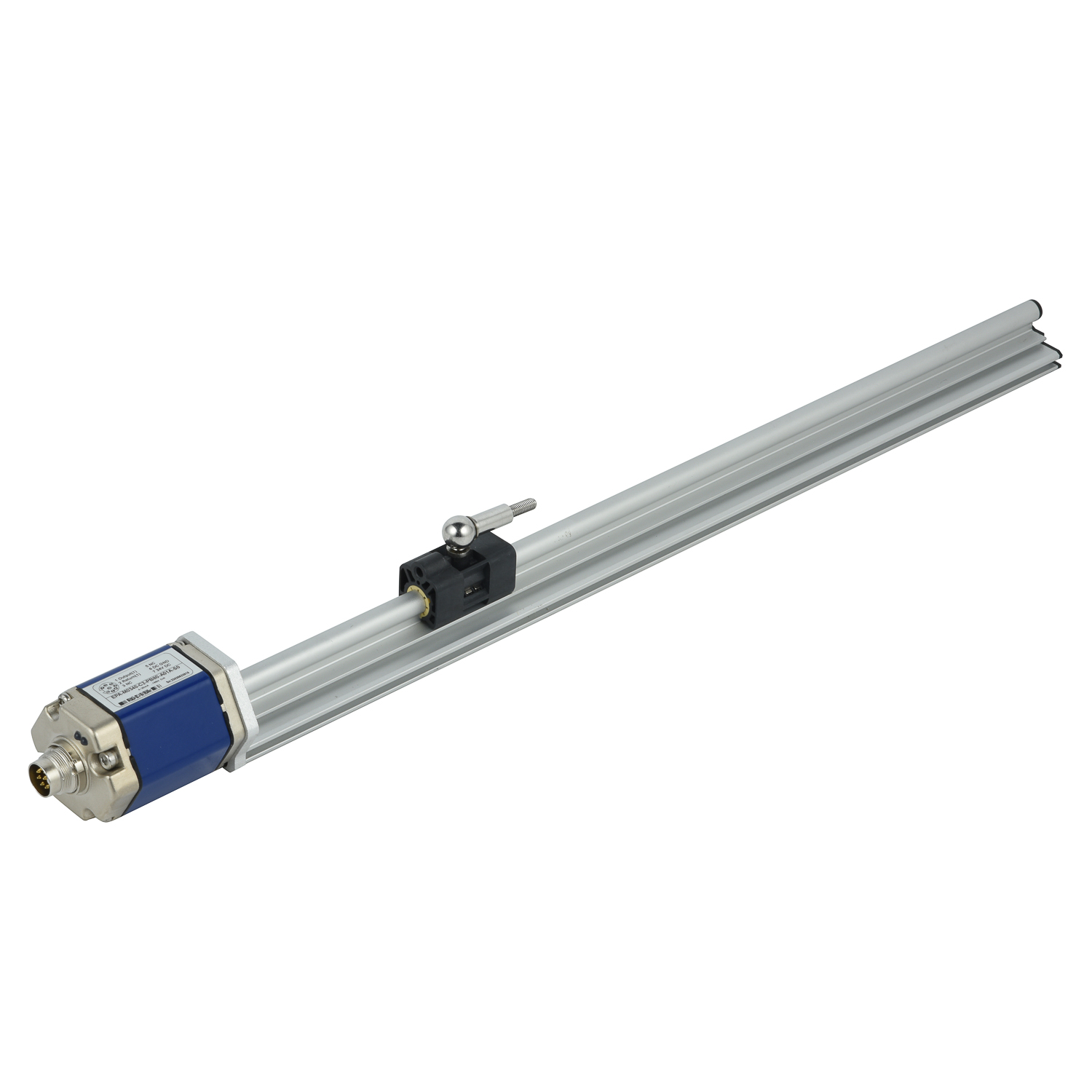
Rod-type linear displacement sensors are critical in shield tunneling, where they monitor thrust cylinder stroke, articulation angle, segment erector position, and tail clearance. A sensor fault can interrupt automatic guidance, trigger alarms, or cause unsafe manual control. Common faults include rod wear or bending, seal damage, water and slurry ingress, cable breakage, loose connectors, electromagnetic interference, zero drift, and abnormal output. Symptoms include jumpy readings, signal loss, limited stroke indication, and mismatch with other sensors.
Diagnosis should start with safety isolation. Check supply voltage, connector pins, cable continuity, and grounding. Compare the sensor output with a calibrated reference or adjacent cylinders. Inspect the rod for scoring, bending, and contamination; verify free travel and alignment. Clean the rod and connector, dry the housing, and test insulation. If the signal remains unstable, perform zero and span calibration. Replace the sensor if the rod is bent, the seal is damaged, or the output is intermittent.
Prevention includes protective bellows, correct IP rating, shielded cables, vibration isolation, regular cleaning, and scheduled calibration. Maintaining rod-type linear displacement sensors improves shield tunneling accuracy and reduces downtime.
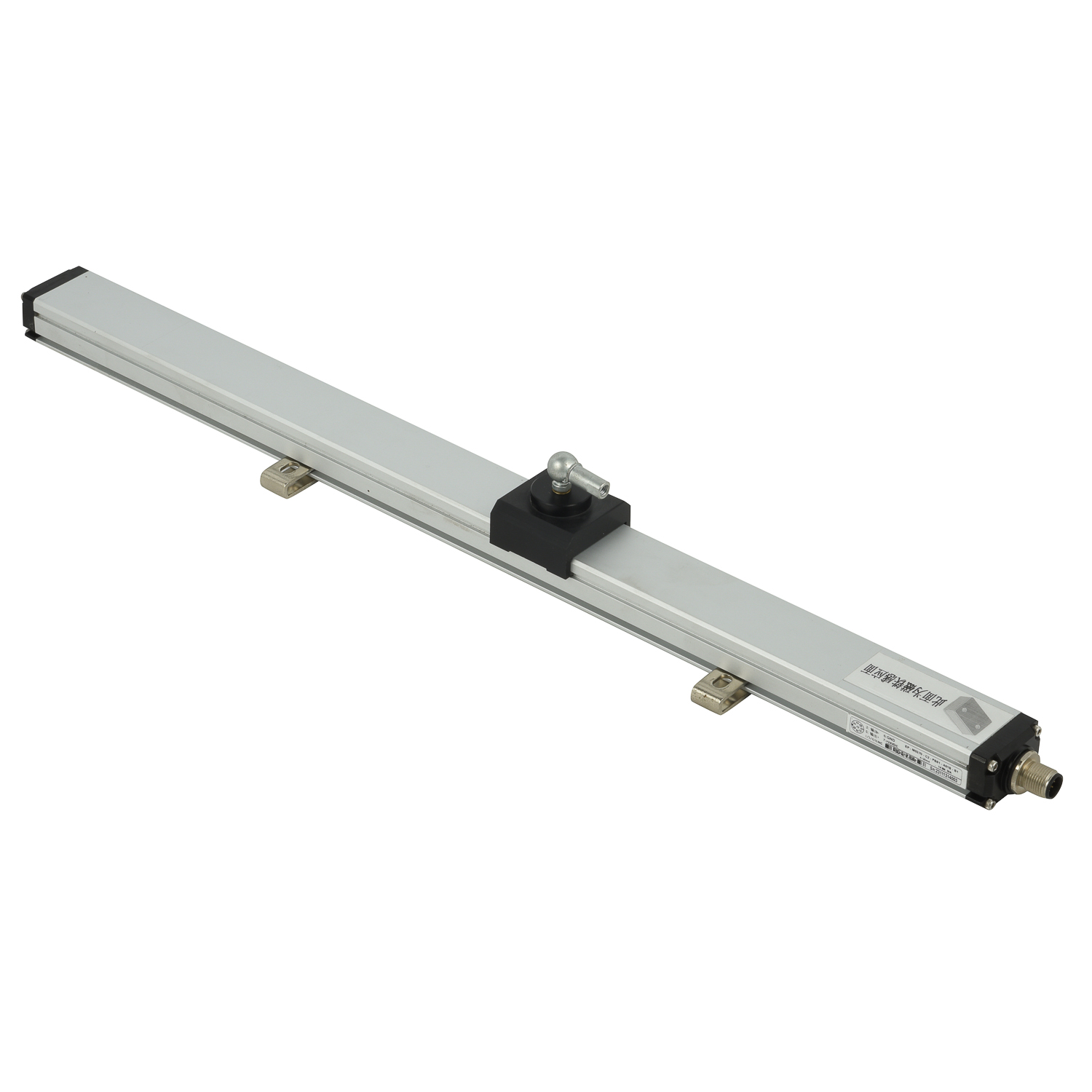
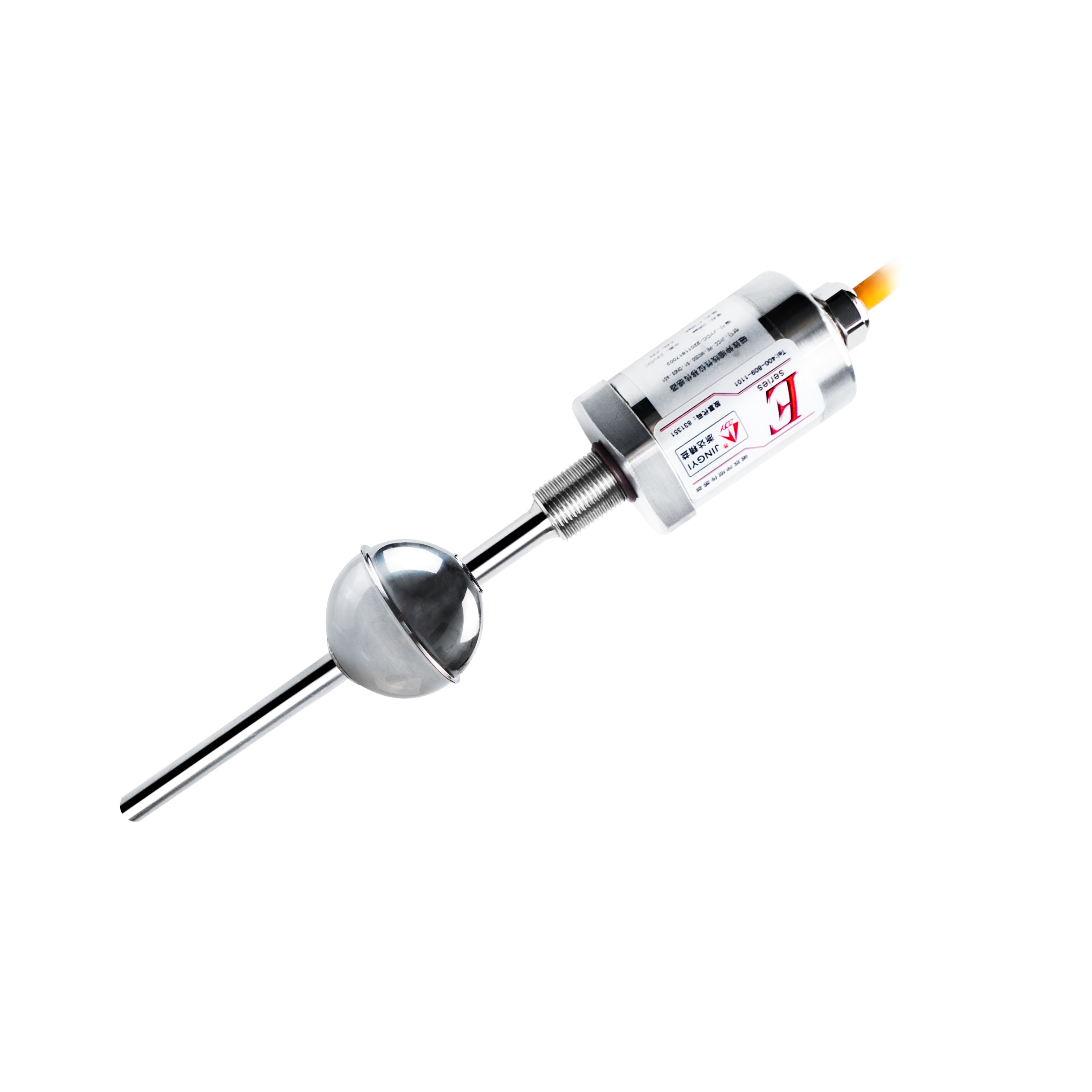 Gate Explosion-proof Linear Di
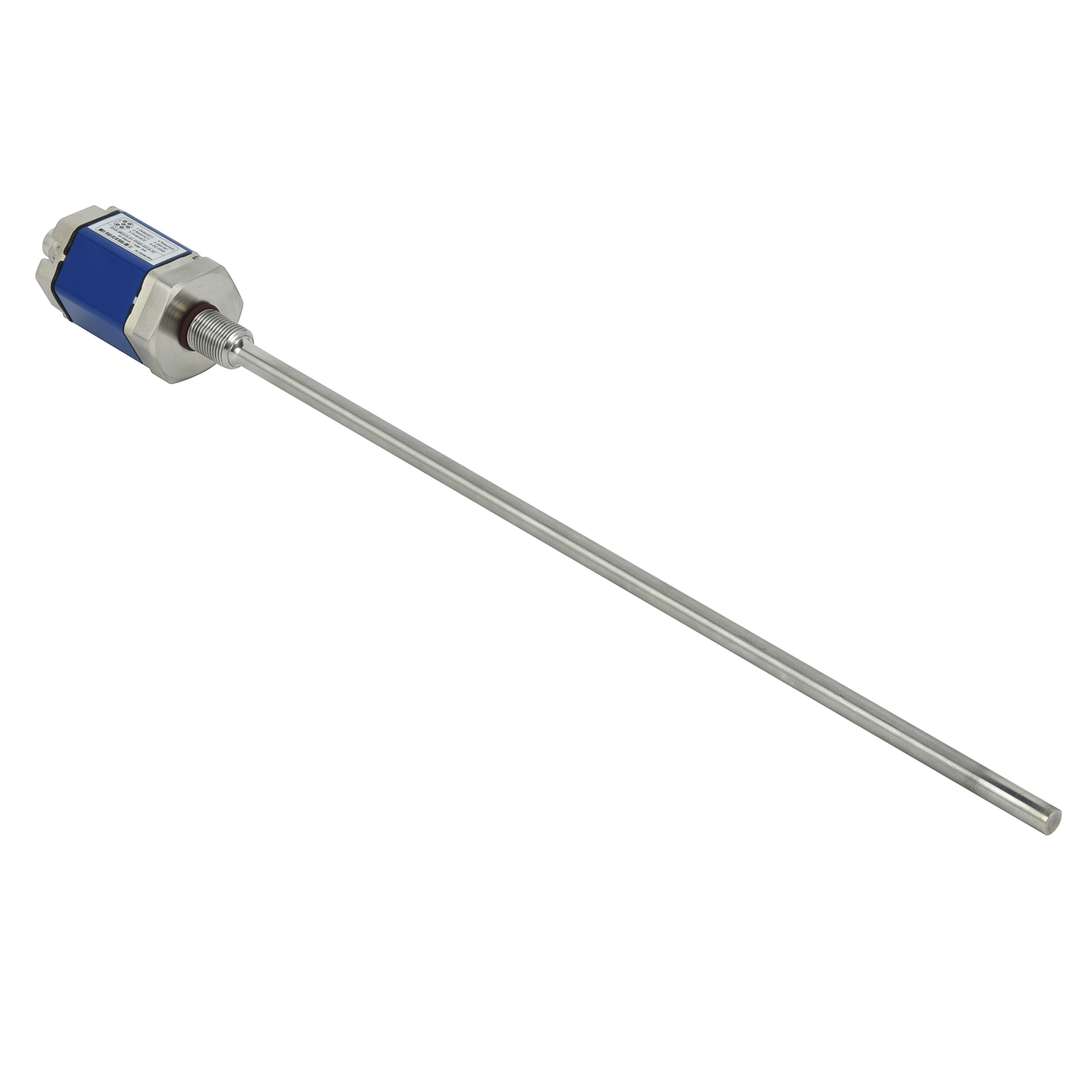 Silo Rod-type Linear Displacem
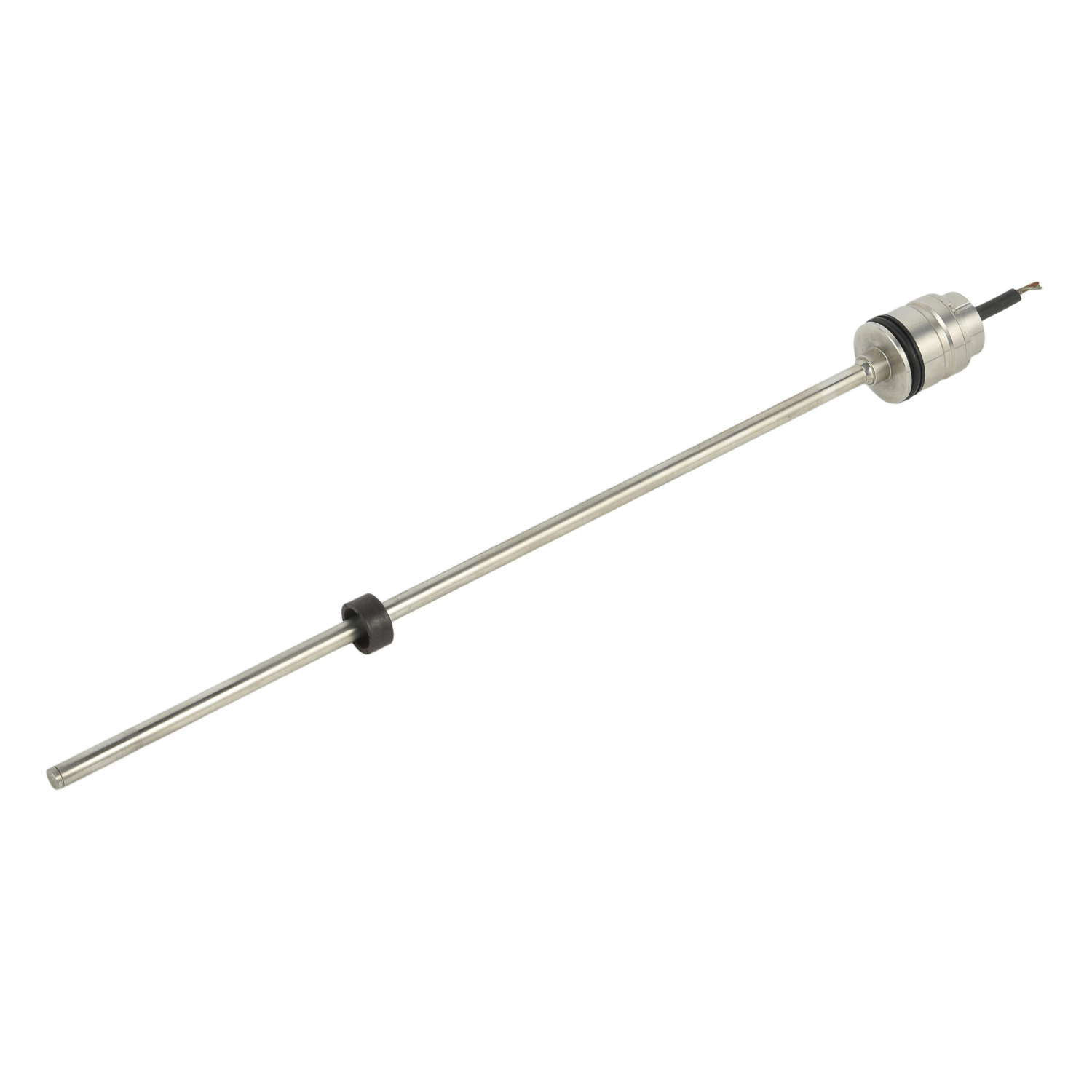 Reaction Kettle Flange-mounted
 Storage Tank Non-contact Linea