
Port Overhead Crane Intrinsically Safe Explosion-proof Linear Displacement Sensor Installation Method
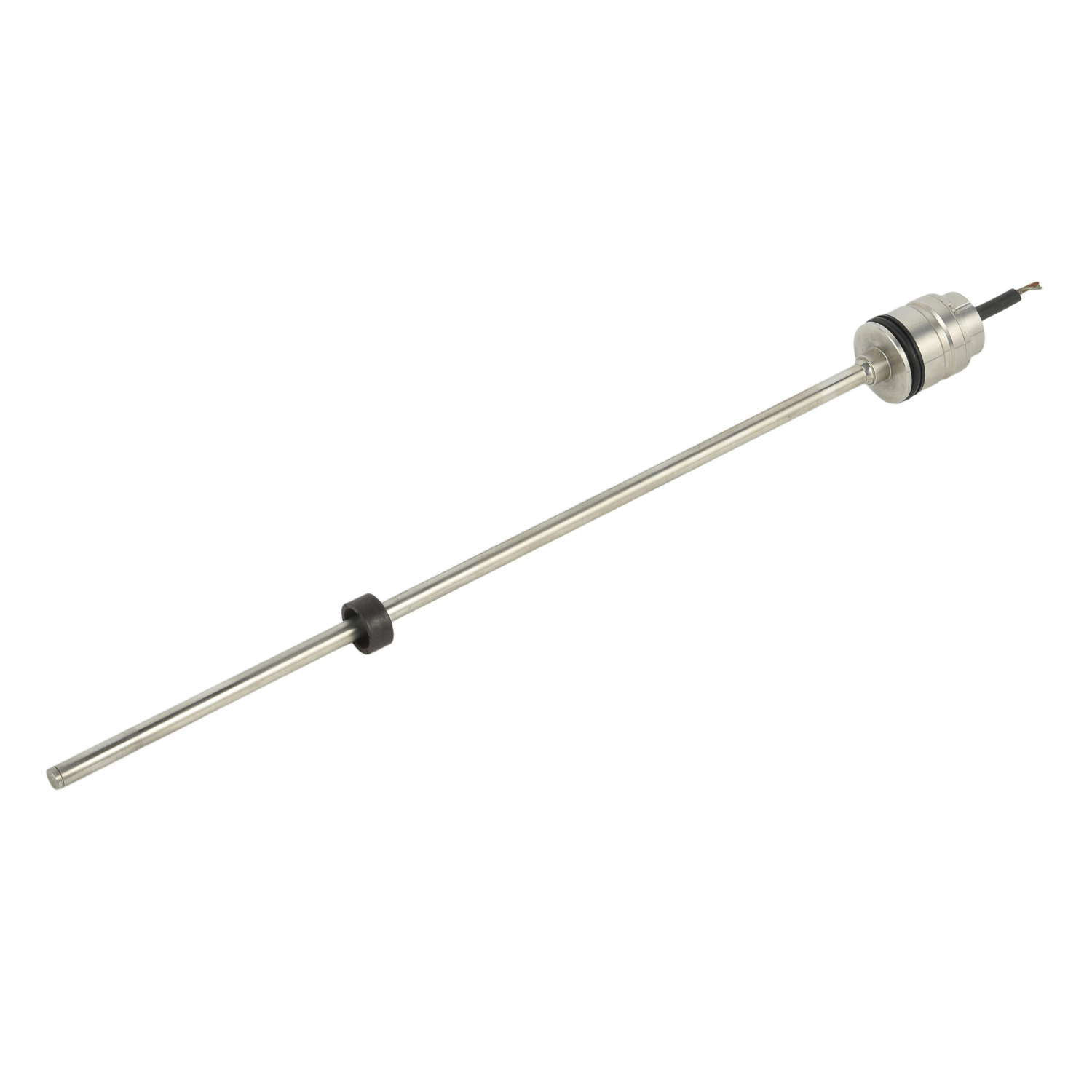
Installing an intrinsically safe explosion-proof linear displacement sensor on a port overhead crane requires careful planning for hazardous areas, mechanical accuracy, and reliable wiring. First, confirm the crane zone classification and select a certified sensor, isolator, and barrier with compatible gas/dust ratings. Isolate and lock out crane power before work. Mount the sensor on a rigid bracket away from impact, heat, and water spray. Keep the measuring axis parallel to crane travel or hoist movement, and use a flexible coupling to absorb vibration. Align within the manufacturer's tolerance to prevent side load. Use stainless fasteners and secure the cable with strain relief. Route intrinsically safe circuits in dedicated trays or conduits, separate from power cables, and bond the crane structure to earth. Install the barrier or isolator in the safe area according to the control drawing. Connect screens at the specified single point only. Verify insulation, loop resistance, and grounding before energizing. During commissioning, check the full stroke for stable output, zero and span, and no signal drift. Set mechanical limits so the sensor is never overtraveled. Record calibration and maintain periodic inspection of seals, cables, brackets, and barriers. This method improves crane positioning accuracy while preserving explosion protection and intrinsic safety. Use calibrated test equipment and keep records for inspection. Train staff on hazardous-area procedures and drawings.
 Hoist High-temperature Linear
 Gate Explosion-proof Linear Di
 Silo Rod-type Linear Displacem
 Reaction Kettle Flange-mounted