
Silo High-temperature Magnetostrictive Level Gauge Fault
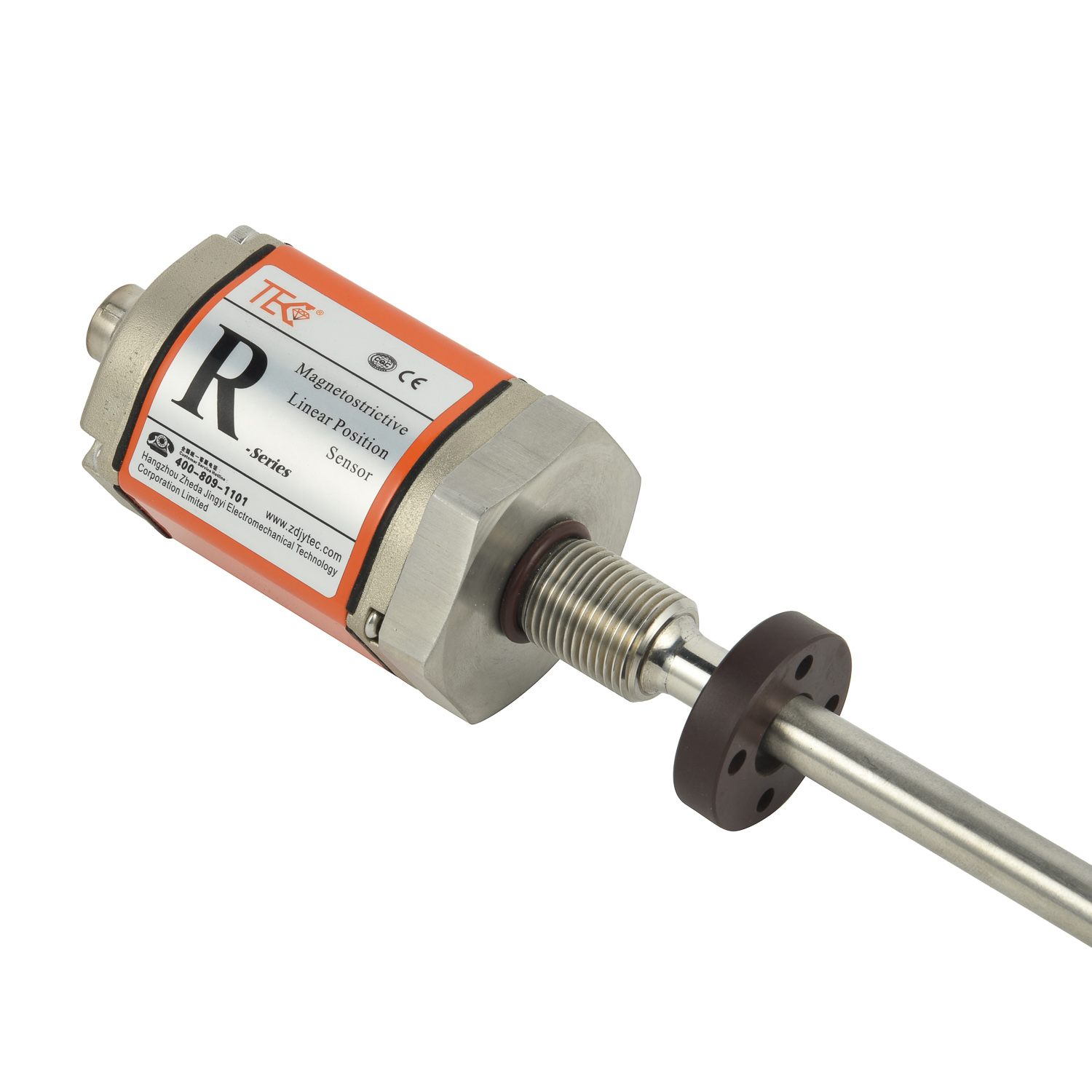
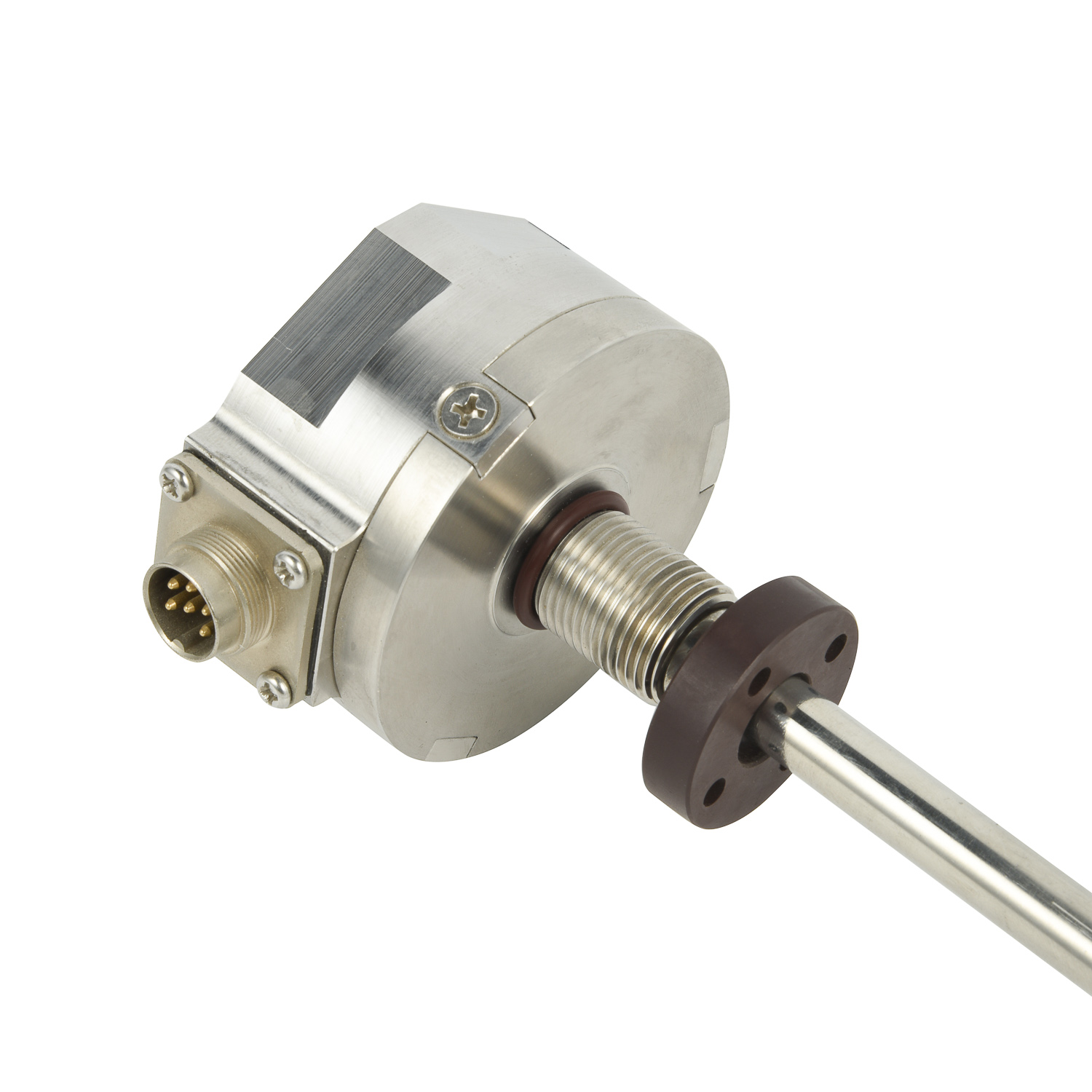
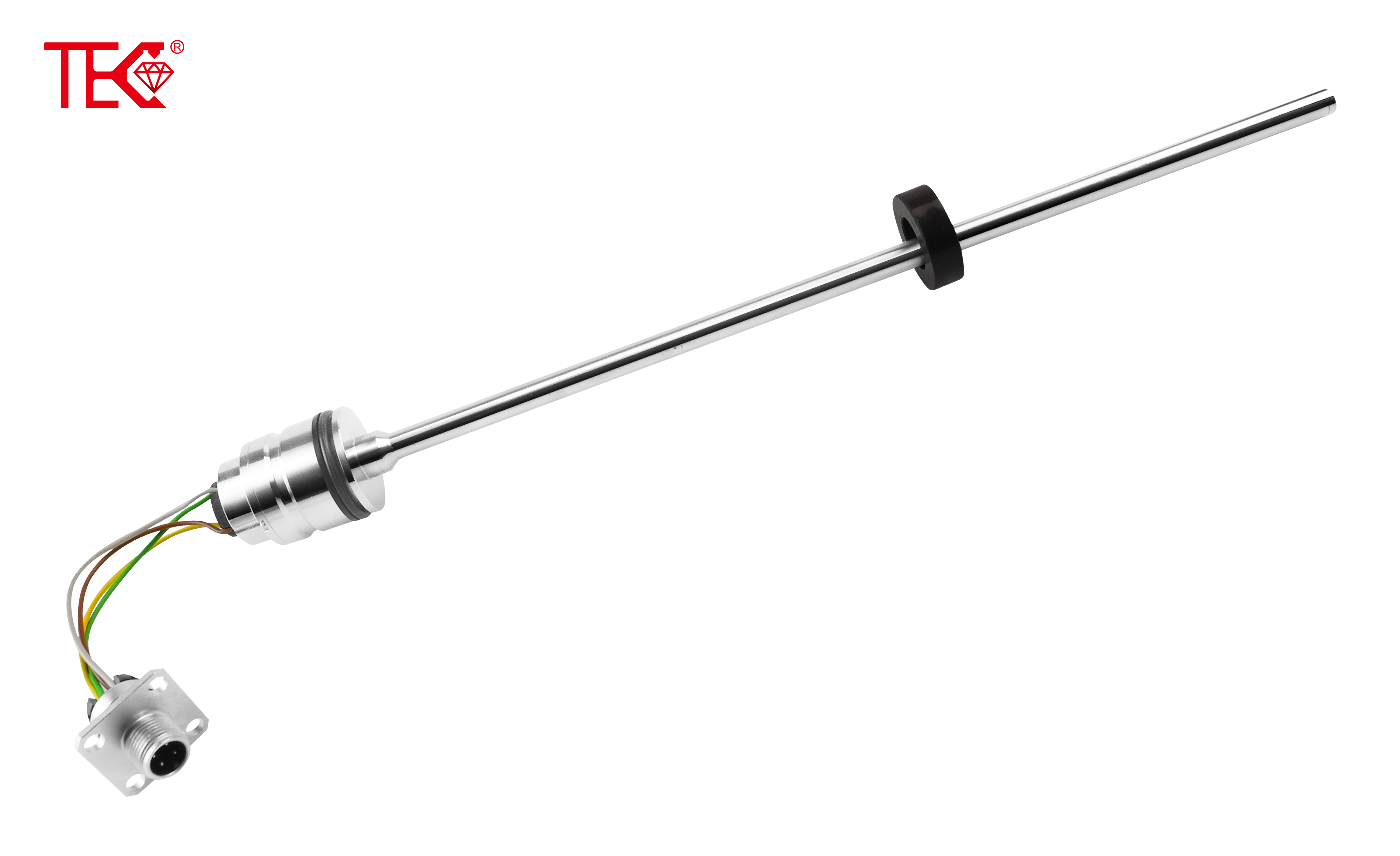
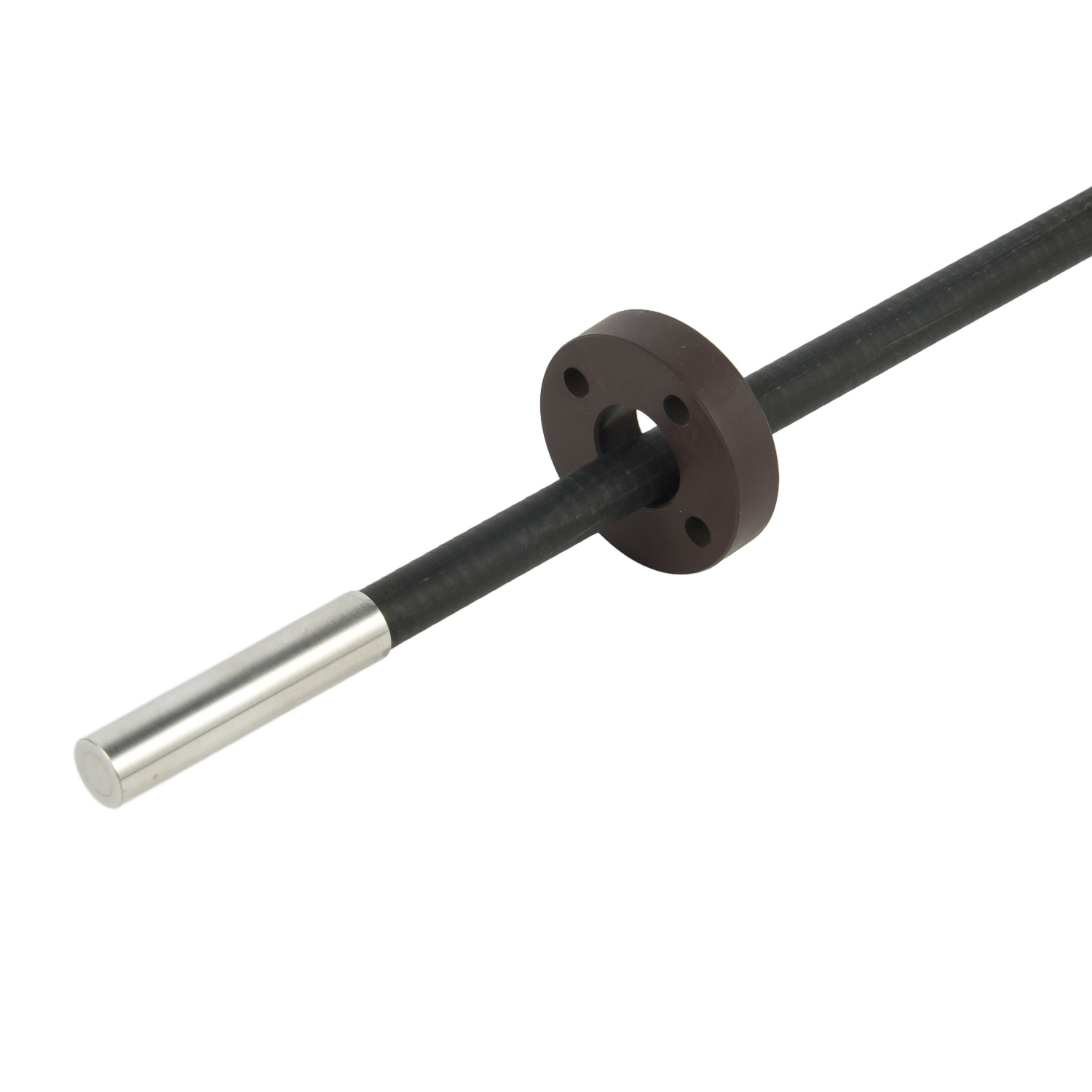
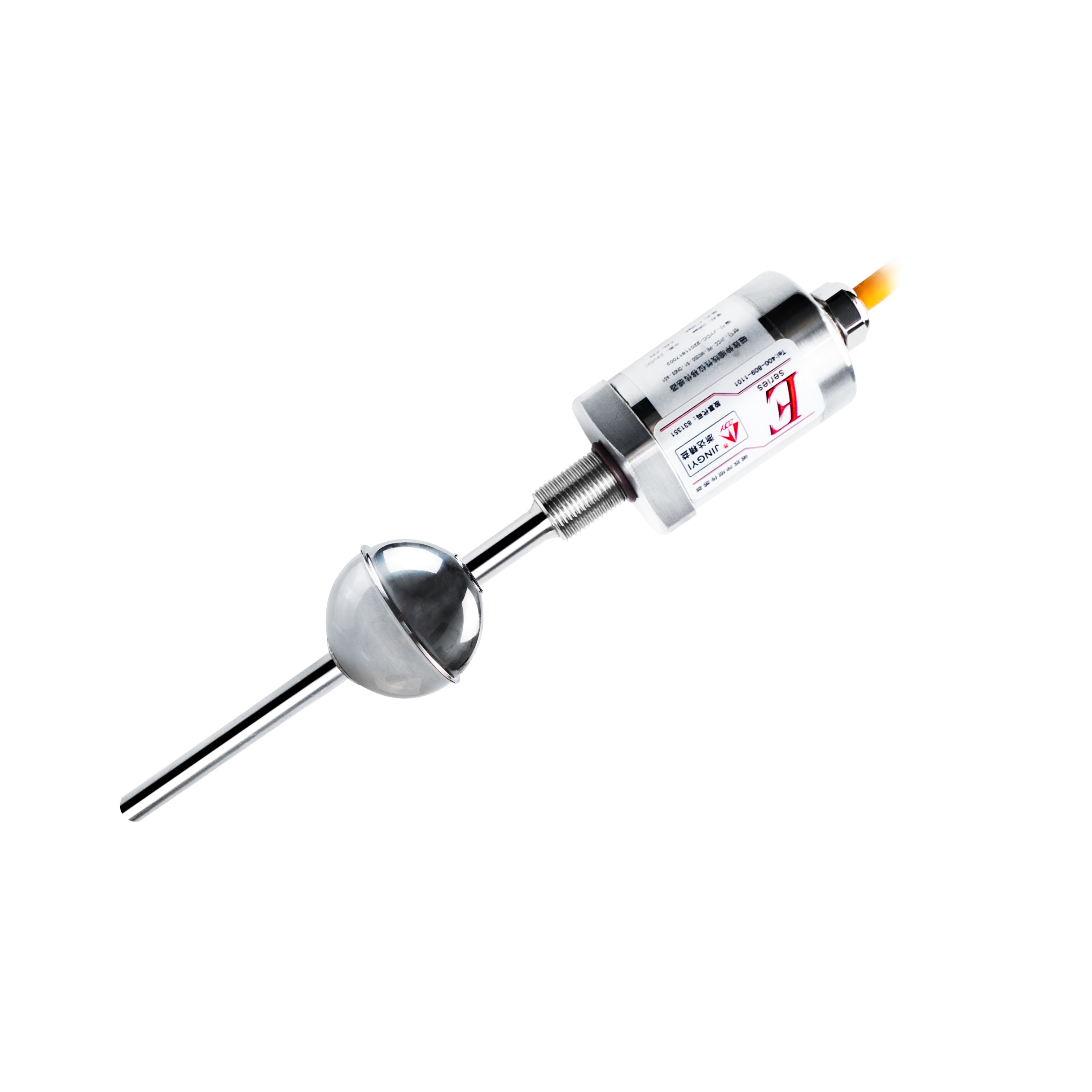
Silo high-temperature magnetostrictive level gauges are reliable, but faults can occur when heat, dust, vibration, and wiring issues combine. Common symptoms include unstable readings, signal loss, fixed output, drift, or an alarm despite a normal product level. The first step is to confirm power supply and output signal at the transmitter, then inspect the probe, float, and mounting flange. In high-temperature silos, damaged insulation, overheated electronics, and thermal expansion are frequent causes. Dust buildup on the waveguide or float can restrict movement and create false level values. Moisture ingress and poor grounding may cause signal interference, while loose terminals or cable damage can interrupt communication. Mechanical damage from material impact or vibration may also bend or break the probe. Troubleshooting should follow a safe sequence: isolate the instrument, allow cooling, check the temperature rating, clean deposits, verify float travel, inspect wiring and shielding, and recalibrate after repair. If the gauge is installed in a hot zone, confirm that the probe and electronics are rated for the actual process temperature and use heat isolation or cooling where required. For persistent faults, replace damaged components and record the failure for preventive maintenance. Regular inspection, correct installation, stable power, and proper grounding reduce downtime and restore accurate silo level measurement.
 Die Casting Machine Explosion-
 Injection Molding Machine Buil
 Hoist High-temperature Linear
 Gate Explosion-proof Linear Di