
Reaction Kettle High-pressure Magnetostrictive Level Gauge Selection
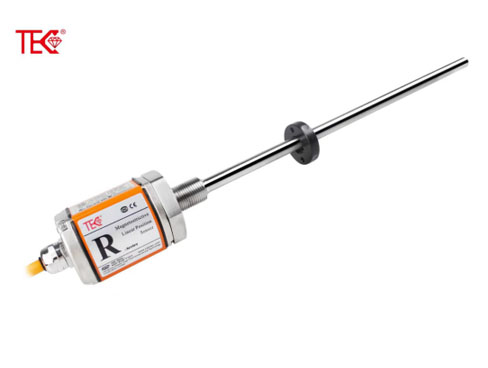
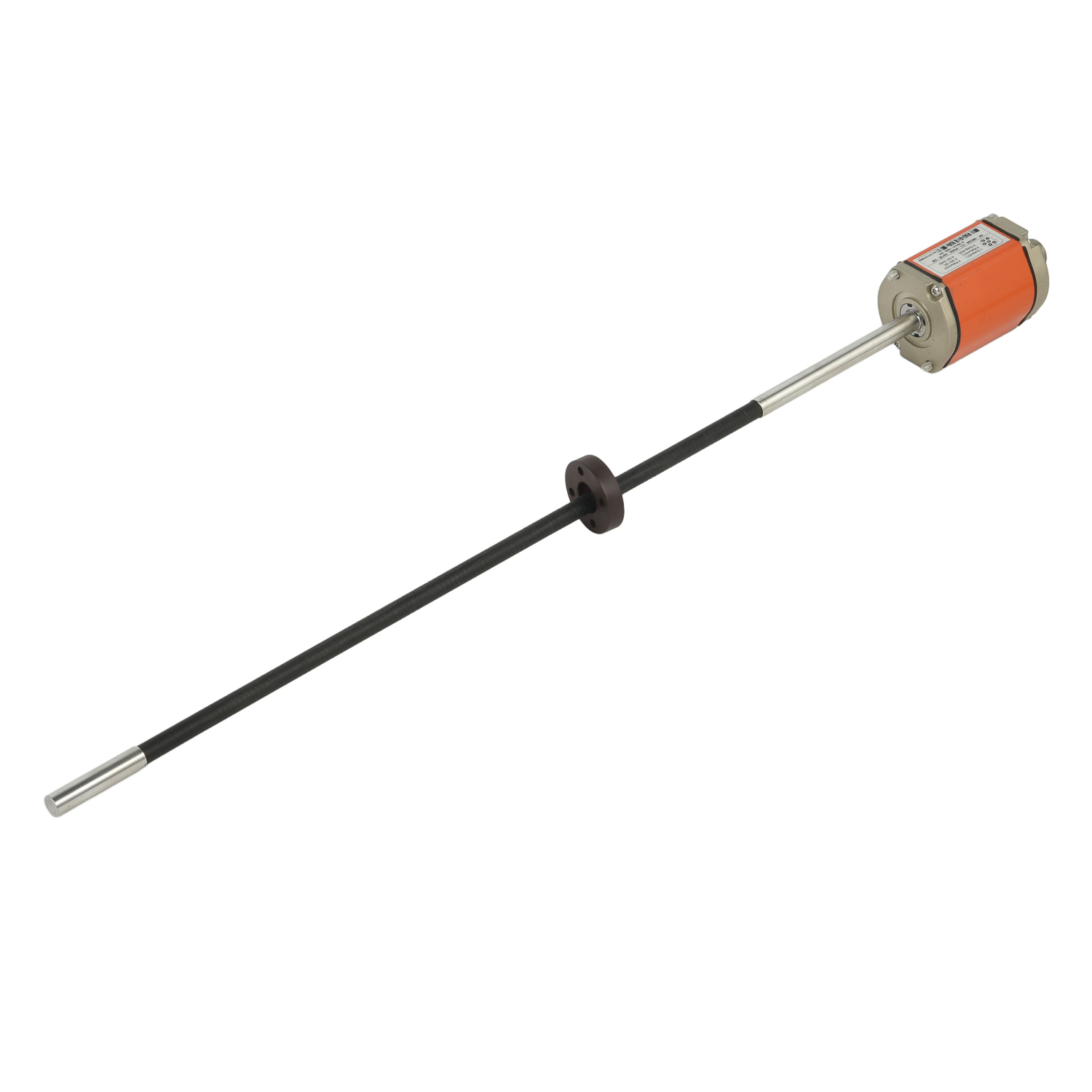
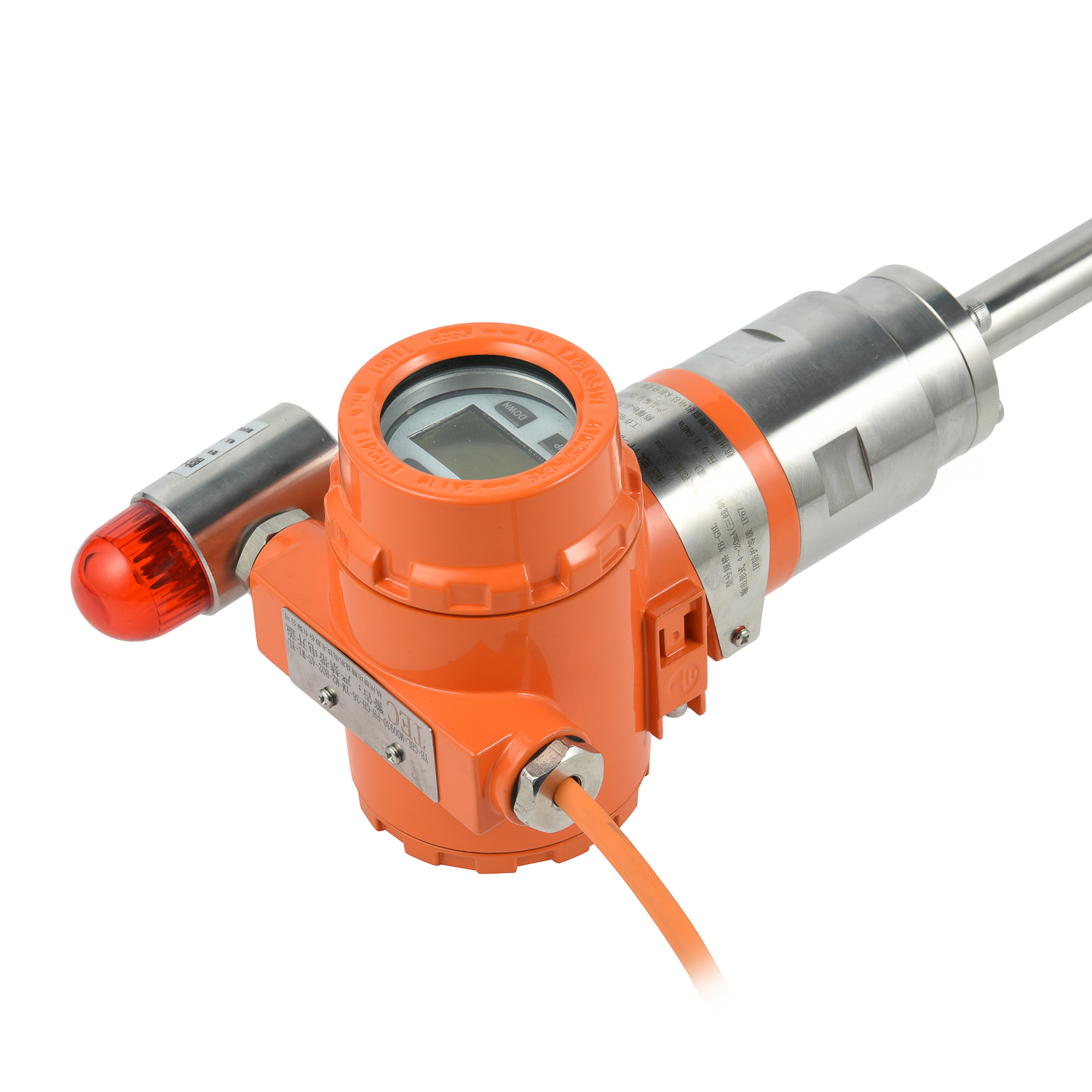
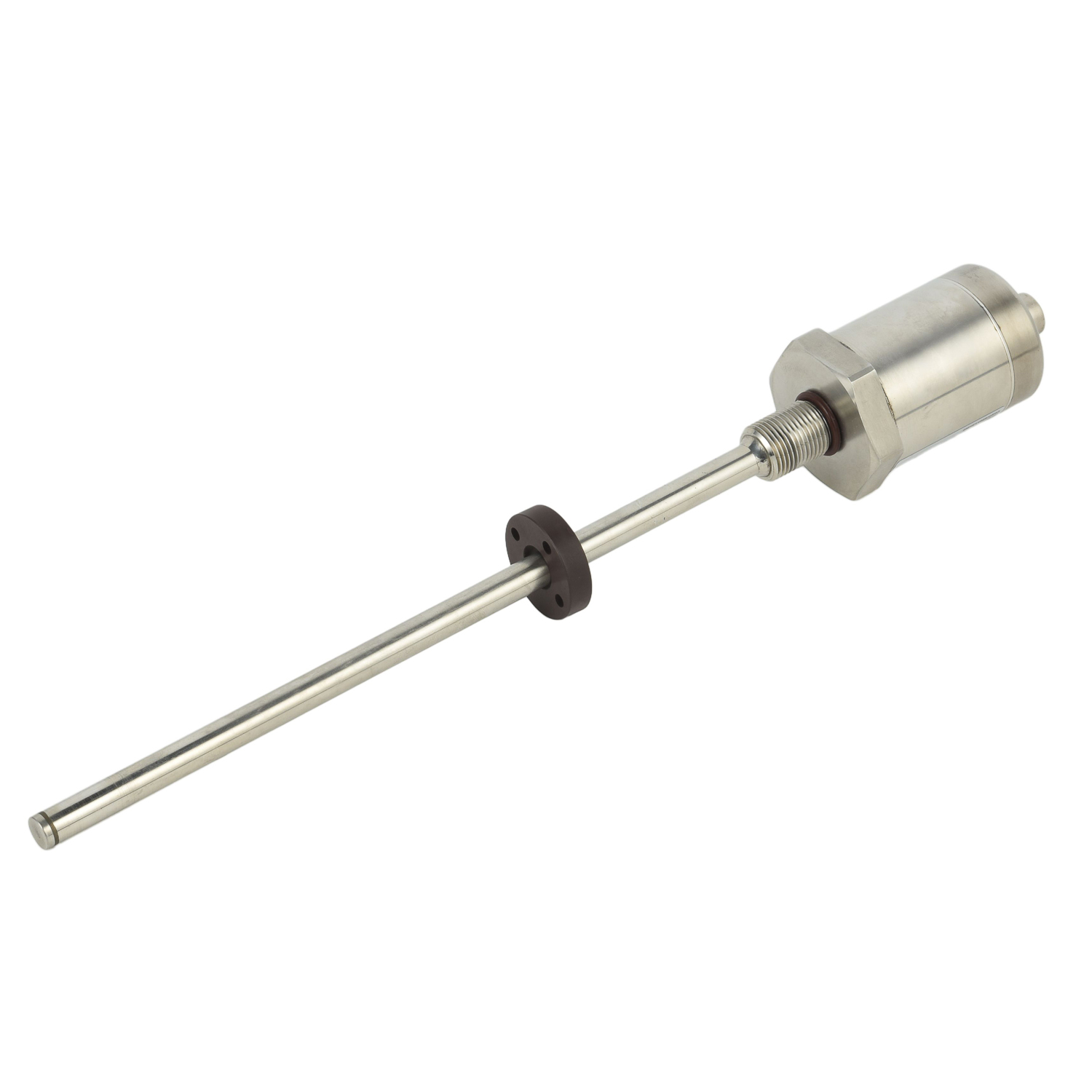
Selecting a high-pressure magnetostrictive level gauge for a reaction kettle requires balancing accuracy, pressure integrity, chemical compatibility, and maintenance access. Confirm the vessel's design pressure, temperature, agitation, and measuring range. The probe, flange, and sealing system must be rated above maximum working pressure with a safety margin. Wetted materials, such as 316L stainless steel, Hastelloy, or PTFE, must resist the process medium, catalysts, solvents, and cleaning chemicals. Review nozzle length, dead zone, and interface needs before choosing probe length and float type. For viscous or agitated media, use a rigid probe with adequate clearance or a bypass chamber to reduce turbulence. Mount the gauge vertically for reliable float travel, and match the process connection to the kettle nozzle, gasket, and torque requirements. Select a 4-20 mA with HART output for the control system, and confirm explosion-proof, pressure-vessel, or sanitary certifications where required. Consider local indication, alarms, and calibration access for safe operation. Document material certificates and verify compatibility with the cleaning cycle. During commissioning, verify zero and span, check full-range float movement, and pressure-test the sealing assembly. Routine inspection of the probe, float, flange, and electronics prevents drift, sticking, and leakage. A well-matched gauge improves level reliability, reduces downtime, and supports safer high-pressure reaction control.
 Sewage Treatment Gate Waterpro
 Chemical Hydraulic Cylinder Hi
 Mining Stacker-reclaimer High-
 Metallurgy Bucket Wheel Stacke