
Port Intrinsically Safe Explosion-proof Magnetostrictive Level Gauge Installation Method
Installation must follow the approved drawings and all hazardous-area regulations. First, confirm that the gauge rating matches the port zone, gas group, and temperature class; isolate and depressurize the tank before work. Use lockout/tagout, avoid welding near the probe, and confirm ambient temperature and pressure limits. Check the nozzle, flange, gasket, and probe length. The probe must cover the full measuring range and remain clear of internal structures. Mount the gauge vertically; keep the float free and align the flange to prevent leakage. Tighten flange bolts evenly to the specified torque. Use certified cable glands and shielded twisted-pair cable. Route intrinsically safe wiring separately from power cables, connect the shield at the designated ground point only, and tighten all entries to maintain IP and explosion-proof integrity. Never open the enclosure while the circuit is energized. After wiring, verify polarity, insulation resistance, and grounding, then energize through an approved safety barrier or isolator. Calibrate zero and span at known tank levels and record the output. Keep calibration and inspection records for traceability. Check reading stability during filling and draining. During maintenance, inspect seals, fasteners, and cable entries; replace damaged parts only with certified originals. This method ensures safe, accurate level measurement in port service.
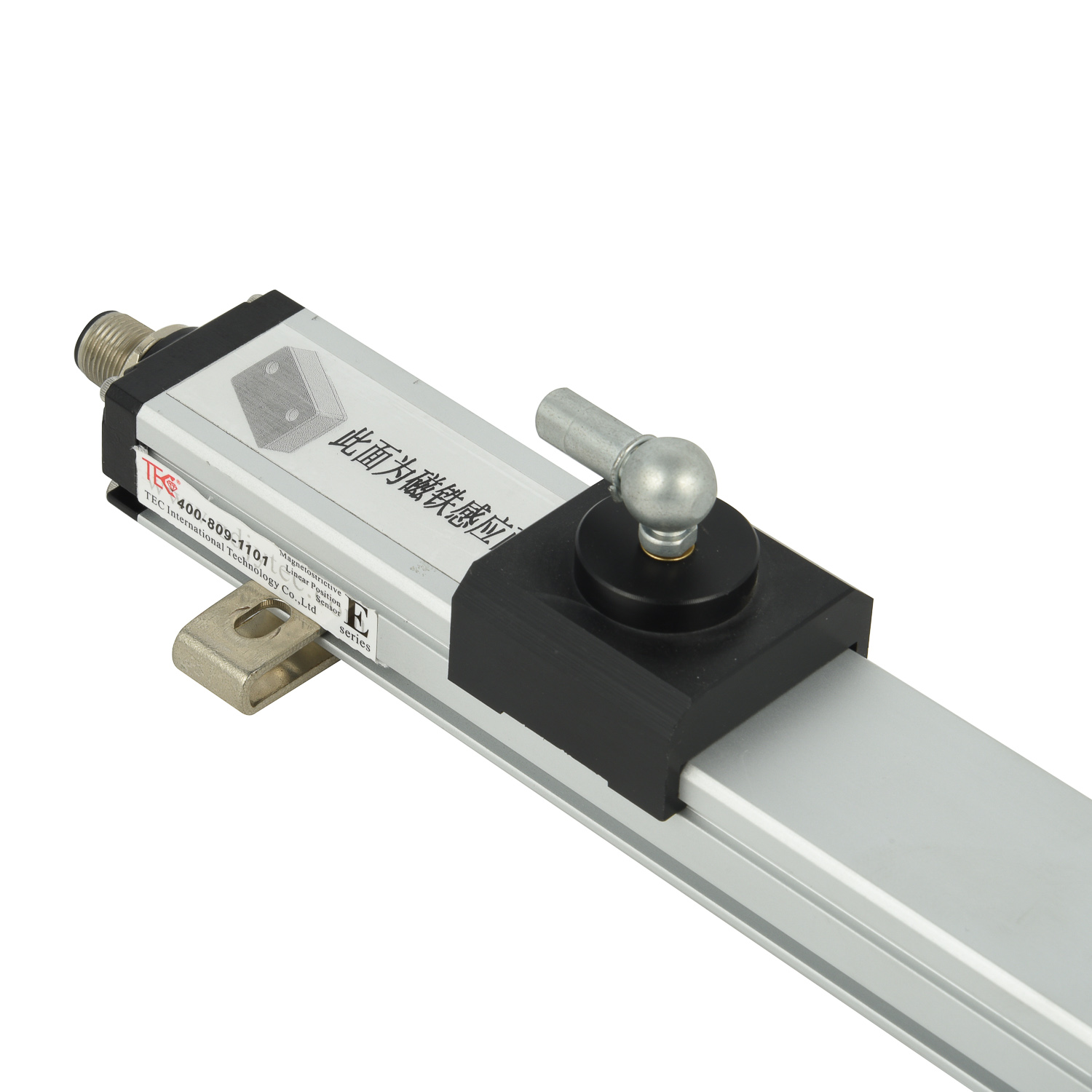
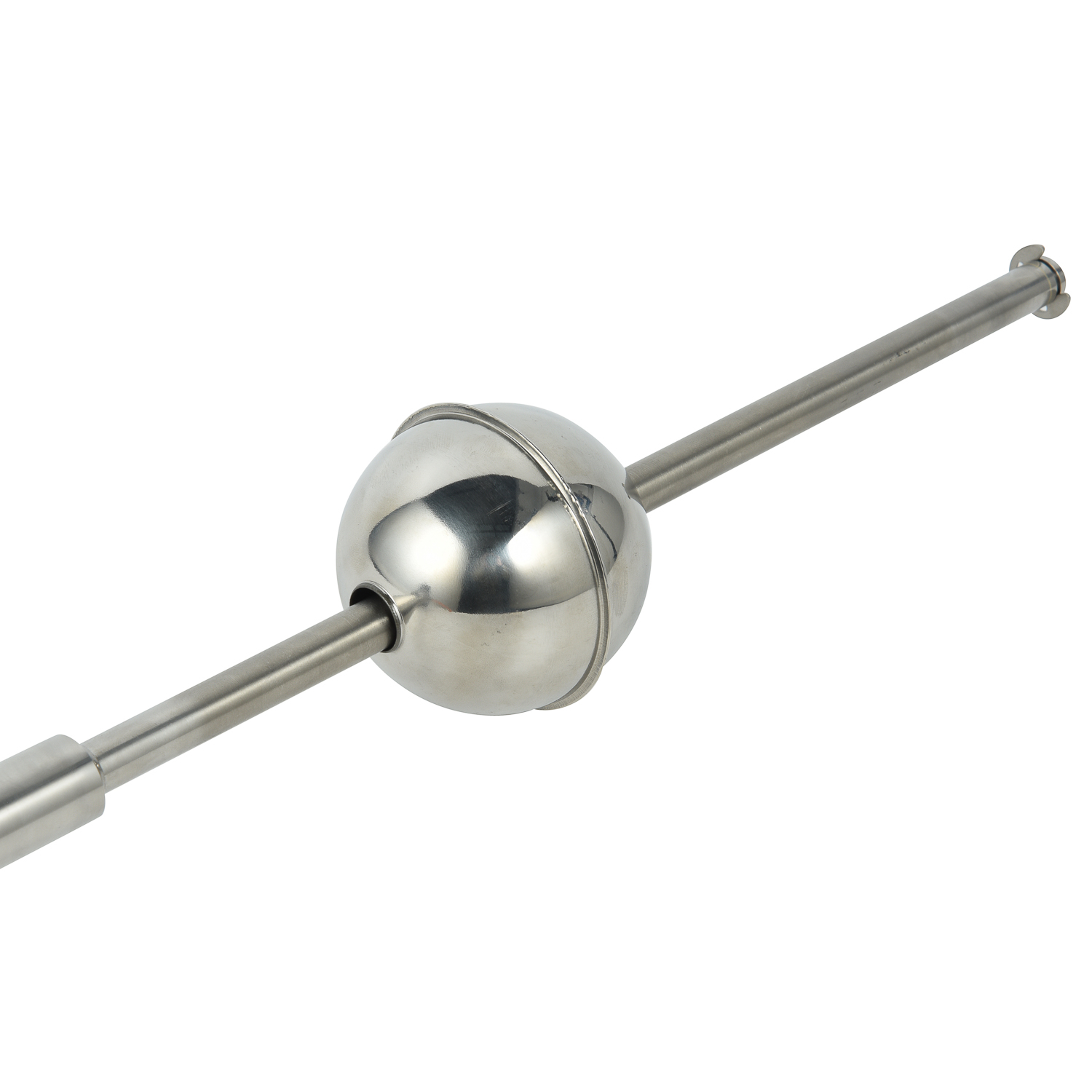 Power Plant Non-contact Magnet
Port Intrinsically Safe Explos
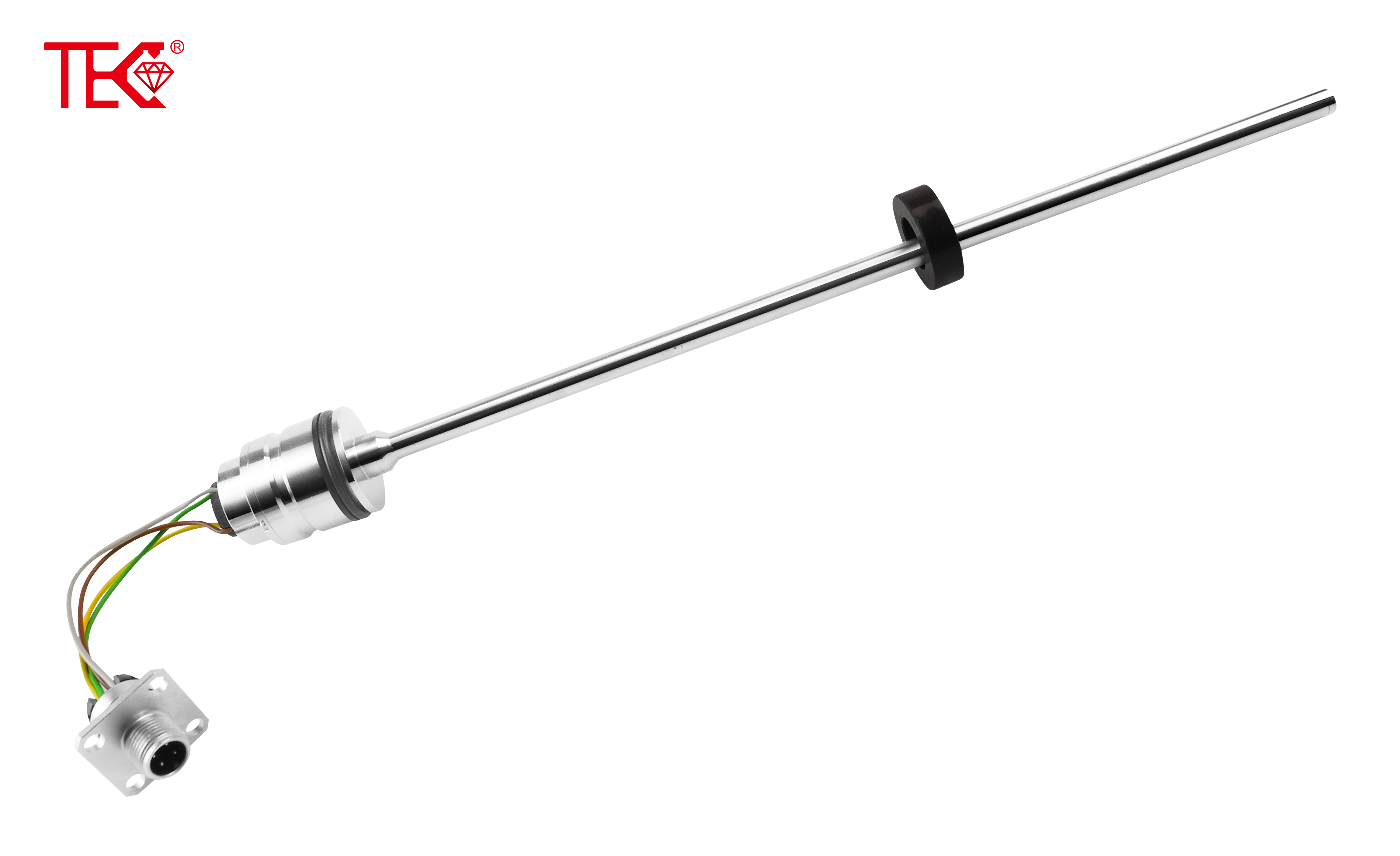 Water Conservancy Corrosion-re
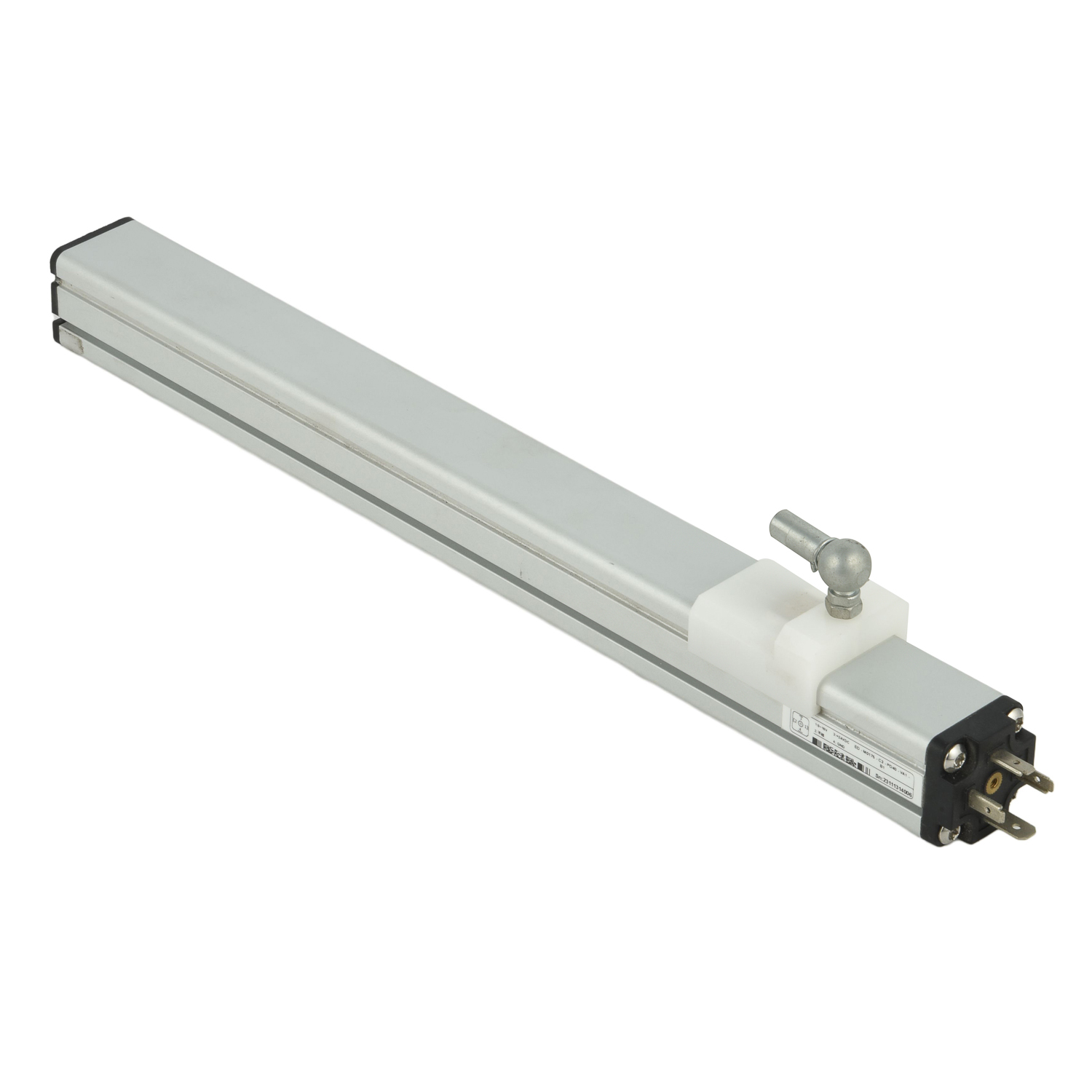 Sewage Treatment Waterproof Ma