
Mining Silo Intrinsically Safe Explosion-proof Magnetostrictive Level Gauge Selection
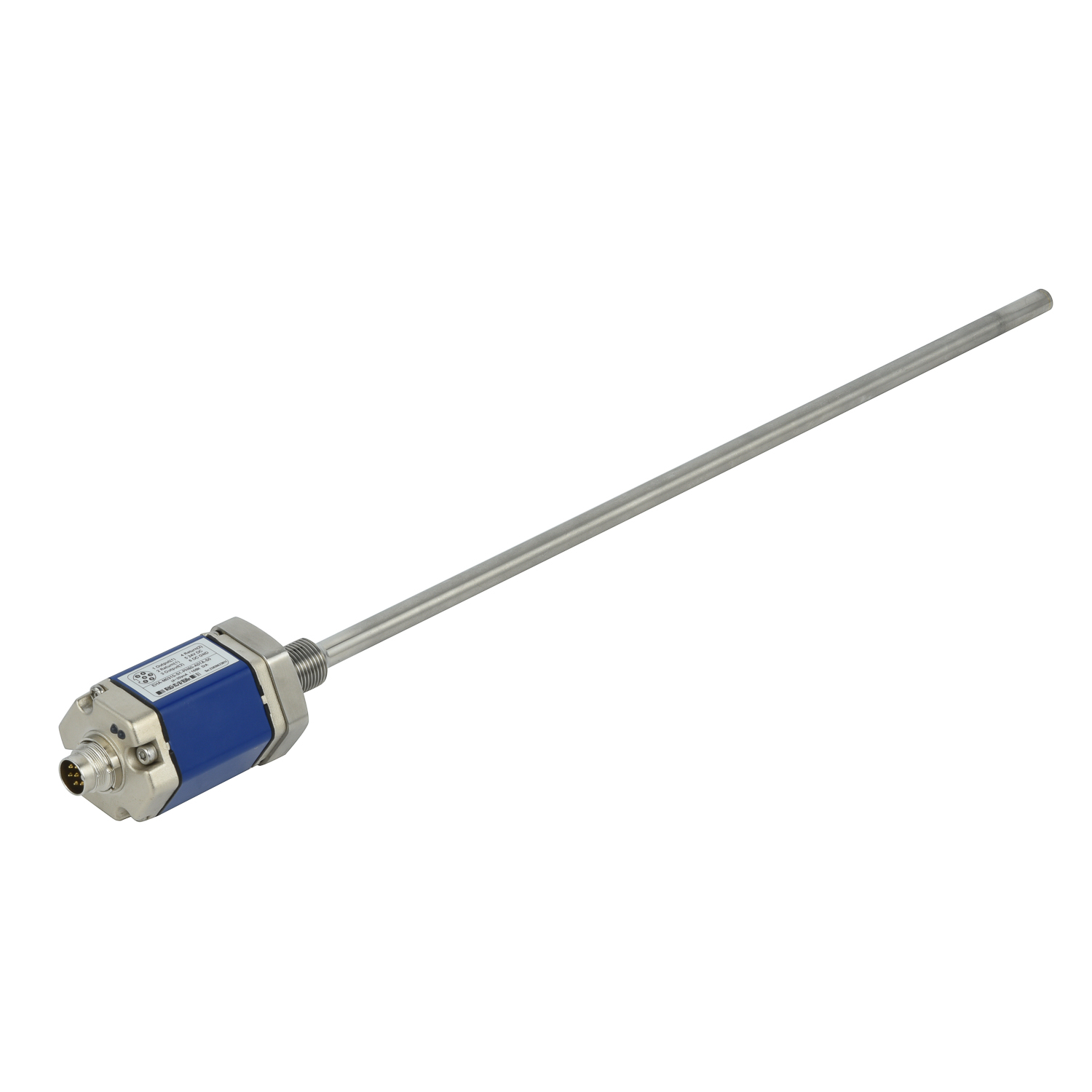
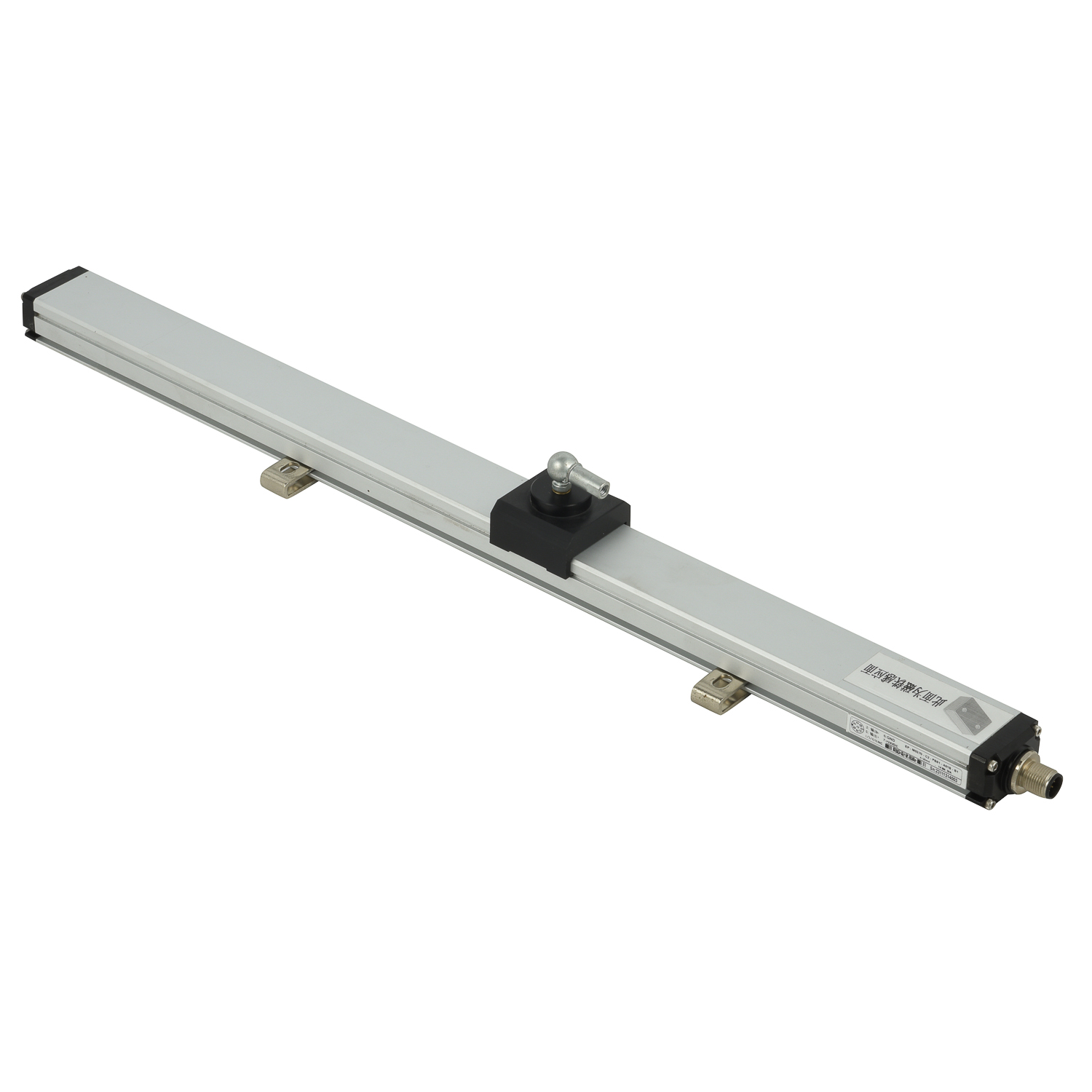
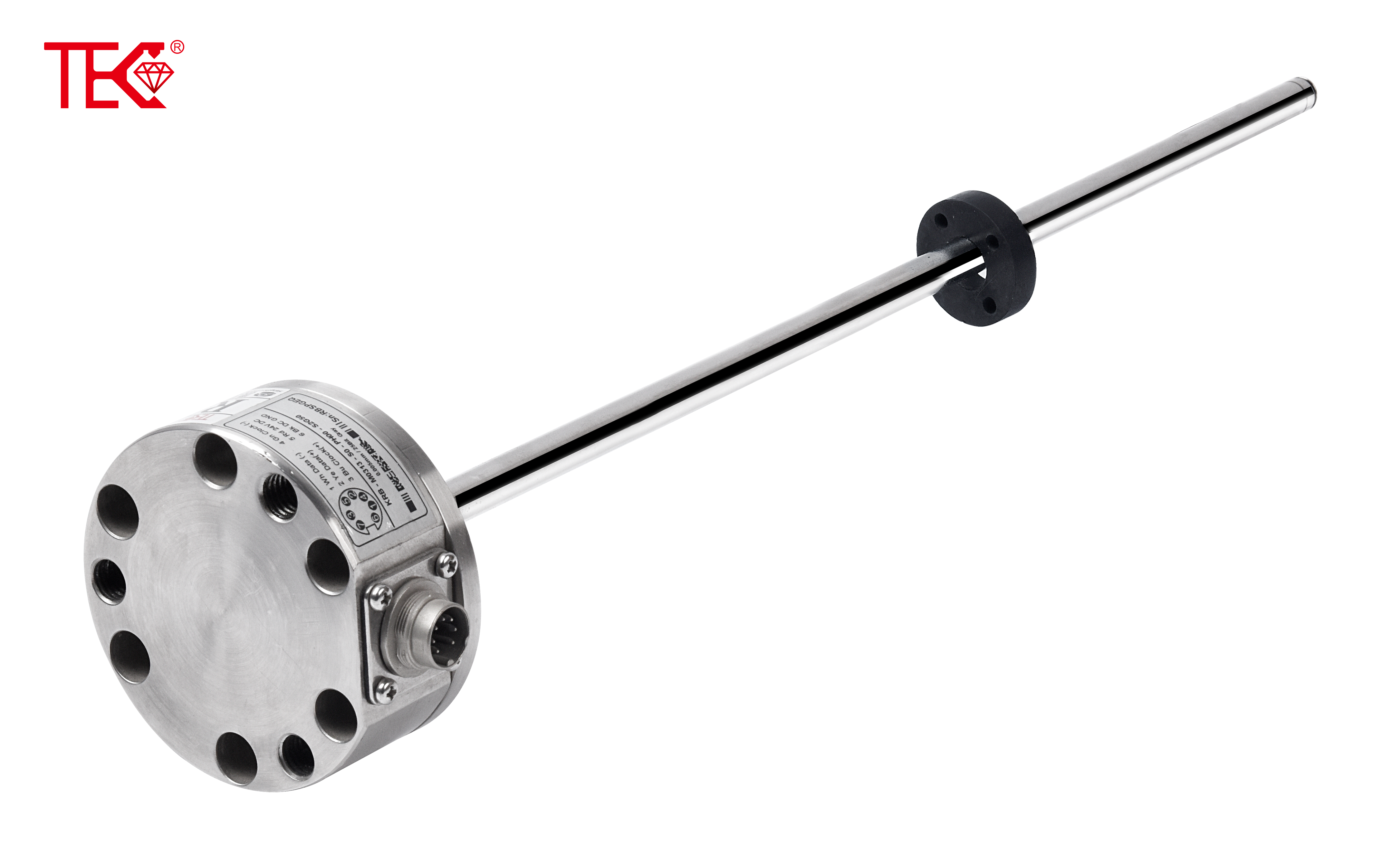
Selecting a magnetostrictive level gauge for mining silos requires matching safety certification, process conditions, and maintenance access. First confirm the hazardous area classification and required protection level. The gauge must carry valid intrinsically safe and explosion-proof approvals for dust and gas risks, with suitable barriers or isolators. Verify probe length, measuring range, and resolution against silo height and material inventory. Mining slurries, fine ores, and cement powders can cause buildup, so choose a float and stem material compatible with abrasives and corrosion. Consider temperature, pressure, vibration, and shock loading. A robust 316L stainless steel or reinforced probe, sealed housing, and IP66/IP67 protection improve reliability. For integration, select 4–20 mA, HART, or RS-485 output as needed by the control system. Mounting position should avoid inlet turbulence, dead zones, and mechanical impact; a stilling well may help in turbulent or dusty silos. Easy calibration and remote diagnostics reduce downtime. Finally, review cable glands, grounding, barrier compatibility, and documentation for site acceptance. Document alarm setpoints, repeatability, and response time before purchase, and confirm spare parts availability. A factory acceptance test and site commissioning check are recommended for critical silos. Proper selection ensures accurate level monitoring, safe operation, and long service life in mining silo environments.
 Sewage Treatment Gate Waterpro
 Cement Storage Tank High-press
Mining Silo Intrinsically Safe
 Metallurgy Reaction Kettle Hig