
Metallurgy Reaction Kettle High-temperature Magnetostrictive Level Gauge Manufacturer
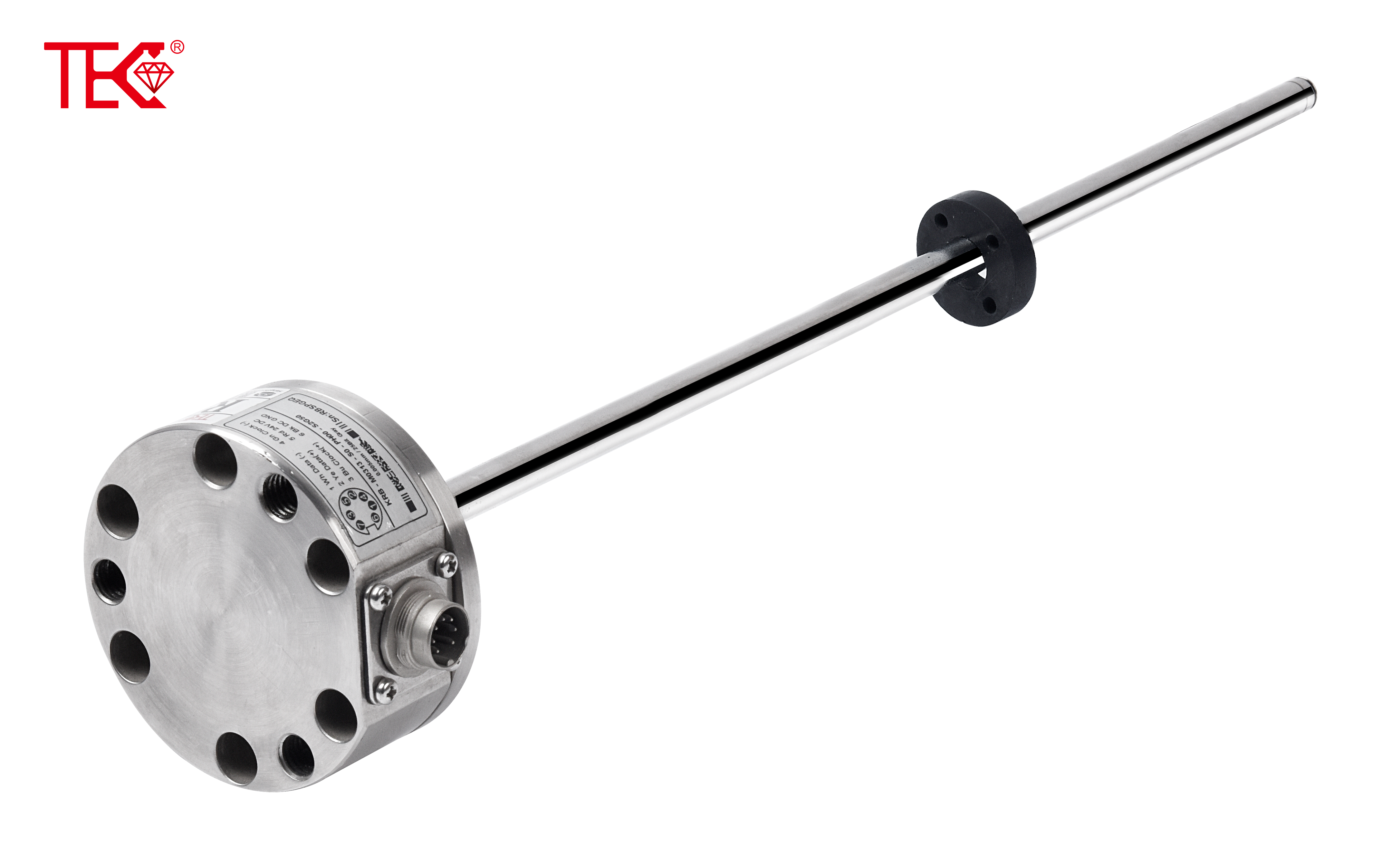
In metallurgy, reaction kettles operate under severe conditions: high temperatures, aggressive slag, dust, vibration, and limited maintenance access. A reliable high-temperature magnetostrictive level gauge helps plants monitor melt and slurry levels continuously, protecting safety and process stability. A specialized manufacturer designs these instruments with heat-resistant probes, robust electronics, and materials selected for thermal cycling and chemical exposure.
The magnetostrictive measuring principle uses a waveguide and a float with magnets. The float position creates a torsional pulse, and the transmitter converts the time difference into an accurate level signal. For metallurgy reaction kettles, the gauge must tolerate elevated temperatures and keep stable output despite steam, fumes, and electromagnetic interference. High-temperature isolation, cooling structures, sealed housings, and flexible mounting options are key. Custom probe lengths, flange connections, and outputs such as 4-20 mA, HART, and Modbus help match existing control systems. Optional explosion-proof and high-pressure versions support diverse vessel designs.
When selecting a manufacturer, look for application engineering, calibration, pressure and temperature testing, and fast spare parts support. Suppliers should provide traceable material certificates, test reports, and clear installation guidance for harsh environments. The right high-temperature magnetostrictive level gauge improves furnace charging control, reduces overflow risk, and supports predictive maintenance in steel, copper, aluminum, and specialty alloy production.
 Sewage Treatment Gate Waterpro
 Cement Storage Tank High-press
 Mining Silo Intrinsically Safe
Metallurgy Reaction Kettle Hig