
Port Overhead Crane Intrinsically Safe Explosion-proof Magnetostrictive Displacement Sensor Installation Method
Correct installation is critical for reliable position feedback and hazardous-area safety on port overhead cranes. Before work, confirm the area classification, review the intrinsically safe circuit design, and verify that the sensor, barrier or isolator, and cable ratings match the approved system. Isolate power and follow permit-to-work procedures.
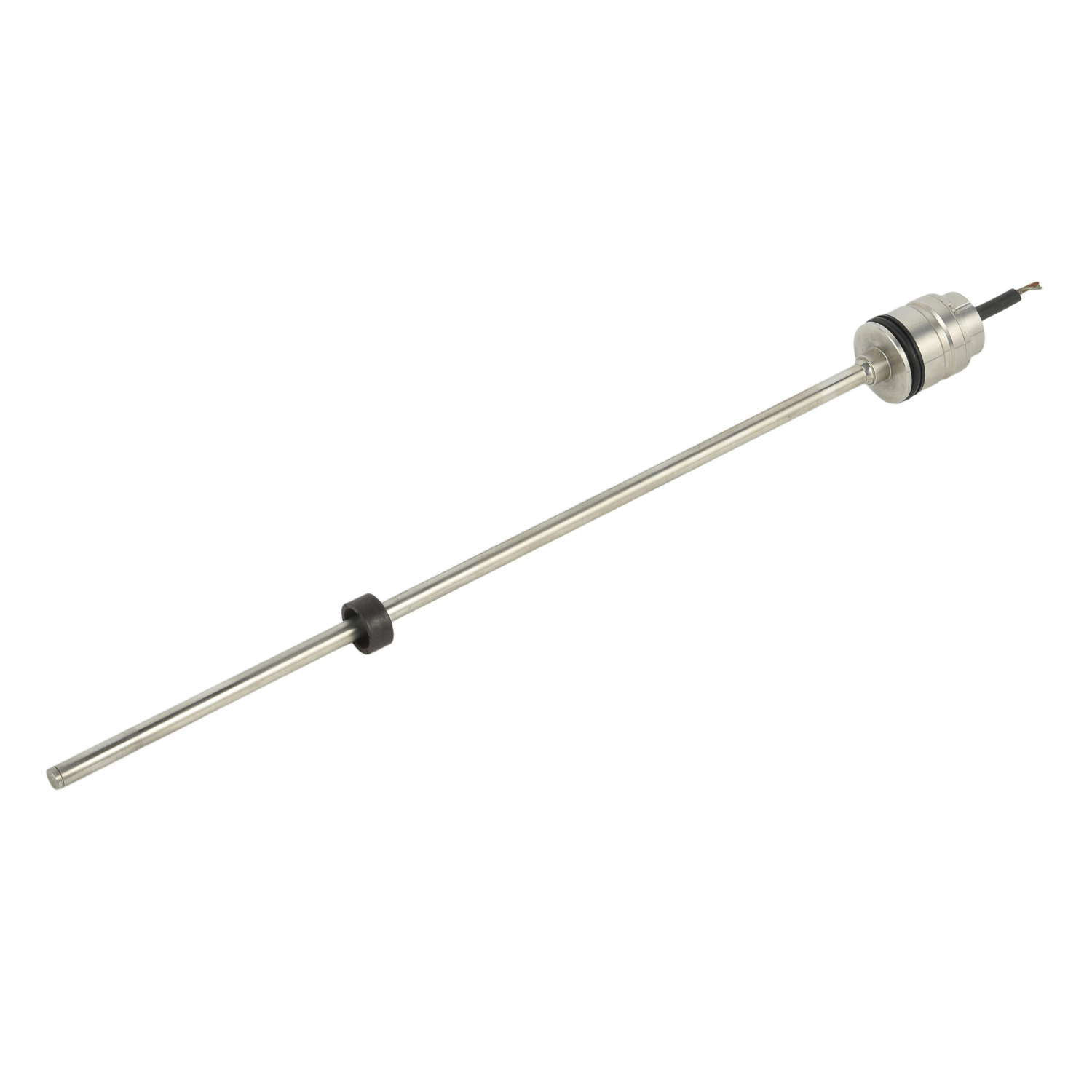
Mount the sensor on a rigid, vibration-resistant bracket parallel to the crane travel axis. Keep the magnetostrictive sensing rod aligned with the magnet ring and avoid mechanical preload or misalignment. Use stainless or suitably protected hardware, tighten to the specified torque, and maintain the required sensing gap and stroke margin. Provide mechanical protection without blocking heat dissipation. Use certified cable glands and seals suitable for the enclosure.
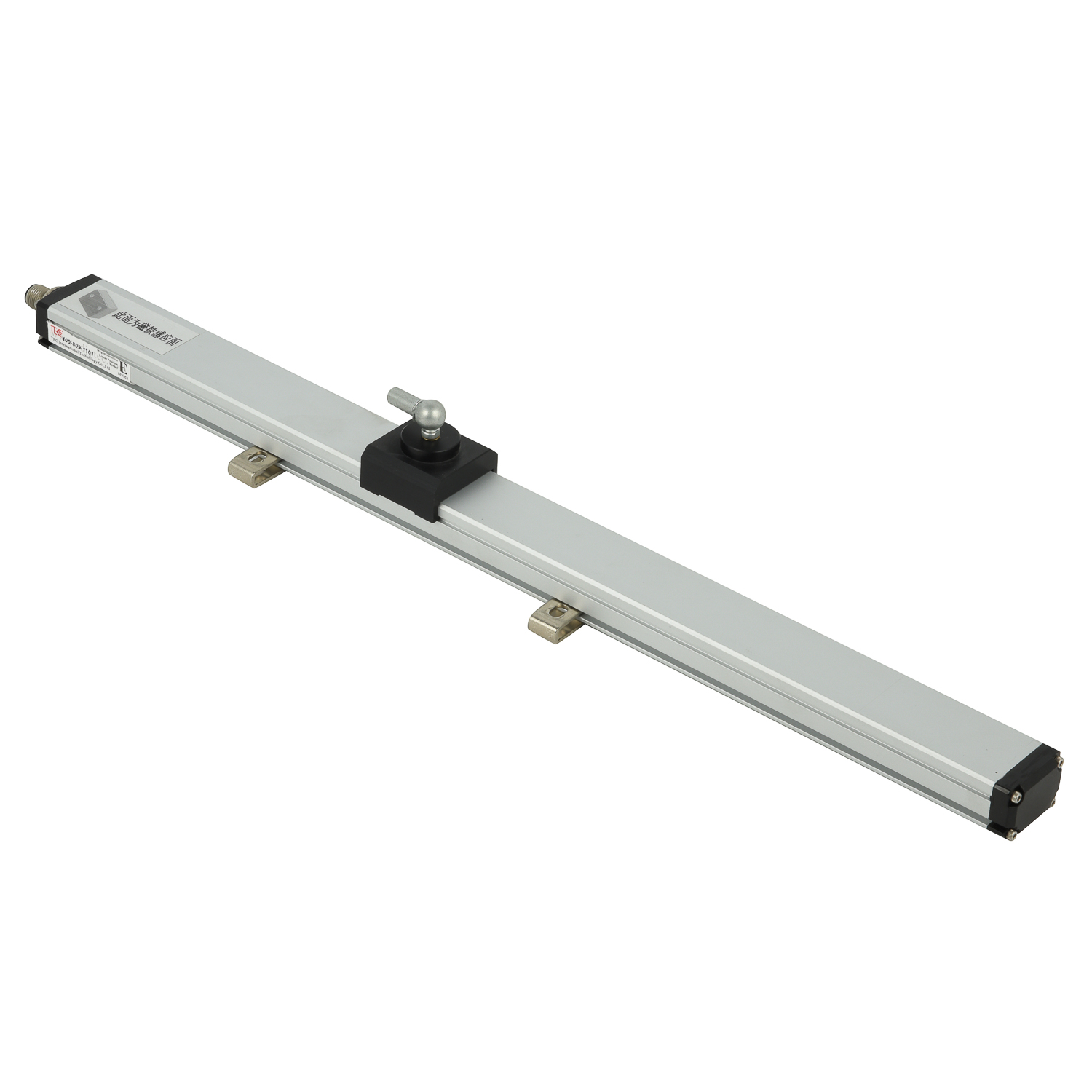
Route the cable in dedicated conduit or cable tray, away from high-current power cables. Use shielded cable, terminate the shield as specified, and connect the intrinsically safe circuit through the certified barrier or isolator. Bond the sensor housing and crane structure according to drawings. Do not substitute components or extend cable beyond approved limits. Keep spare cable loops secured and drip loops in place.
After installation, check insulation, continuity, grounding, and polarity. Calibrate zero and full-scale positions, test output stability, and confirm alarms and limits. Record settings, inspect seals and connections, and include the sensor in routine maintenance. This method supports safe, accurate, and durable displacement measurement in port crane applications.
 Storage Tank Non-contact Magne
 Material Tank Intrinsically Sa
 Bridge Crane Corrosion-resista
 Crane Waterproof Magnetostrict