
Chemical Hydraulic Cylinder High-pressure Magnetostrictive Displacement Sensor Selection
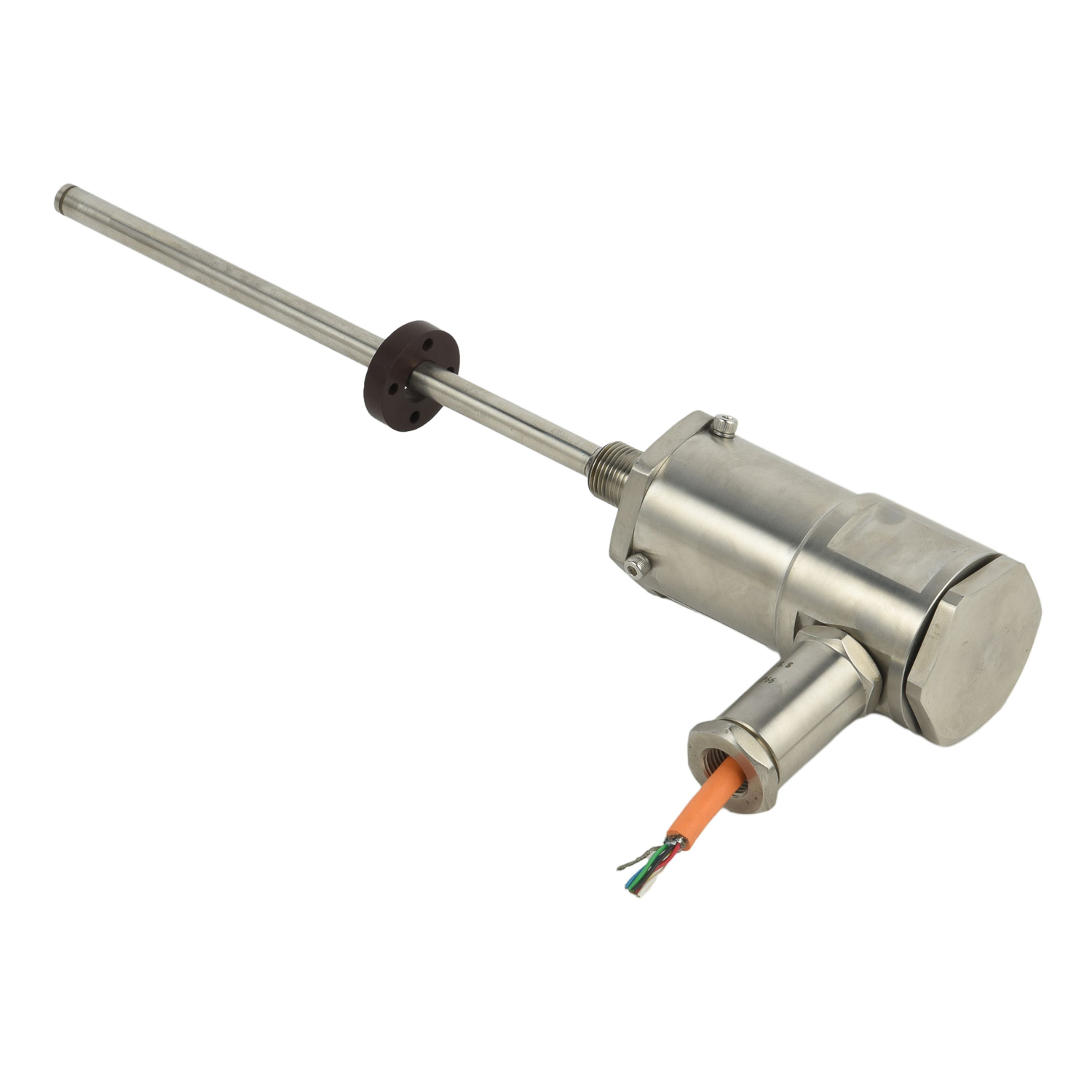
Selecting a high-pressure magnetostrictive displacement sensor for a chemical hydraulic cylinder requires more than matching stroke length. The sensor must survive elevated pressure, aggressive media, vibration, and continuous operation. First, confirm the cylinder's maximum working pressure and test pressure. Choose a sensor with a pressure-rated housing, robust flange, and suitable sealing system. Never rely on a standard low-pressure probe in a high-pressure cylinder.
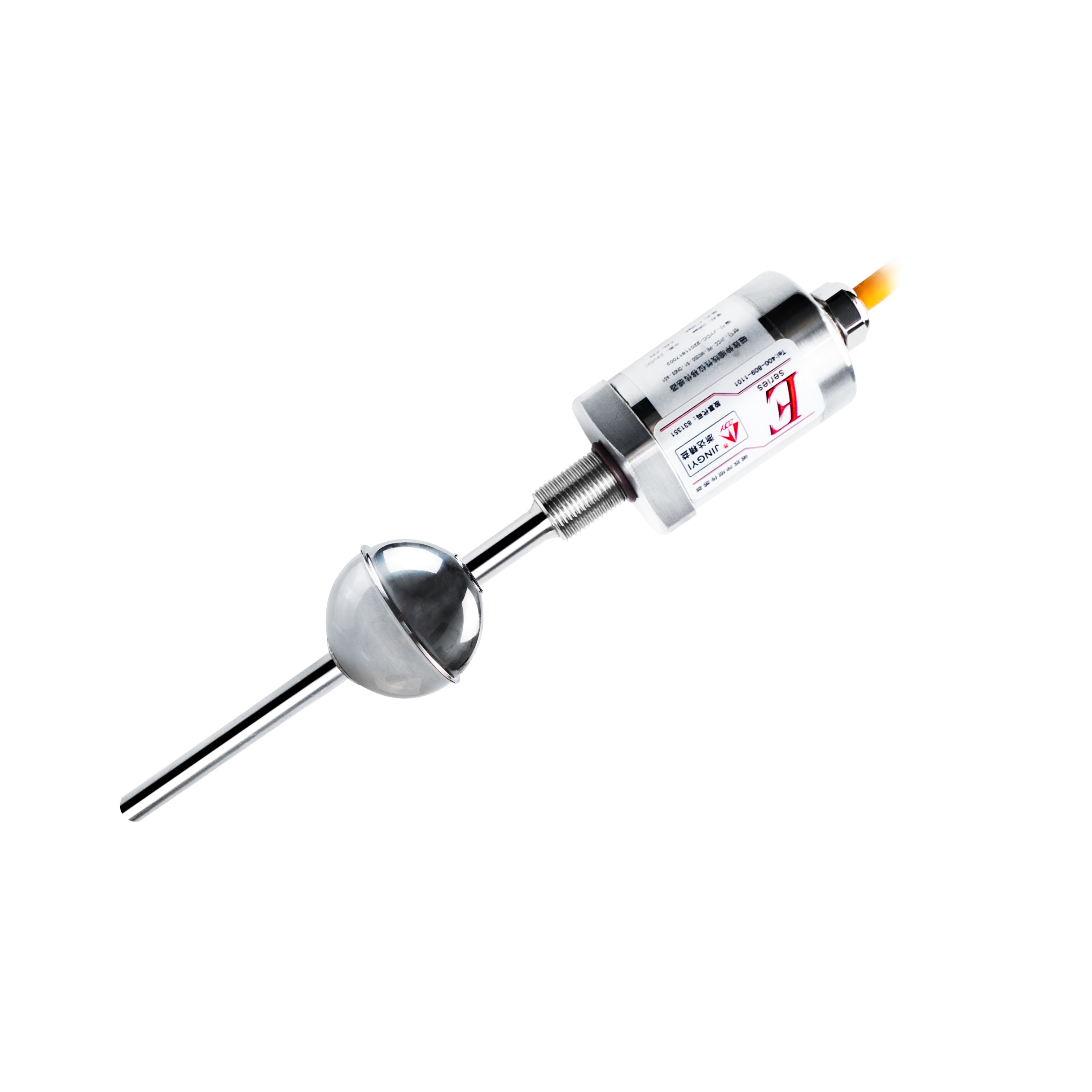
Next, evaluate chemical compatibility. The wetted rod, flange, seals, and electronics housing must resist the process fluid, cleaning agents, and ambient fumes. Stainless steel, engineered polymers, or protective coatings may be needed. Check temperature limits and ingress protection because chemical plants often involve washdown, humidity, and corrosive vapors. For extreme duty, verify material certificates and pressure-test reports.
Define stroke, resolution, repeatability, and response time. Magnetostrictive sensors provide non-contact measurement, so they suit long stroke and high-cycle applications. Select an output signal—analog, SSI, CANbus, or fieldbus—that matches the controller. Consider EMC, grounding, cable routing, and hazardous-area certification if required. Finally, plan installation and maintenance: verify mounting space, pressure port, magnet position, calibration access, and spare-part availability. A correctly selected sensor improves positioning accuracy, reduces downtime, and supports safe chemical hydraulic control.
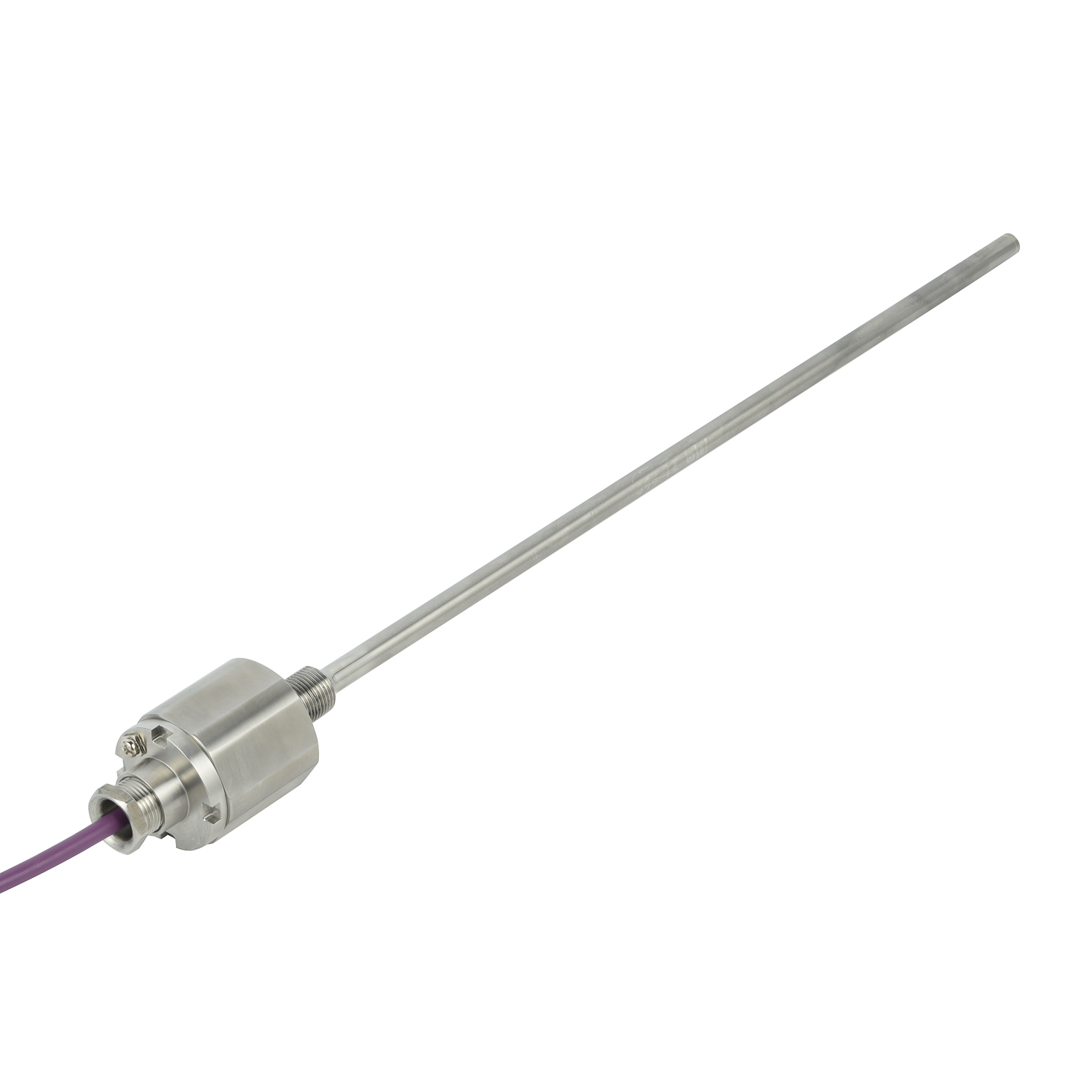 Gate Explosion-proof Magnetost
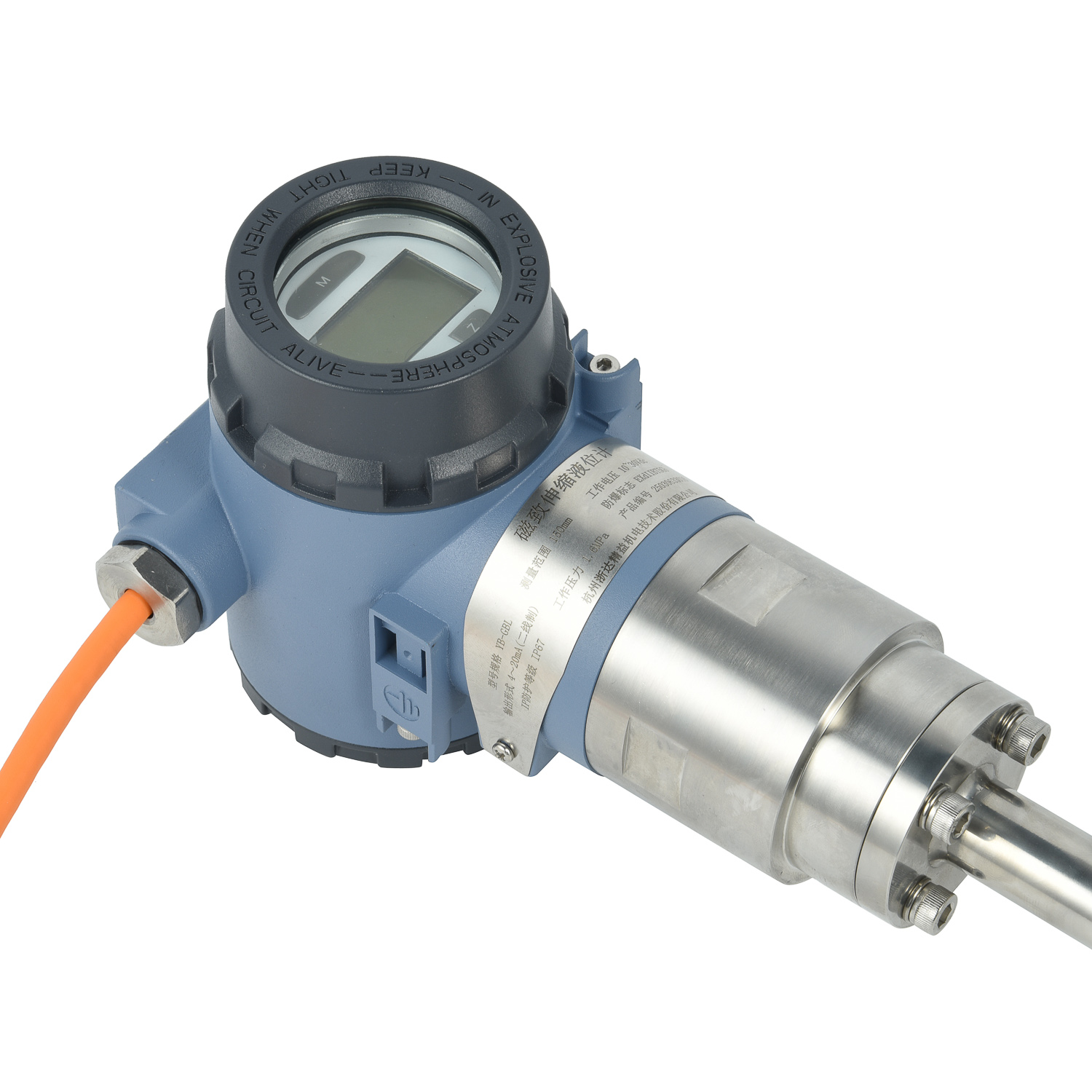 Silo Rod-type Magnetostrictive
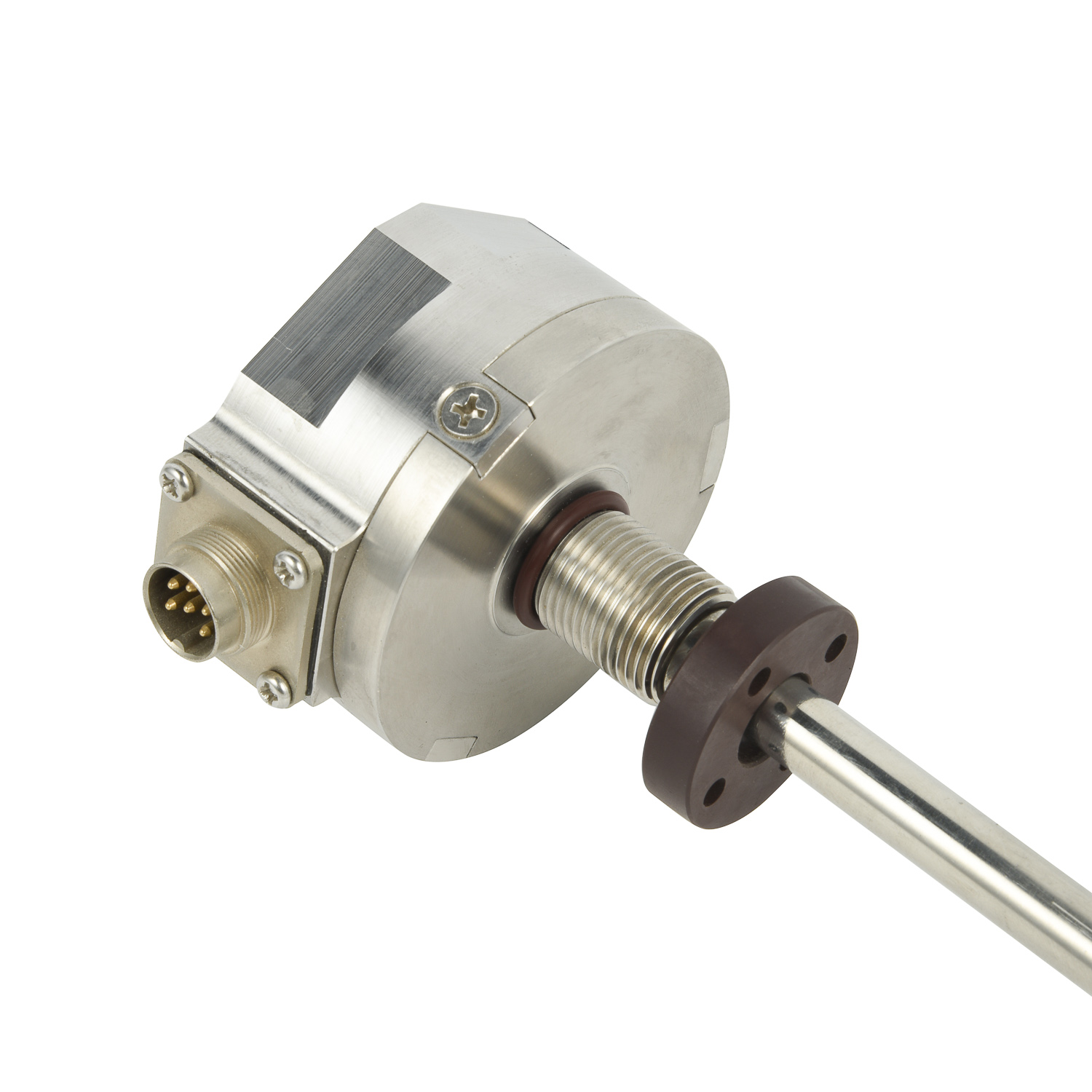 Reaction Kettle Flange-mounted
 Storage Tank Non-contact Magne