
Silo Rod-type Magnetostrictive Displacement Sensor Fault
Silo rod-type magnetostrictive displacement sensors provide stable level and position feedback, but faults can interrupt operations. Common symptoms include drifting readings, no output, unstable signals, and mechanical damage. Signal drift often results from loose wiring, EMI, poor grounding, or worn magnets. A dead output may indicate lost power, a broken cable, or a failed electronics module. If readings jump, inspect shielding and separate signal cables from motor cables.
Mechanical faults are also frequent. Bent or contaminated rods can cause friction, blocked movement, or inaccurate displacement. In dusty silos, material buildup around the rod may restrict the float and produce false level values. Regular cleaning and alignment checks reduce this risk. Over-tight mounting or vibration can loosen connectors and damage the sensing element.
Troubleshooting should start with power and wiring verification, followed by signal testing and rod inspection. Compare output with a known reference, check insulation resistance, and confirm the magnet position. Replace damaged cables, clean the rod, and recalibrate the sensor after repair. For persistent faults, test the electronics with a spare unit.
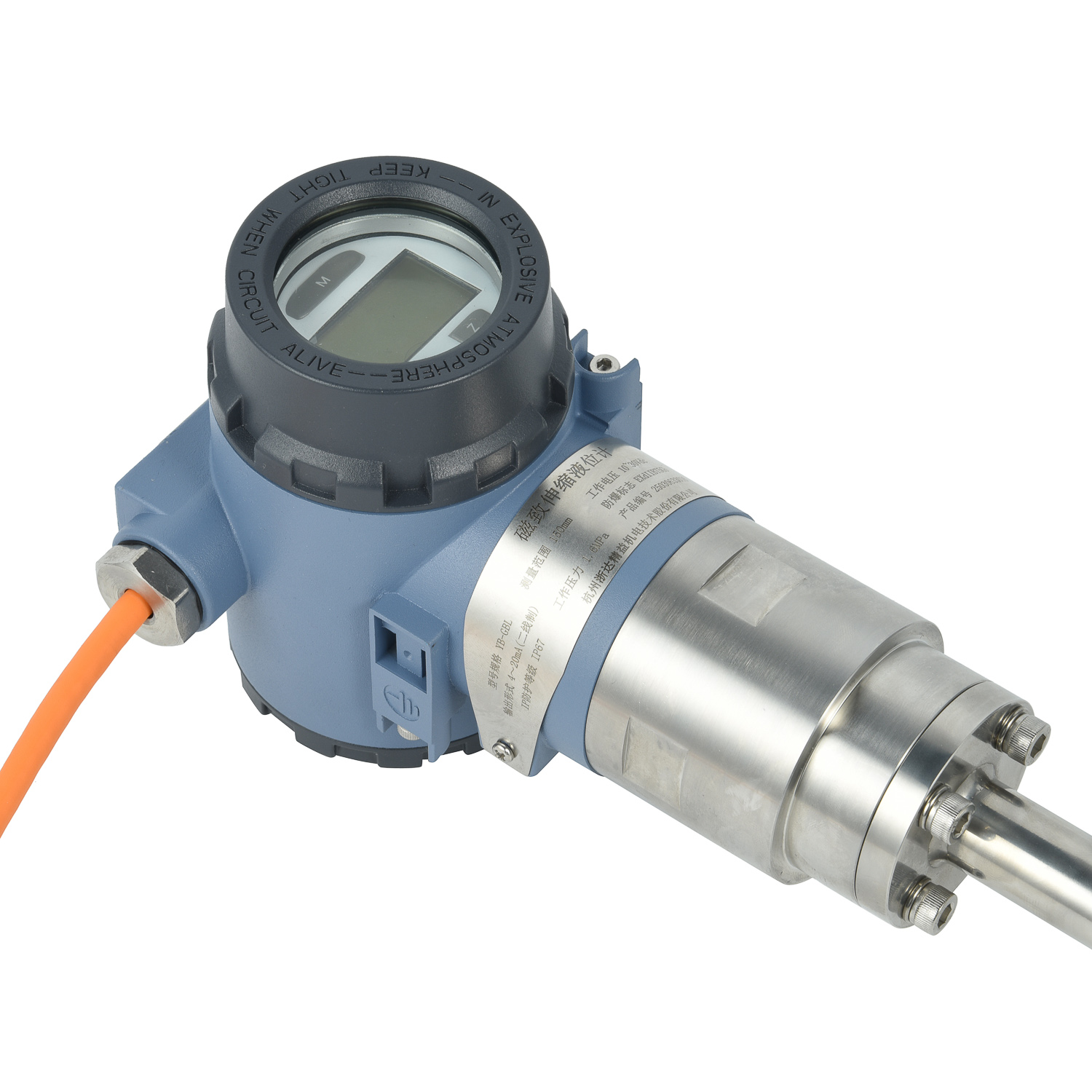
Preventive maintenance includes stable power, correct grounding, shielded cables, routine cleaning, and vibration control. Fast fault diagnosis and timely replacement improve silo measurement reliability and reduce downtime. Document test results for future maintenance planning.
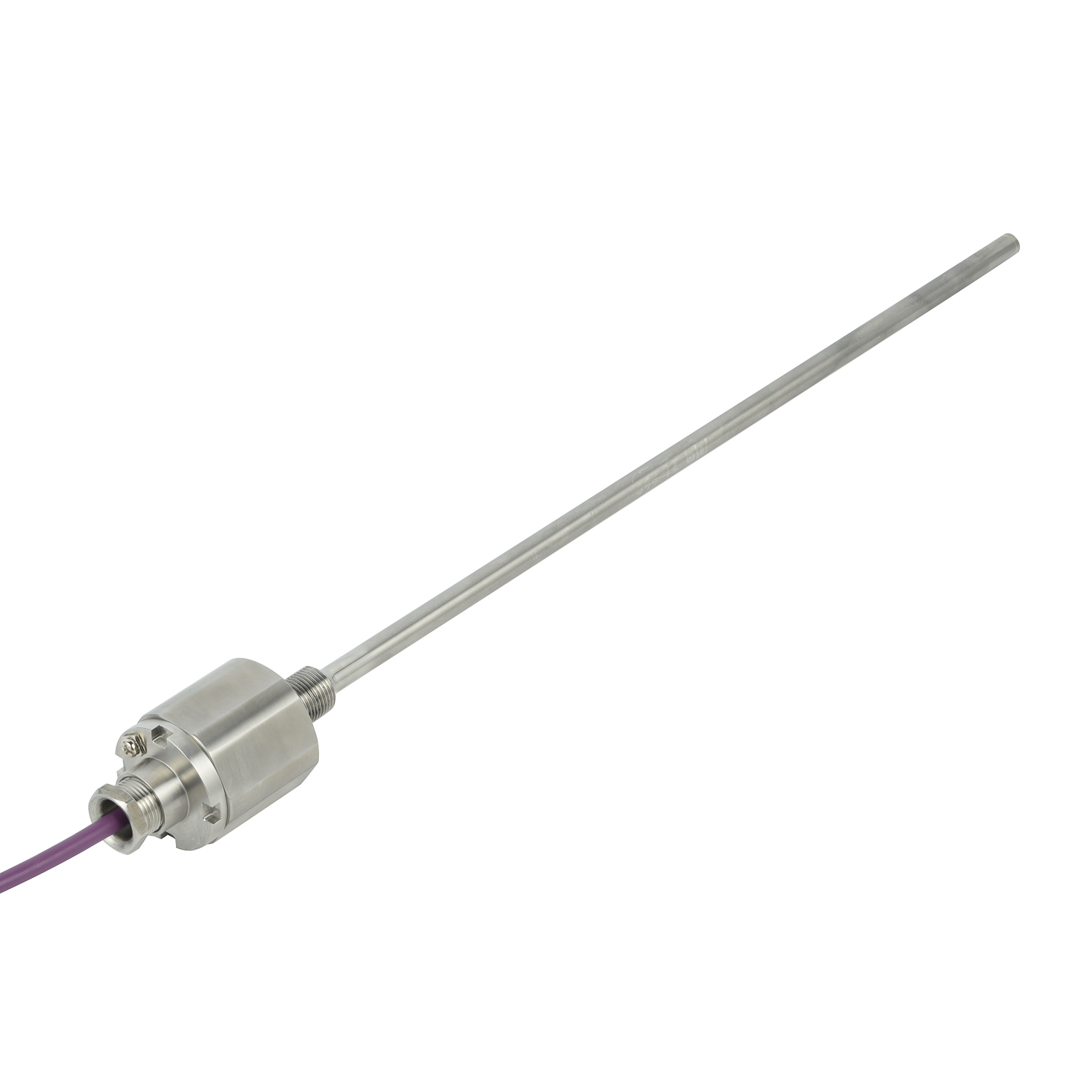 Gate Explosion-proof Magnetost
Silo Rod-type Magnetostrictive
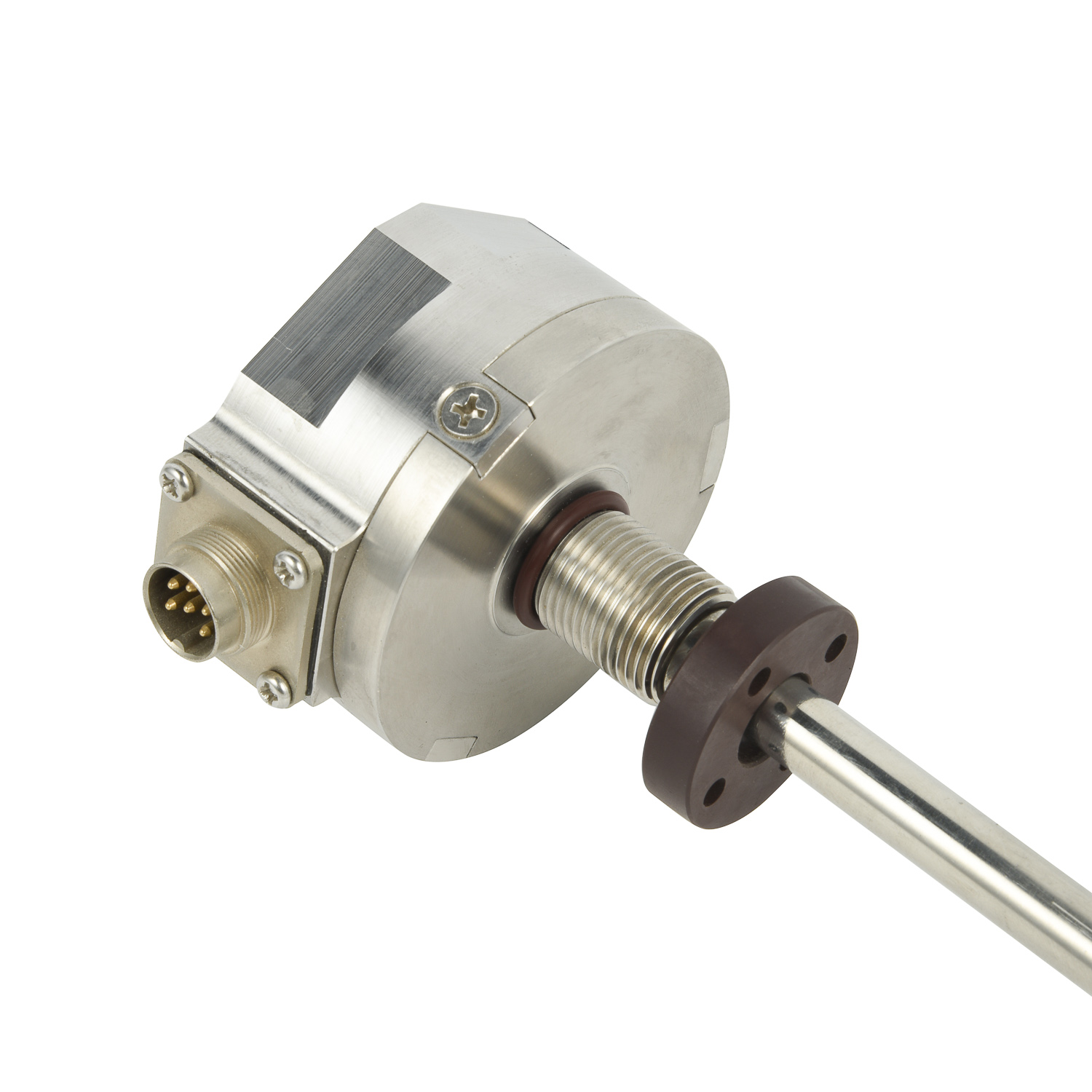 Reaction Kettle Flange-mounted
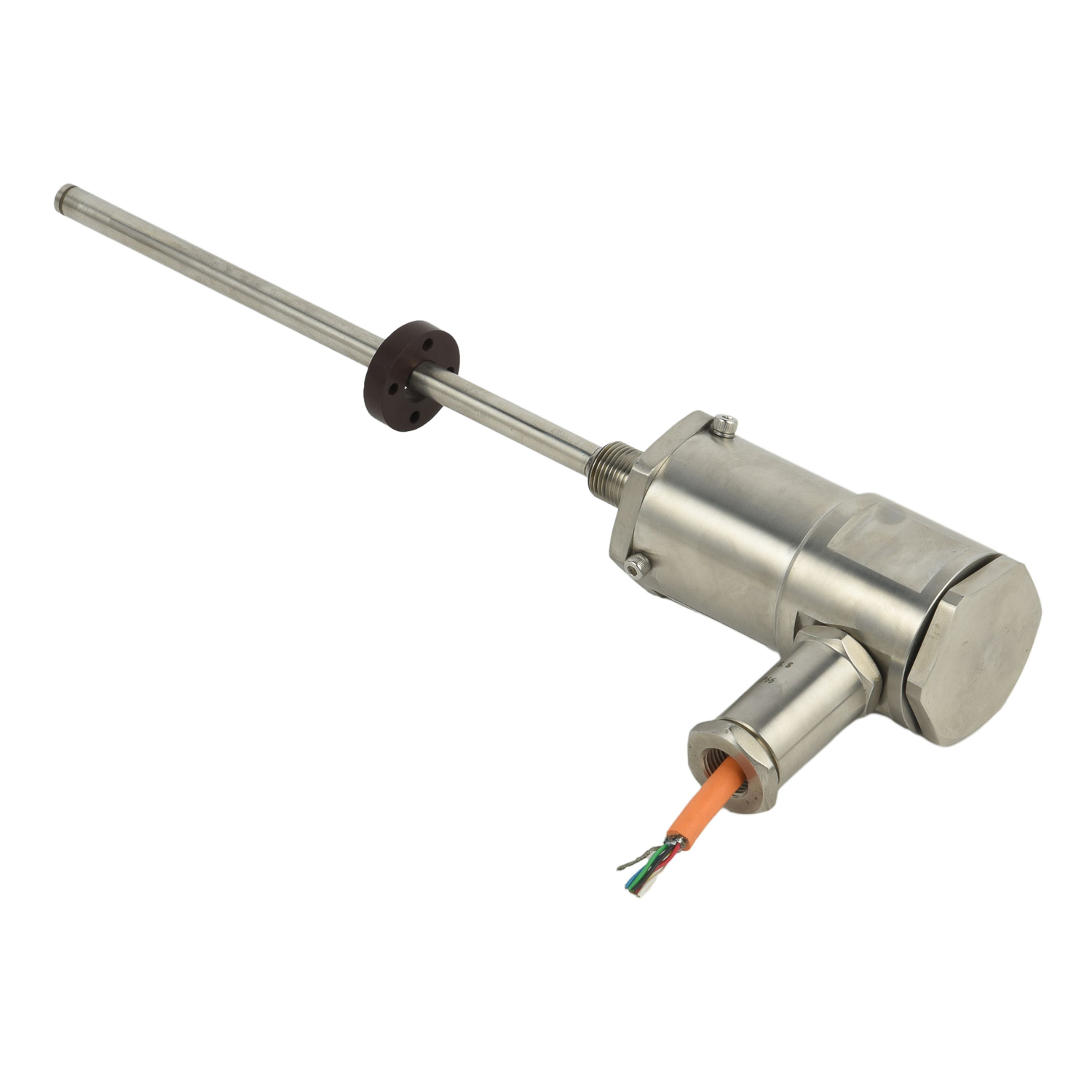 Storage Tank Non-contact Magne