
Mining Stacker-reclaimer High-temperature Magnetostrictive Displacement Sensor Price
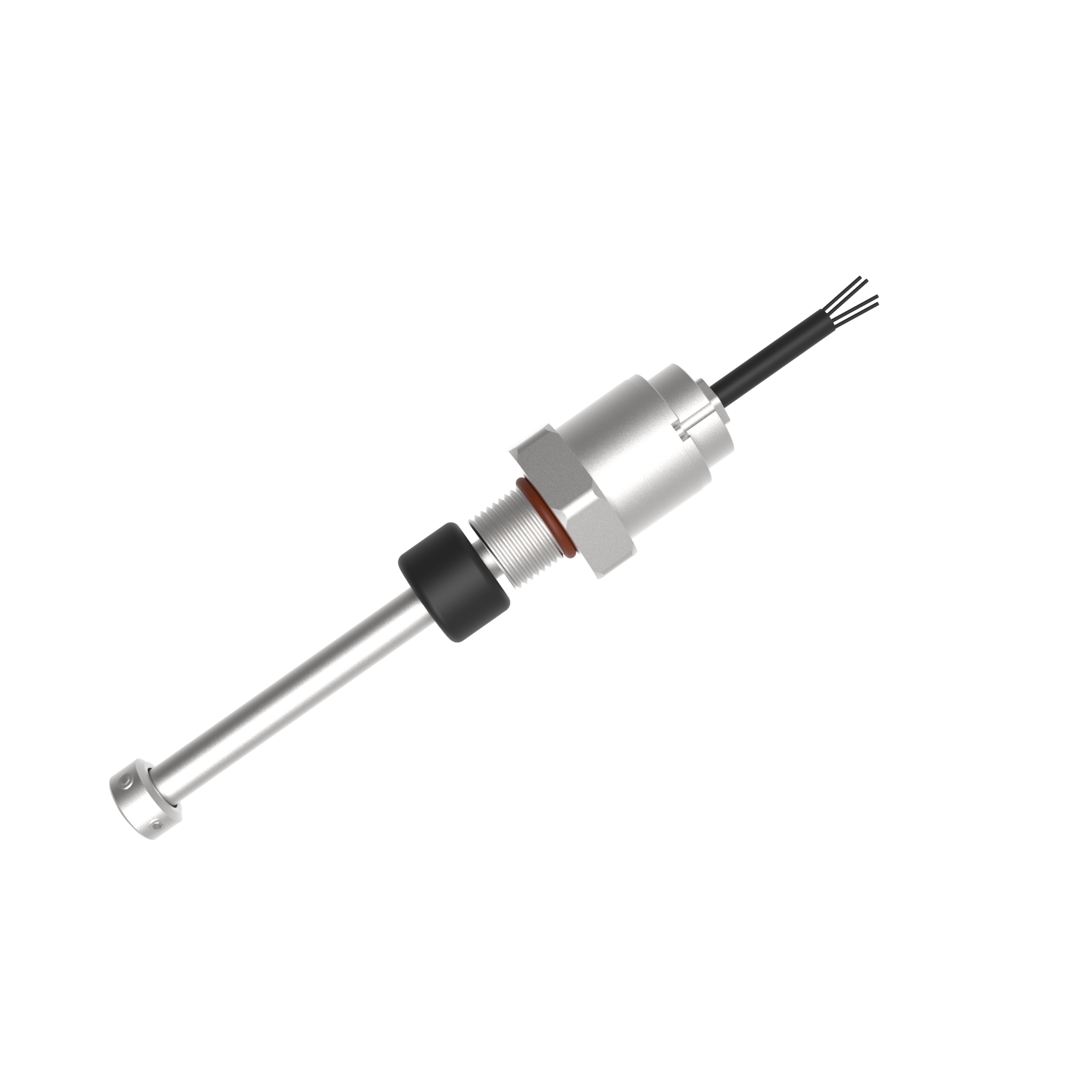
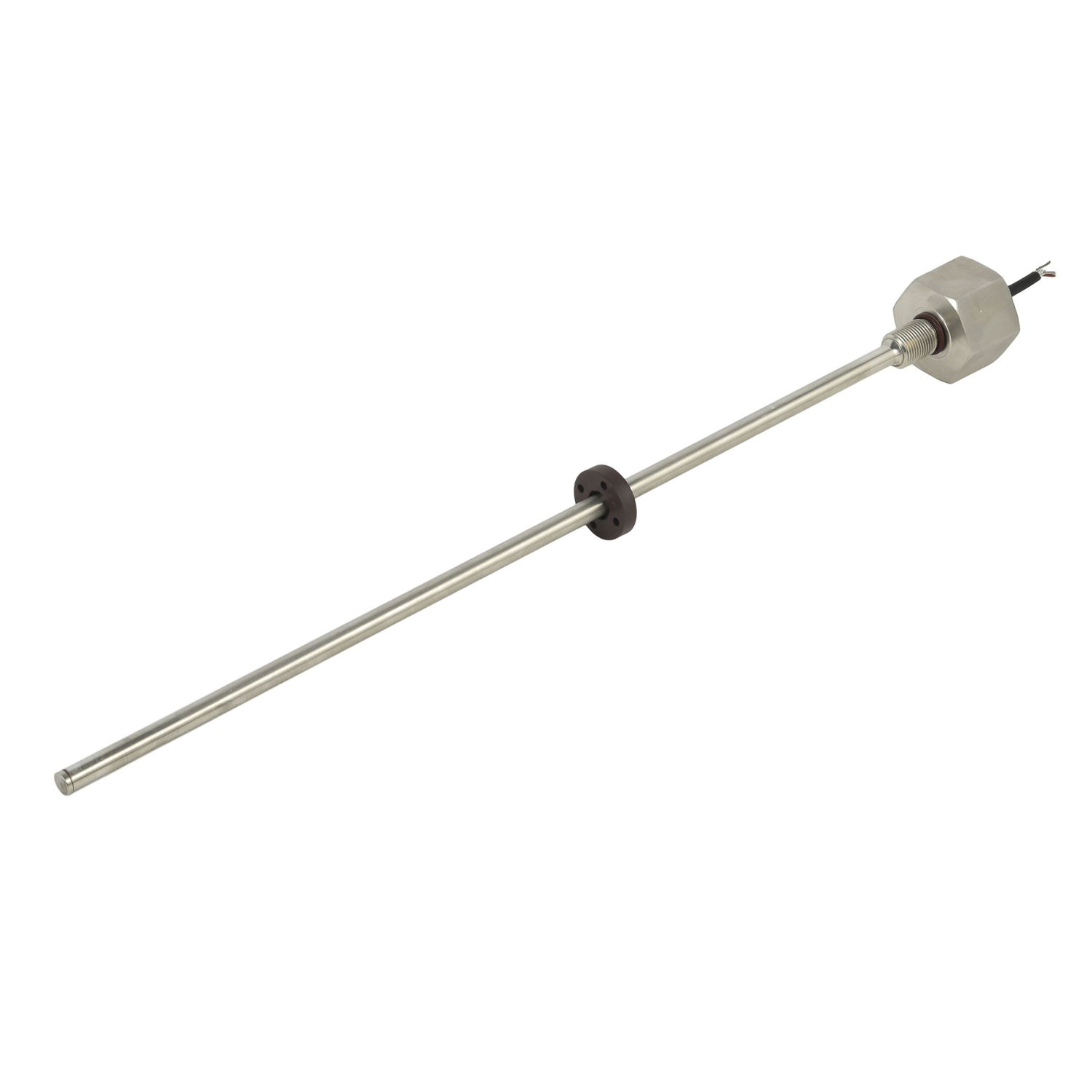
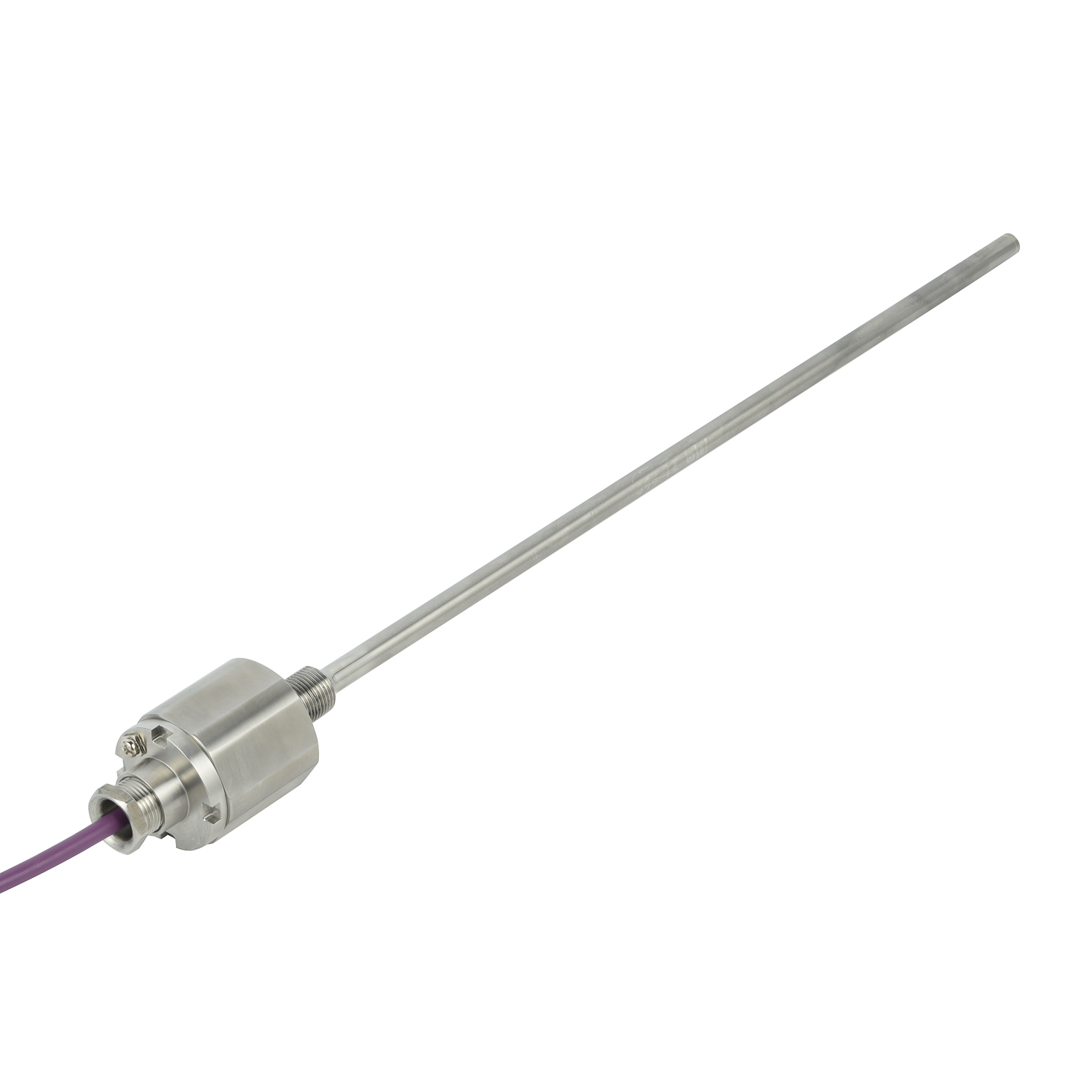
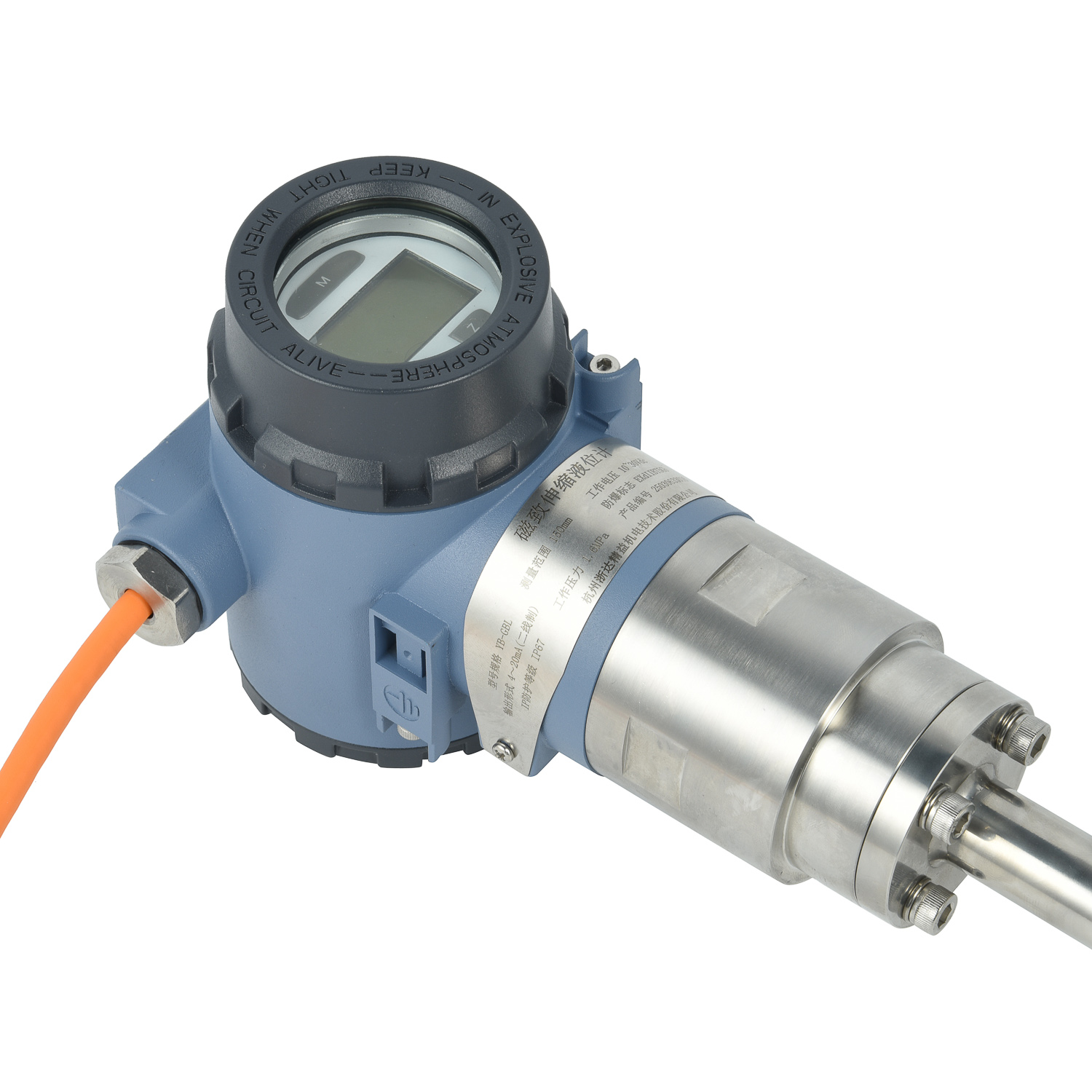
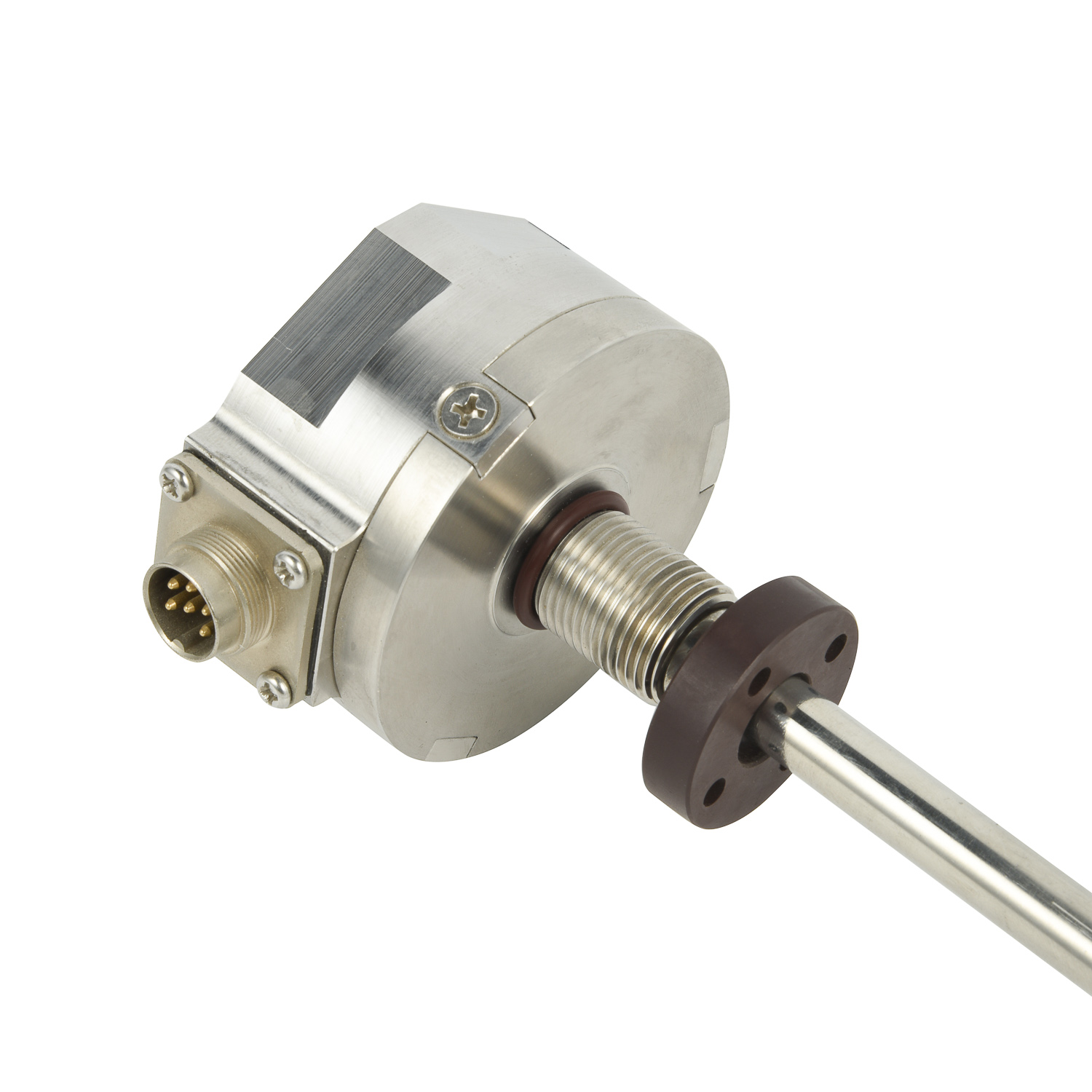
When choosing a high-temperature magnetostrictive displacement sensor for a mining stacker-reclaimer, buyers need reliable position feedback, dust resistance, vibration tolerance, and stable performance near hot equipment. The price of this sensor varies by measuring range, temperature rating, output signal, housing material, cable protection, and certification requirements. Standard units for moderate heat and dust may cost less, while custom high-temperature models with reinforced sealing, stainless steel housing, EMI shielding, and long cables cost more. Brand, calibration, lead time, warranty, and after-sales support also affect the quotation. For stacker-reclaimer boom, slewing, and travel positioning, users should match stroke length, resolution, repeatability, IP rating, and PLC compatibility before comparing prices. A low initial price is not always the best value. In continuous bulk material handling, sensor failure can cause downtime and safety risks. Request a detailed datasheet, temperature test report, wiring diagram, and installation guide. Check whether the sensor supports harsh outdoor conditions, high-pressure washing, and long-term vibration. A suitable supplier should offer sample testing, fast replacement, and technical support. Final price should reflect total lifecycle cost, not only unit cost. For accurate quotations, provide operating temperature, stroke, output type, mounting space, cable length, and project quantity. Comparing several qualified offers helps buyers secure the right balance of performance, delivery, and cost.
 Hoist High-temperature Magneto
 Gate Explosion-proof Magnetost
 Silo Rod-type Magnetostrictive
 Reaction Kettle Flange-mounted