
Electromagnetic Ultrasonic Thickness Probe for Metallurgy
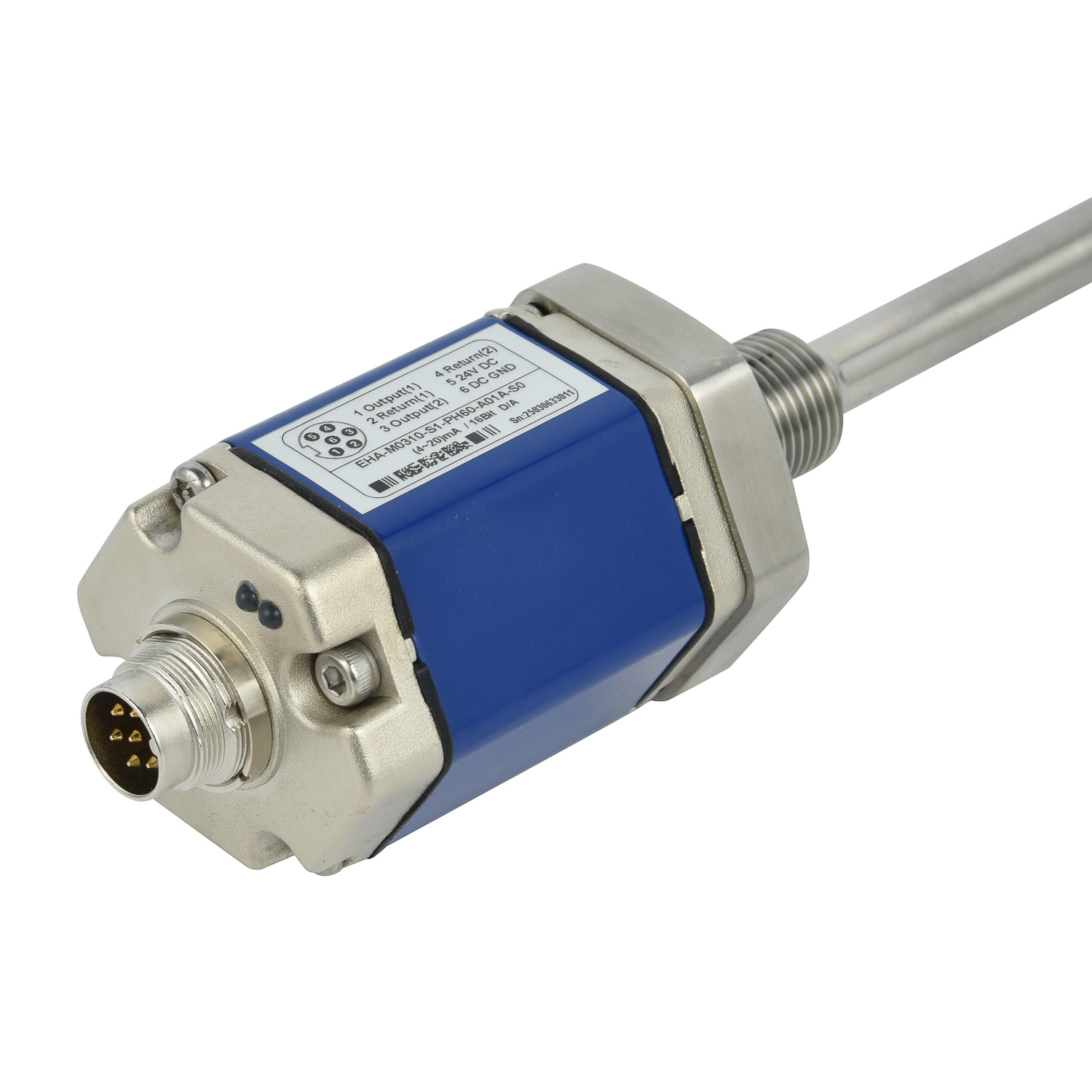
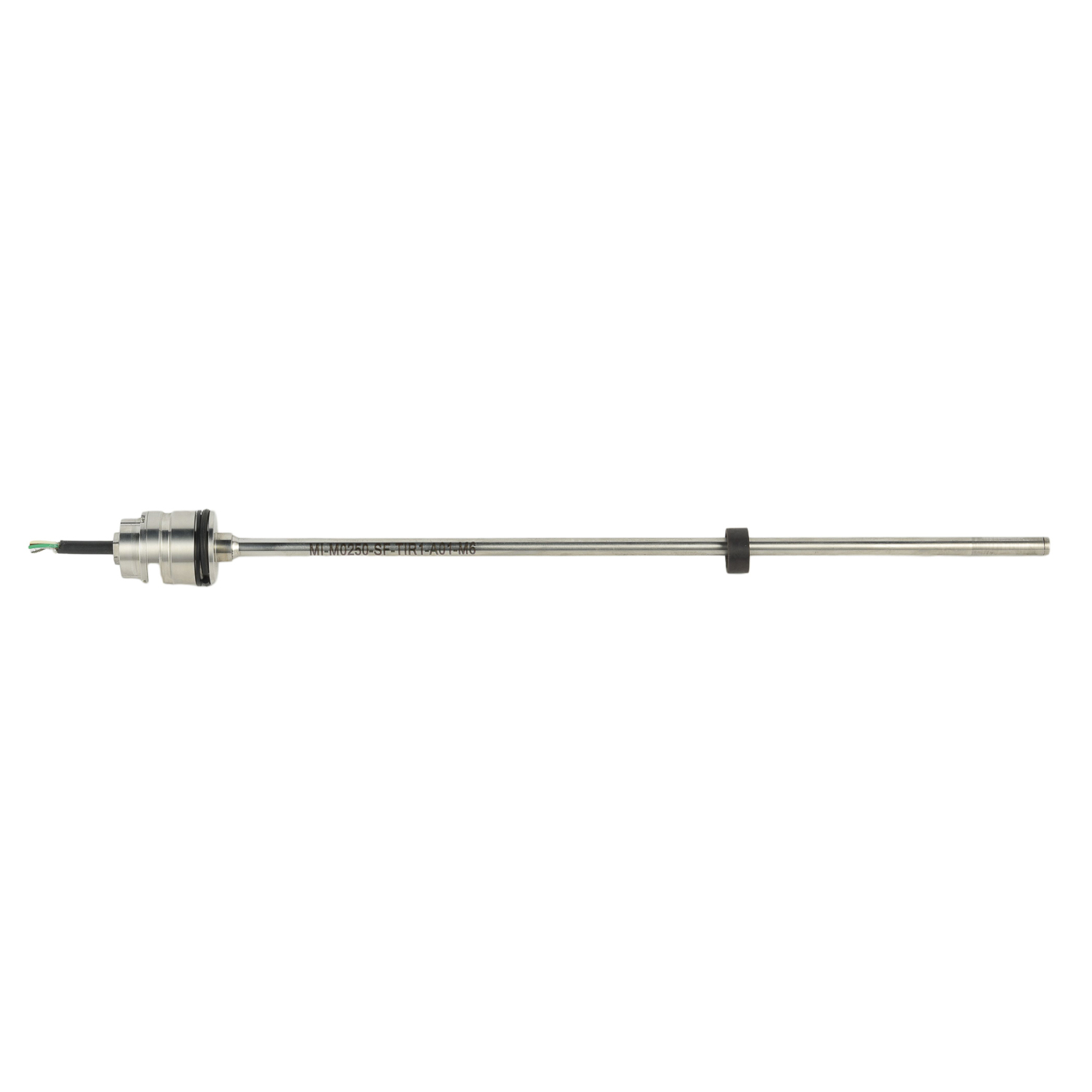
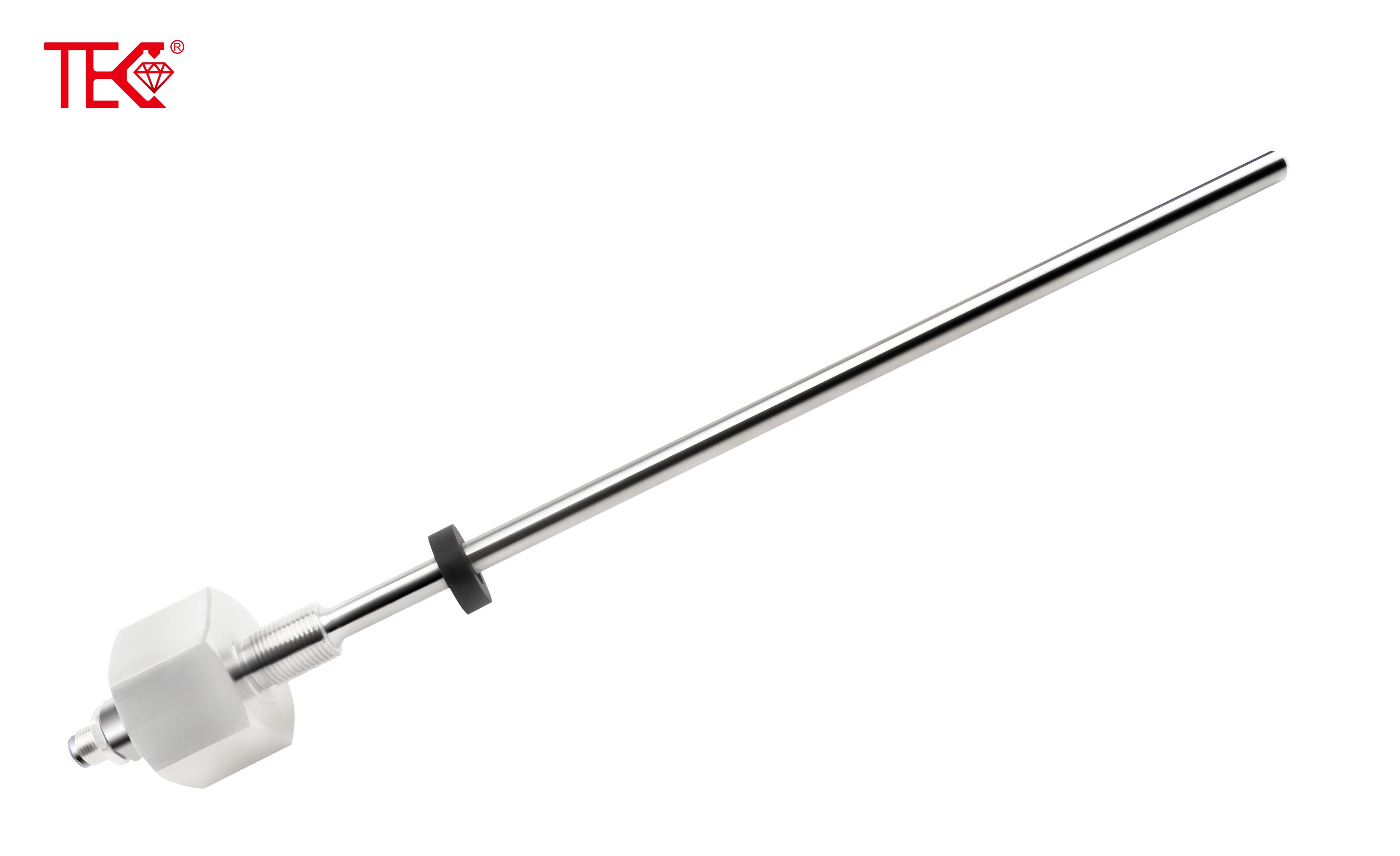
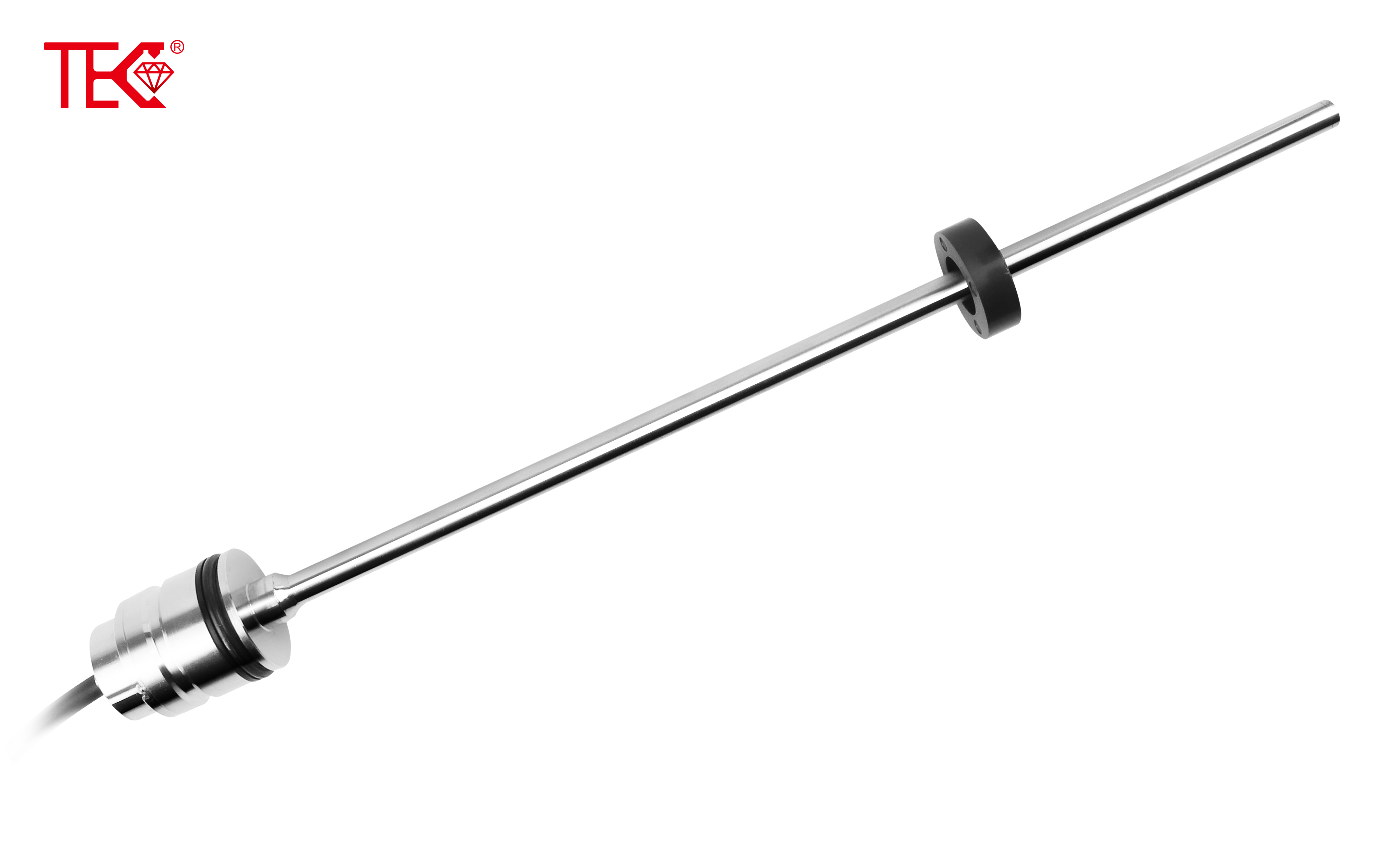
Electromagnetic ultrasonic thickness probes are transforming measurement in metallurgy by combining non-contact ultrasonic testing with electromagnetic acoustic transducers. Unlike conventional probes that require couplant, these devices generate and detect ultrasound directly in conductive metals. This makes them ideal for high-temperature, rough, or moving steel surfaces in continuous casting, rolling, and heat treatment lines. They deliver reliable thickness data without stopping production, reducing downtime and improving process control. In harsh metallurgical environments, probe design must resist heat, dust, vibration, and electromagnetic interference. Advanced signal processing helps separate valid echoes from noise, while robust calibration supports accurate wall-thickness and plate-thickness measurement. Typical applications include slab, billet, strip, pipe, and pressure-vessel inspection, as well as wear monitoring in furnaces and ladles. Because no couplant is needed, maintenance is simpler and automated integration is easier. Real-time thickness feedback enables operators to adjust rolling gaps, detect thickness deviations early, and improve yield. Integrated systems can display thickness profiles in real time, helping teams reduce scrap and maintain strict dimensional quality. It suits demanding production lines. For metallurgy, electromagnetic ultrasonic thickness probes offer a practical path to safer, faster, and more consistent non-destructive testing.
 Electromagnetic Ultrasonic Thi
 Electromagnetic Ultrasonic Thi
 Electromagnetic Ultrasonic Thi