
Power Plant Waterproof Pressure Sensor
Power plant operations demand accurate pressure monitoring in wet, hot, and vibration-heavy conditions. A waterproof pressure sensor protects critical measurements from steam, condensate, spray, and temporary immersion, helping operators maintain stable output and safety. These sensors use sealed stainless-steel housings, IP68-rated connectors, and corrosion-resistant diaphragms to resist moisture ingress. In water treatment, boiler feed, cooling towers, and auxiliary systems, reliable pressure data supports leak detection, pump control, and efficiency optimization. When selecting a unit, confirm pressure range, accuracy, temperature compensation, output signal, and enclosure rating. Proper installation with shielded cables and correct grounding reduces electrical noise and extends service life. Regular calibration and inspection keep readings trustworthy. A robust waterproof pressure sensor minimizes downtime, lowers maintenance costs, and supports continuous, safe power generation. Because power plants often combine high humidity, chemical exposure, and continuous operation, sensor reliability directly affects process control and worker safety. A well-sealed pressure transmitter should also resist pressure spikes and thermal cycling. Users should verify wetted materials match the measured medium, especially in boiler feedwater, wastewater, and cooling circuits. Correct commissioning and routine checks improve long-term accuracy and reduce unplanned outages. This protects uptime.
 Power Plant Waterproof Pressur
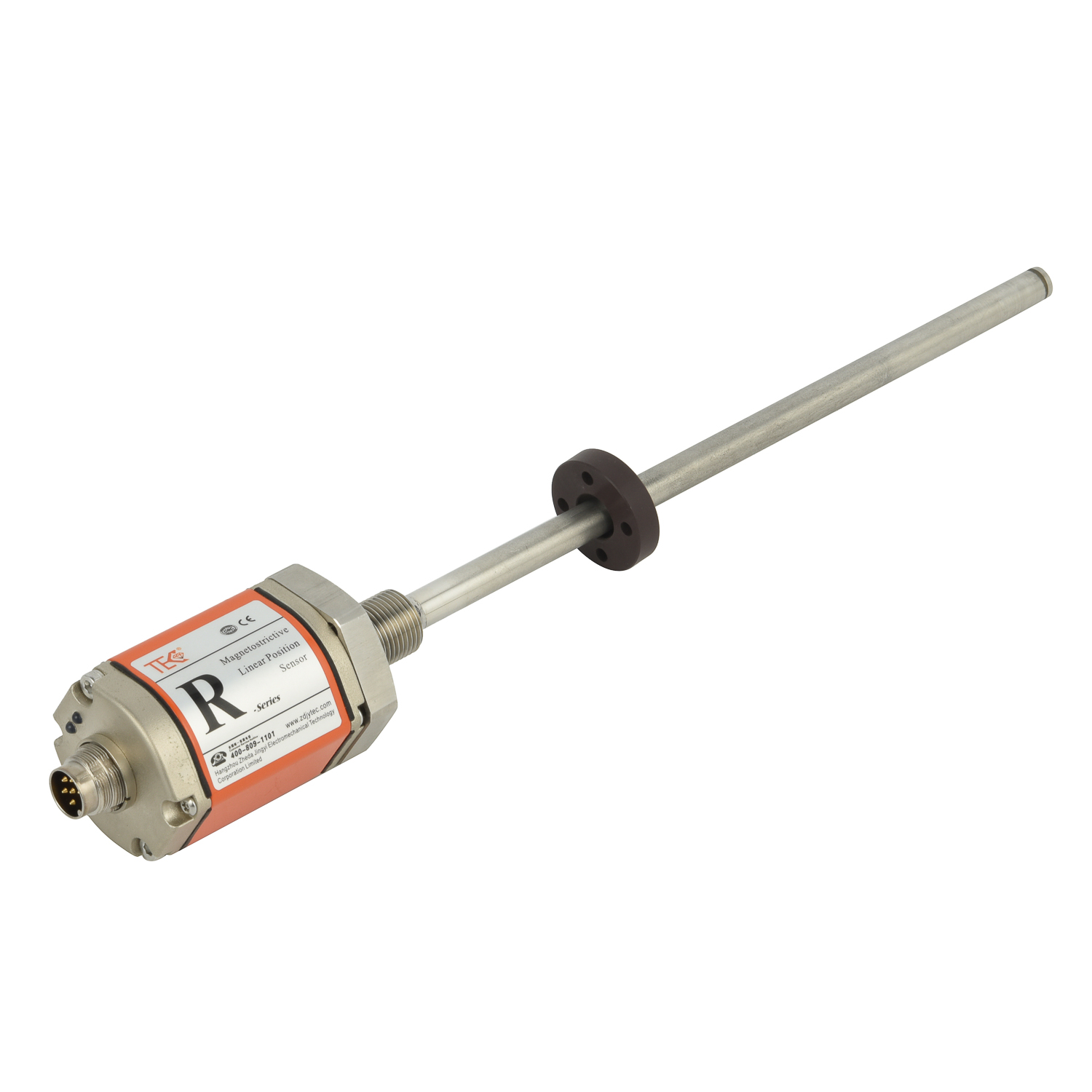 Chemical Industry High-pressur
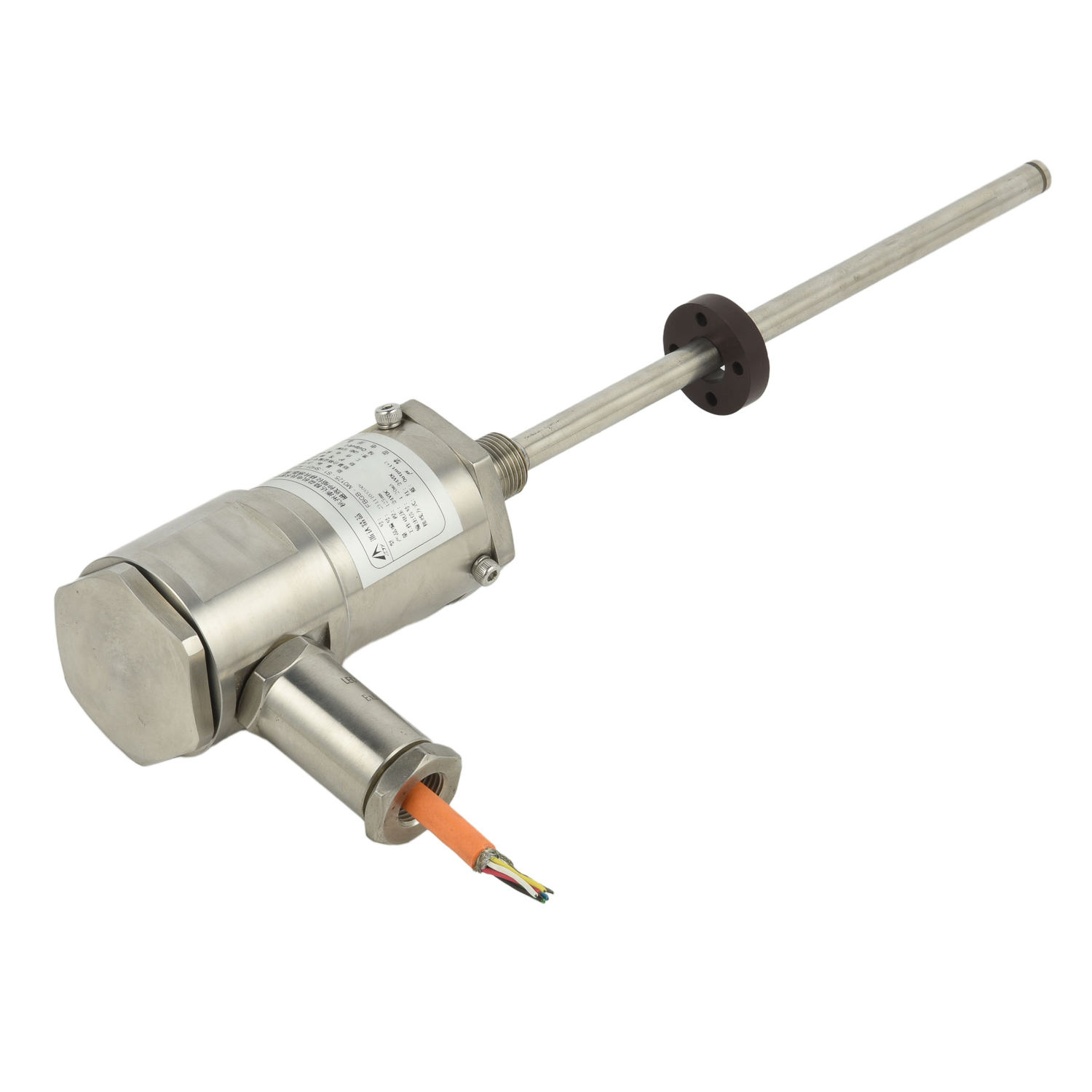 Mining High-temperature Pressu
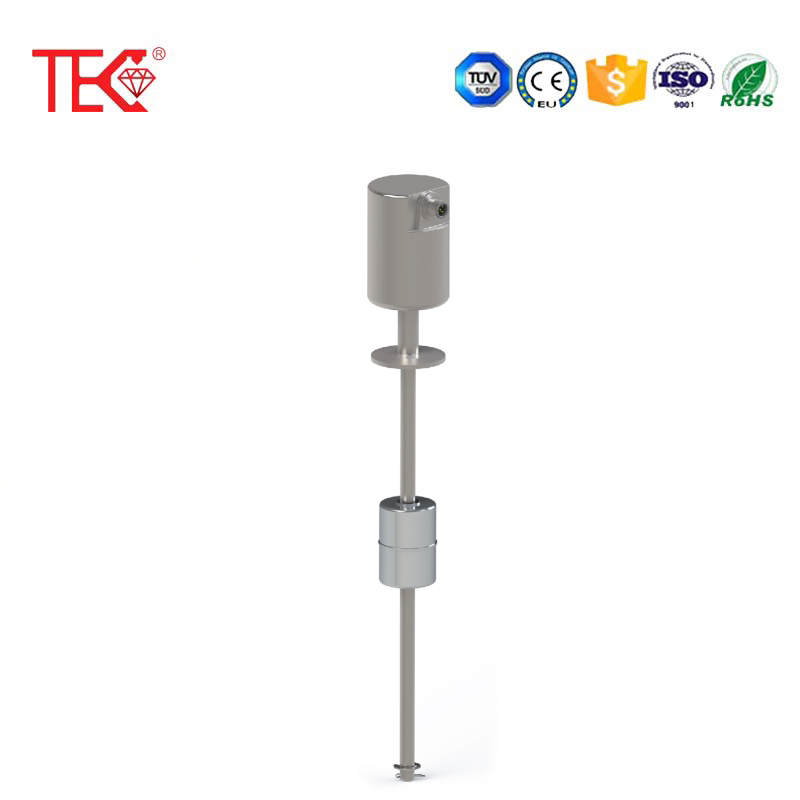 Metallurgy Explosion-proof Pre