
Metallurgy Explosion-proof Pressure Sensor
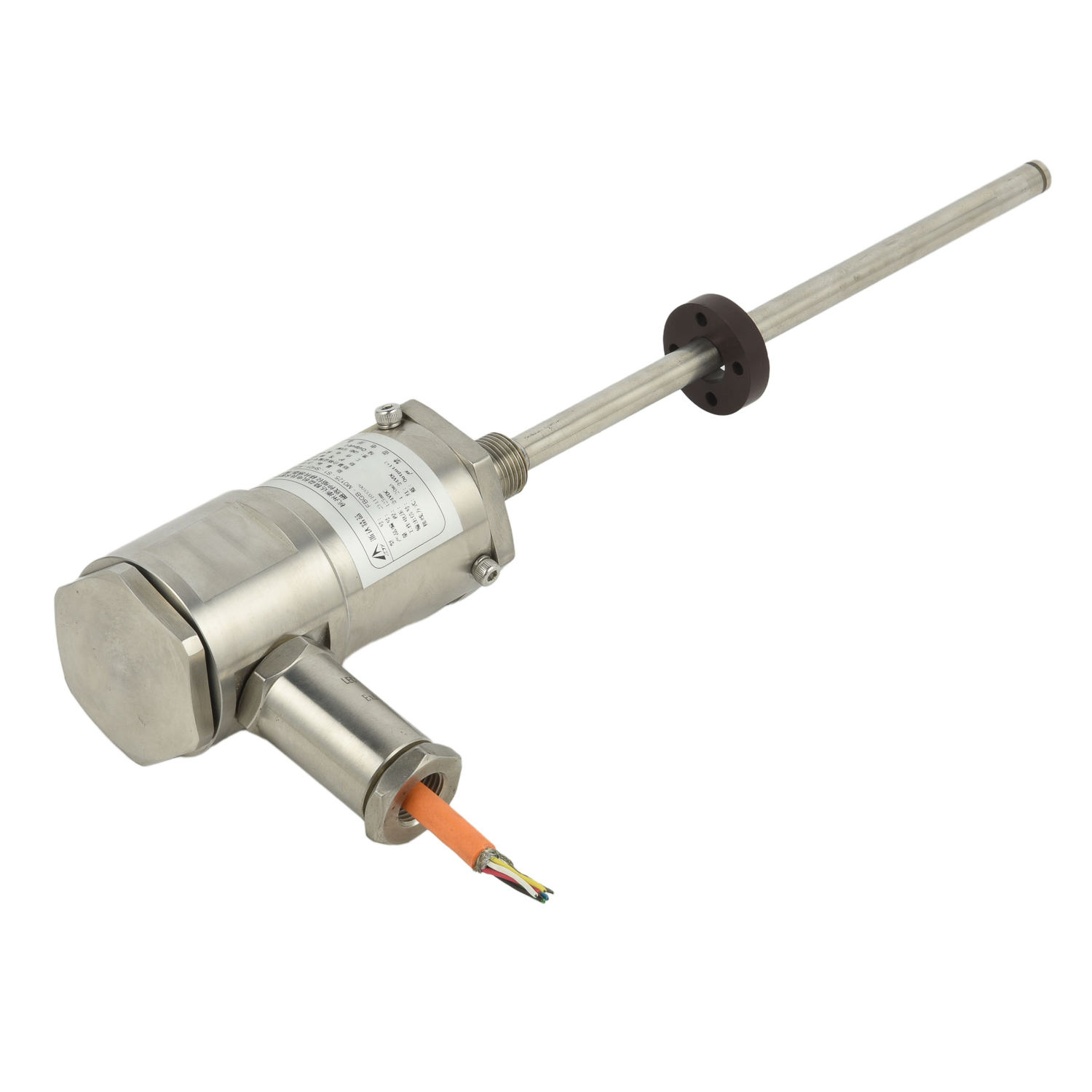
In metallurgy, pressure monitoring must survive heat, dust, vibration, and explosive gas risks. A metallurgy explosion-proof pressure sensor combines rugged sensing elements with flameproof or intrinsically safe housings to deliver reliable data in furnaces, gas systems, and hydraulic stations. Its stainless steel or alloy diaphragm resists corrosion and thermal shock, while high-temperature compensation keeps readings stable during continuous casting, smelting, and rolling. Explosion-proof certification limits ignition risk, and EMI shielding protects signal integrity near heavy motors. For best performance, users should match pressure range, process connection, diaphragm material, output signal, and temperature limits to the application. A robust enclosure, IP-rated cable entry, and proper grounding are also essential. Routine calibration, seal inspection, and cable protection extend service life and support plant safety. In harsh metallurgical plants, the right sensor improves process control, reduces downtime, and protects personnel. It also helps maintenance teams detect pressure anomalies early, avoid equipment damage, and maintain stable production under high temperature, dust, and vibration. When specifying the device, confirm hazardous area classification, process temperature, pressure spikes, and mounting space. A qualified supplier can provide certification documents and application support. Selecting a certified, well-matched explosion-proof pressure sensor is therefore a practical investment in safety and reliability.
 Mining High-temperature Pressu
Metallurgy Explosion-proof Pre
 Field Application of Corrosion
 Model and Specification of Rod