
Model and Specification of Rod-type Pressure Sensor
Rod-type pressure sensors are compact instruments designed for direct pressure measurement in pipelines, tanks, and hydraulic systems. Their slim rod probe allows installation in narrow spaces, while a stainless steel housing protects the sensing element from vibration, moisture, and corrosive media. Common models include RP-100 for general industrial use, RP-200 for high-pressure hydraulic applications, and RP-300 for high-temperature processes. Each model shares a modular structure, but specifications vary by range, accuracy, output, and connection.
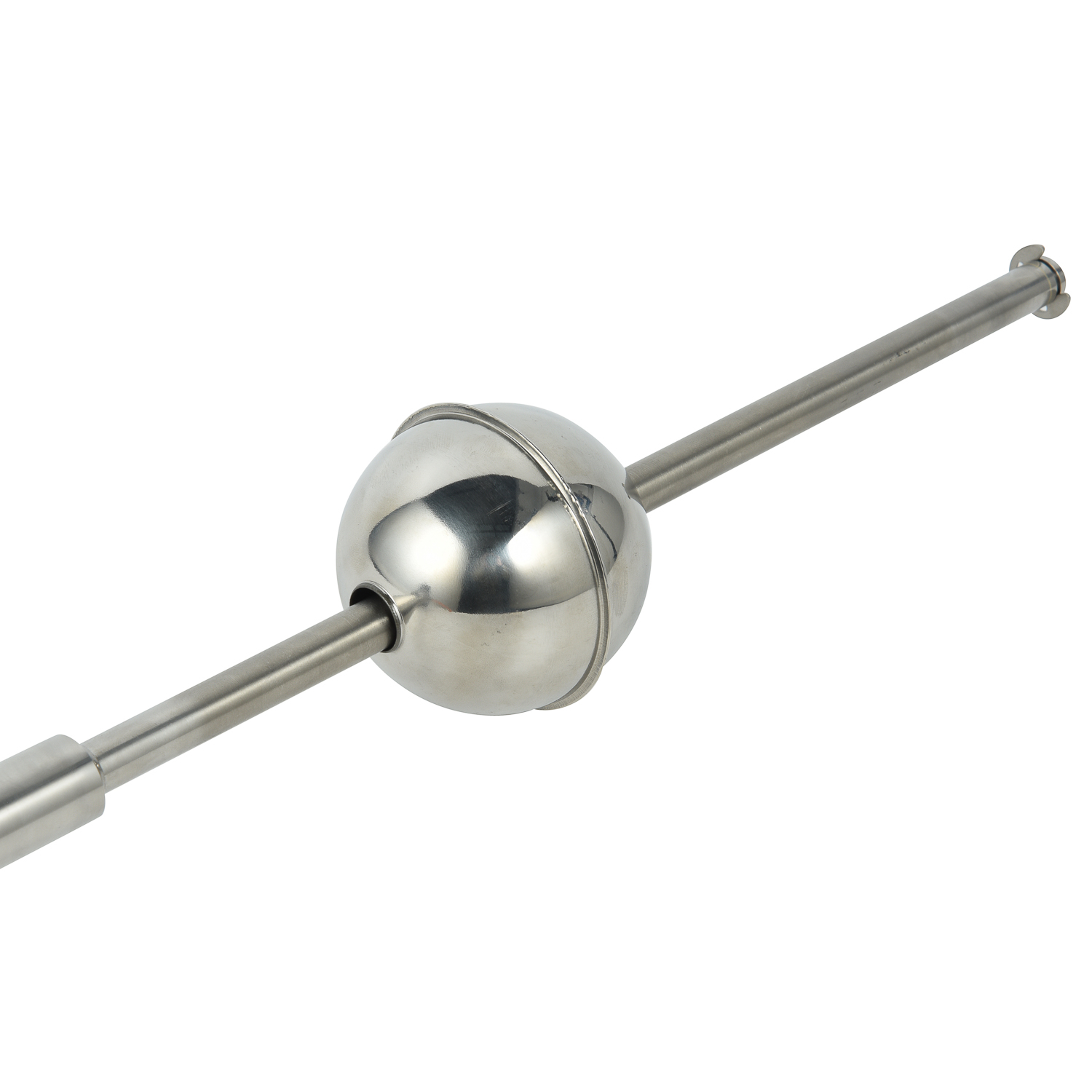
Typical specifications for the RP-100 include a pressure range of 0–10 MPa, 0.5% FS accuracy, 4–20 mA or 0–10 V output, G1/4 thread, and an operating temperature of -20°C to 80°C. The RP-200 extends the range to 0–60 MPa and offers 0.25% FS accuracy for demanding hydraulic control. The RP-300 supports media temperatures up to 150°C and provides a 0–5 V output for process monitoring. Users should select the model according to medium compatibility, pressure peaks, electrical interface, and environmental protection. Proper sealing, zero calibration, and regular inspection help maintain long-term stability. With clear model codes and detailed specifications, rod-type pressure sensors can be matched quickly to industrial measurement tasks.
 Field Application of Corrosion
Model and Specification of Rod
 Import Substitute Flange-mount
 Installation Method of Non-con