
Technical Parameters of High-temperature Pressure Sensor
High-temperature pressure sensors are used in boilers, engines, chemical reactors, and industrial process lines where stable measurement under thermal stress is critical. Their technical parameters determine accuracy, safety, and service life. The operating temperature range is a primary specification; standard models may cover -40 C to 200 C, while specialized designs extend to 350 C or higher with cooling structures. Pressure range should match the application, with overload capacity and burst pressure clearly stated. Accuracy is usually expressed as a percentage of full scale, such as +/-0.25% FS or +/-0.5% FS, and must include thermal error over the rated span.
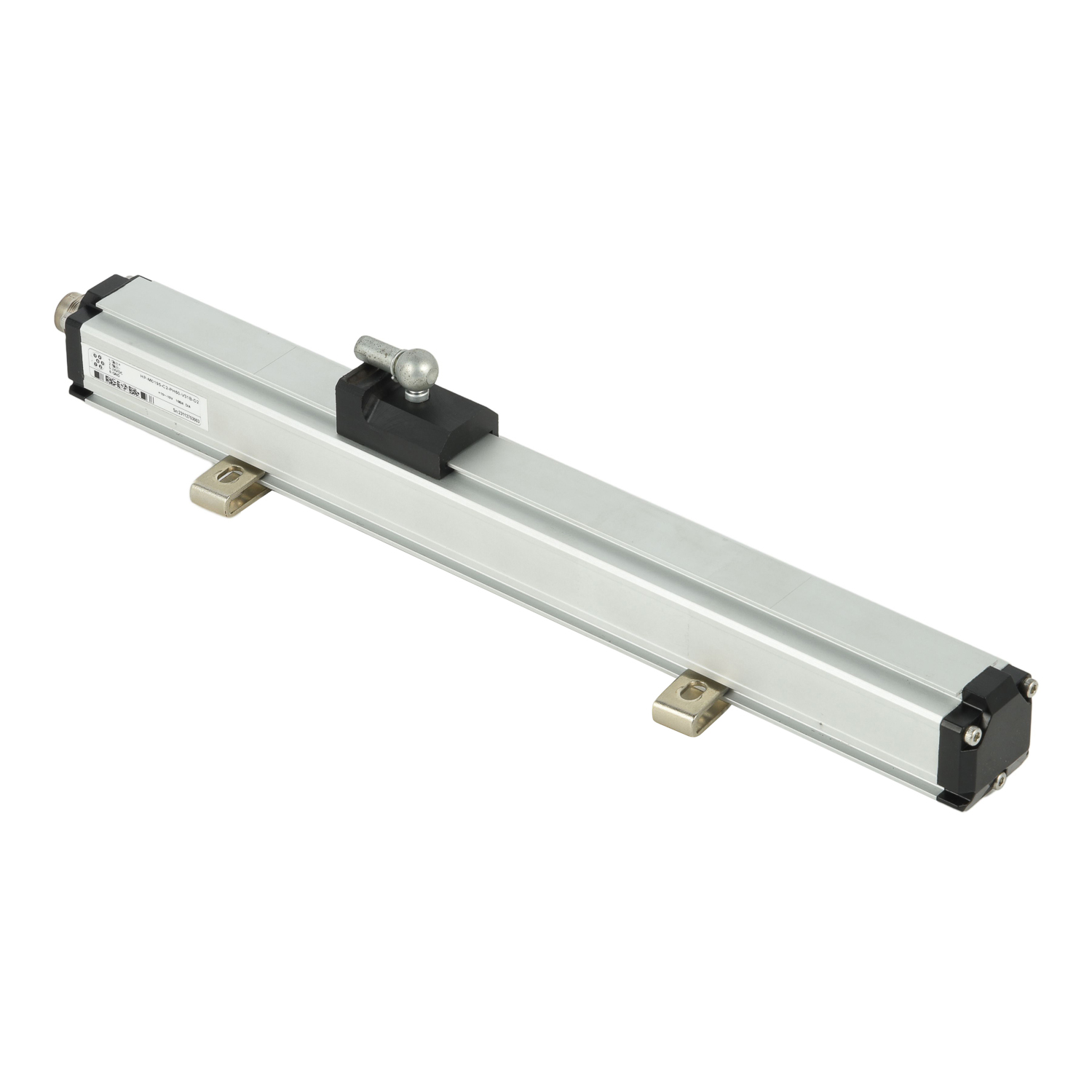
Output signals, including 4-20 mA, 0-5 V, 0-10 V, RS485, or HART, must suit the control system. Response time, long-term stability, and repeatability affect dynamic control and calibration intervals. Wetted materials and process connections must resist corrosion, pressure cycling, and temperature gradients. Isolation, insulation resistance, vibration resistance, and ingress protection ratings are essential for harsh environments. Thermal compensation, zero drift, and sensitivity drift should be specified. For high-temperature versions, diaphragm materials, oil filling, cooling adapters, and capillary options influence performance.
Verify electromagnetic compatibility, port threads, connectors, and certifications. Complete technical parameters ensure reliable measurement and safe high-temperature operation.
 Working Principle of High-pres
Technical Parameters of High-t
 Waterproof Pressure Sensor Pri
 Intrinsically Safe Explosion-p