
Pressure Sensor for Silos
Pressure sensors for silos provide reliable, continuous measurement of bulk solids and powders in storage vessels. By converting internal pressure changes into a stable signal, they help operators monitor material levels, prevent overflow and avoid empty-run production. Unlike point-level switches, a pressure sensor for silos offers trend data that supports inventory management and process control. Installation is typically bottom-mounted or side-mounted, depending on vessel design and material characteristics. The sensor measures hydrostatic pressure created by the product column, so accuracy depends on consistent bulk density. For materials with variable density, calibration and temperature compensation improve performance. Rugged designs resist dust, vibration and pressure surges, making them suitable for cement, grain, flour, plastic pellets and other bulk solids. A 4-20 mA or digital output connects easily to PLCs, SCADA and cloud dashboards. Routine zero checks, diaphragm cleaning and cable inspection extend service life. When selected correctly, a pressure sensor for silos reduces manual inspection, improves safety and delivers dependable silo level monitoring for inventory management. Stainless or ceramic diaphragms suit abrasive materials, while flush-mount options reduce buildup. Before installation, confirm pressure range, temperature, seal compatibility and output. A well-chosen pressure sensor for silos supports safer operations, better stock accuracy and less manual work.
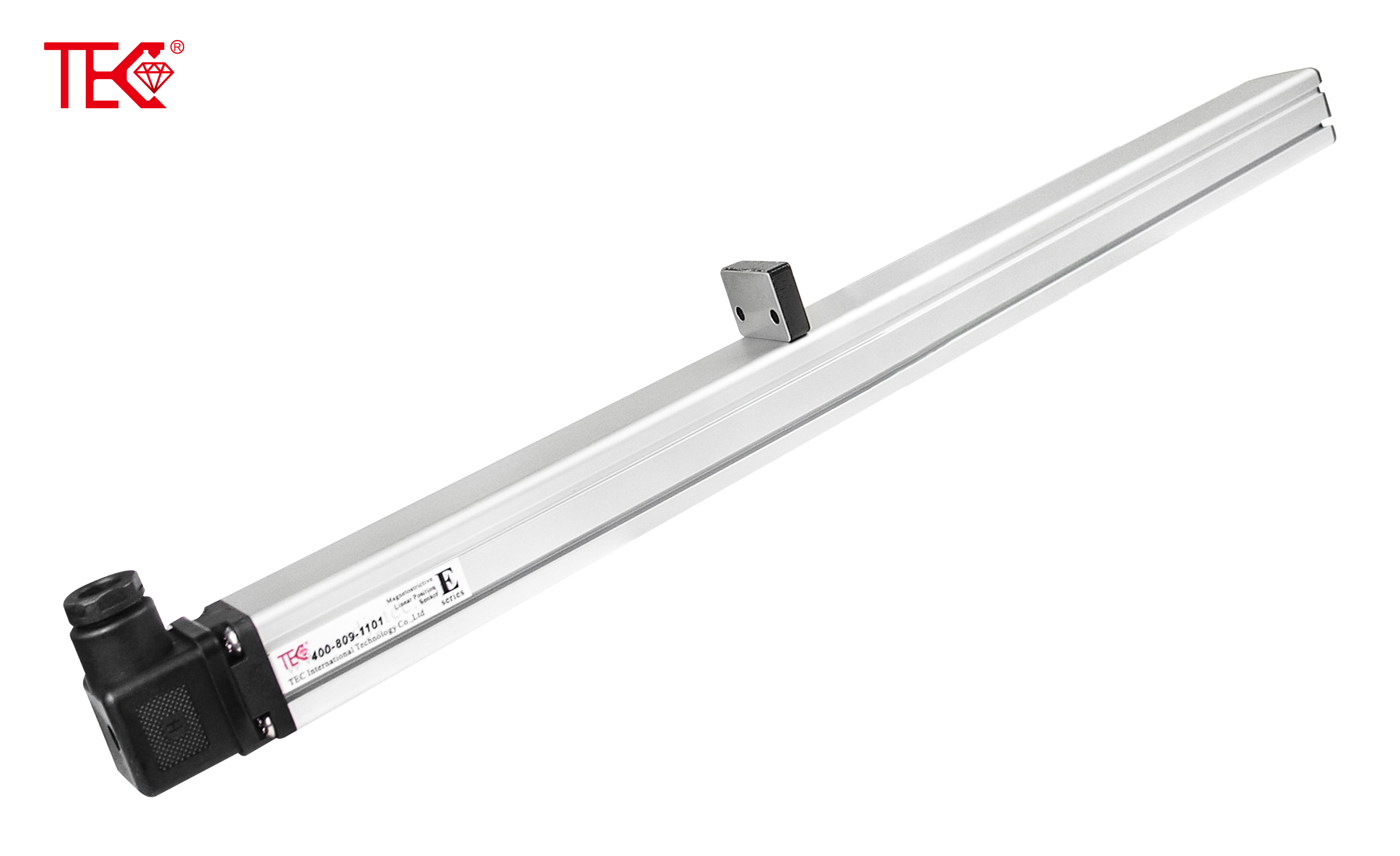
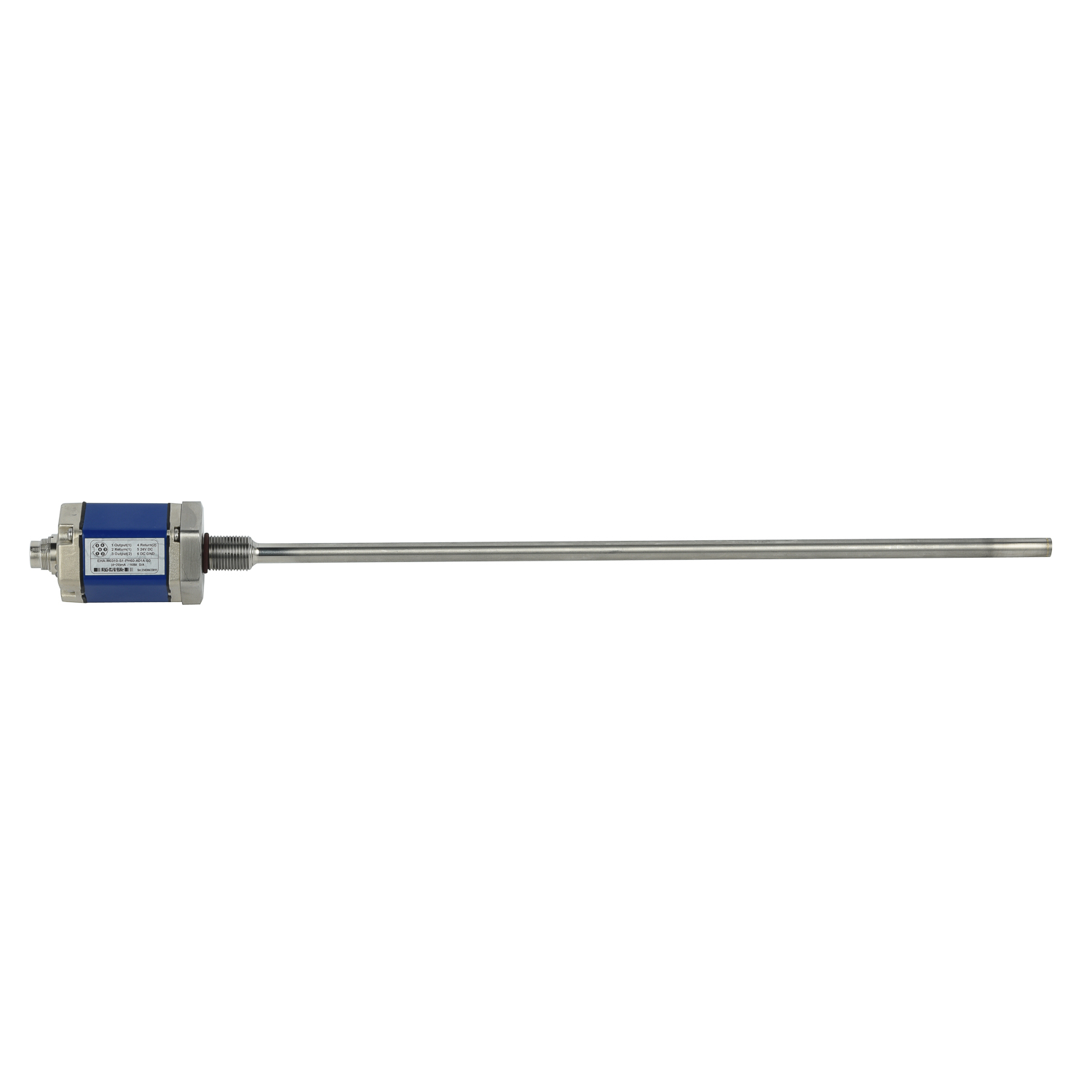 Pressure Sensor for Gates
Pressure Sensor for Silos
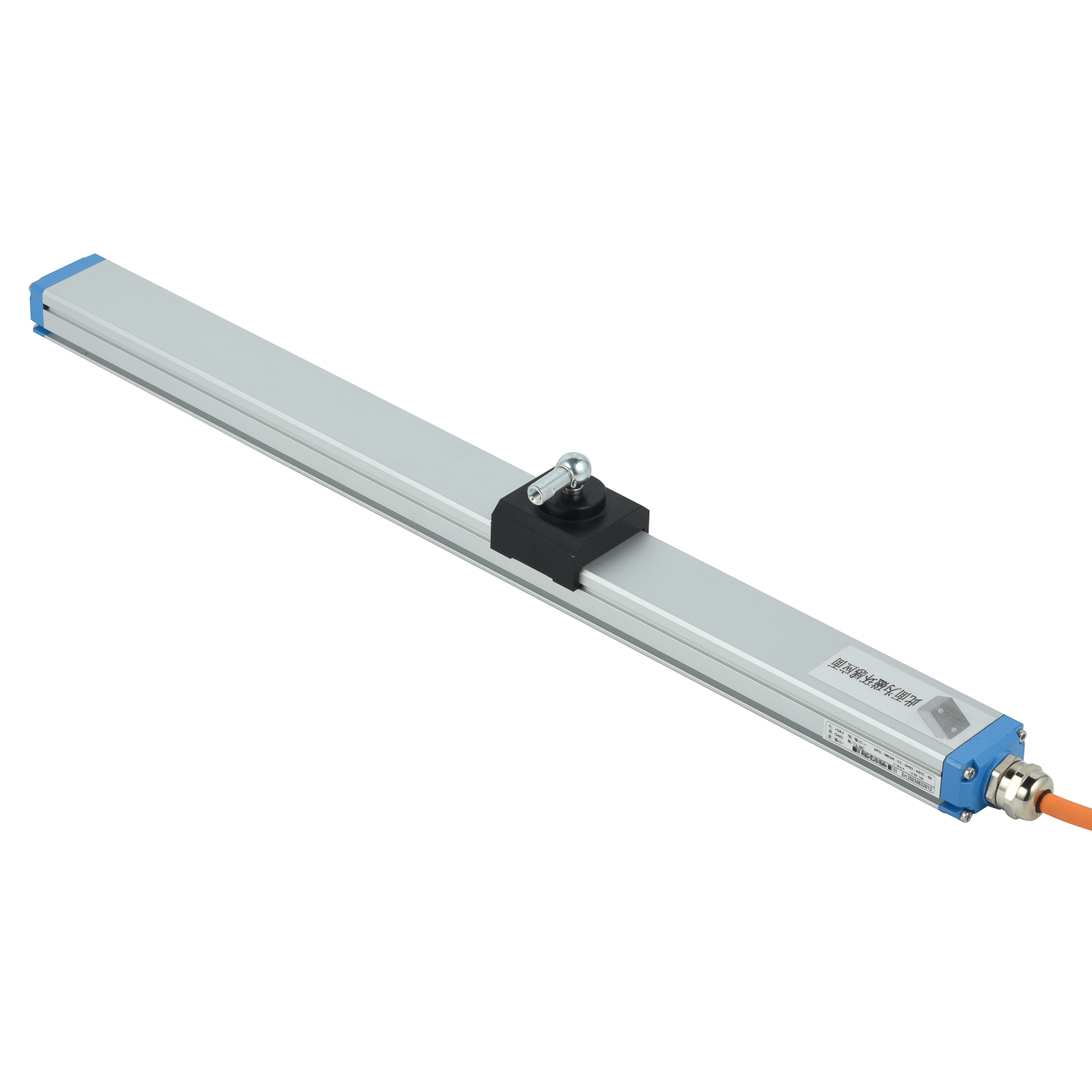 Pressure Sensor for Reaction K
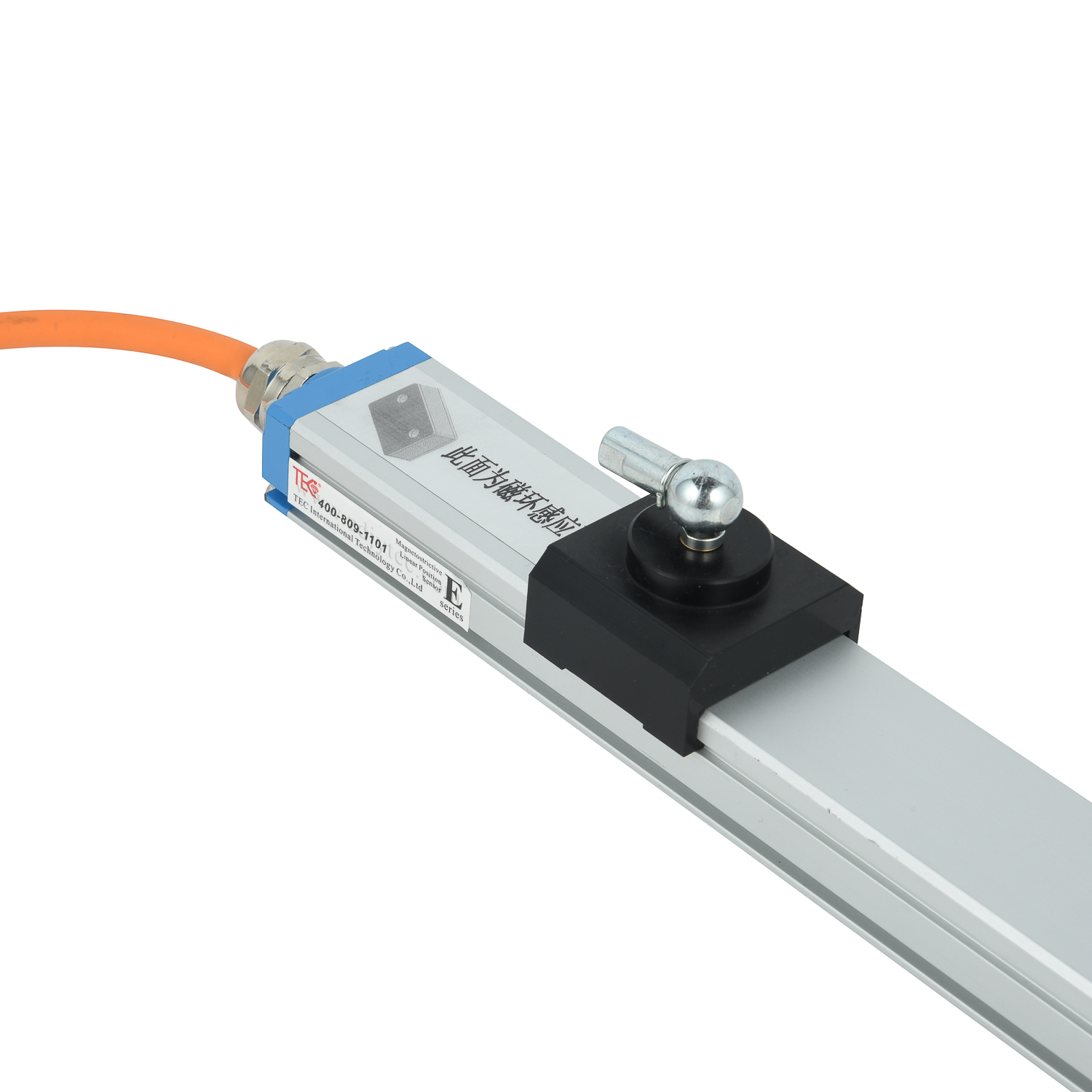 Pressure Sensor for Storage Ta