
Pressure Sensor for Reaction Kettles
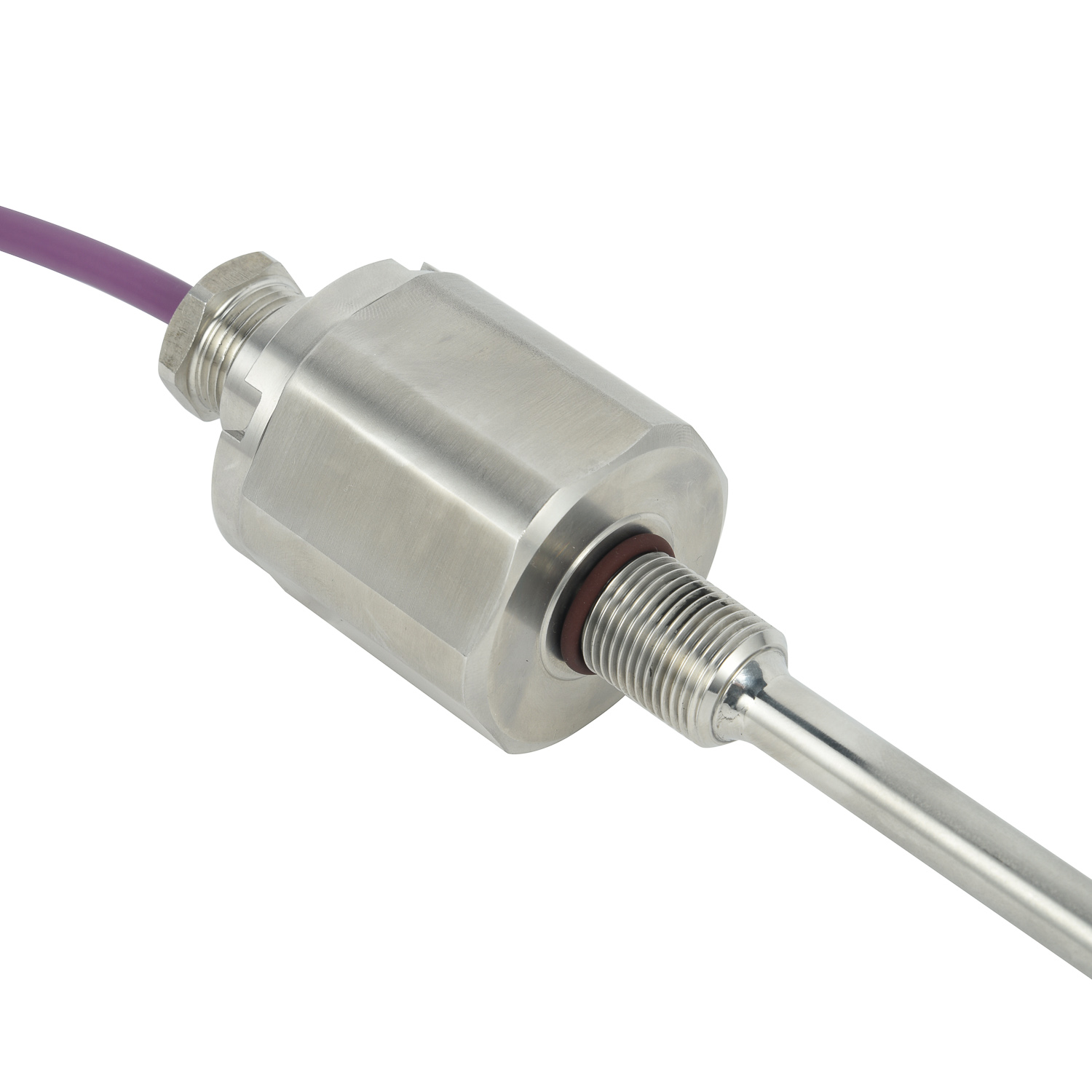
Pressure sensors for reaction kettles are critical components in chemical, pharmaceutical, and food processing systems. They monitor internal pressure in real time, helping operators maintain safe reactions, improve product consistency, and protect vessels from overpressure. A suitable sensor must handle high temperatures, aggressive media, vibration, and frequent cleaning cycles. Modern reaction kettle pressure sensors often use stainless steel diaphragms, corrosion-resistant wetted parts, and stable pressure transmitters. Sanitary connections and hygienic sealing are important for pharmaceutical and food-grade reactors. High-temperature isolation and cooling structures help the sensor remain accurate when the kettle operates at elevated temperatures. Digital output options such as 4-20 mA, HART, RS485, or IO-Link support integration with PLC and DCS systems. When selecting a pressure sensor, consider pressure range, accuracy, temperature compensation, diaphragm material, process connection, and ingress protection. Regular calibration and proper installation reduce drift and extend service life. With reliable pressure measurement, reaction kettles can achieve safer operation, better batch repeatability, and lower maintenance costs. For hazardous areas, explosion-proof and intrinsic safety versions are available. Manufacturers should provide traceable calibration certificates and material reports. Correct mounting, isolation valves, and impulse lines further improve measurement stability and simplify maintenance.
 Pressure Sensor for Silos
Pressure Sensor for Reaction K
 Pressure Sensor for Storage Ta
 Pressure Sensor for Material T