
Pressure Sensor for Hydraulic Cylinders
Pressure sensors for hydraulic cylinders are vital in modern industrial hydraulics. They measure internal pressure, convert it into an electrical signal, and send real-time feedback to the control system. This supports accurate force, speed, position, and load control while protecting cylinders from overload and pressure spikes. Fast response and high repeatability are important when cycle times are short. Because pressure in a hydraulic cylinder is directly related to force, a sensor at the cap end or rod end helps estimate clamping force, lifting capacity, or load conditions without extra force sensors. This is useful in presses, injection molding machines, construction equipment, and automated production lines. Reliable pressure feedback also improves motion control, energy efficiency, and operational safety. Common types include piezoresistive, strain gauge, and ceramic capacitive sensors. Choose based on pressure range, media compatibility, response speed, accuracy, temperature stability, vibration resistance, and output signal. For high-pressure circuits, verify burst pressure and overpressure ratings, and confirm compatibility with hydraulic oil. Mobile hydraulics often need rugged IP-rated sensors with strong EMC performance. Industrial systems commonly use 4–20 mA or 0–10 V outputs, while IO-Link and CAN bus options enable digital diagnostics. Installation also affects performance. Avoid trapped air, excessive turbulence, and mechanical stress. Use correct seals, adapters, and damping for pressure pulsation. Shield cables and ground the sensor correctly to reduce electrical noise in demanding environments. Regular calibration and fluid cleanliness extend sensor life and keep readings reliable. The right pressure sensor for hydraulic cylinders improves safety, reduces downtime, and provides useful data for predictive maintenance and intelligent control.
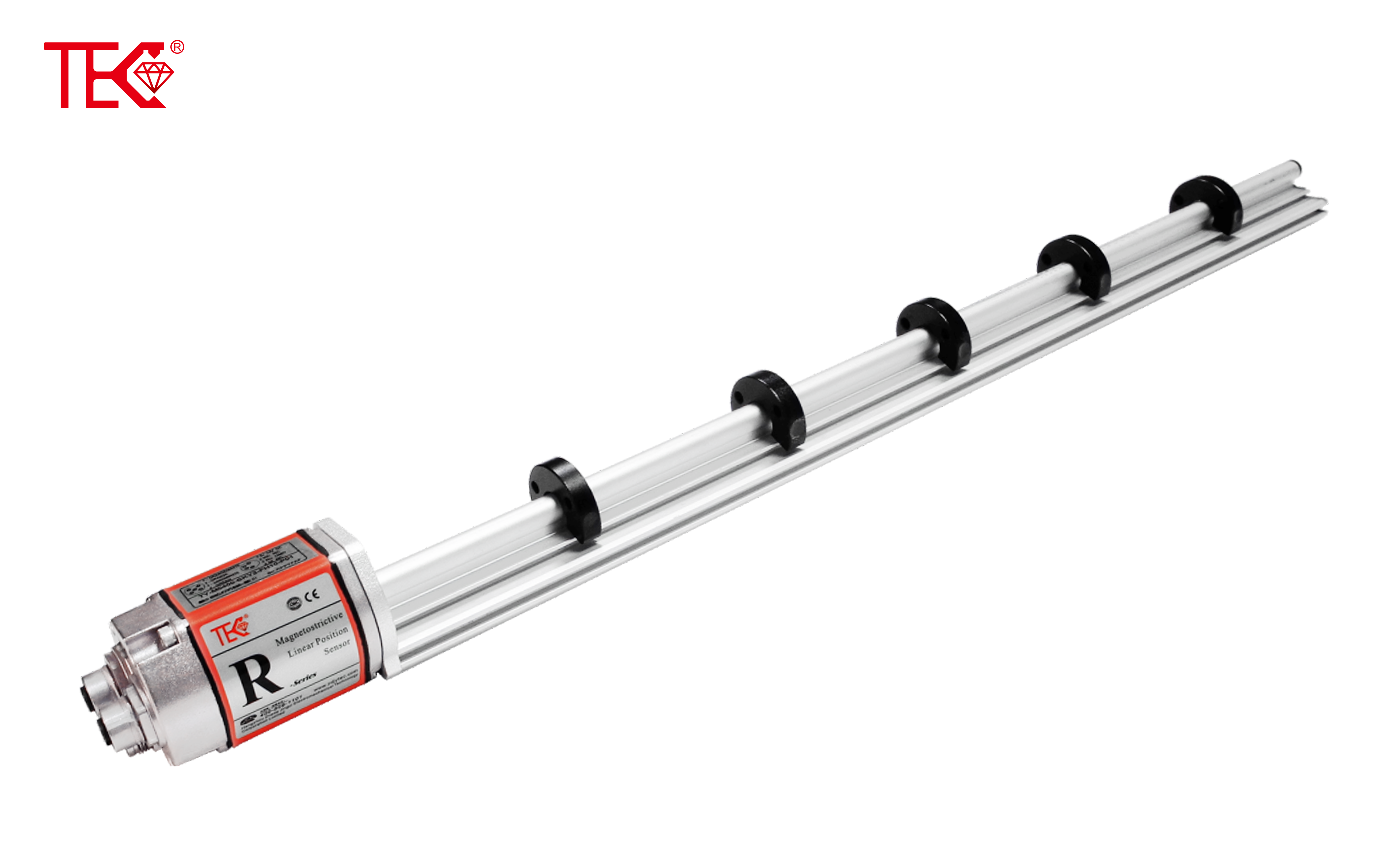
 Pressure Sensor for Bucket Whe
Pressure Sensor for Hydraulic
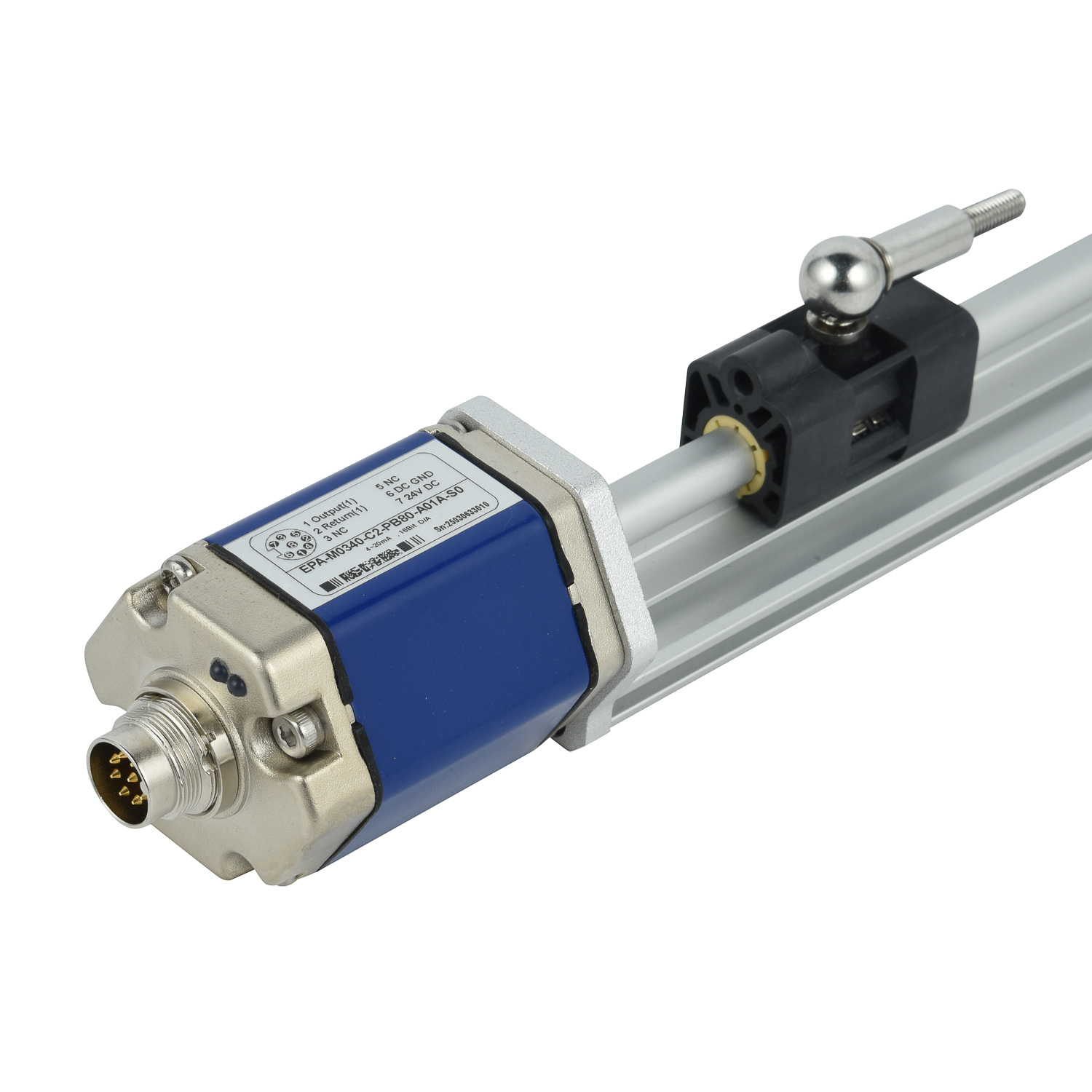 Pressure Sensor for Grain and
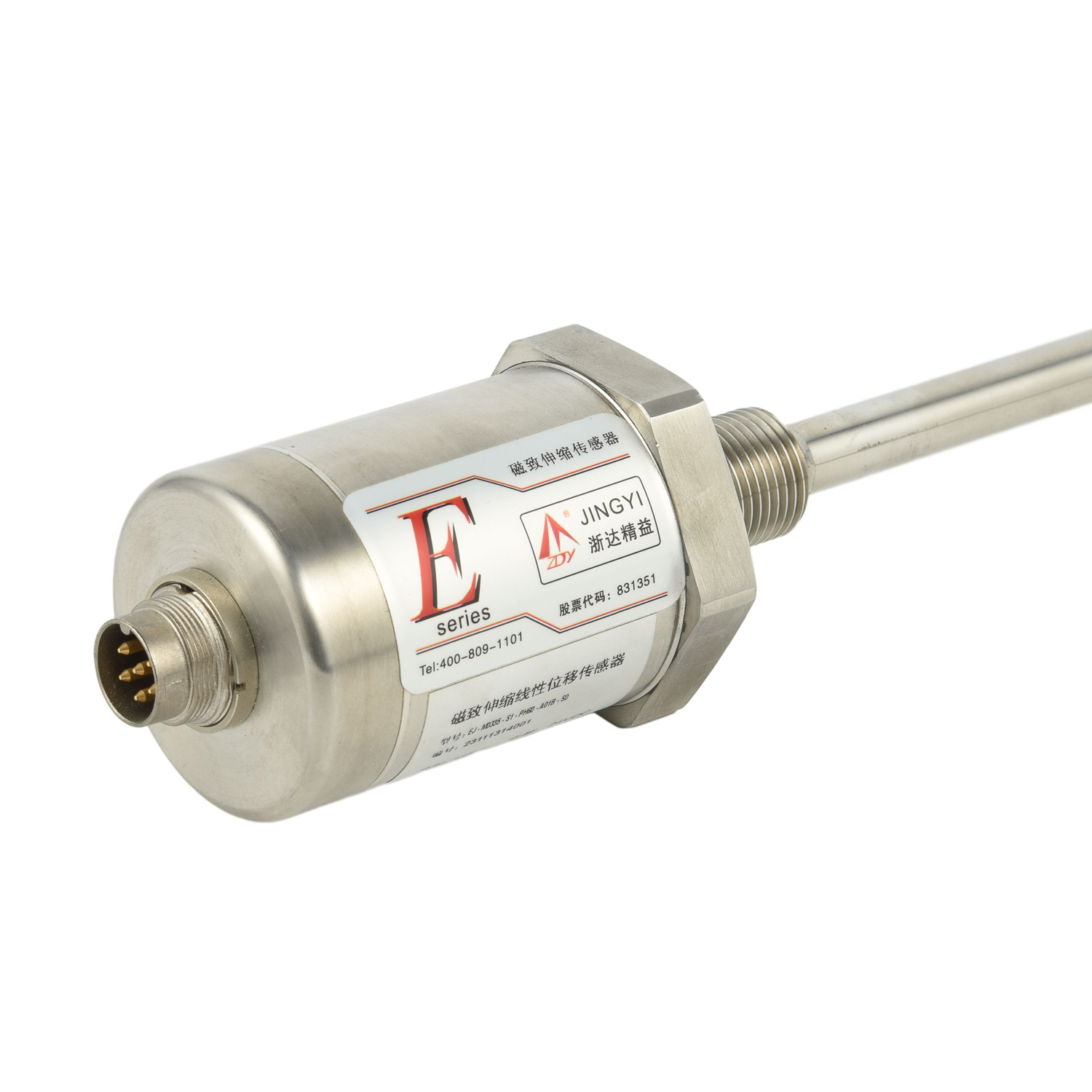 Pressure Sensor for Mixing Sta