
Pressure Sensor for Mixing Station
Pressure sensors are essential components in modern mixing stations. They continuously monitor hydraulic, pneumatic, water, and additive line pressures, giving the control system accurate data for every batch. In concrete batching plants, stable pressure supports reliable valve operation, smooth pumping, and consistent material flow. A sudden pressure drop may indicate leakage, air ingress, or pump wear, while unusually high pressure can point to blockage, clogging, or overload. By sending real-time signals to the PLC, the sensor enables quick alarms, automatic correction, and safer operation. When selecting a pressure sensor for a mixing station, check the measuring range, accuracy, response speed, output signal, and media compatibility. The device should handle vibration, dust, moisture, and frequent pressure spikes without drift. A 4-20 mA or digital output can connect easily to the PLC, while a sealed housing protects internal electronics from fine cement powder and washdown. Stainless steel bodies and IP65 or higher protection are recommended for harsh sites. Proper installation, damping, and regular calibration help extend service life and maintain precision. The sensor should also resist temperature changes common in daily batching work. A stable output signal improves dosing accuracy and prevents material waste. With the right pressure sensor, mixing stations reduce downtime, lower maintenance costs, and produce more stable mixtures for safe, reliable long-term operation.
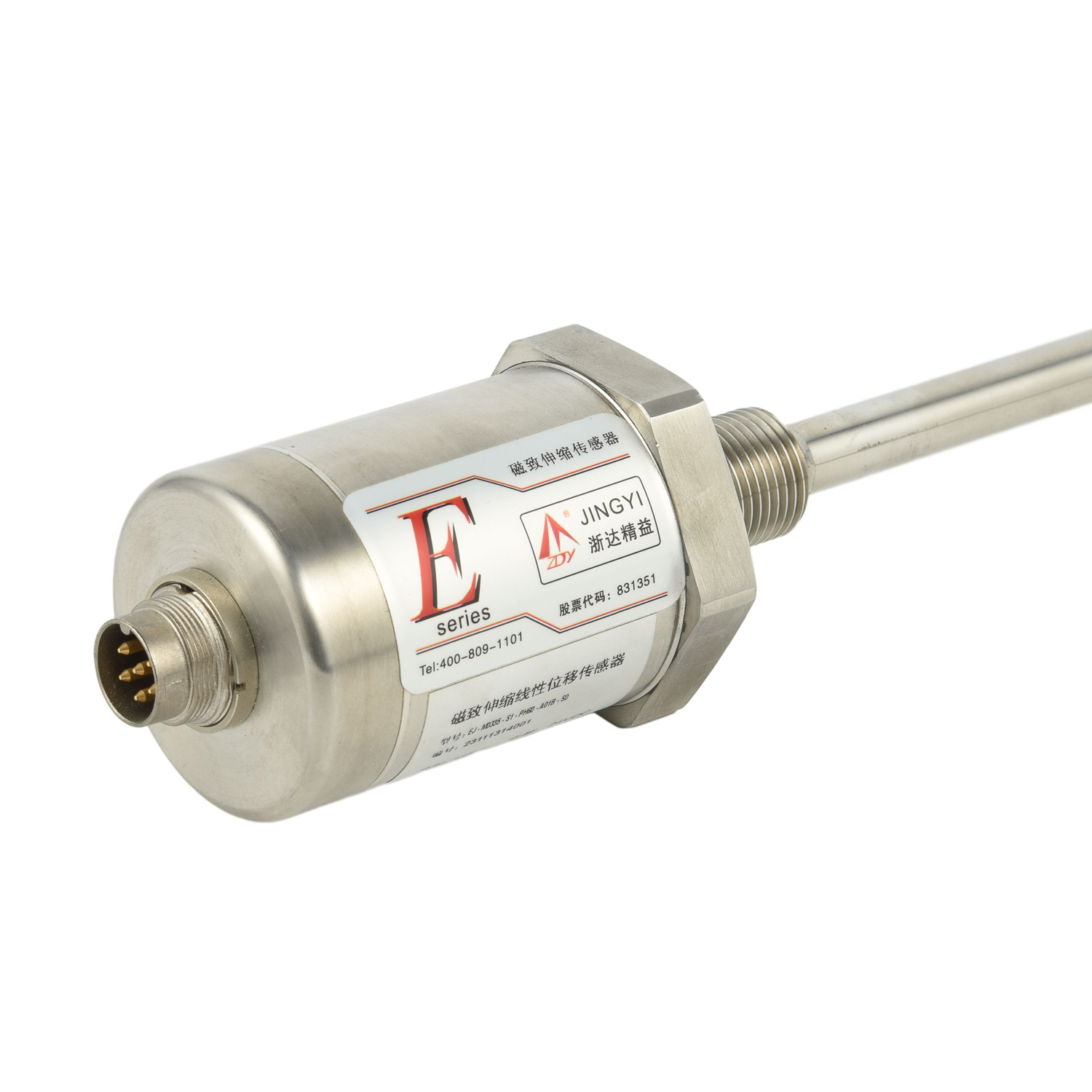
 Pressure Sensor for Grain and
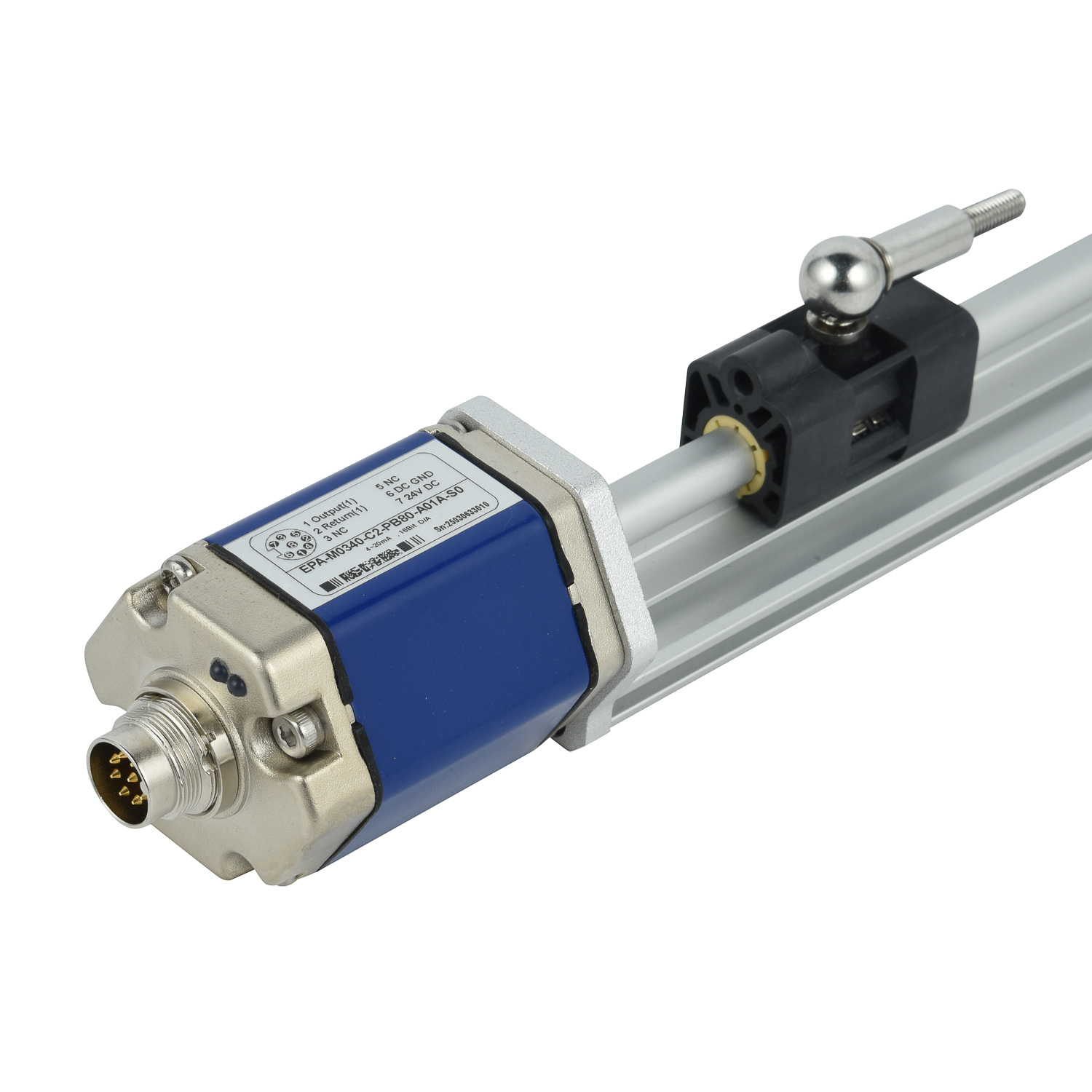
Pressure Sensor for Mixing Sta
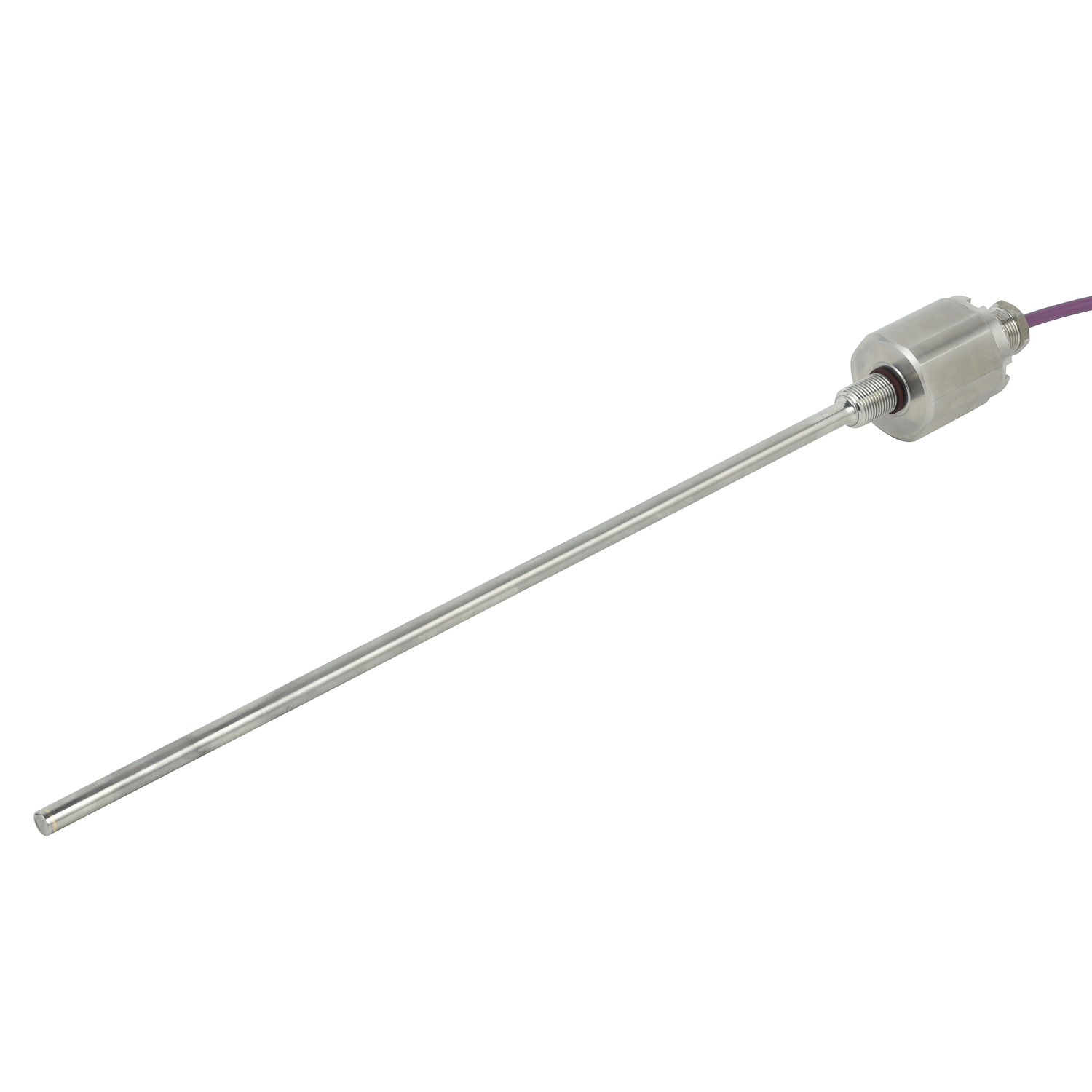 Pressure Sensor for Shield Tun
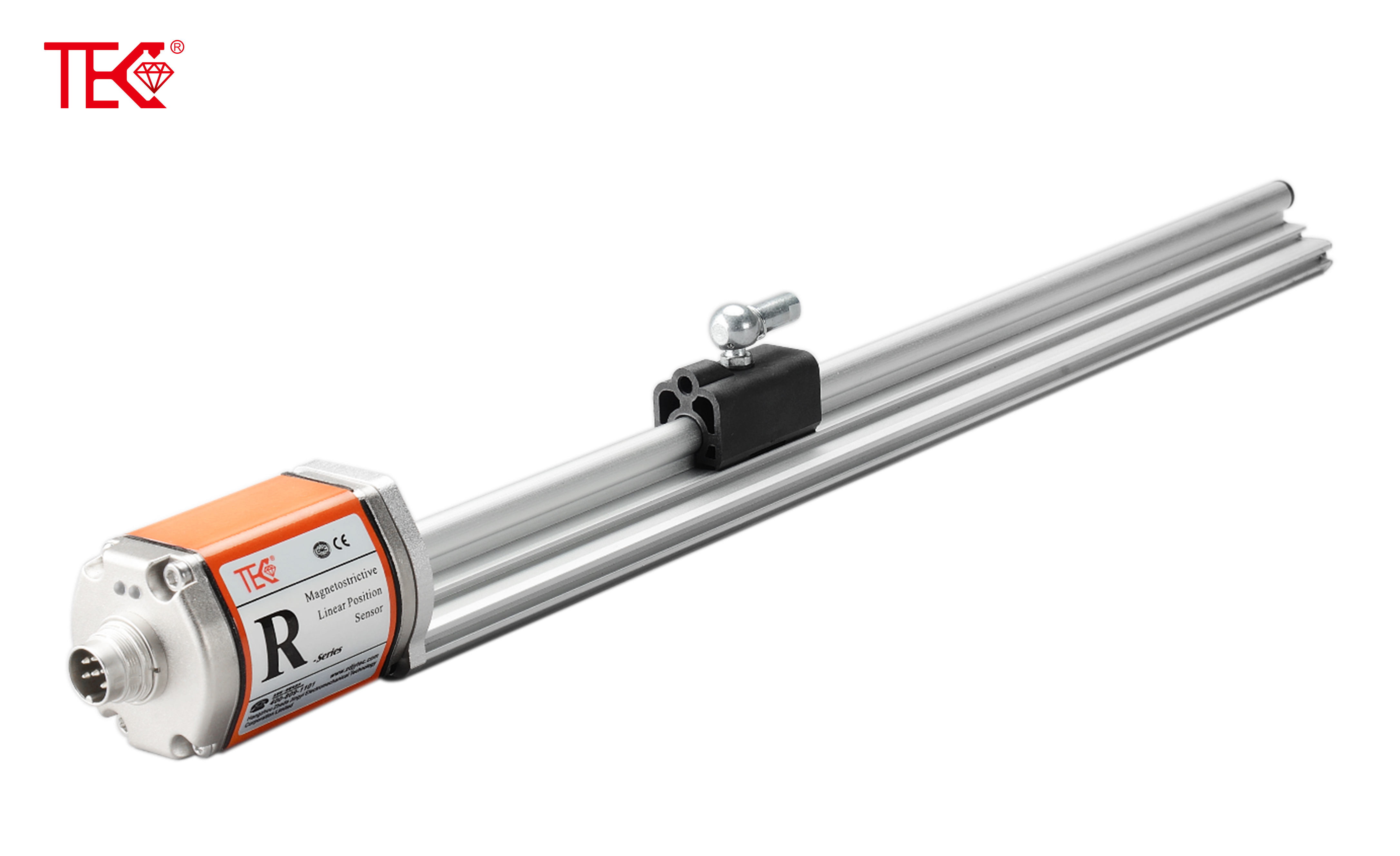 Pressure Sensor for Injection