
Electromagnetic Flowmeter for Construction Machinery
Construction machinery operates under constant vibration, dust, mud, and temperature swings. In such conditions, reliable fluid monitoring is essential for productivity and maintenance. An electromagnetic flowmeter is a strong choice because it has no moving parts and measures conductive liquids with high accuracy. It can monitor slurry, coolant, hydraulic fluids, concrete additives, and wash water without obstructing flow or suffering from mechanical wear. Unlike mechanical meters, it avoids clogging and reduces service interruptions in abrasive jobsite conditions.
For excavators, concrete pumps, drilling rigs, and mixing plants, a robust electromagnetic flowmeter supports real-time process control. Wear-resistant liners and abrasion-safe electrodes handle abrasive media, while sealed housings resist water, dirt, and shock. Stable signal output helps operators detect blockages, verify dosing, and reduce downtime. Easy installation and low maintenance make the meter suitable for tight machinery spaces and remote jobsites. Accurate flow data also supports fuel efficiency, quality control, and predictive maintenance.
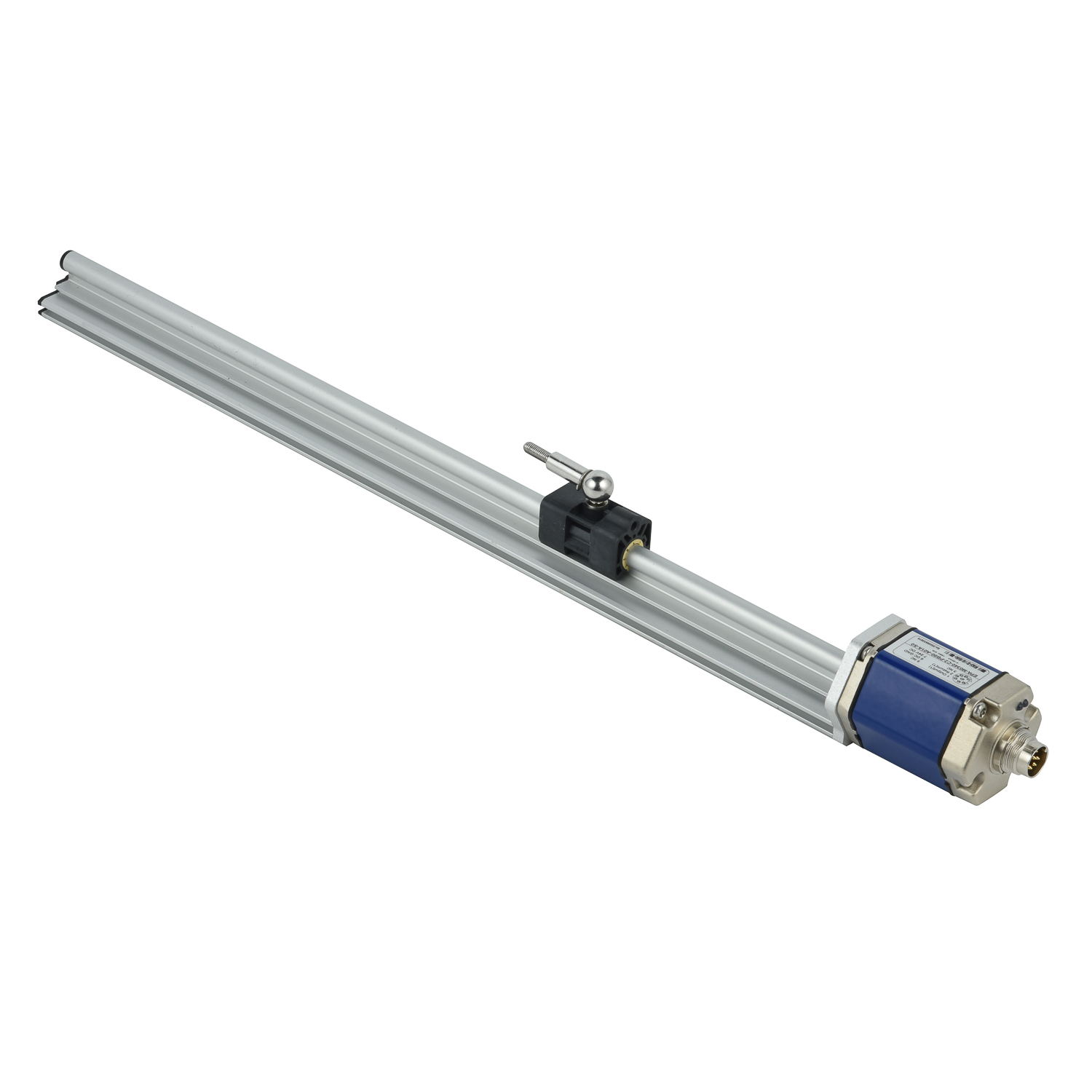
Selecting the right flowmeter requires attention to pipe size, flow range, conductivity, pressure, and lining material. Proper grounding, calibration, and routine inspection are important for long-term accuracy. With the right configuration, an electromagnetic flowmeter improves efficiency, extends service life, and delivers dependable data for construction machinery in demanding environments.
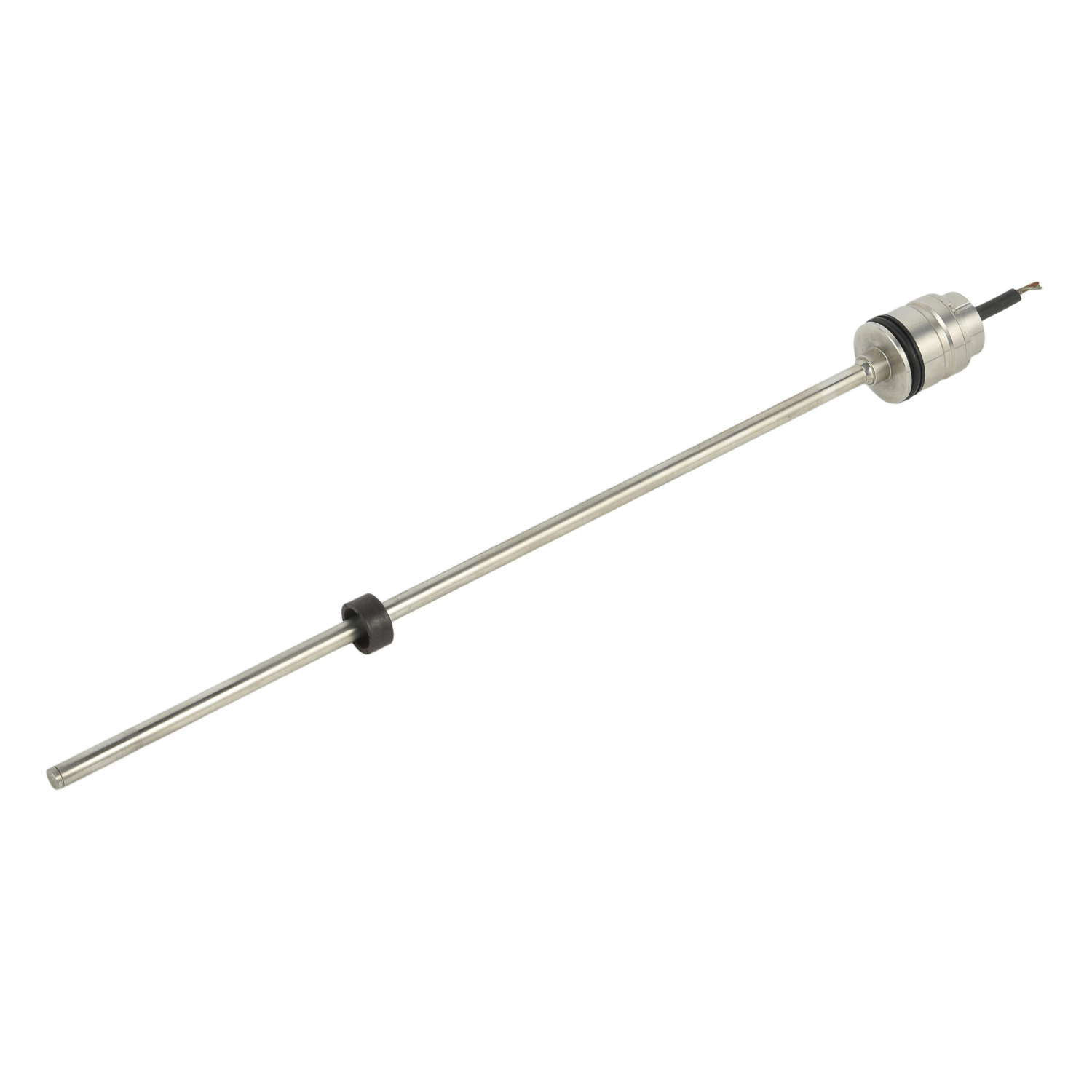 Turbine Flowmeter for Storage
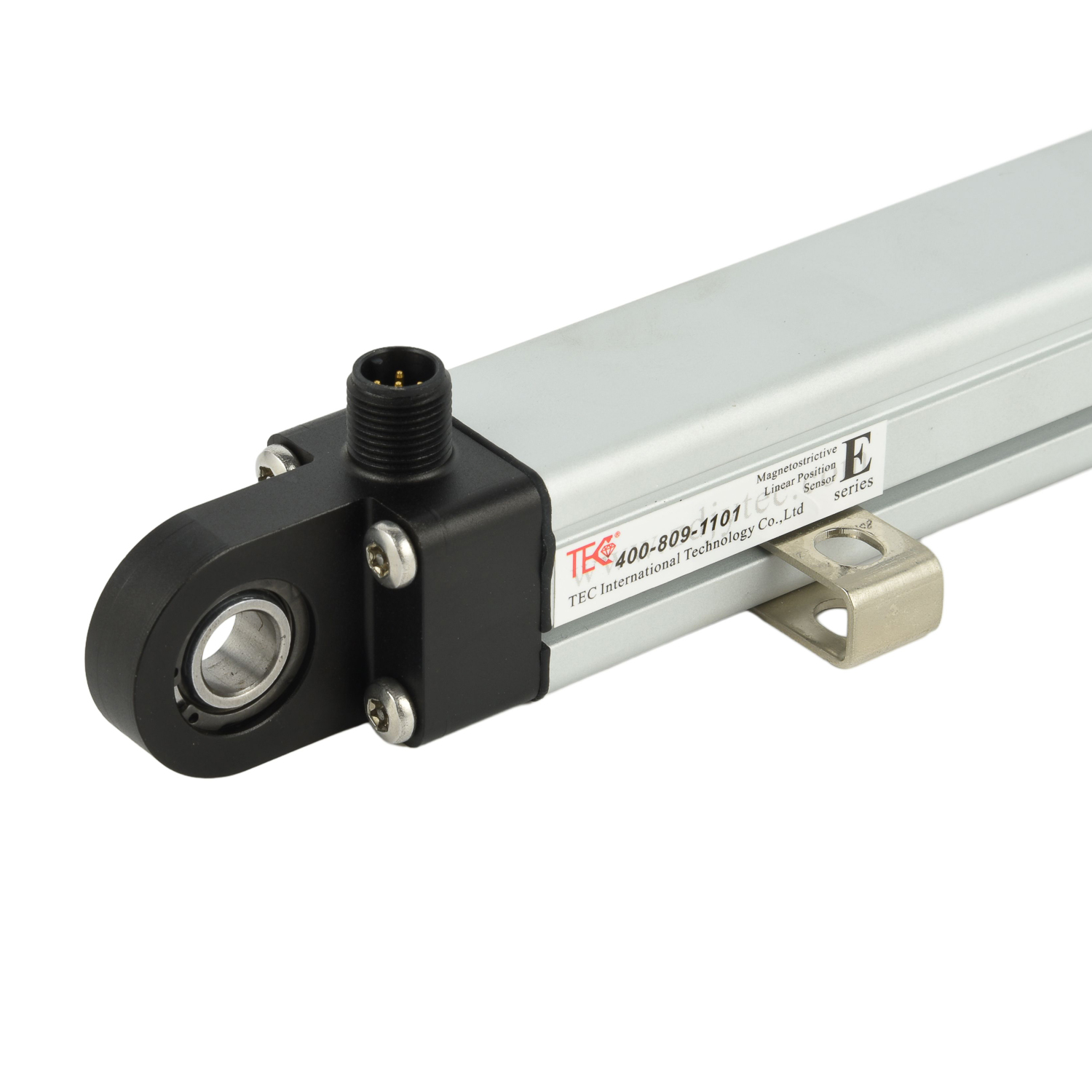 Turbine Flowmeter for Material
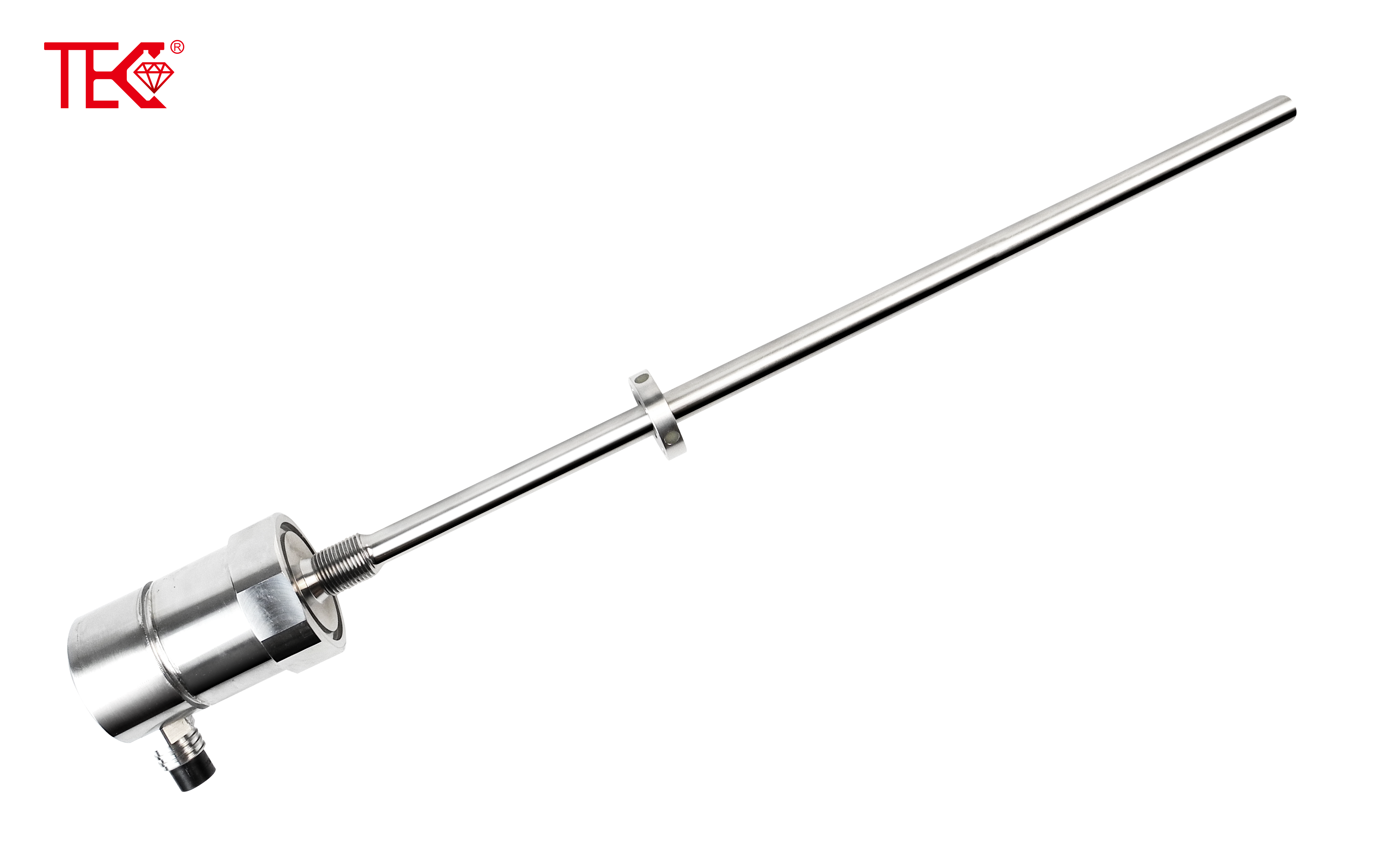 Turbine Flowmeter for Grain an
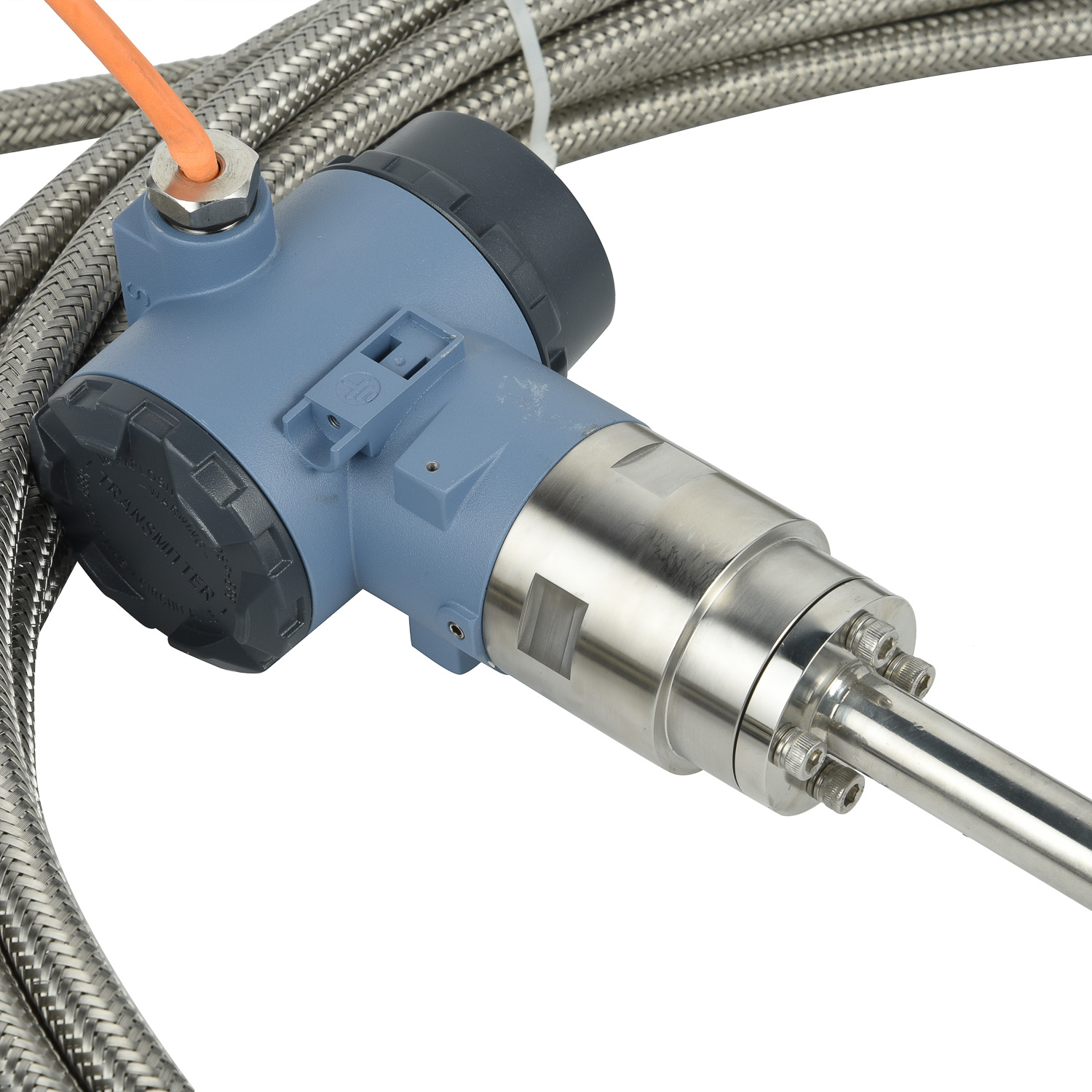 Turbine Flowmeter for Mixing S