
Electromagnetic Flowmeter for Port
Electromagnetic flowmeters are valuable instruments for port operations because they provide reliable flow measurement for seawater, ballast water, fuel, and cargo transfer systems. Unlike mechanical meters, they have no moving parts and create minimal pressure loss. Their non-obstructive design reduces maintenance and supports continuous monitoring in busy terminals. In port environments, accurate flow data helps operators control loading and unloading, detect leaks, and improve energy efficiency. A well-selected electromagnetic flowmeter should match pipe size, liner material, electrode type, and IP protection. For seawater and brackish water, corrosion-resistant electrodes and robust liners are essential. Grounding and proper installation also matter because stray currents and vibration can affect signal stability. Digital outputs and communication protocols allow integration with terminal automation and SCADA systems. Regular calibration and inspection keep measurement accurate despite humidity, salt spray, and temperature changes. With the right configuration, an electromagnetic flowmeter improves safety, accountability, and environmental compliance in port flow measurement. Ports often face variable flow rates and harsh conditions, so stable signal output and easy maintenance are important. Choose a meter with the correct diameter, durable lining, and reliable electronics for long-term service in terminal pipelines. Proper grounding protects signal accuracy and safety in daily operation.
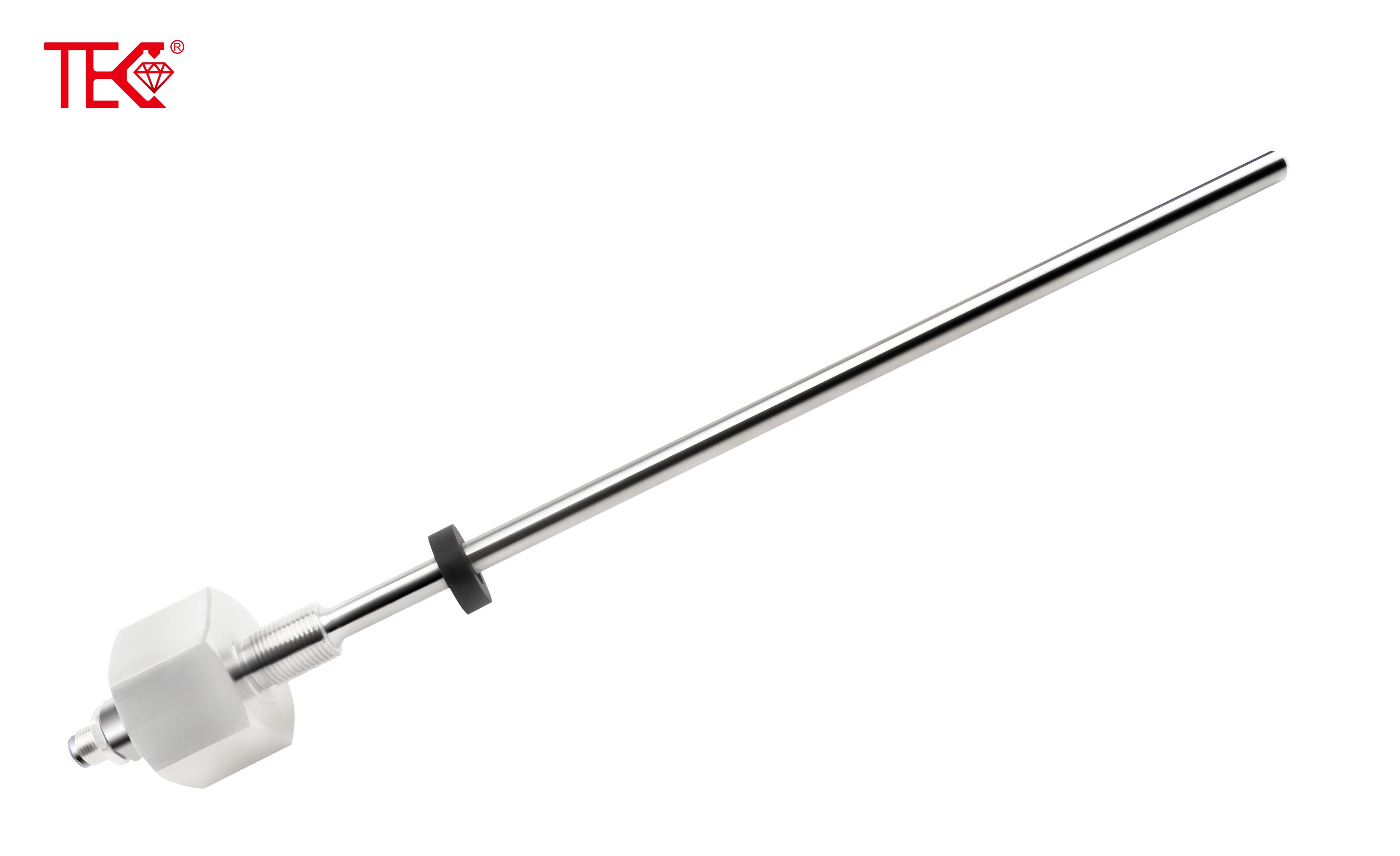
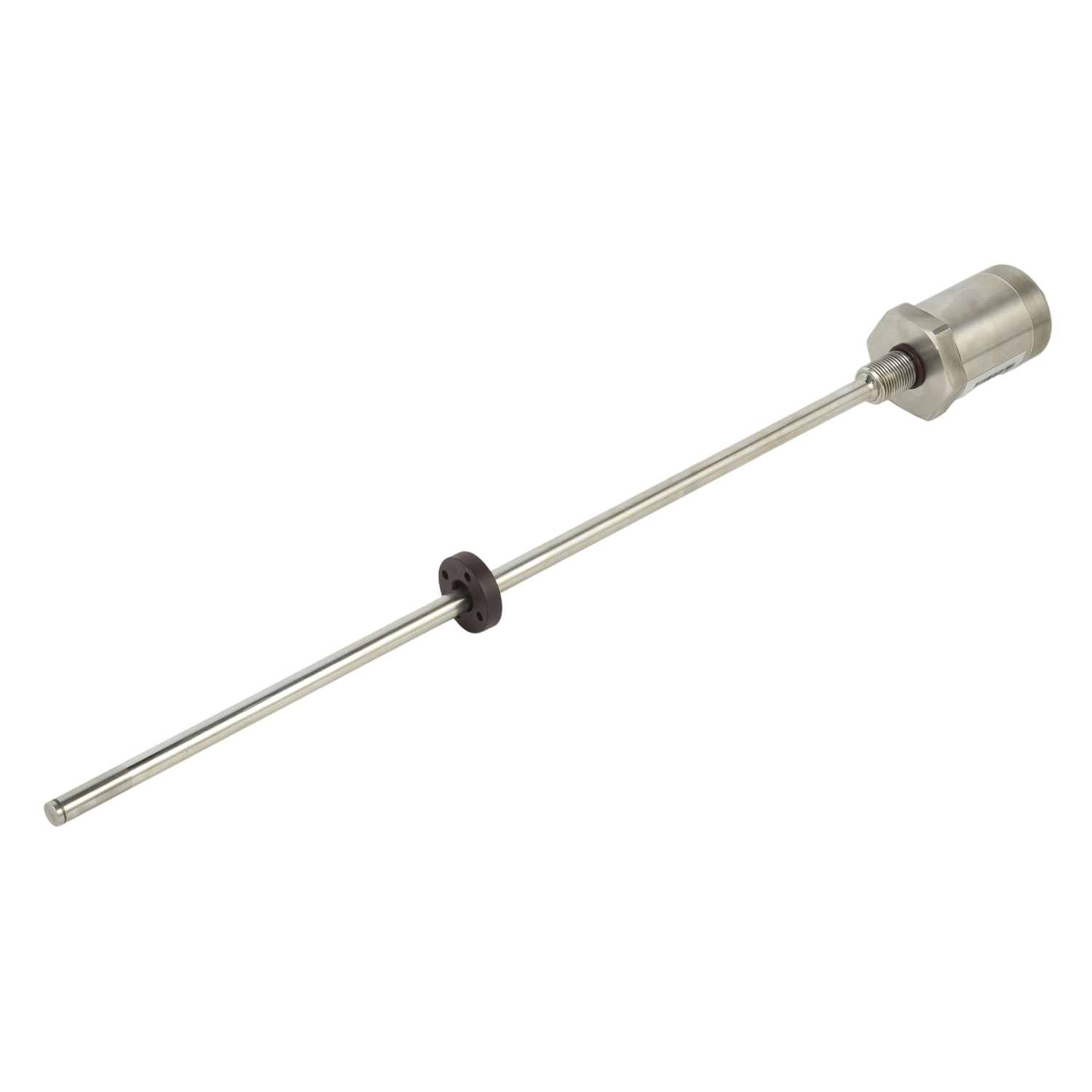 Turbine Flowmeter for Silos
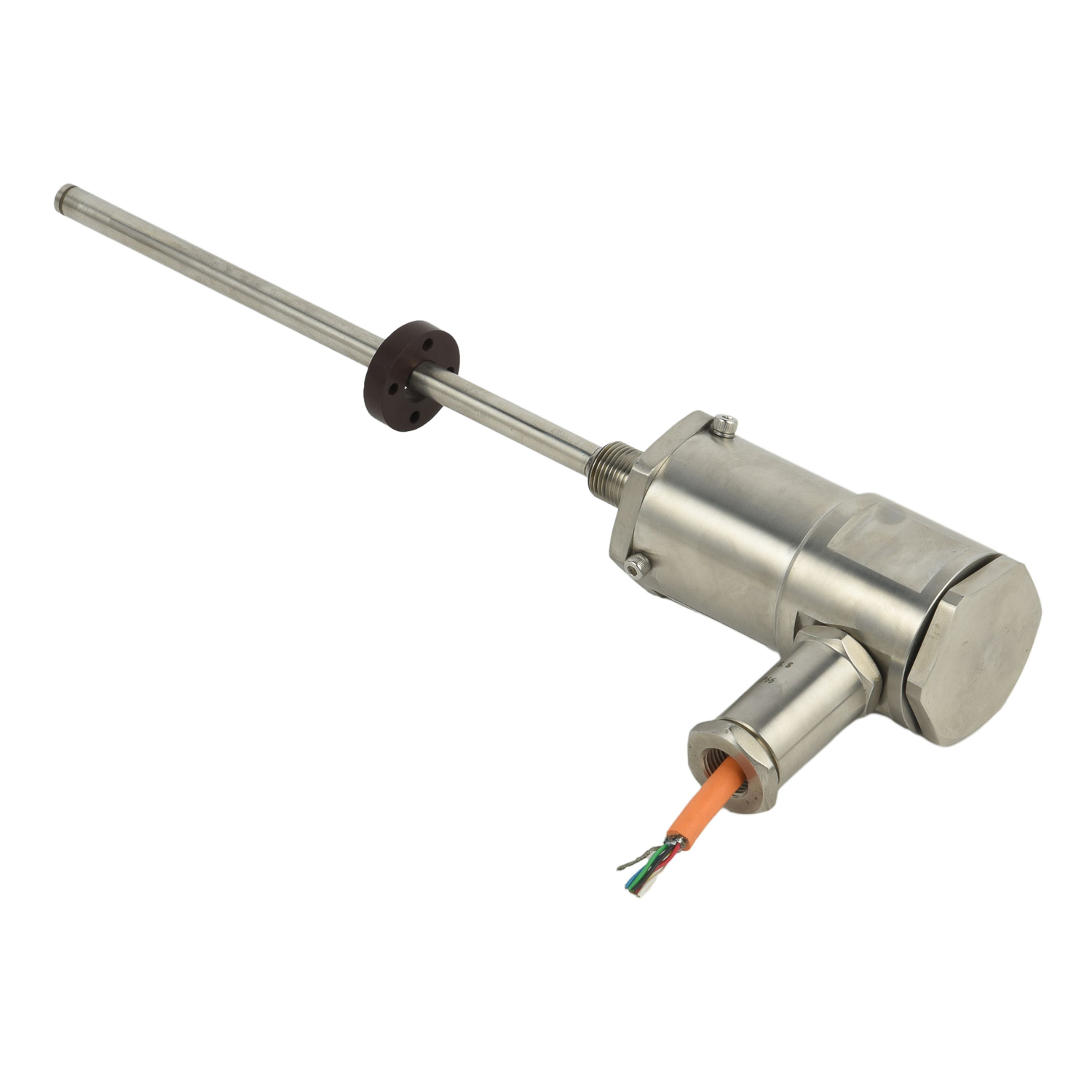 Turbine Flowmeter for Reaction
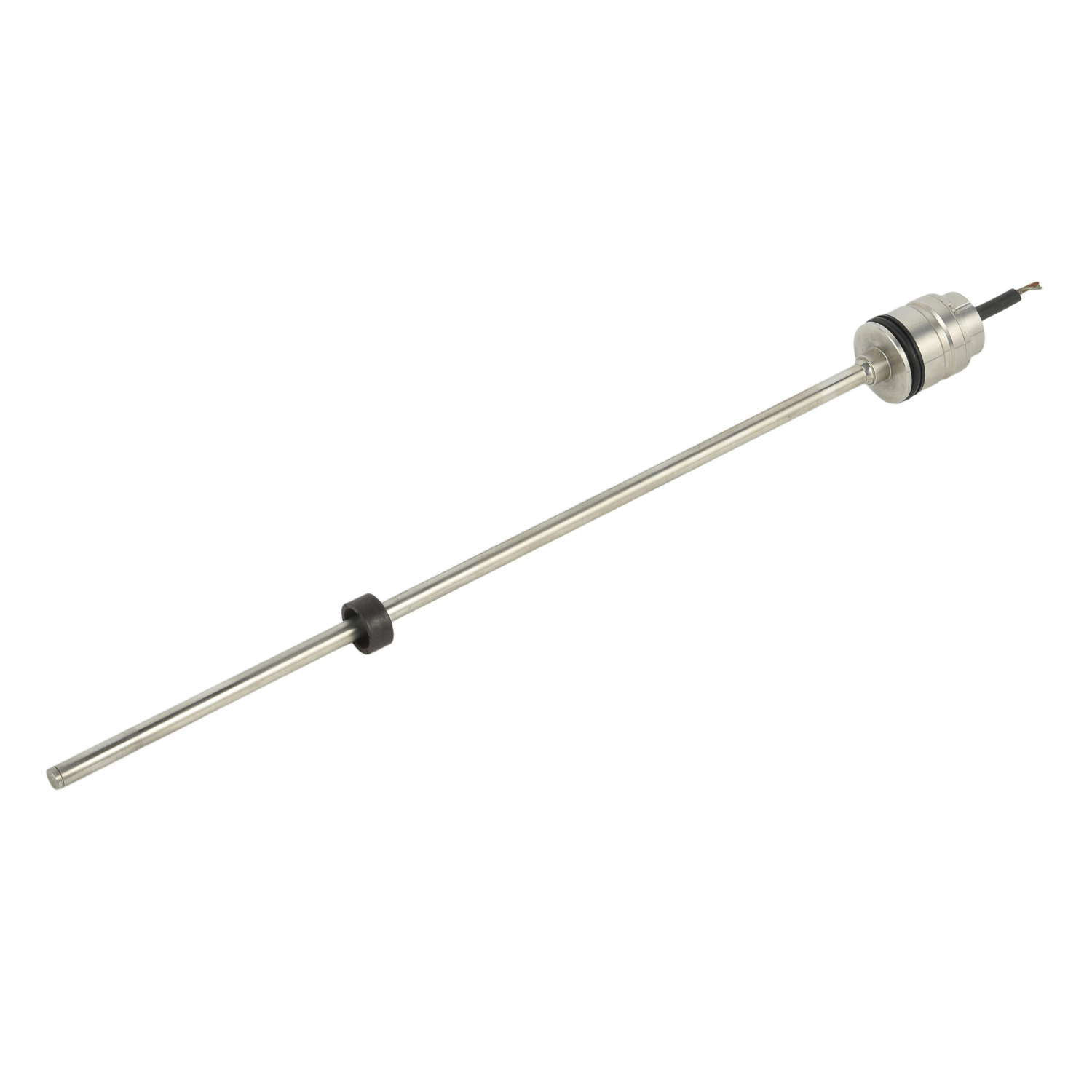 Turbine Flowmeter for Storage
 Turbine Flowmeter for Material