
Electromagnetic Flowmeter for Water Conservancy
Electromagnetic flowmeters are increasingly important in water conservancy because they provide accurate, stable flow measurement in irrigation canals, water supply pipelines, pumping stations, and drainage systems. Based on Faraday's law of electromagnetic induction, these meters measure conductive water flow without moving parts, reducing wear and maintenance. They minimize pressure loss and handle dirty or sediment-laden water well, making them suitable for rivers, reservoirs, and agricultural water networks. Whether in open channels or closed pipes, they offer repeatable readings that help managers reduce water loss.
In modern water management, reliable data is essential. Electromagnetic flowmeters support real-time monitoring, leak detection, water resource allocation, and efficient irrigation. Their digital outputs can connect to SCADA and remote monitoring platforms, helping operators control pumps, valves, and distribution schedules. When paired with level sensors and gate controls, they enable automated scheduling and drought response. Proper installation with sufficient straight pipe sections and grounding ensures high accuracy and long service life. From large diversion projects to irrigation districts, stable measurement improves operational decisions.
For water conservancy projects, choosing the right liner and electrode materials improves durability in different water qualities. Selecting meters with IP68 protection and anti-corrosion electrodes is advisable for humid or buried sites. Regular calibration and inspection maintain measurement confidence. Routine zero checks and signal verification keep data traceable. By combining robust sensors with smart communication, electromagnetic flowmeters help build safer, more efficient, and sustainable water systems.

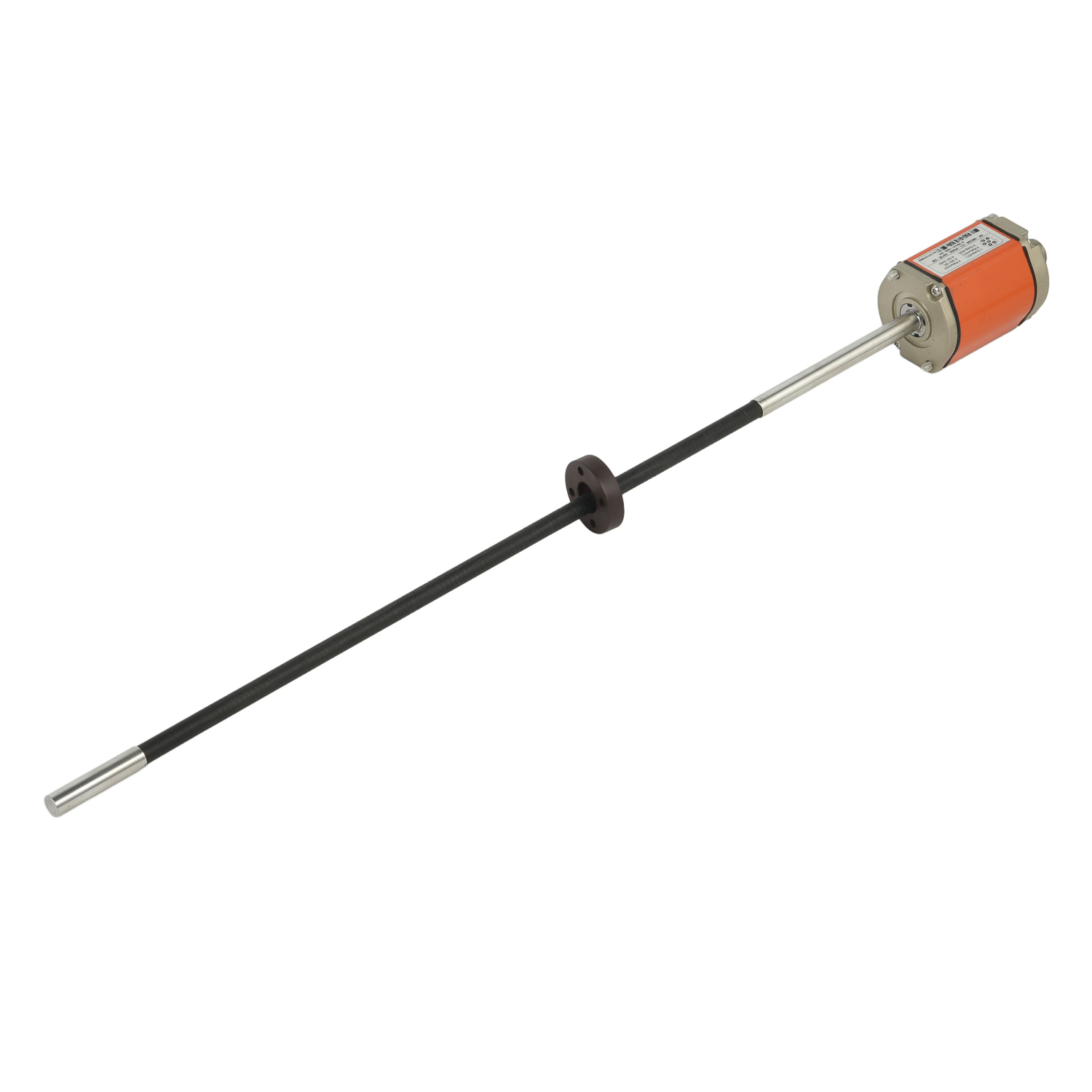 Turbine Flowmeter for Hydrauli
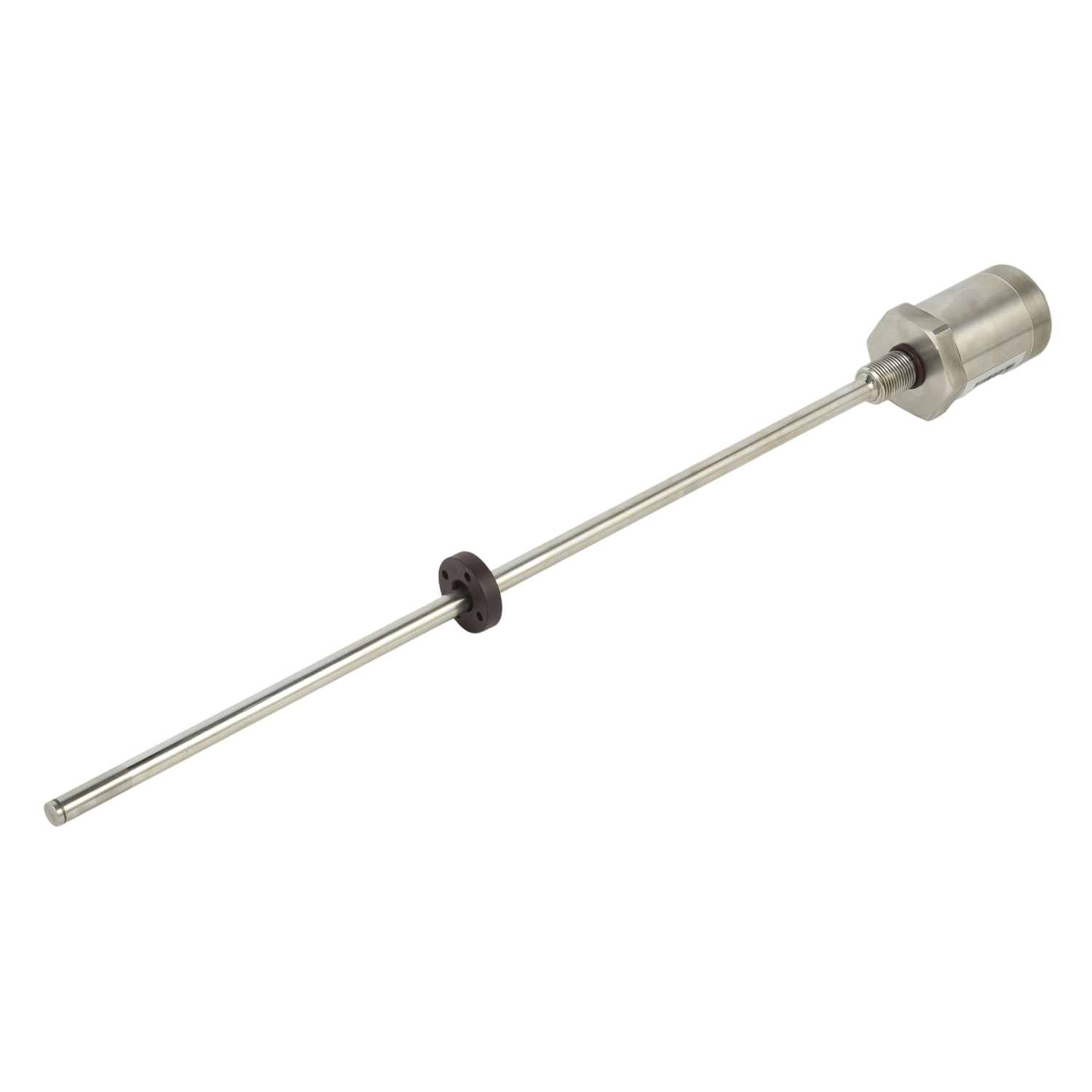 Turbine Flowmeter for Silos
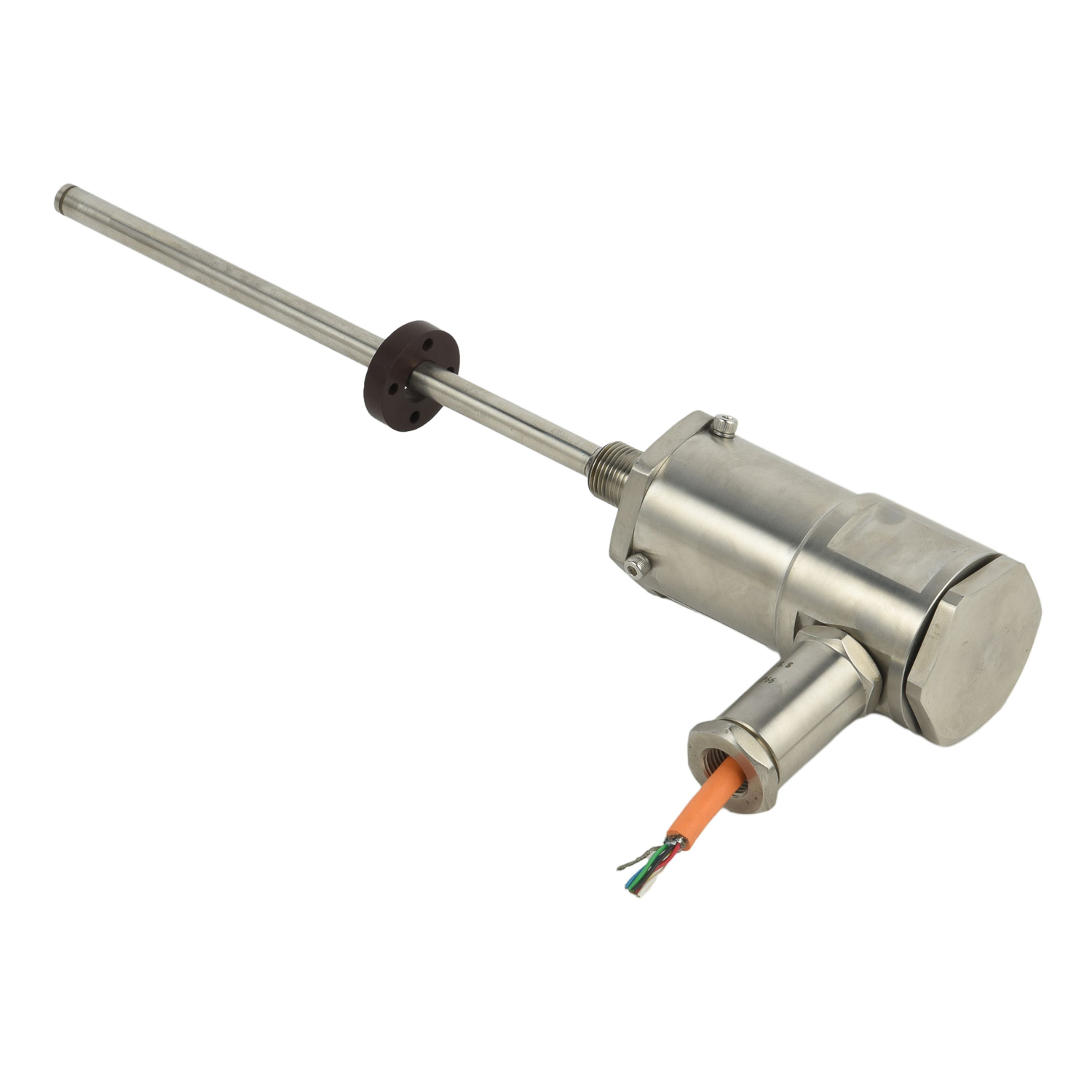 Turbine Flowmeter for Reaction
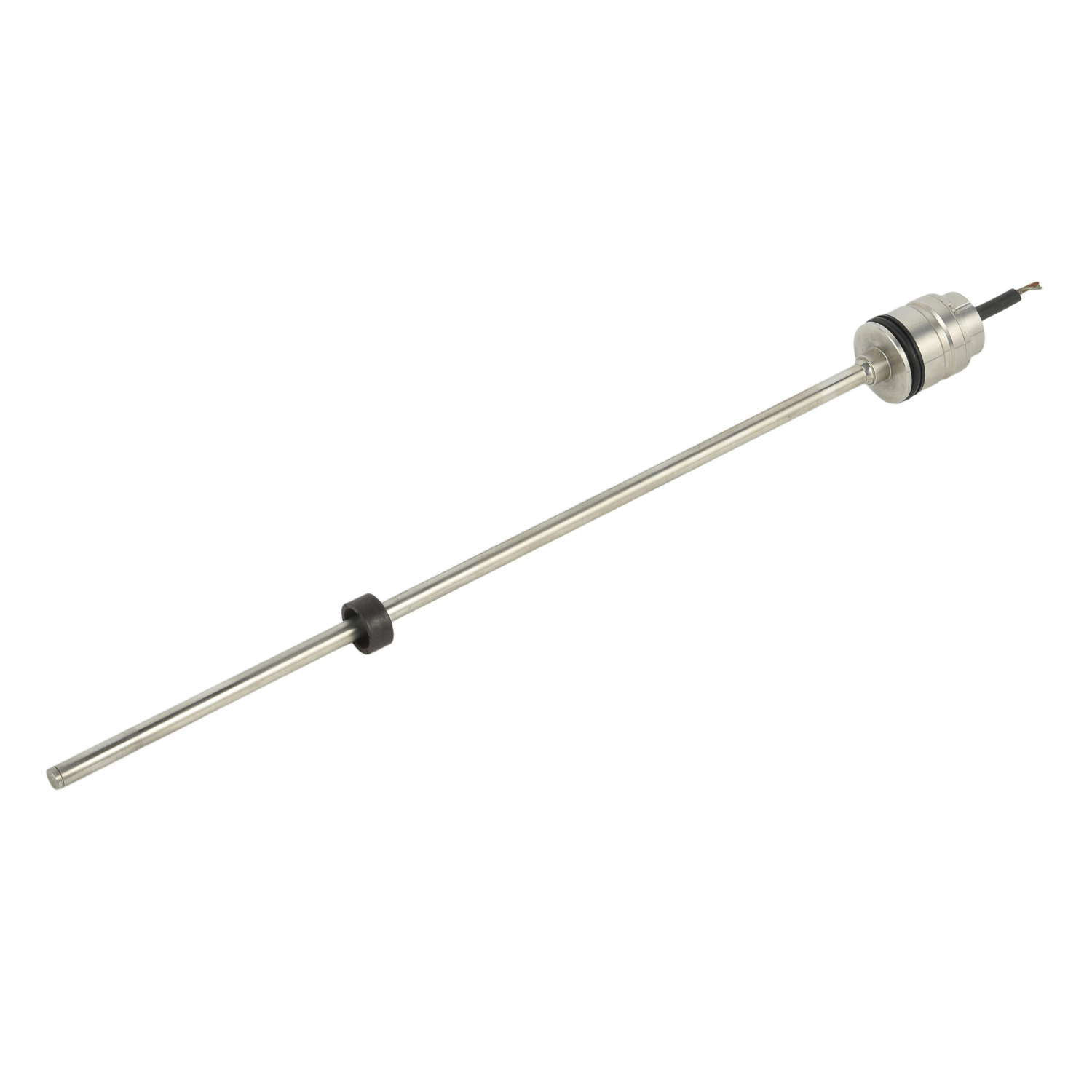 Turbine Flowmeter for Storage