
Electromagnetic Flowmeter for Sewage Treatment
Electromagnetic flowmeters are widely used in sewage treatment because they measure conductive liquids with high accuracy and almost no pressure loss. Unlike mechanical meters, they have no moving parts, so debris, fibers, and suspended solids in wastewater are less likely to cause blockage, wear, or frequent maintenance. This makes them suitable for raw sewage, primary and secondary sludge, recycled water, return activated sludge, and chemical dosing lines. A typical system includes a lined sensor, electrodes, and a transmitter. The liner material should match the wastewater chemistry, while electrode selection depends on corrosion and abrasion risks. Proper grounding is essential to stabilize the signal, especially in plastic or coated pipes. Install the sensor in a full pipe with straight upstream and downstream sections, and avoid air pockets or sediment buildup. For abrasive sludge, choose wear-resistant liners and inspect electrodes regularly. Regular maintenance includes checking electrodes, cleaning deposits, and verifying calibration. With reliable flow data, operators can monitor treatment load, control pumps, detect leaks, optimize aeration, and improve energy efficiency. Choose the correct size to maintain a stable flow velocity, and confirm that the meter is rated for the site's pressure and temperature. Ensure easy access. In modern wastewater plants, an electromagnetic flowmeter is a dependable choice for continuous, accurate flow measurement and long-term process control.
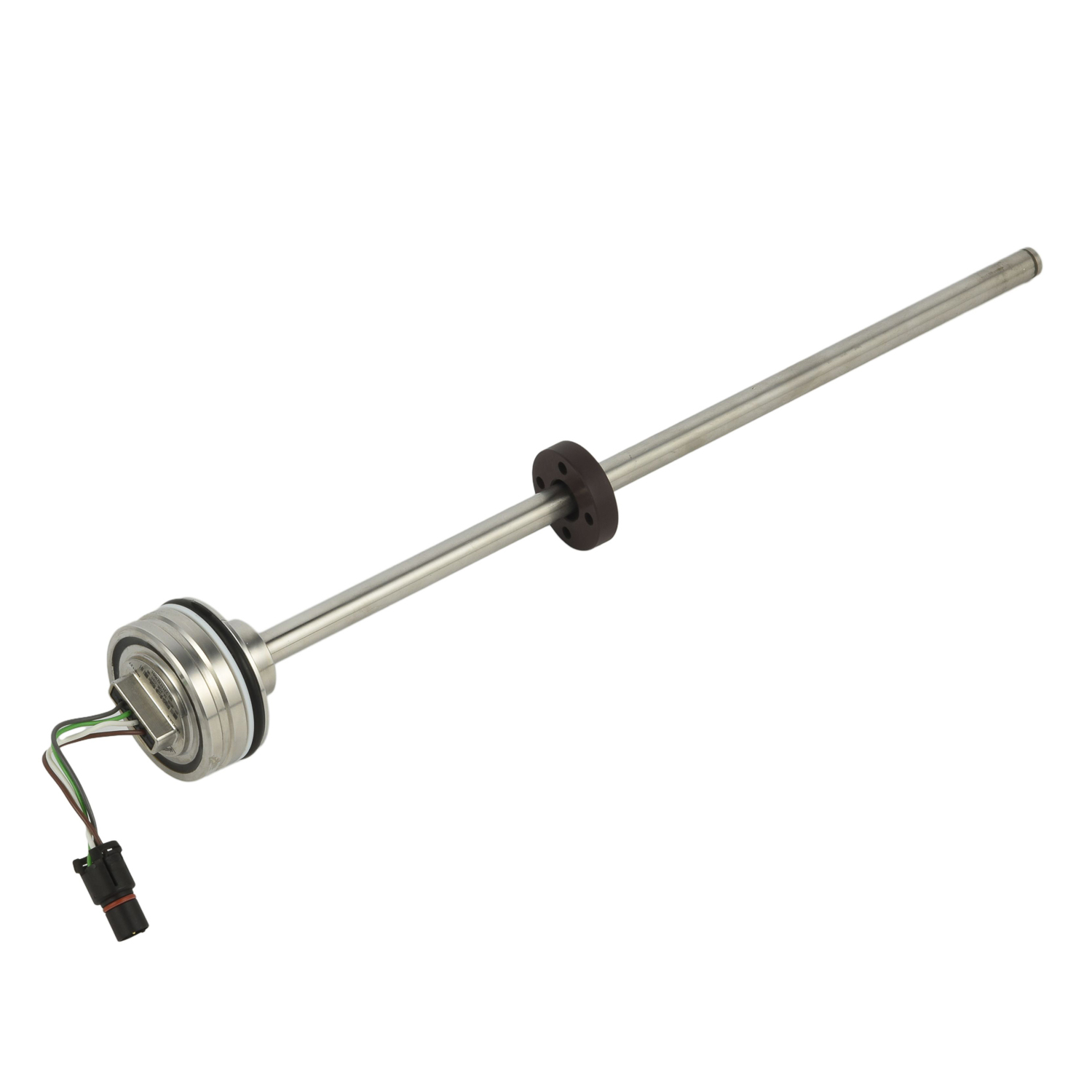
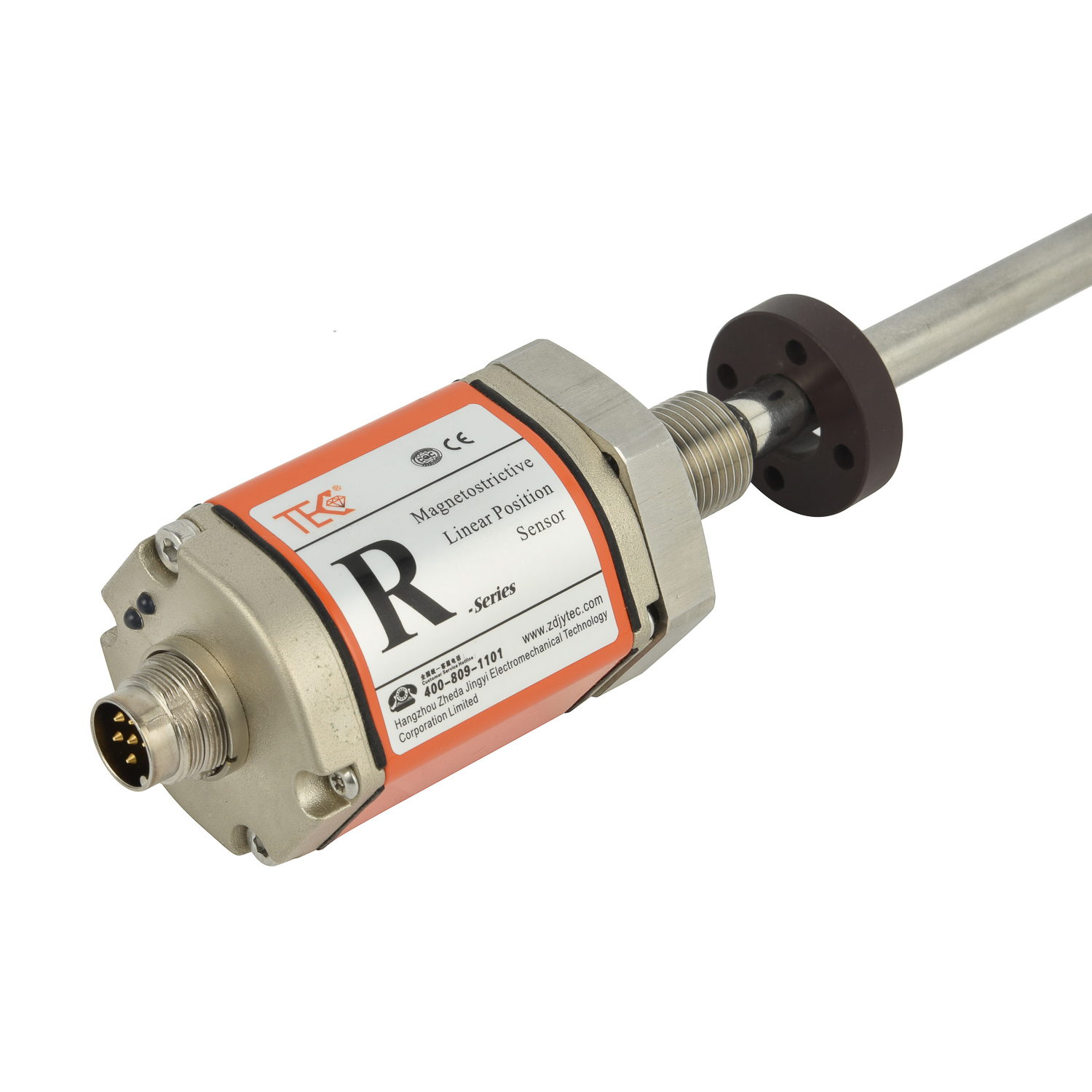 Turbine Flowmeter for Gates
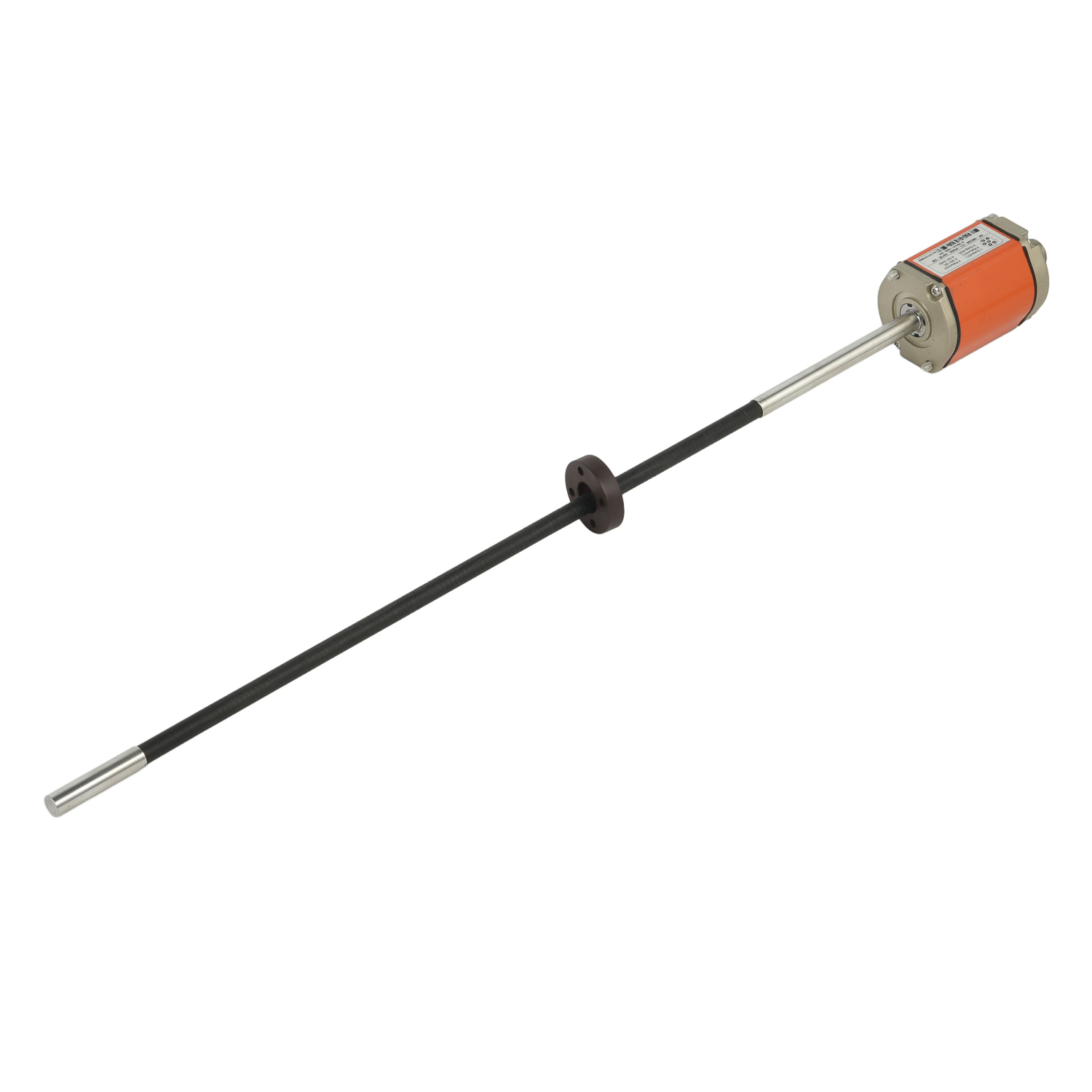 Turbine Flowmeter for Hydrauli
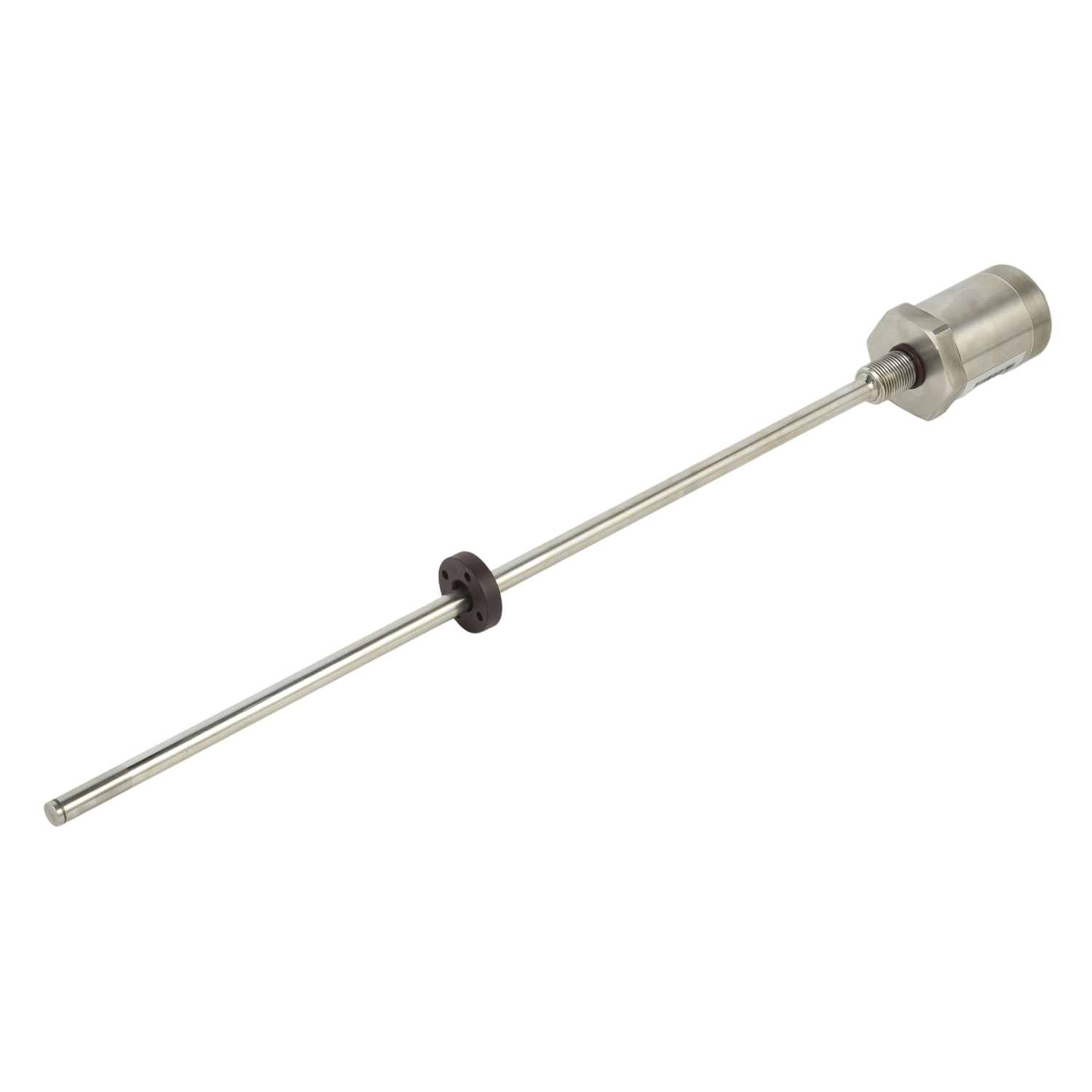 Turbine Flowmeter for Silos
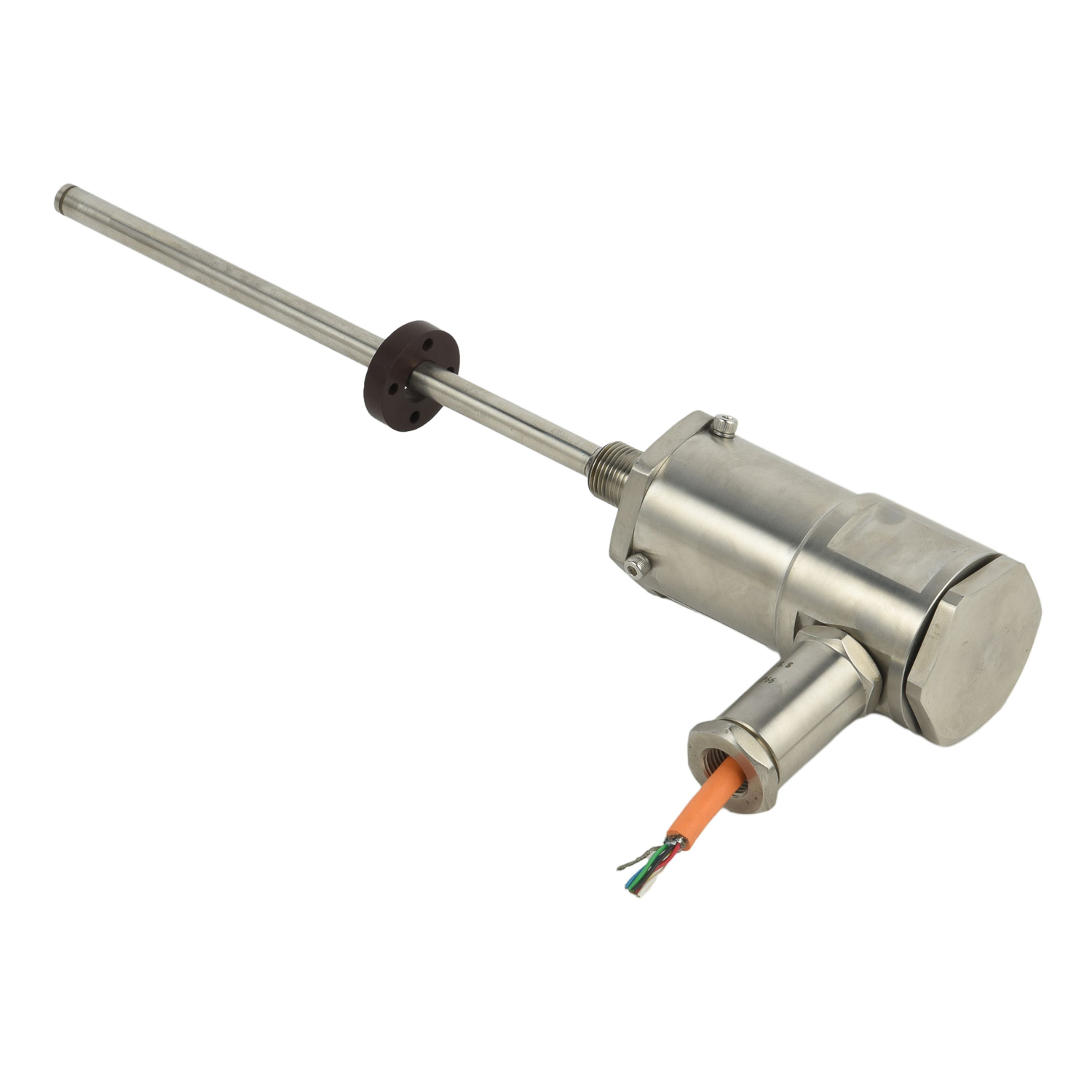 Turbine Flowmeter for Reaction